
CHINA · HONG KONG GUIDE
Getting Around Hong Kong
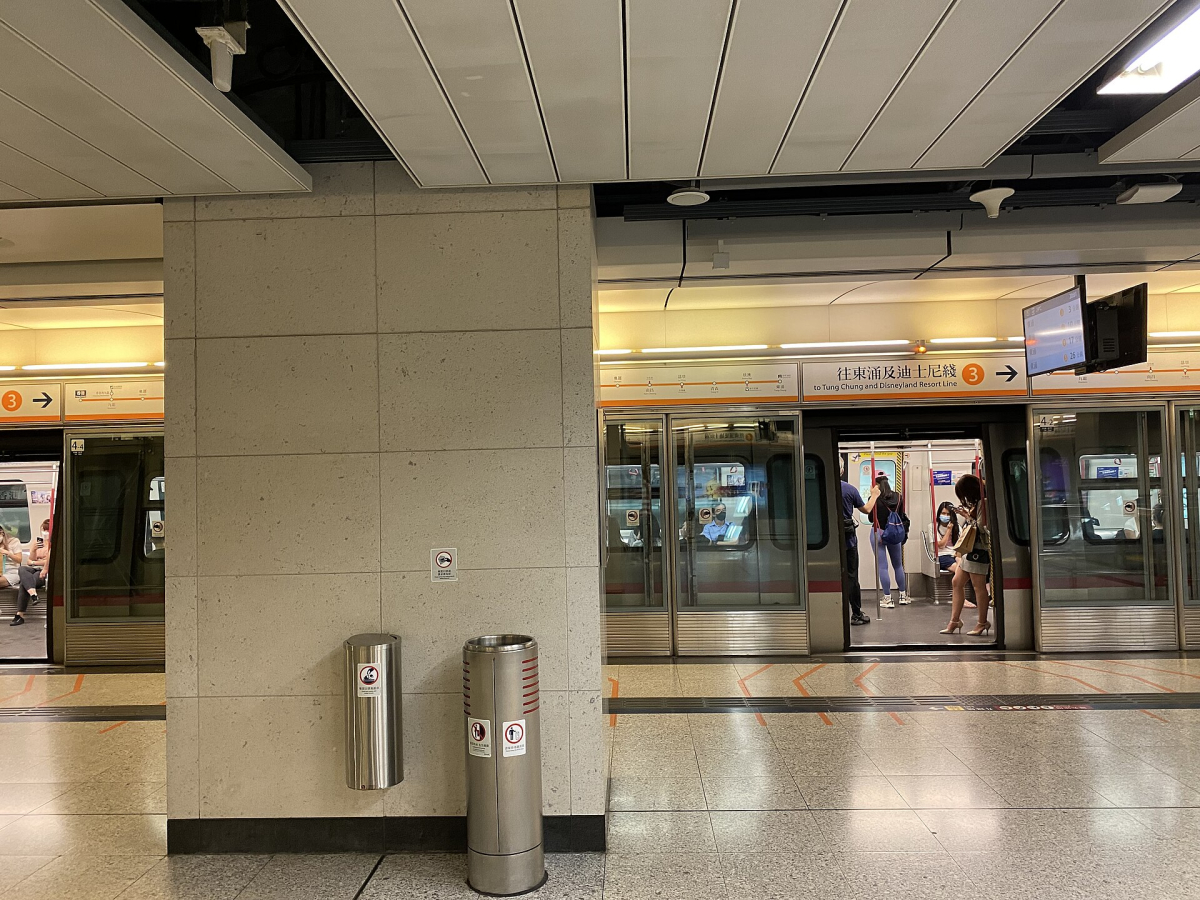
The best transport choice depends on the exact journey, not just the shortest line on a map. Use the MTR for efficient cross-city travel, buses for places beyond the rail network, trams for a slower Island-side ride and ferries when the water route is part of the experience. Check the final walk and suitable station exit before setting off.
Choose the Right Transport
On small screens, scroll the table sideways to compare every column.
| Mode | Best use | What to check |
|---|---|---|
| MTR | Cross-harbour and longer urban journeys | Destination, interchange, exit and last service |
| Franchised bus | South-Island beaches, hills and routes beyond rail | Direction, exact stop, route variant and payment |
| Tram | Northern Hong Kong Island at a relaxed pace | Destination board, steps and luggage practicality |
| Star Ferry | Central or Wan Chai to Tsim Sha Tsui | Correct pier/deck and accessibility |
| Outlying-island ferry | Cheung Chau, Lamma, Mui Wo and other islands | Operator, destination pier, day-specific return sailing |
| Taxi | Luggage, a steep final approach or a small group | Address in Chinese, vehicle capacity and complete fare conditions |
Airport travel and cross-border arrival belong in Airports & Transfers. The rail journey time is only one part of a hotel-to-terminal trip, and an ordinary urban day pass does not automatically cover Airport Express.
Using the MTR and Choosing an Exit
Plan the line, direction and interchange before entering the paid area. Large stations can have long corridors, and an exit beside your destination on a flat map may be separated by traffic or a change of level. For a hotel arrival, look for the suitable street-level approach rather than simply the nearest station name.
Keep your ticket or payment method available until you leave the destination gate. Check which payment methods support your intended fare or concession; not every method carries the same discounts. For a wheelchair, pram or heavy luggage, use the MTR barrier-free facilities search to identify the appropriate lift route and check for replacement work.
Octopus, Single Fares and Day Passes
Octopus is a stored-value payment tool used on many transport services and in shops. Buying one does not make journeys free. The sold tourist card and on-loan product have different purchase and refund arrangements; mobile versions also depend on device and card compatibility. Read the official visitor purchase information before choosing.
A Tourist Day Pass can make sense for a rail-heavy day, but compare it with the actual individual fares. Ferries, ordinary city buses and trams are not turned into unlimited services simply because you hold an MTR product. Airport Express and specified boundary journeys are excluded from the ordinary Tourist Day Pass. More comparisons are in City Passes & Tickets.
Buses and Trams
Buses reach beaches, hills and neighbourhoods that rail does not. Confirm the destination display and the actual stop name in each direction; do not assume the return stop is directly opposite your arrival. Busy sunny weekends can mean queues on beach routes, so leave room in the schedule and avoid relying on a single final departure.
Trams are an enjoyable slow way to see the northern corridor of Hong Kong Island. They do not run in Kowloon and are not a substitute for the Peak Tram. Check the destination board because services can terminate at different points. Ordinary vehicles have steps, and a crowded tram can be awkward with a buggy, large suitcase or mobility equipment.
Harbour and Island Ferries
Treat a Star Ferry crossing as a short urban connection, and an outlying-island ferry as a scheduled excursion with a return constraint. Central has several numbered piers; arriving at the waterfront is not the same as reaching the correct gate. Check the operator and destination before joining a queue.
Weekend fares, vessel types and frequencies can differ from weekdays. On a pier-to-pier walk, verify the return service from the second pier. Keep a useful earlier sailing in mind and follow suspension notices during severe weather. The Transport Department ferry directory helps identify the correct service; itinerary choices are in Day Trips.
Walking, Taxis and Late Evenings
Hong Kong’s hills, elevated walkways and indoor station passages mean that a short straight-line distance can be a substantial walk. Choose a few adjoining stops and build in a seated break. With reduced mobility, verify the whole route from street to platform and into the venue, not only the presence of a lift somewhere in the station.
For a taxi, keep the exact hotel address in Chinese, check the vehicle’s practical luggage capacity and understand any applicable tunnel or luggage charges. Before a late night, check the last MTR or ferry for your actual route and decide how you will get home afterwards. Do not assume all lines or island services run through the night.
Frequently Asked Questions
Does the tram cross Victoria Harbour?
No. The ordinary tram network is on the northern side of Hong Kong Island. Use the MTR, ferry or an appropriate road connection to reach Kowloon.
Can I use one Octopus card for my whole group?
Each passenger should have the payment product required for their own journey. Rail entry and exit records are individual; do not assume one stored-value card can be passed back through a gate for several people.
Are all station exits step-free?
No. Check the specific station and exit in MTR’s barrier-free information, including lift replacement notices, and allow time for a longer route when needed.
