ITALY · PISA GUIDE
Best Time to Visit Pisa: Seasons & Trip Planning
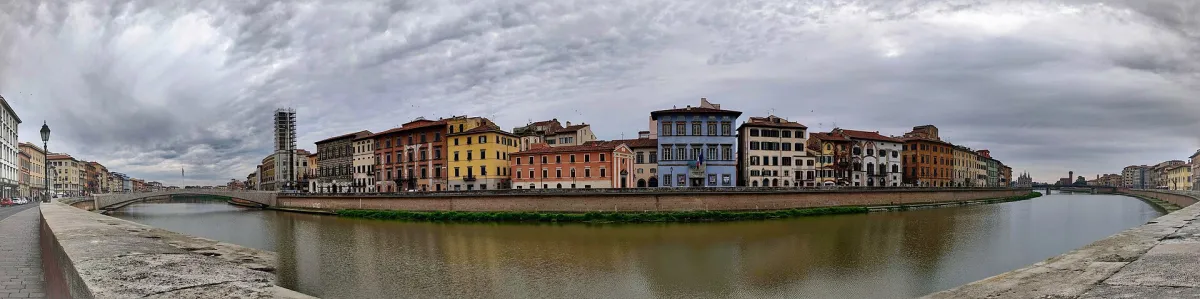
Choose your Pisa dates around the trip you want. Spring and autumn often work well for walking; summer is more compelling for a city-and-coast combination; winter can suit a compact cultural stay with flexible indoor plans. These are seasonal planning patterns, not a weather forecast.
Compare the seasons
| Season | Why visit · what to plan around |
|---|---|
| March–May | Comfortable periods for city walks and gardens, with changeable weather. Easter and holiday weekends can increase demand; bring a rain layer. |
| June–August | Longer evenings and beach interest, with heat and busy monument hours. June civic celebrations change access and demand; keep water and rest breaks in the plan. |
| September–October | A useful mix for city walks, museums and some coastal days. Swimming conditions and beach services become less predictable as autumn advances. |
| November–February | A museum-led city break and quieter periods outside holidays. Shorter daylight, rain and earlier closing reduce outdoor flexibility. |
Spring: architecture and gardens
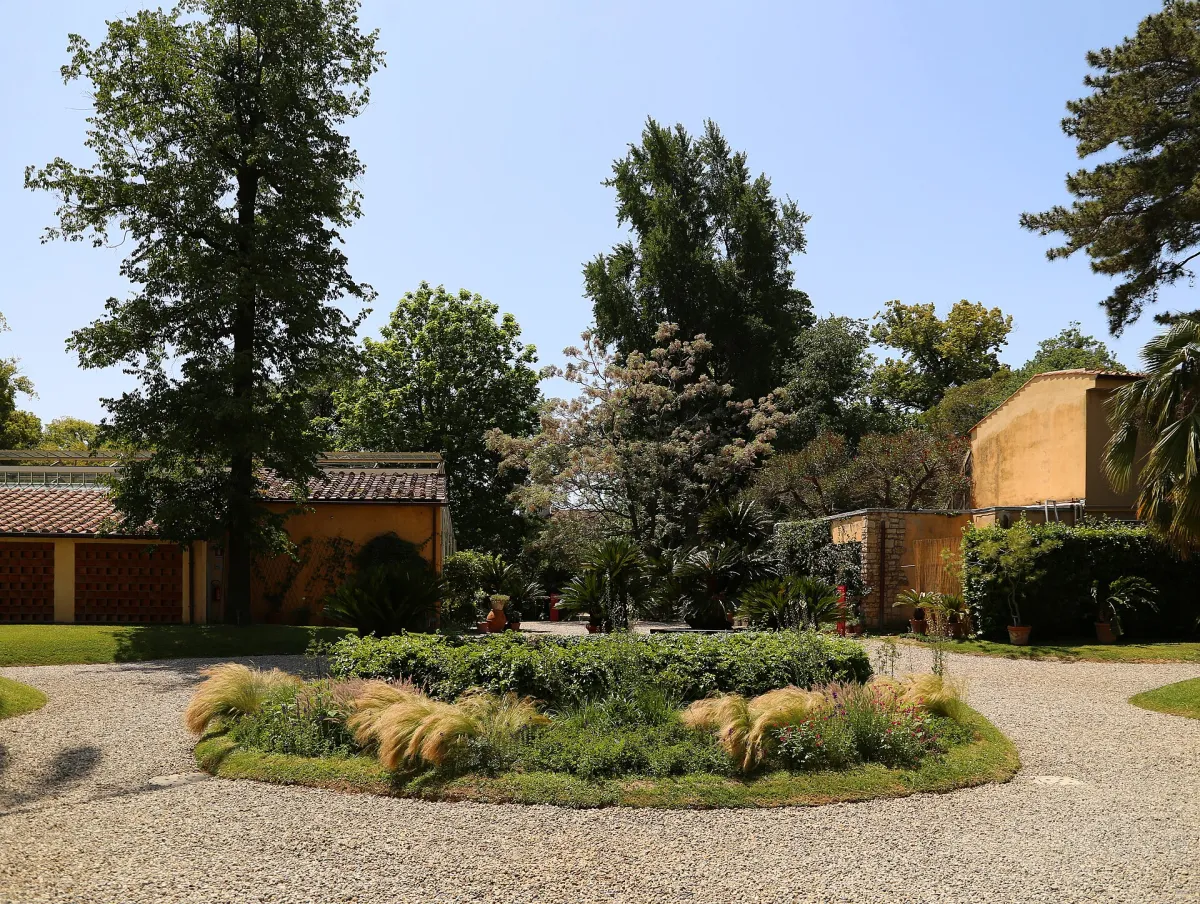
Choose spring for a trip centred on the monuments, university lanes and a garden visit. Build the day around the available tower slot, then leave the walking sequence flexible. Sunny midday conditions can feel warm in the square even while the evening needs another layer.
Carry shoes that work on wet paving and a light waterproof layer. A garden should be treated as weather-dependent; university notices can include closures for severe weather or plant treatments. Keep an open museum as your alternative and check its weekly closure.
Summer: separate the city from the beach
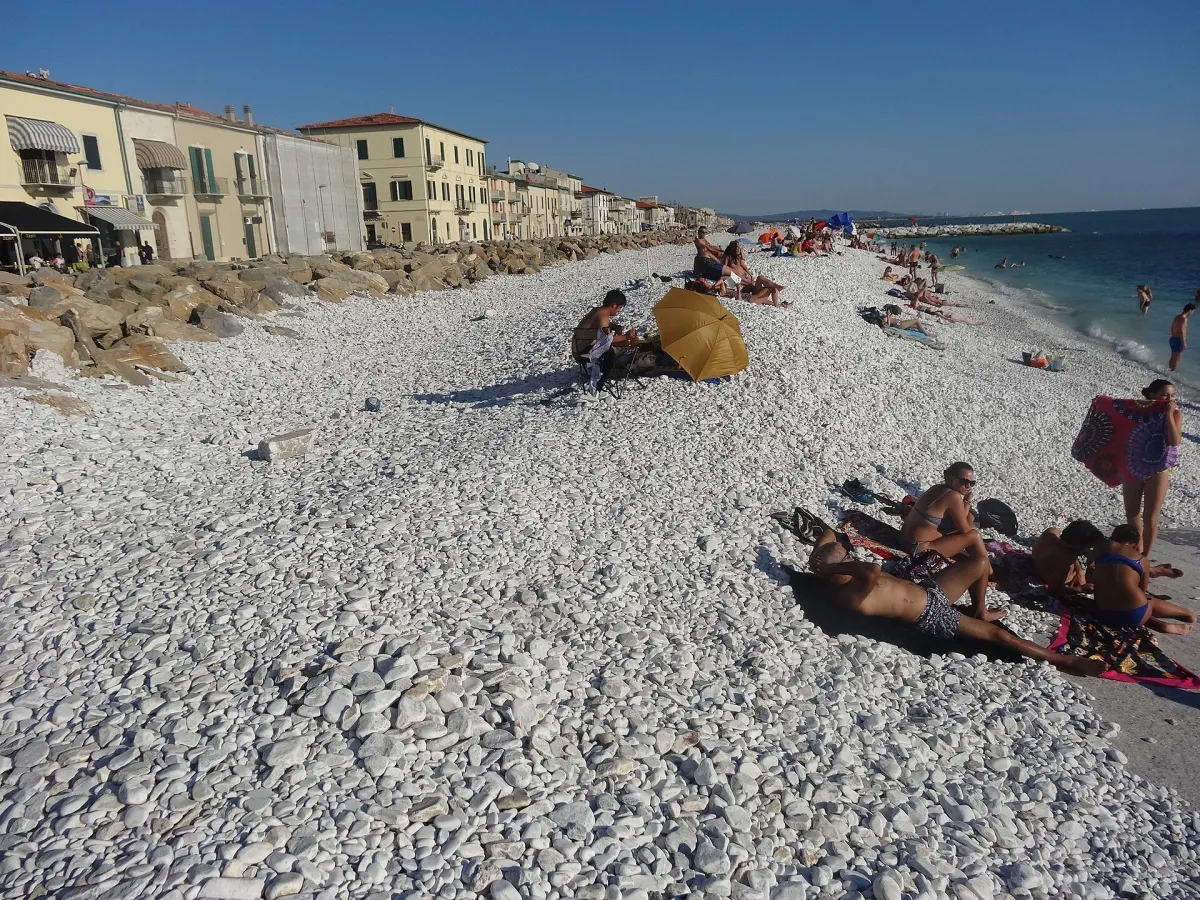
The exposed square and wall route can be tiring in summer. Make an earlier start where opening allows, take a proper midday break, and return to the river in the evening. An air-conditioned room can matter more than a slightly closer address, but confirm the equipment for the booked room.
Allow a separate coastal day if the sea is a priority. City sightseeing, a tower climb and a full beach visit are rarely a relaxed single-day combination. Check current beach services and coastal bus times in Beaches Near Pisa; summer schedules should not be carried into the autumn unchanged.
Autumn: cultural visits with a weather alternative
September can retain a summer feel, while later autumn brings more reason to put museums at the centre of the trip. Plan city walks between indoor visits rather than assuming a full dry day. Leaves and wet stone can make surfaces slippery, so slow the route around stairs and river crossings.
Check the specific Palazzo Blu exhibition rather than assuming the permanent-collection ticket covers it. San Matteo and the Ancient Ships Museum offer different subjects; choose according to what is open and the time you can give the collection.
Winter: shorter routes, longer indoor stops
Winter suits travellers who prefer a short city break to a beach holiday. Keep the cathedral quarter, lunch and one museum as the core rather than planning every outdoor viewpoint. Holiday closures can affect both museums and restaurants, and daylight runs out earlier than in a summer itinerary.
A coastal walk may still appeal in settled weather, but it is not the same as a serviced beach day. Wind, sea conditions and reduced seasonal services can change the outing; check the return transport before leaving the city.
Events, demand and date checks
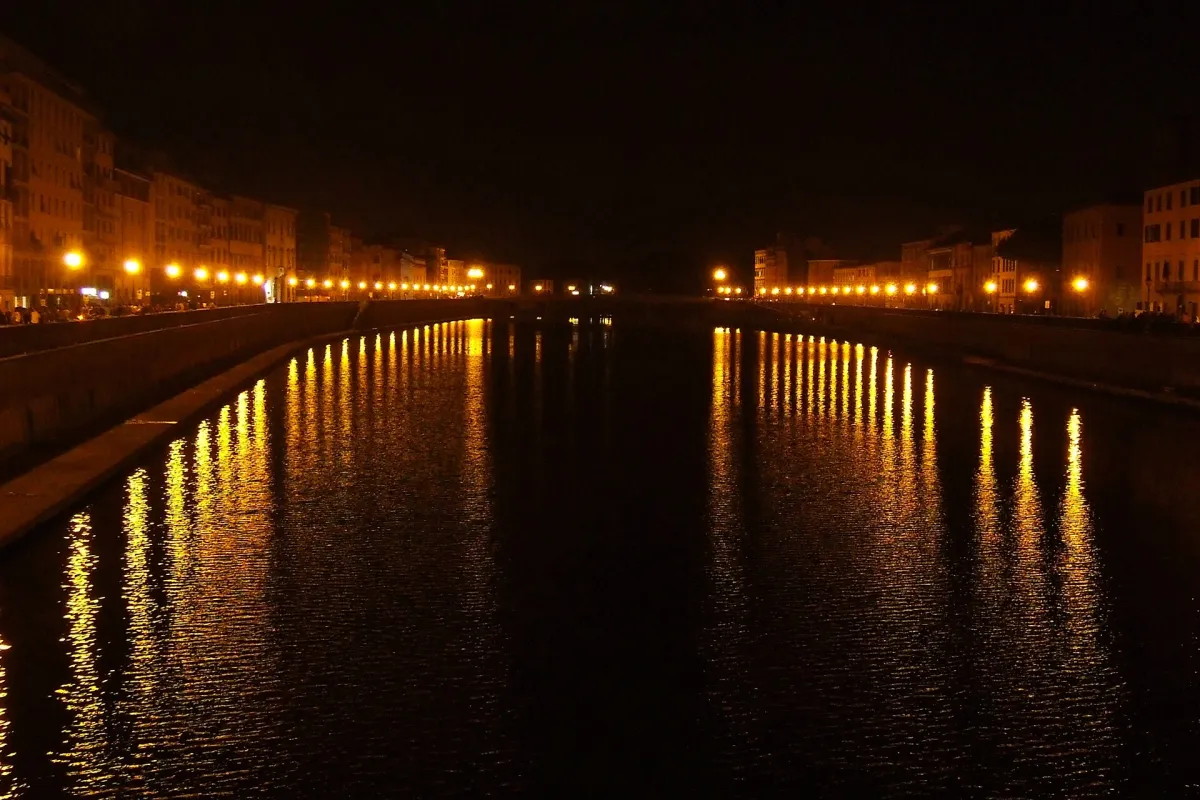
June is Pisa’s distinctive civic-festival period. The completed 2026 municipal programme is useful historical context; next-edition dates and access need their own confirmation. Follow Festivals & Events for the distinction between recurring traditions and announced programmes.
For the week of travel use the LaMMA regional weather service and Tuscany weather alerts. Severe-weather instructions and operator closures override a seasonal recommendation. Do not reserve a weather-sensitive activity on the strength of a long-range seasonal description.
Frequently asked questions
Which months are best for walking in Pisa?
Spring and autumn often suit a walking-led visit, but individual weeks vary. Keep a rain alternative and check the actual forecast close to travel.
Is Pisa too hot in summer?
Heat can make the exposed square and wall route tiring. Shorter outdoor sections, water, shade and a midday break help; choose a room with confirmed cooling if that matters to you.
Can I plan a beach day in October?
A coastal visit may work in settled weather, but swimming conditions, lifeguards, beach services and buses are seasonal. Verify the actual conditions and return transport.
Should I book June for the Luminara?
Book around the next edition only after checking its official programme. A past year’s date is not confirmation of the next event’s arrangements.