ITALY · PISA GUIDE
Pisa Safety, Accessibility & Useful Contacts
Prepare for Pisa by matching your route to your needs and keeping the practical details available: the hotel entrance, a safe evening return, the current weather notice and the right place to seek help. This guide focuses on travel arrangements and verified access sources rather than promising that a whole city is risk-free or universally accessible.
Busy areas, belongings and evening returns

Use ordinary city precautions around stations, queues and crowded monument approaches. Keep your bag closed and where you can monitor it; do not leave a phone or wallet on an outdoor table or luggage unattended while taking photographs. Unsolicited help at a ticket machine deserves the same caution as in other busy transport settings.
Choose a well-lit return that you are comfortable using and keep an alternative taxi plan. A lively square is different from a quiet street after businesses close. Alcohol, an unfamiliar route and an uncharged phone can make a short journey harder to manage; plan the return before the evening starts.
Heat, rain, river and coast
Use water, rest breaks and shade to reduce the strain of a hot sightseeing day. Wet paving, steps and stone beach access call for slower movement and suitable footwear. Follow local barriers and weather instructions; do not enter a closed wall route or garden to complete an itinerary.
Check Tuscany weather alerts for disruptive conditions. Stay on public paths by the Arno and avoid unsafe edges for photographs. At the coast follow bathing notices, flags and lifeguard directions; a breakwater or calm-looking inlet is not a safety guarantee.
Accessibility: verify the complete journey
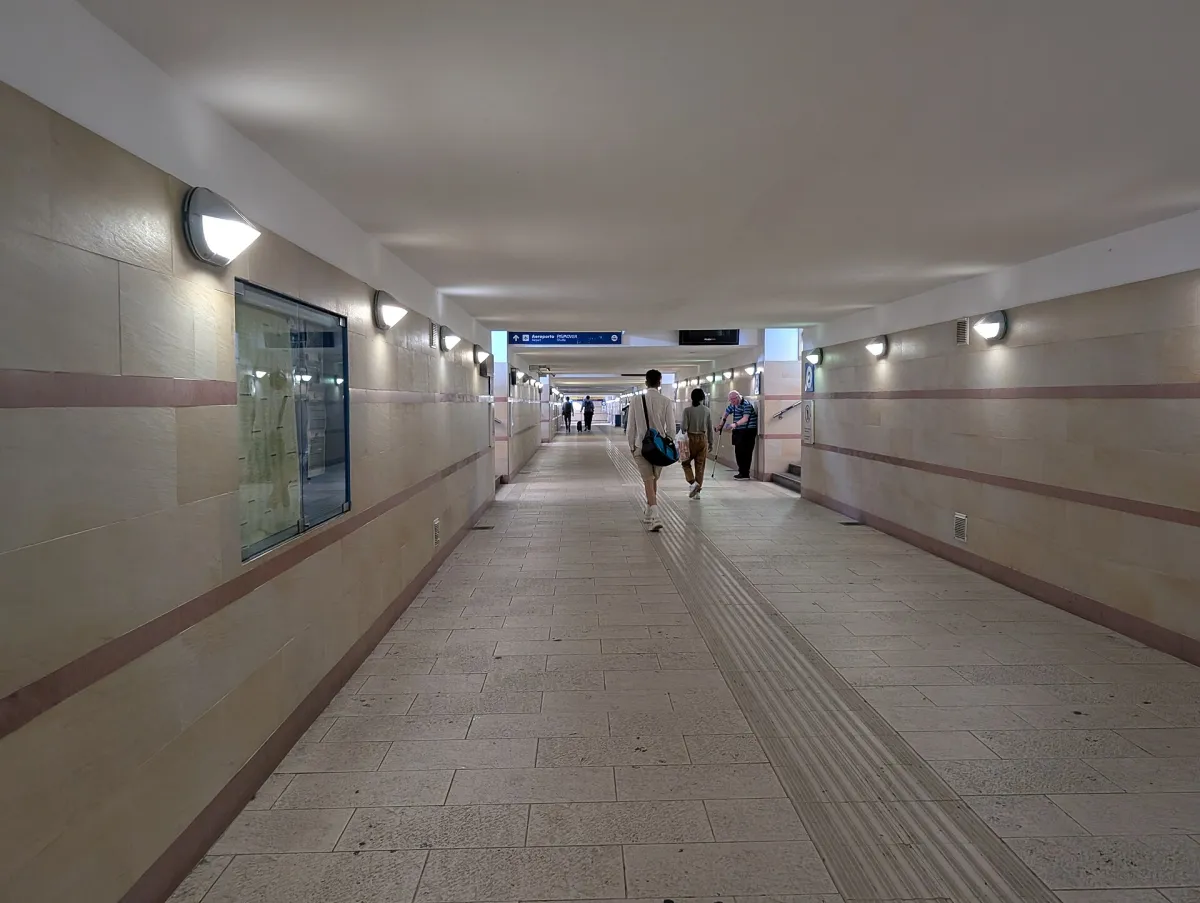
Pisa’s centre lies largely on a river plain, but that does not remove barriers. Uneven paving, narrow footways, kerbs, crowded streets and the approach to bridges can affect a route. Agree a realistic walking distance with your group, identify breaks and ask your accommodation about the exact entrance and taxi drop-off.
For the cathedral complex, the Opera’s accessibility service asks visitors with particular needs to contact it at least five days before the visit. Request the assistance and entrance arrangement that fits your needs. The tower is a stair climb with uneven surfaces; a free-admission policy does not mean a lift-assisted ascent.
| Stage | Confirm the specific arrangement |
|---|---|
| Station or airport | Assistance booking, platform or terminal route, functioning lifts and the handover to the next service. |
| Bus or taxi | The actual stop and vehicle, boarding conditions, luggage and any equipment dimensions. |
| Hotel | Pavement-to-room route, thresholds, lift dimensions, door widths, bathroom arrangement and the exact room category. |
| Monument or museum | Entrance, accessible route, lift status, seating, toilet availability and any advance notice requirement. |
| Walls or beach | The exact entry and usable section; a site-wide label does not establish access to every level or the water. |
Use RFI’s assistance and lift-status information for railway journeys and AT’s accessibility information for local buses. For the walls, confirm a designated accessible entrance and operating lift with the operator. Ask separately about accessible toilets and their opening: proximity on a map does not establish availability.
Healthcare preparation and non-emergency help
Carry medication in its original labelled packaging and check travel requirements for any controlled medicine with the relevant authorities. Keep your insurer’s assistance details and any applicable health entitlement card. Coverage, charges and eligibility depend on your situation; a card is not a substitute for understanding your insurance.
For current local healthcare options use USL Toscana nord ovest’s tourist-care information. Coastal tourist services can be seasonal; confirm the current service and do not rely on a previous summer’s timetable. A pharmacy can help identify appropriate local service information, but an urgent condition needs the emergency route.
Emergency and useful help
For immediate danger, fire or a serious medical emergency call 112. State the location, what happened and the assistance needed, and follow the operator’s instructions. Keep your hotel’s street address available if you are calling from there.
For a lost passport, contact your country’s embassy or consulate and follow the police-report process where required; your hotel can help identify the appropriate local office. For visitor information rather than emergencies, use the municipal tourism information point. Keep travel-document copies stored securely and separately from the originals.
Frequently asked questions
Is the whole historic centre step-free?
No single statement covers every route. Check paving, kerbs, entrances, lifts and toilets for the exact journey you intend to make.
Can I request assistance at Piazza dei Miracoli?
The Opera’s accessibility service asks for contact at least five days in advance. Explain the support you need and confirm the particular monuments and entrances.
Does free disabled admission mean the tower has a lift?
No. The tower visit is a stair climb with uneven surfaces. Admission policy and physical access are separate questions.
What should I do in a serious emergency?
Call 112, give the precise location and describe the situation. Follow the operator’s instructions.