
ITALY · PISA GUIDE
Things to Do in Pisa: Walks, Families & Shopping
Pisa is small enough for a walk to become the main activity. Use these experiences to add depth to a monument visit: a river loop, a collection that interests you, a garden pause or a shopping route with useful local purchases.
Choose experiences that fit the day
For a first visit, combine one structured activity with space to wander. The tower climb belongs to the monumental visit; the experiences below help you decide how to spend the rest of your time. Museum and monument details are in Attractions, so you can choose an activity without reading the same list twice.
| Experience | Best fit · practical trade-off |
|---|---|
| A river-and-lanes walk | First visit, architecture and photography; mostly outdoors, so heat and rain matter. |
| A museum-led half-day | Art or maritime history; choose a collection and check its current opening. |
| An elevated wall walk | Views and an active visit; weather, entry point and access requirements shape the route. |
| Family time with a garden break | Mixed ages and a less intense pace; tower age rules and garden museum closure need separate checks. |
| Shopping for useful local gifts | Food lovers, readers and design-minded travellers; check origin, opening and transport restrictions. |
| A San Rossore outing | Nature away from the centre; protected-zone rules and the return journey make it a separate excursion. |
Walk the Lungarni with a deliberate return
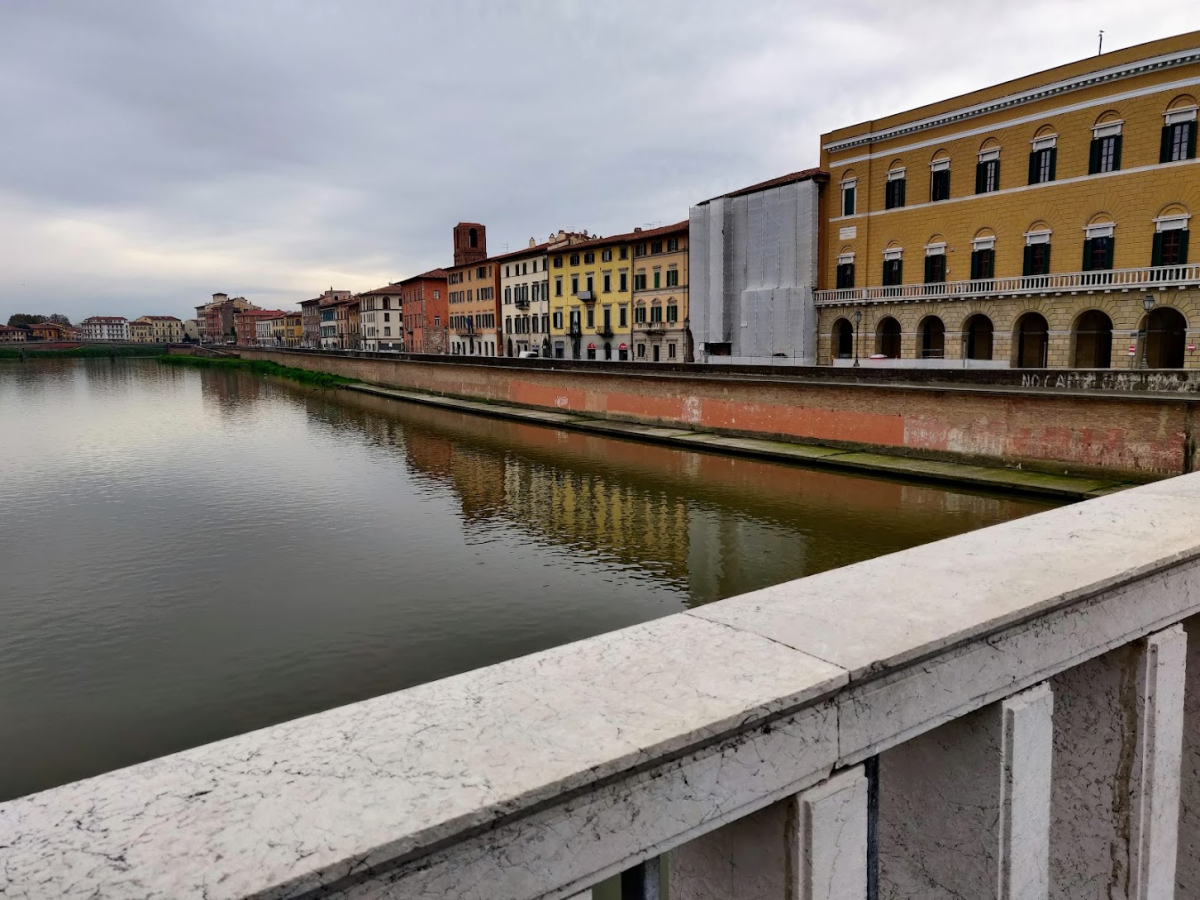
Begin at Ponte di Mezzo and choose one bank for the outward walk and the other for the return. West towards Santa Maria della Spina gives a compact architectural loop; east towards San Matteo and Palazzo Lanfranchi creates a longer walk with a museum option. Crossing every bridge adds distance without necessarily improving the experience.
Photographers can make a daylight reconnaissance and return for softer light; a riverside photograph is easier when you have already identified a safe pavement position. Leave space for people to pass and avoid lowering equipment onto the roadway. See Photo Spots for individual compositions.
Connect university lanes, Cavalieri and Borgo
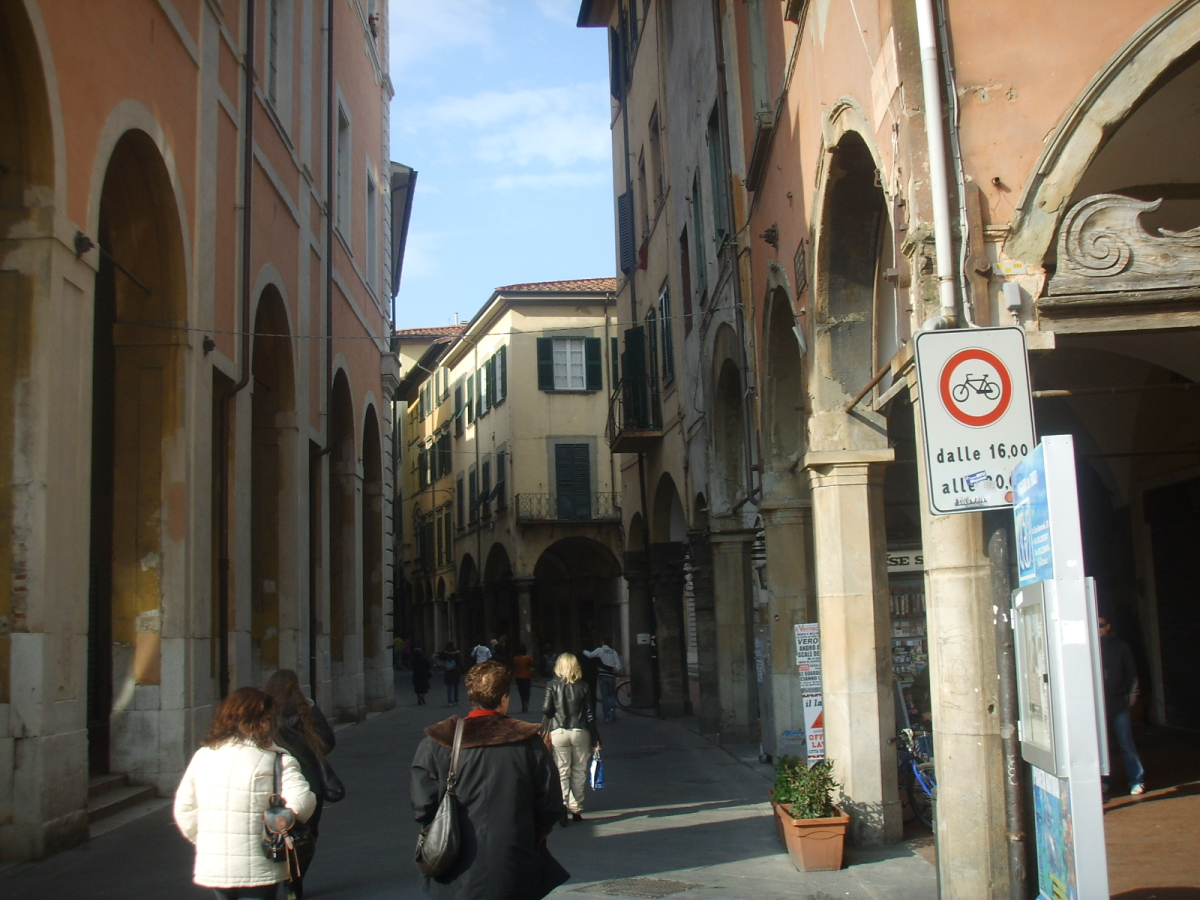
Walk from Piazza dei Cavalieri towards San Frediano, then continue through the lanes to Borgo Stretto. The pleasure is in the change of scale: formal façades give way to arcades, cafés and everyday shopfronts. This is a good self-guided alternative to filling every spare hour with another ticket.
Keep the route flexible and treat university buildings as working institutions. Where access is closed, the public exterior remains the experience; do not follow someone through a controlled door for a photograph. Pair the walk with a coffee stop rather than rushing directly between famous sights.
See the city from the medieval walls
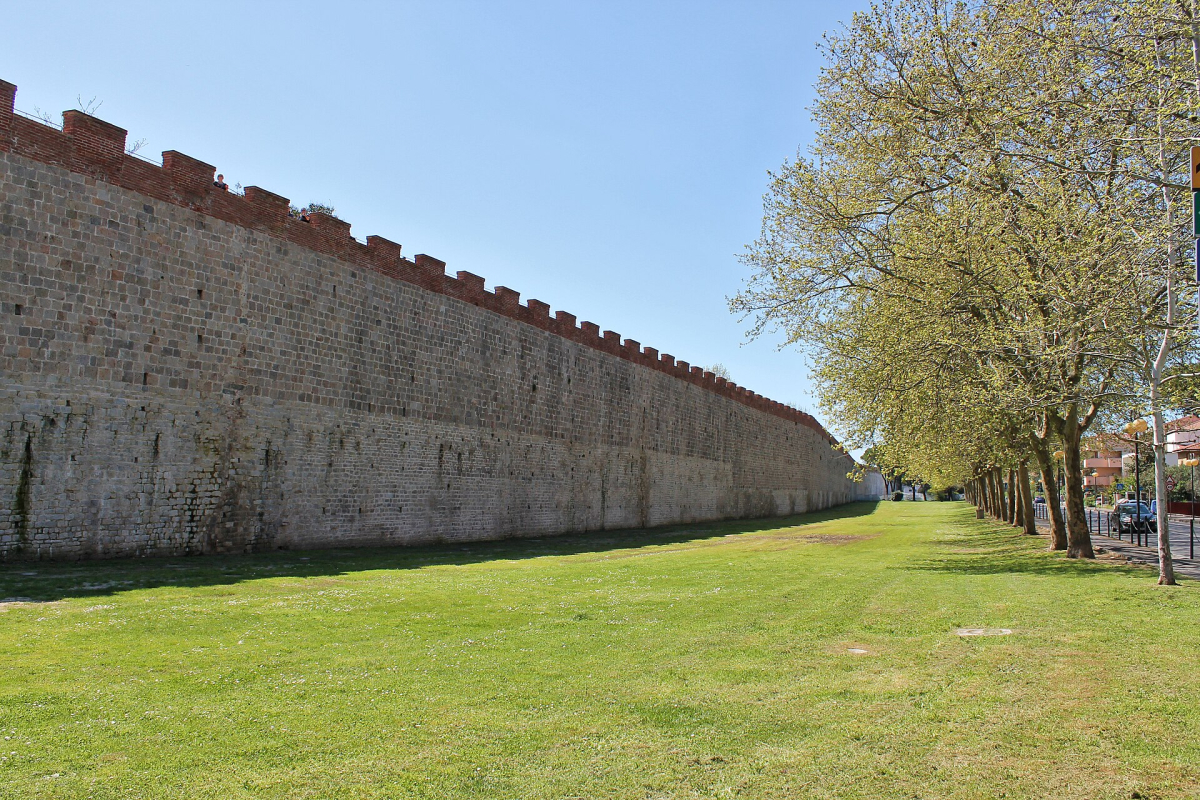
Choose an entry and exit from the operator’s current access list. A wall walk is most useful when it finishes near your next neighbourhood; walking the full available route and retracing it doubles the effort. It is exposed, so bring sun protection and a water bottle.
Wind and rain can close the route. Travellers needing a lift should confirm the appropriate entrance, functioning equipment and usable section in advance; the staircase by the monumental square is not a universal accessible starting point.
Make space for a family garden break
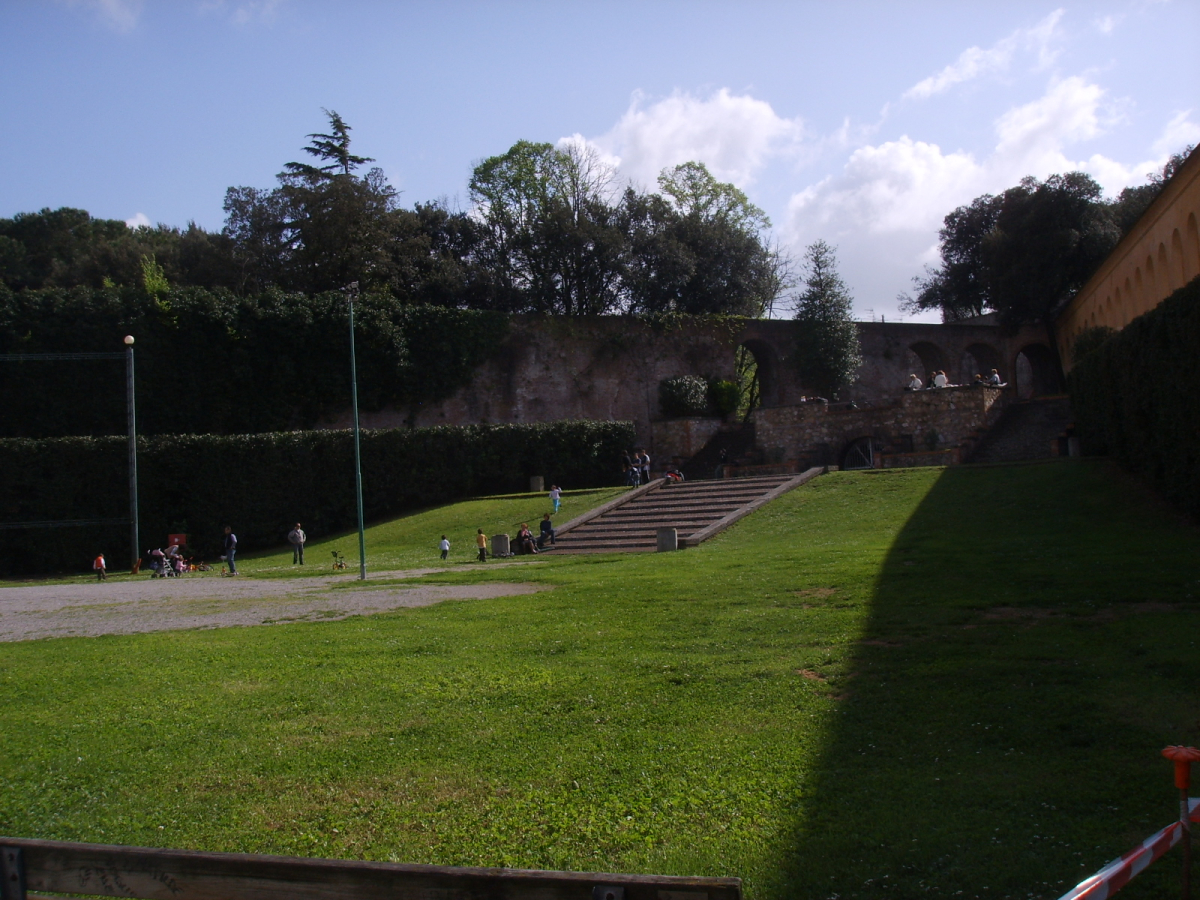
For younger children, alternate one focused visit with time outdoors. Giardino Scotto gives a south-bank break away from the tower circuit; the Botanical Garden provides plant interest near the university. Neither should be used as a promise that every path, play feature or facility is suitable for every age.
Children who do not turn eight in the calendar year cannot climb the tower. If older siblings want to climb, agree where the other adult and younger children will spend that slot, allowing time to regroup. The Botanical Museum building has a temporary closure notice, so plan the garden and an indoor alternative separately.
Build a half-day around one collection
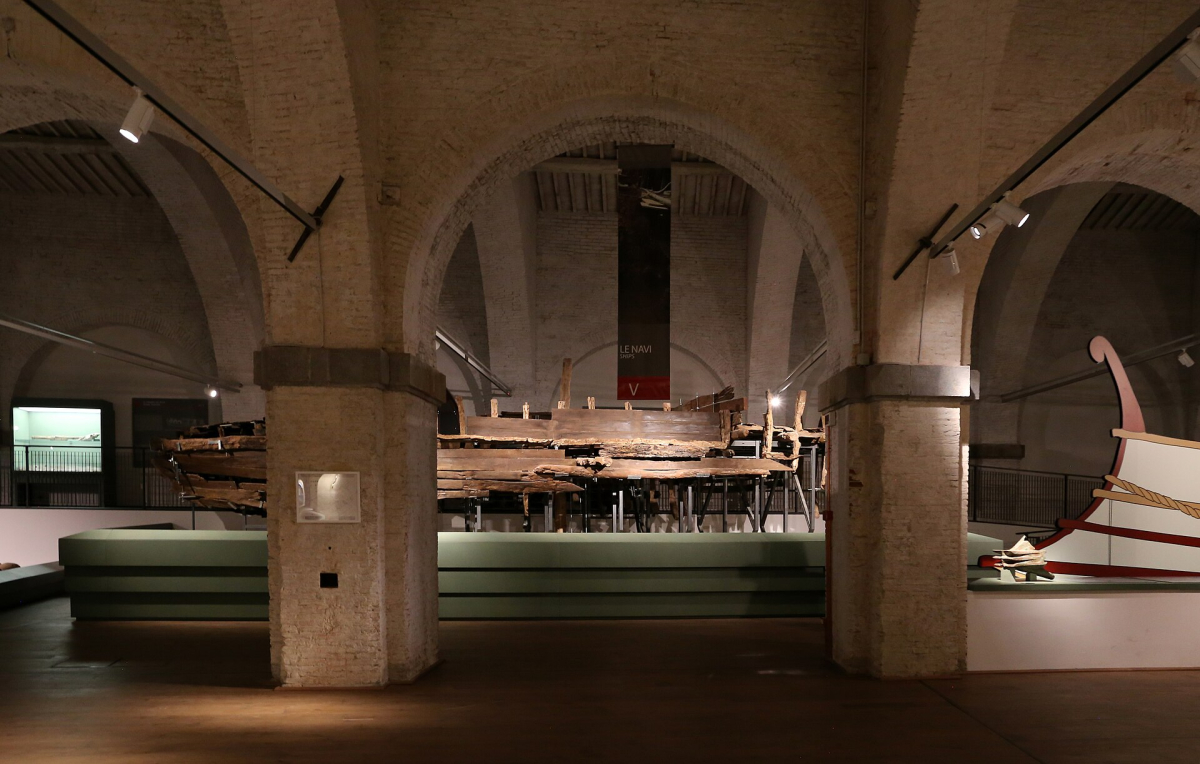
Choose a theme and give it room: maritime archaeology at the Ancient Ships Museum, medieval art at San Matteo, or the cathedral’s sculpture and history at the Opera del Duomo Museum. Read current notices first, then choose a nearby lunch and a short walk; this creates a coherent half-day instead of a hurried museum tally.
For a rainy day, check actual opening hours and last admission before leaving your hotel. A garden or elevated wall route is not a reliable bad-weather substitute, and a temporary exhibition may need a separate ticket from a permanent collection.
Parks & outdoor activities: choose the setting
For a short city break, use Giardino Scotto or the Botanical Garden. Choose the medieval walls for an elevated walk with weather and entrance checks, or the Lungarni for a public riverside route. San Rossore needs a separate outing with park-zone rules and a planned return; it is the nature option described below.
Plan San Rossore as a separate nature outing
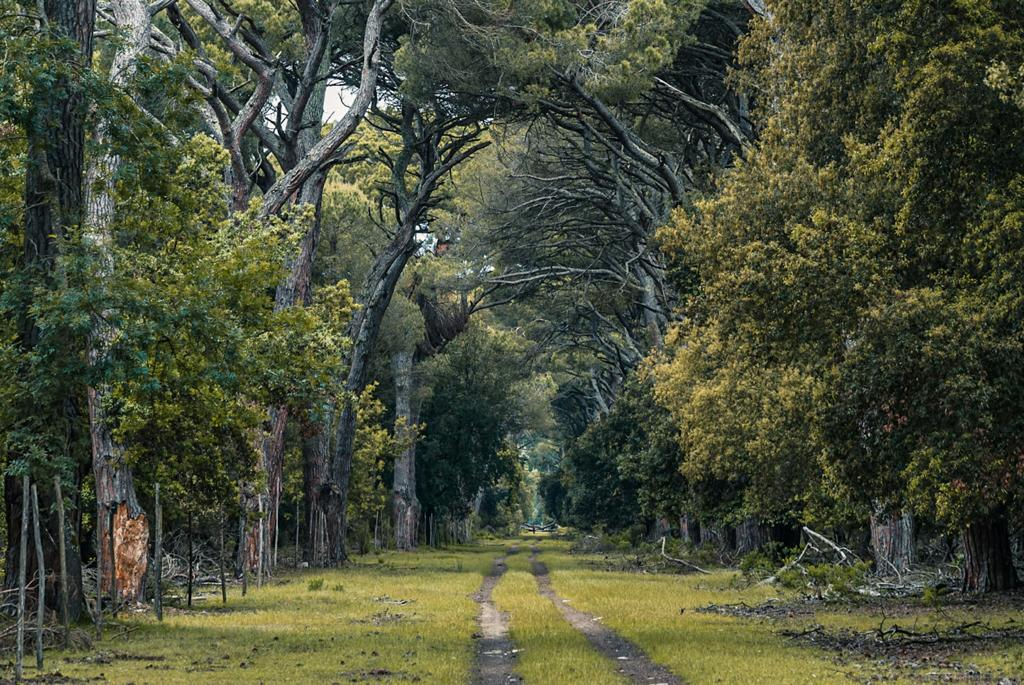
The estate belongs to a protected regional park rather than the city’s ordinary park network. Use the official zone guidance: green and yellow areas allow different forms of independent access, while the red coastal zone requires an authorised guided visit. You cannot simply continue along a forest track to an unrestricted swimming beach.
Book a guide where required and establish the return before starting. Weekend bus service is listed by the park, but this does not establish daily public transport for every gate or tour meeting point. Check closures and the season’s closing time directly: official pages have shown differing winter hours. For an easier short break, stay with a city garden.
Shopping: local gifts worth carrying home
Choose gifts by origin and usefulness. Torta co’ bischeri is associated with nearby Pontasserchio and Vecchiano; check its ingredients, freshness and packing before buying it for travel. Tuscan olive oil and wine can be useful gifts, but the label should name a producer and origin rather than relying on a Pisa skyline on the packaging. These are regional products, not all made inside the city.
For something lighter, look for an art or architecture book that relates to a place you have visited. The Blu Book bookshop lists Via Pietro Toselli 23; confirm opening and language availability. Museum shops are useful for exhibition catalogues, but access to a shop or a particular title should be checked independently of museum admission.

| What to buy or where to look | Who it suits · what to check |
|---|---|
| Torta co’ bischeri / local bakery products | Food gifts for a short journey. Check nuts, chocolate and other ingredients, storage and the use-by date. |
| Labelled Tuscan oil or wine | Travellers with suitable luggage. Verify producer/origin, secure packaging and airline and destination import rules. |
| Books and museum catalogues | Readers and architecture lovers. Check language, edition, weight and whether a temporary-exhibition catalogue is still stocked. |
| Corso Italia and Borgo Stretto | A convenient shopping walk through the centre. Compare individual shops; a historic street does not make every item locally made. |
| Via San Francesco | A more exploratory shop walk: the municipal itinerary notes specialist and independent businesses. Check each store’s current hours. |
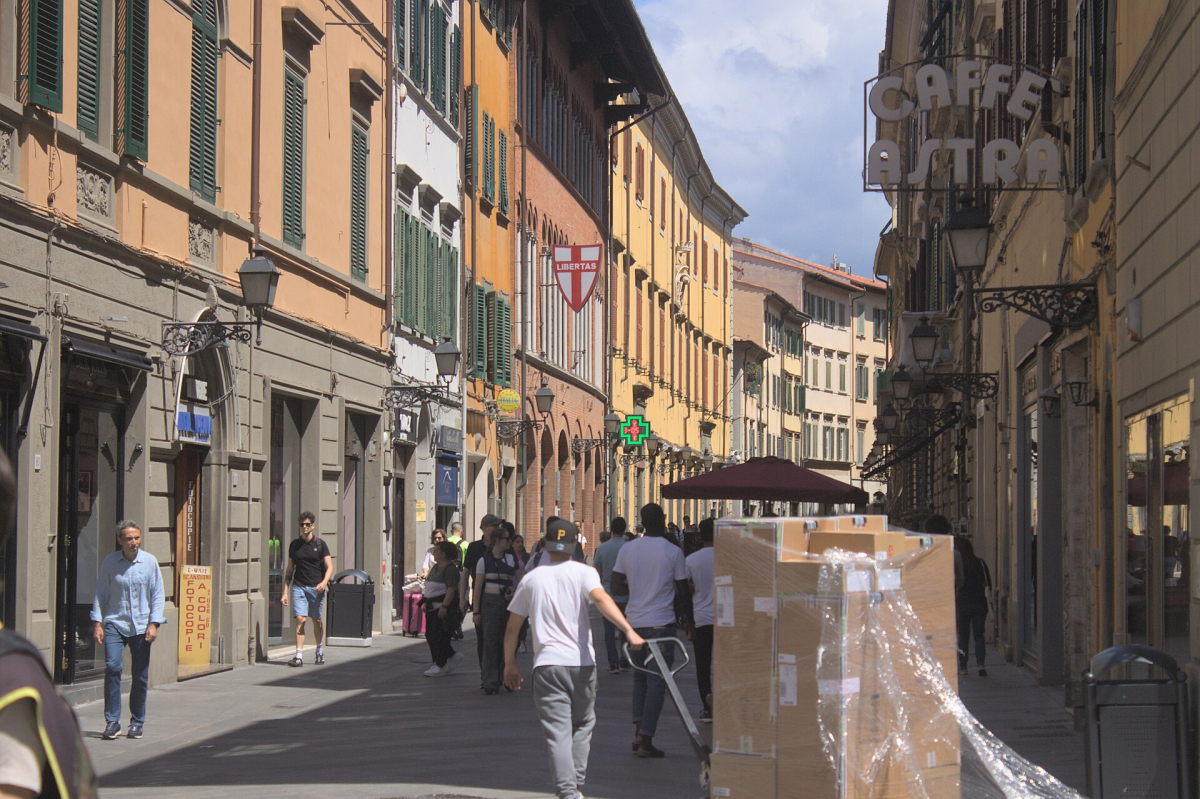
Follow Corso Italia from the station side, cross Ponte di Mezzo for Borgo Stretto, then extend towards Via San Francesco only if shopping is a priority. Piazza delle Vettovaglie is an atmospheric market-and-shop area, but opening patterns and stall types vary; do not promise a specific food market every day. For a verified shop with a different purpose, Il Chicco di Senape lists its fair-trade store at Piazza delle Vettovaglie 18. Fair trade does not mean that the products are made in Pisa.
Buy liquids only after checking cabin-bag limits and your destination’s food and alcohol rules. Fragile ceramics need proper packing; ask who made an item before treating it as a local craft. A small gift bought with a clear origin is more useful than an expensive object sold with an unverifiable heritage story.
Frequently asked questions
What can I do in Pisa without climbing the tower?
Walk the river and university lanes, visit a museum, choose a garden break or use the walls if their access conditions suit you. Each offers a different pace from the tower climb.
Is Pisa suitable for young children?
A short itinerary with breaks works better than a continuous monument circuit. Check the tower age restriction, garden closures, toilets and the exact route for your buggy or mobility needs.
What is a useful souvenir from Pisa?
A book connected with a museum or monument, a properly labelled regional food product, or a freshly packed local sweet can be useful. Check origin, ingredients and luggage/import restrictions.
Can I walk through San Rossore to the beach?
The protected red coastal zone is subject to guided access rules. It is not an unrestricted route to a public swimming beach.



