
ITALY · PISA GUIDE
Responsible Travel in Pisa: Heritage, Nature & Local Life
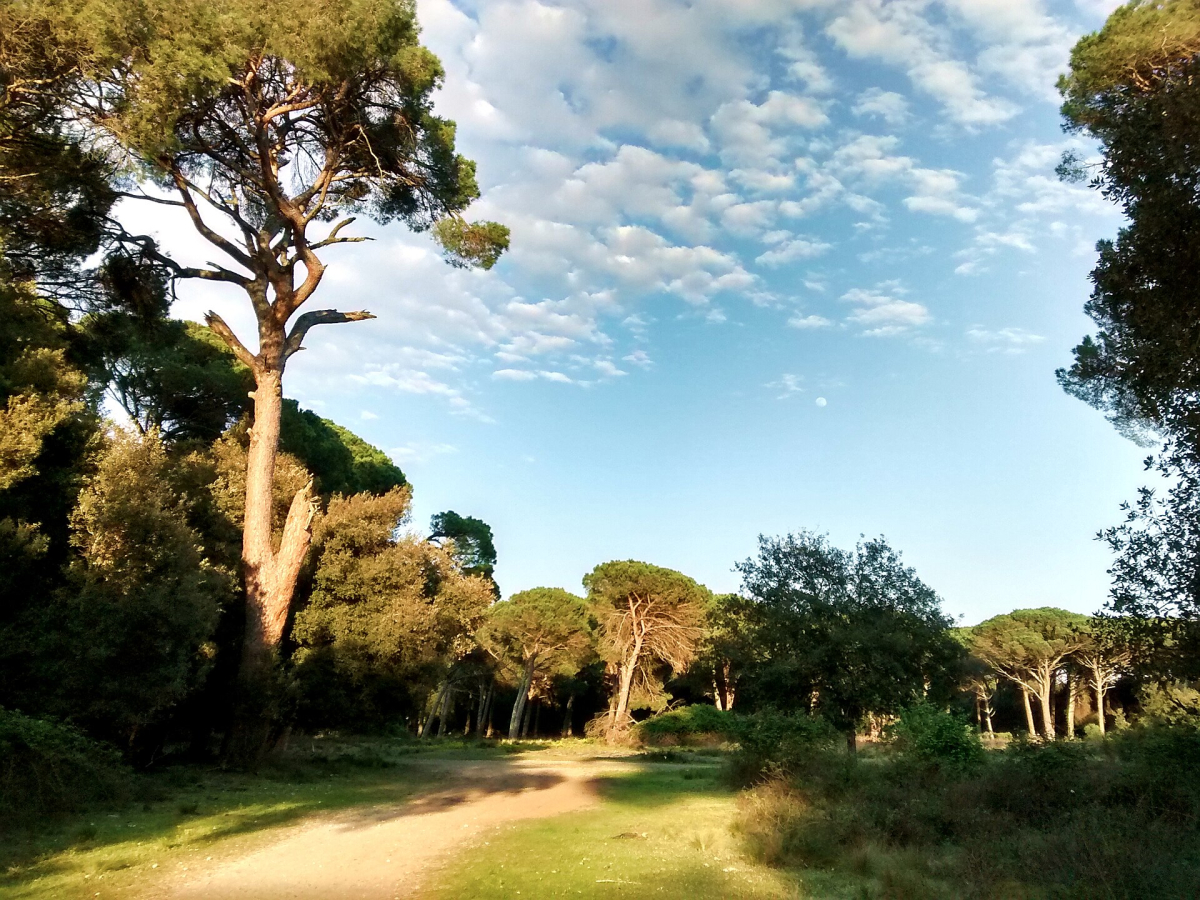
Responsible travel in Pisa is practical: keep the monument setting usable for other visitors, respect working university and residential streets, and understand the protected coast before entering it. The best choices depend on the actual journey and place rather than a generic green label.
Care for the cathedral square and living city
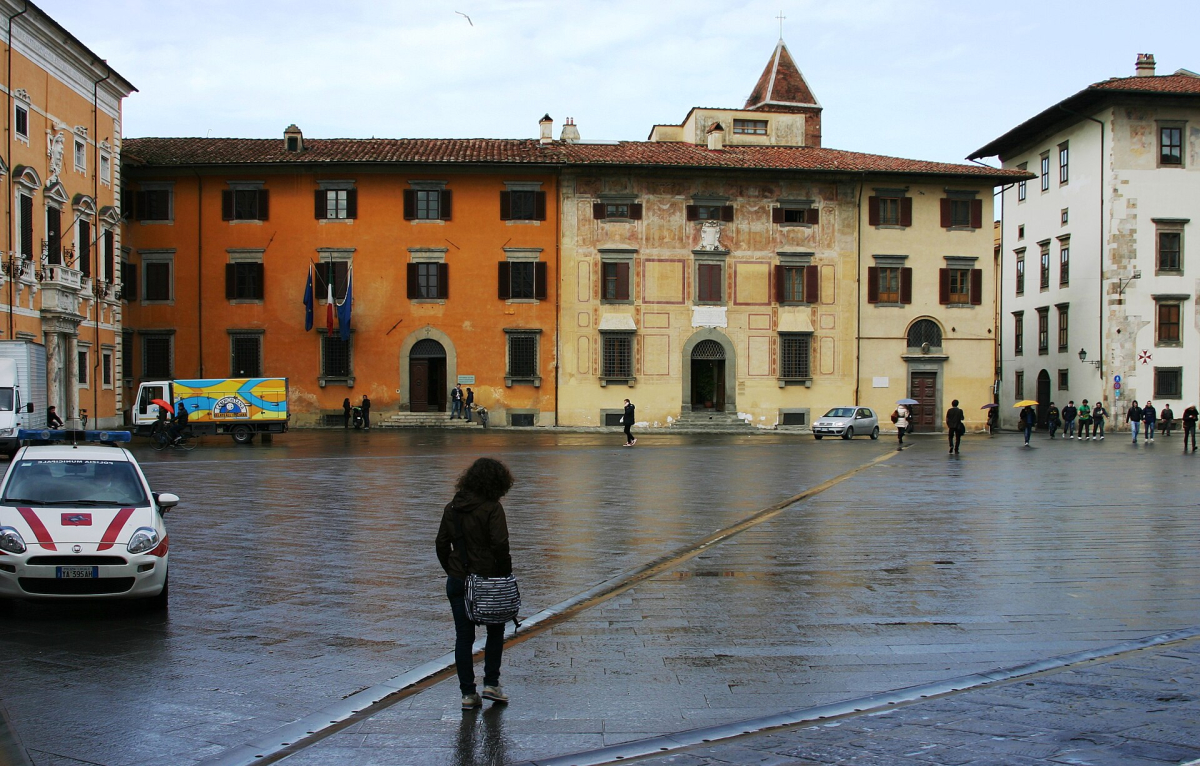
Follow the signed boundaries around the monuments and lawns. Do not climb barriers or put equipment on stonework for a photograph. The cathedral and smaller churches remain places of worship; keep quiet during services and follow the posted photography and dress rules.
University buildings and residential courtyards are not automatically visitor spaces. Keep doorways and narrow lanes clear, ask before photographing an identifiable person at close range, and avoid blocking a shop or café while arranging a composition. The quieter lanes are part of everyday Pisa, not a set created for tourists.
San Rossore and the dunes
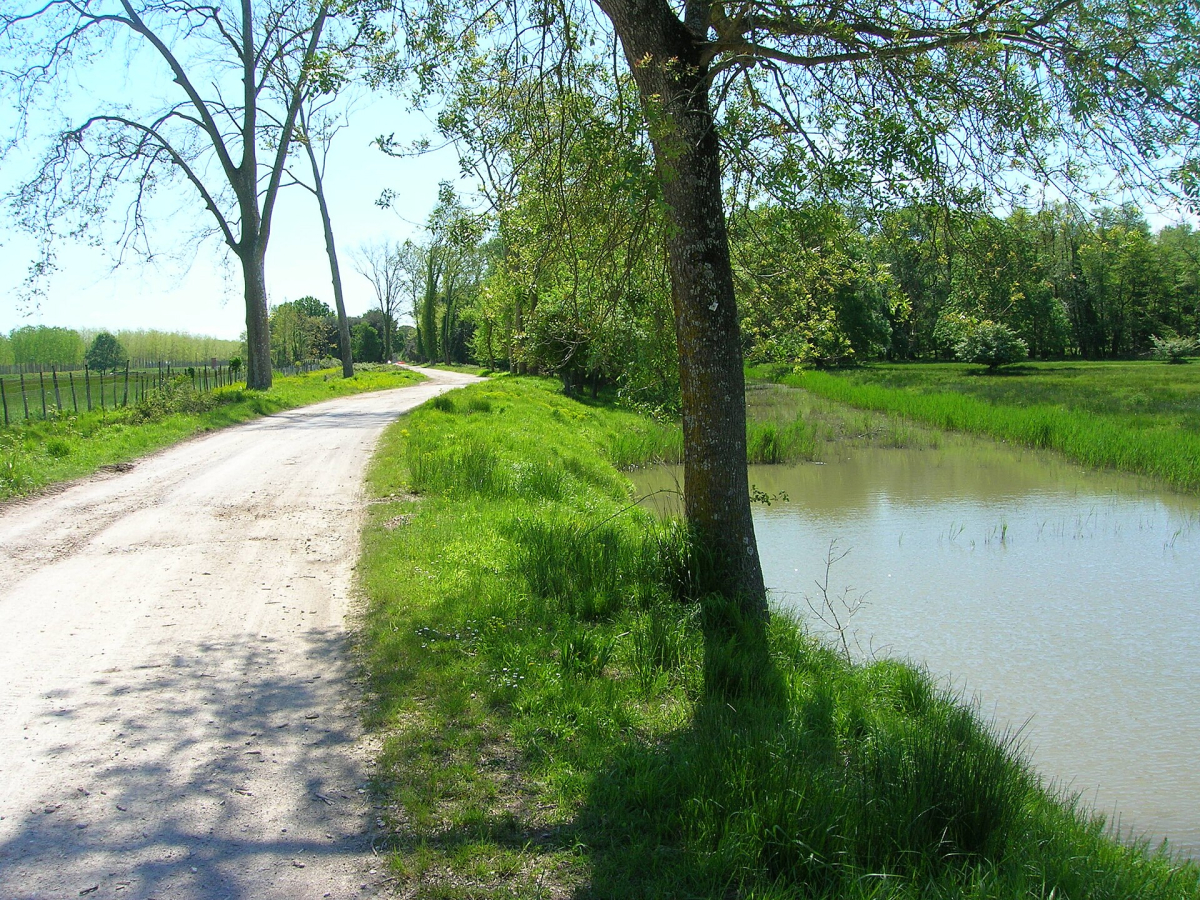
Use the park’s current zone guidance. The San Rossore Estate has areas with different access conditions; the red coastal zone requires an authorised guided visit. A route seen in an old photograph does not grant access, and a forest track is not permission to reach the shore.
Stay on permitted trails, do not disturb wildlife and take waste out. Confirm current dog and fire rules directly because official summaries have differed and restrictions can change. At public coastal areas, use established paths across dunes rather than creating shortcuts. A natural beach remains a fragile place even where access is allowed.
Choose transport for the actual trip
For the centre, walking, an appropriate bus or a train-based arrival can reduce the parking and restricted-traffic complications of a car. Cycling works where routes and local rules allow; dismount in crowded pedestrian spaces and secure the bicycle without obstructing access.
A rural onward journey may justify a rental car. Choose it for that leg rather than keeping it idle through a city break, and confirm parking and authorised access. Lower-impact planning is still required to work for luggage, disability, family needs and the available service timetable.
Buy with clear origin and realistic claims
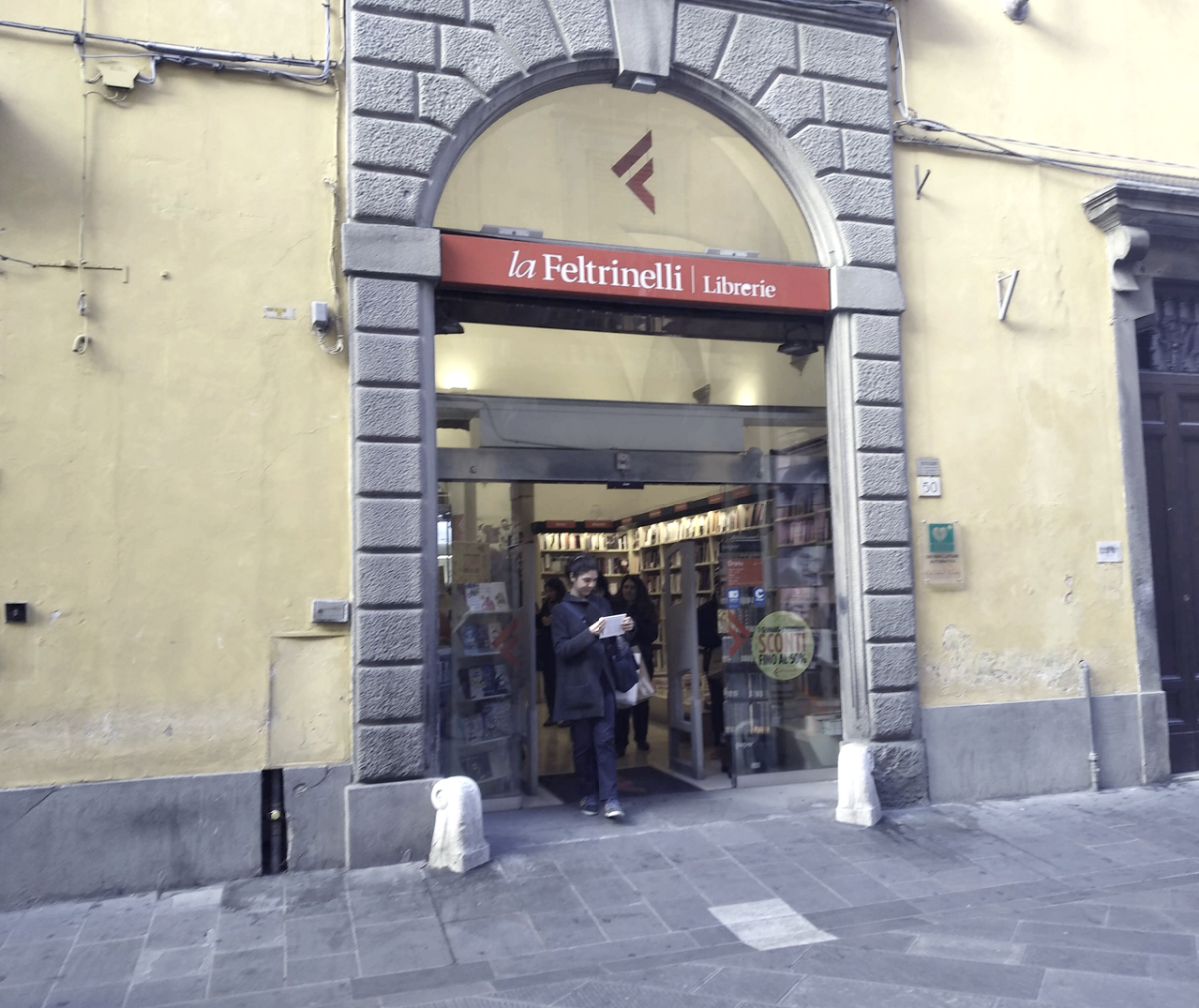
Ask who produced a gift and where it was made. A Pisa landmark printed on packaging is not evidence of local manufacture. A regional food product with a clear producer, or a book connected with a place you visited, can be a more meaningful purchase than an item sold with a vague heritage claim.
Use the shopping guide for product and route decisions. Fair-trade goods and local goods are different concepts: a shop can serve a worthwhile purpose without every item being made in Pisa. Avoid turning a business’s sustainability slogan into a verified certification.
A thoughtful stay without extra burden
Use water and cooling sensibly, separate waste according to the accommodation’s actual instructions, and check whether towel or linen changes are optional. Do not assume that declining a service changes a price or guarantees a measured environmental saving.
Keep evening noise down on the way back from the student squares, especially in narrow residential streets. Choose a hotel or apartment that suits your group’s practical needs, and ask specific questions about access and facilities rather than relying on broad labels.
Frequently asked questions
Can I freely explore all of San Rossore?
No. Different zones have different rules, and the red coastal zone requires authorised guided access. Check current park instructions and closures.
How can I avoid disturbing residents while photographing Pisa?
Use public areas, keep doorways and lanes clear, respect private and university access, and ask before close photographs of identifiable people.
Does a souvenir with a tower image count as locally made?
No. Ask for the producer and origin. Landmark packaging alone does not show where an item was made.
Should every visitor avoid a car?
Choose transport that works for the real journey and access needs. A car is often unnecessary for the centre but can be useful for a rural onward route.



