
Sign in
For Photos4Travel editors and team members.
Hawaii · Travel essentials
Hawaii Travel Essentials: Reservations, Packing & Practical Planning
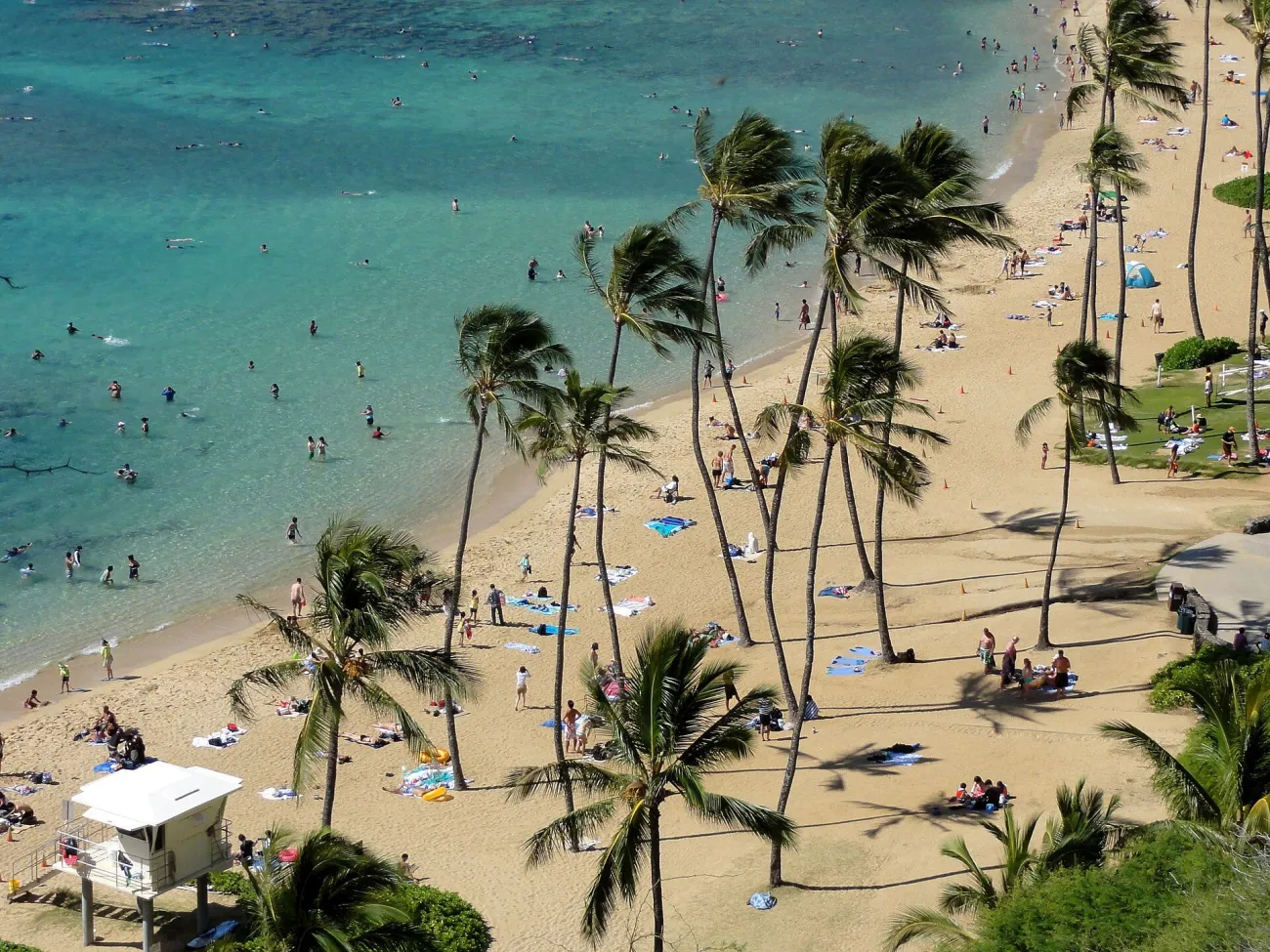

A well-planned Hawaii trip leaves some decisions open. Reserve the experiences with restricted entry, choose accommodation that fits the island's geography and keep space to move an ocean day when conditions change. The aim is not to schedule every hour. It is to remove the avoidable problems that can consume a short stay.
This page brings together the practical details that sit between booking a flight and enjoying the islands: reservations, family pacing, accessibility, packing and respectful travel. For entry to the United States, begin with our USA guide and current official requirements for your nationality.
Book the restricted experiences before filling the calendar
Some popular sites require a reservation separate from transport or admission. A hotel booking, rental car or paid tour does not automatically cover those arrangements. Check the specific site's official page and distinguish entry, parking, sunrise access and any overnight permit. Then read the time slot and cancellation terms before placing the rest of the day around it.
Swipe horizontally to compare the reservation checks.
| Experience | What to verify | Official starting point |
|---|---|---|
| Diamond Head / Lēʻahi | Nonresident entry and parking arrangements | State-park information |
| Waiʻānapanapa | Entry, parking and the actual time slot on your Hāna day | State-park information |
| Hāʻena | Day entry, parking or shuttle and current trail access | State-park information |
| Haleakalā sunrise | The separate vehicle reservation for summit entry from 3–7 a.m. | NPS sunrise planning |
| USS Arizona Memorial | Official program availability and ticket arrangements | NPS program information |
Save confirmation details offline and make sure the person named on a booking knows any identification requirement. If a plan depends on a particular site, secure it before booking an unrelated activity that could conflict. When no slot is available, choose a genuine alternative rather than treating roadside parking or a different entrance as a workaround.
Access can change after storms, independently of reservation availability. Check DLNR notices and the individual park's current information. In November 2026, some recovery notices contain conflicting reopening and older closure text; verify the specific route before leaving rather than assuming the entire park is accessible.
Pack for your activities, not only the beach
Start with light coastal clothing and the footwear needed for the routes you have chosen. Add a rain layer and a warm layer for mountain visits. Keep water, sun protection and a charged phone accessible on driving days. A small bag for dry clothing is useful when a beach visit is followed by a meal or a cooler journey back.
For Haleakalā or another high-elevation outing, follow the location's own preparation advice. Beach temperatures do not describe summit conditions. If an activity needs equipment, confirm what the operator supplies and what you must bring. This avoids buying unnecessary gear while also preventing the assumption that a tour price includes every item.
Before a flight between islands, check the current airline's baggage terms rather than assuming your overseas allowance carries over. Keep essential documents and medicines accessible according to the relevant travel rules and your clinician's advice. Clean shoes and outdoor equipment before using them in another natural area; moving soil and seeds between sites can harm fragile ecosystems.
Build a family day around one main outing
For children, the journey is part of the day's effort. A long coastal drive, a predawn mountain start and an unfamiliar boat trip can each be a major outing. Choose one as the anchor, then leave space for meals, rest and an easy return. Several exciting bookings can create a less enjoyable day than one activity with time around it.
Choose accommodation around the routine you expect to use: a nearby meal, laundry, a place for an early bedtime and a manageable route to the day's activities. Check room occupancy and sleeping arrangements directly. A family-friendly description does not tell you whether everyone can sleep comfortably or whether a room layout works for a child who naps.
Ask activity providers about age, size and participation requirements before booking. Confirm child-seat arrangements for transfers and a rental vehicle that fits both seats and luggage. For beach time, choose the day's conditions with lifeguard guidance; a beach described as popular with families is not a permanent swimming-safety guarantee. Our Hawaii safety guide covers those checks.
One island is a strong starting choice for a short family visit. Adding a second means another packing day, airport routine and accommodation transition. If the second island offers something central to your trip, give it enough nights to justify that effort. Otherwise, use the extra time for a slower rhythm where you already are.
Check the complete journey for accessibility
Accessibility needs to work from the aircraft to the room and from the room to the activity. Contact the airline, accommodation and transport provider with specific requirements. Ask about equipment dimensions, transfer assistance, step-free routes, bathroom layout and the distance from parking or drop-off. A general accessible label is a starting point for questions, not a complete answer.
The Hawaii airports' ADA information provides an official starting point for airport arrangements. For a guided outing, ask about the actual vehicle and boarding method, surface and gradients, toilet availability and whether everyone can stay together. If an operator cannot describe the route clearly, avoid making the booking depend on an assumption.
Beach access needs particular care. A car park or paved promenade may be accessible while the sand or water entry is not. Ask the relevant facility about current equipment and assistance, including whether advance arrangements are needed. Plan a shoreline experience that works even if water access is unsuitable. The view, a meal and a comfortable coastal walk can be worthwhile parts of a beach day.
Build recovery time into the itinerary and identify an alternative nearby. A remote attraction that is technically reachable may still be tiring when combined with a long drive. Choose bases and outings that fit the traveler's energy as well as their equipment, and obtain important arrangements in writing before departure.
Make respect part of the daily plan
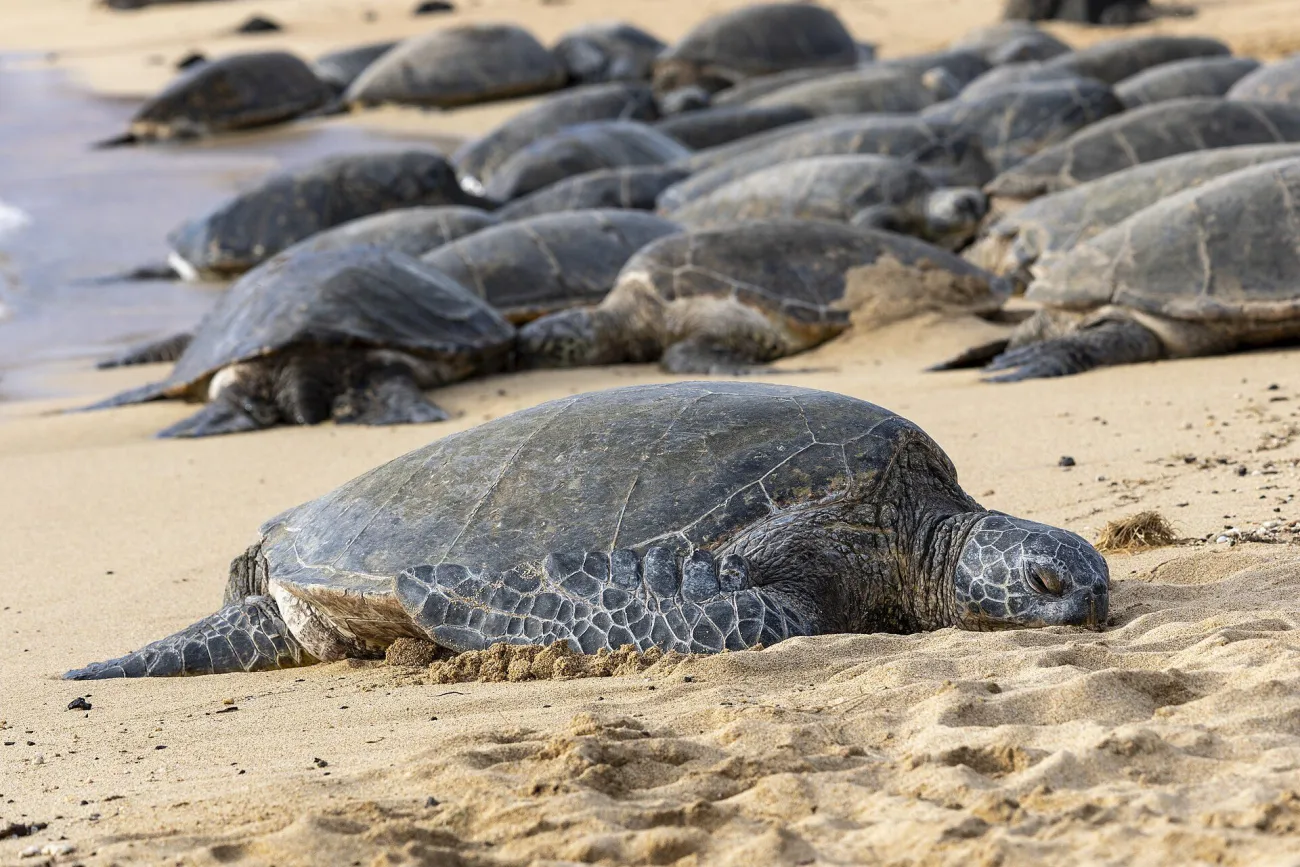

Hawaii is home to living communities and a Native Hawaiian culture with its own history, language and relationships to land and ocean. Learn from cultural practitioners and visit places where interpretation is offered. Ask before photographing people or entering areas that are not clearly public. A route described online as secret does not grant access to private or culturally sensitive land.
Stay on marked open paths, leave rocks and sand in place and take rubbish away. Clean outdoor gear between locations and give wildlife room. These are practical ways to reduce the effect of a visit; they matter more than attaching a sustainability label to an otherwise careless itinerary. Go Hawaii's responsible-travel guidance explains the connection between the landscape and local culture.
Choose permitted accommodation, use assigned parking and buy from local businesses. On rural roads, avoid blocking driveways or stopping unpredictably for a photograph. In communities recovering from disasters, follow signs and local guidance rather than turning damaged areas into sightseeing stops. If you want to volunteer, choose a real organization and check the task, age requirements and booking arrangements.
Shopping: ask who made it and where


A Hawaiian design and a product made in Hawaii are different claims. Read the origin label and ask who designed, made or grew the item. A locally owned shop can sell imported goods; a locally made object may use materials from elsewhere. Those distinctions help you choose the connection you actually want, whether a small artwork, clothing, coffee or another gift. Keep the maker’s name and receipt rather than relying only on a tropical motif.
Use the official Made in Hawaiʻi introduction to find makers and market resources, then check the actual market’s operating day. Ask a focused question about the product instead of assuming every stallholder made everything on display. Compare size, packing and care as well as price; a fragile object is a different purchase from something that fits easily in your bag.
Before buying edible or plant-based gifts, check the rules for your destination. USDA APHIS guidance for departures to the U.S. mainland, Alaska and Guam restricts many agricultural items and requires inspection. A shop purchase or gift label does not remove those requirements. Declare food, plants and relevant souvenirs, and leave time for inspection. For another country, check its import rules separately; permission to leave Hawaii does not establish permission to enter elsewhere.
Keep the first evening simple
Save the accommodation address, check-in instructions and transfer details before flying. Know how you will get dinner and enter the property after hours. Give yourself time to rest before a demanding drive or predawn activity. The first night works best when it supports the rest of the holiday rather than trying to prove you have already started sightseeing.
Travel Tip: Keep one shared trip note with accommodation addresses, the few essential reservations, transport contacts and official conditions links. Leave optional ideas in a separate list so a weather change does not feel like the whole itinerary has failed.
Hawaii travel essentials FAQ
Should I book every day in advance?
Reserve restricted entry and genuinely important experiences, then keep room for weather and rest. A full calendar can make a small change unnecessarily expensive.
Is Hawaii a separate visa destination from the USA?
Use the United States entry rules that apply to your nationality and journey. Check the USA guide and current official requirements rather than looking for a separate Hawaii visa.
Does an accessible hotel guarantee an accessible holiday?
No. Check transfers, the room's specific features and each activity's route and boarding arrangements as part of the same plan.
Is one island enough for a family trip?
Yes. A single island can offer a varied visit with less packing and airport time. Add another when it provides a clear benefit for your family.