
Sign in
For Photos4Travel editors and team members.
Hawaii · Airports & transfers
Hawaii Airports & Transfers: Choose the Right Island Gateway
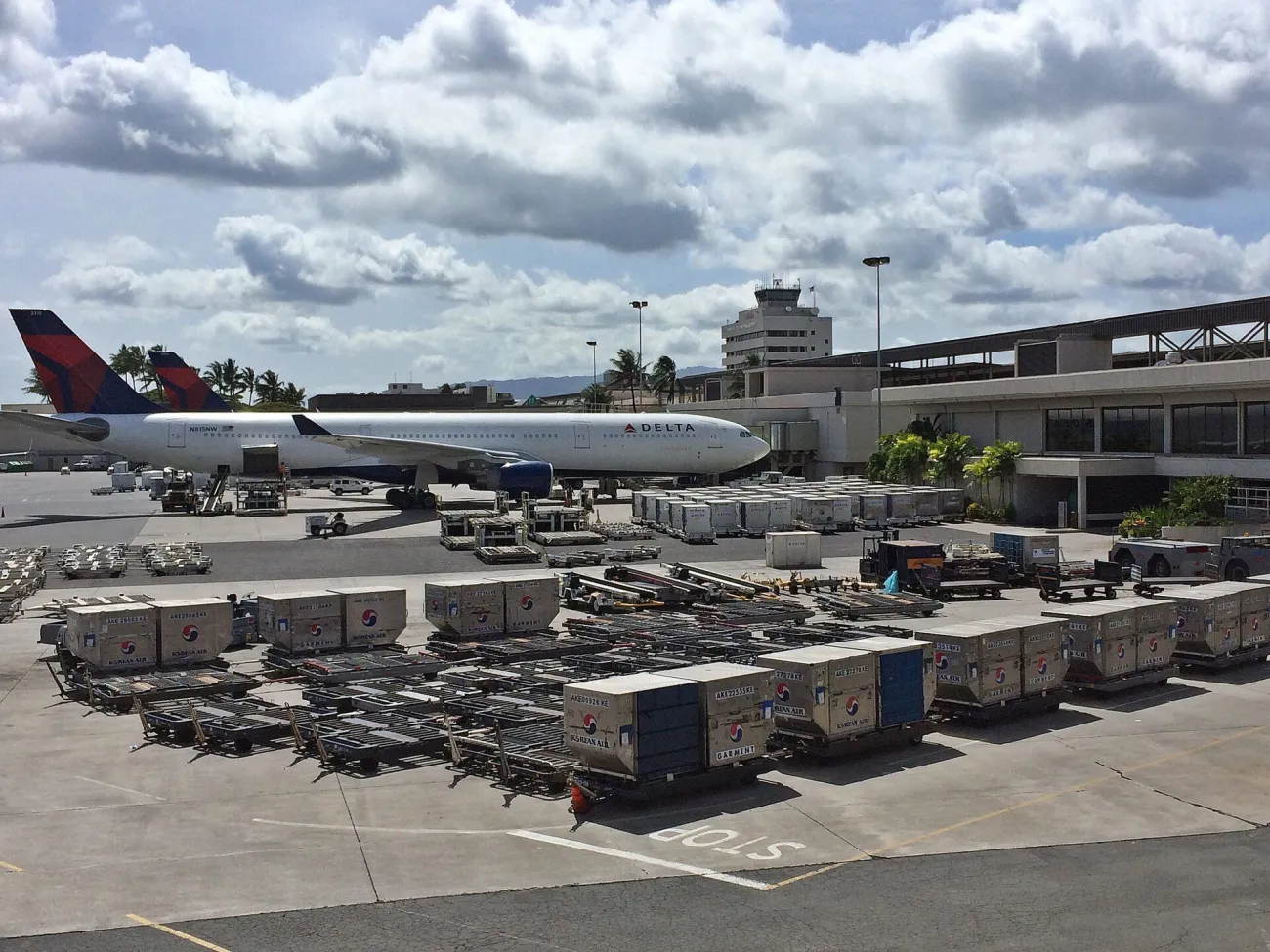

Choosing a Hawaii airport is part of choosing the holiday. Honolulu is on Oʻahu, not a convenient ground-transfer gateway to Maui. Kona and Hilo are on the same island but serve different sides of it. A bargain fare can become less attractive once you add an island flight, another rental-car pickup and a hotel night needed to make the connection comfortable.
Start with the island and your first accommodation, then compare airfares. This page covers arrival and departure decisions; use Getting Around Hawaii for transport during the stay and the USA guide for shared entry requirements.
Match the airport to the island and the first base


Compare the airport code on every flight and car reservation. A city name shown by a booking site can be less clear than the three-letter code, especially when search results mix nearby airports or connections. Check the itinerary in full before paying, including which flight crosses to another island.
Swipe horizontally to compare Hawaii's main visitor airports.
| Airport | Island | Planning use | Official information |
|---|---|---|---|
| Honolulu, HNL | Oʻahu | Honolulu/Waikīkī stays and many inter-island connections | HNL airport |
| Kahului, OGG | Maui | Main Maui gateway; compare onward transfer to your chosen coast | OGG airport |
| Līhuʻe, LIH | Kauaʻi | Check transfer separately for east, north or south accommodation | LIH airport |
| Kona, KOA | Hawaiʻi Island | West-side Kona/Kohala plans | KOA airport |
| Hilo, ITO | Hawaiʻi Island | East-side Hilo/Volcano plans; compare route availability | ITO airport |
HNL: useful for Oʻahu and connections, not obligatory for every trip
If your destination has a suitable direct flight, compare it with connecting through Honolulu. HNL's broad choice can be useful, but an extra flight also means more time and another possible disruption. For an Oʻahu stay, decide whether you need a rental car immediately or whether a prearranged transfer better suits your first few Waikīkī days. Hotel parking belongs in that calculation.
OGG and LIH: know which coast comes next
On Maui and Kauaʻi, the airport choice is often straightforward; the onward journey deserves more attention. Tell the transfer provider the exact accommodation address, not just the island. On Kauaʻi, north- and south-shore hotels are not interchangeable transfer destinations. On Maui, confirm whether a quoted shuttle serves your particular West or South Maui property and whether it involves intermediate stops.
KOA and ITO: compare an arrival on one side and departure on the other
For a Hawaiʻi Island trip split between west and east, an open-jaw itinerary may reduce a return drive. Price it together with any car-return charge and the actual flights available on your dates. The airport pair alone does not make the itinerary better: a costly one-way rental or inconvenient departure can erase the benefit. Our Hawaii hotels guide helps connect the airport decision with your overnight stops.
Make an island connection a proper travel segment
A short flight still has airport overhead. Account for the first flight's arrival, baggage, any required inspection or immigration process, movement between terminals, security, boarding and the second airline's check-in rules. Ask the airline whether baggage is checked through; do not infer that separate reservations work like a single protected itinerary.
For independently booked tickets, consider what happens if the first flight is late. Can the next airline rebook you, and on what terms? Will the rental counter and accommodation still be available? Avoid planning a must-do paid activity straight after arrival on a second island. A relaxed evening and a clear next-day plan are more useful than a tightly timed first-night excursion.
Go Hawaii recommends arriving at least 90 minutes before an inter-island flight, but this is not a connection-time guarantee. Follow the current airline and airport advice for your journey, especially with checked bags, children, mobility assistance or separate tickets. Source: official inter-island planning information.
Choose a transfer by the whole arrival
Rental car
A car is useful when you plan to explore beyond the resort area, particularly on Hawaiʻi Island. Compare the complete rental terms, pickup location, operating hours and vehicle capacity. The smallest advertised car may not suit several suitcases and child seats. Keep flight details attached to the reservation where the provider supports that, and confirm late-arrival procedures rather than assuming the counter will remain open.
Taxi, rideshare or private transfer
Check the airport's current designated pickup areas, which can change with construction. For a private transfer, confirm whether the driver tracks the flight, where you meet, how long the waiting allowance lasts and what to do after a delay. Ask about child seats, wheelchair requirements and luggage before booking. A low headline price is not a complete quote if the vehicle cannot carry the group.
Shared shuttle or hotel service
A shared service can suit travelers who do not need a car on arrival. Compare departure frequency and the possible sequence of hotel stops. A hotel shuttle is only included when the property actually confirms it; “near the airport” does not establish a free pickup. For an early flight, ask whether the service runs at the hour you need and whether a reservation is necessary.
Public transport
Public transport needs a route-and-luggage check, not a blanket yes or no. Look at the stop, any transfer and the walk to the accommodation with the bags you will carry. On Oʻahu, consult TheBus for current routes, fares and baggage restrictions. A bus that serves an airport area is not automatically a convenient terminal-to-hotel service for every traveler.
Plan the first evening before the flight


Save your accommodation address, confirmation and transfer instructions offline. Know the check-in deadline and how you will enter if reception closes. If you arrive late, decide where dinner comes from without requiring an ambitious detour. Delay a major grocery shop or sightseeing drive until you are rested; fatigue is an avoidable complication on unfamiliar roads.
For accessible travel, contact the airline and ground provider about the complete chain: terminal assistance, luggage, transfer vehicle and hotel entrance. An accessible airport facility does not establish that a booked van or room meets your needs. Give specific equipment dimensions and transfer requirements where relevant, and ask for written confirmation.
Travel Tip: Keep one simple arrival note with the flight code, destination airport, hotel address, pickup instructions and a backup contact. Share it with everyone in the group so the plan survives a flat phone battery.
Protect the last day
Work backward from the airline's recommended arrival time, then add car return, transfer and traffic allowances. Avoid putting a remote beach, a long Hāna drive or a summit visit before a flight unless the margin is genuinely comfortable. A late checkout or luggage-storage arrangement may be a better use of the final day than trying to fit in one last distant attraction.
Hawaii's agricultural requirements also matter when departing with food, plants or souvenirs. Check the official airport agriculture-inspection guidance and the rules for your destination before buying items to take home. Do not assume that because a product is sold locally it can travel in your bag to every destination.
Hawaii airports FAQ
Do I have to fly through Honolulu?
No. Compare flights to your destination island. The best option depends on your departure city, travel dates and total connection time.
Are Kona and Hilo on different islands?
No. Both are on Hawaiʻi Island, on different sides. Choose according to your bases and compare the car-return arrangements if using both.
Can I book a very short inter-island connection?
Check the airline's rules and whether the flights are on one reservation. Flight duration alone is not enough to judge a connection, especially with separate tickets or checked bags.
Should I collect a rental car on arrival?
Only if it suits the first part of your trip. Compare the pickup, hotel parking and planned driving with a transfer plus a later rental.