
Sign in
For Photos4Travel editors and team members.
Hawaii · Best time to visit
Best Time to Visit Hawaii: Weather, Surf & Island Choices
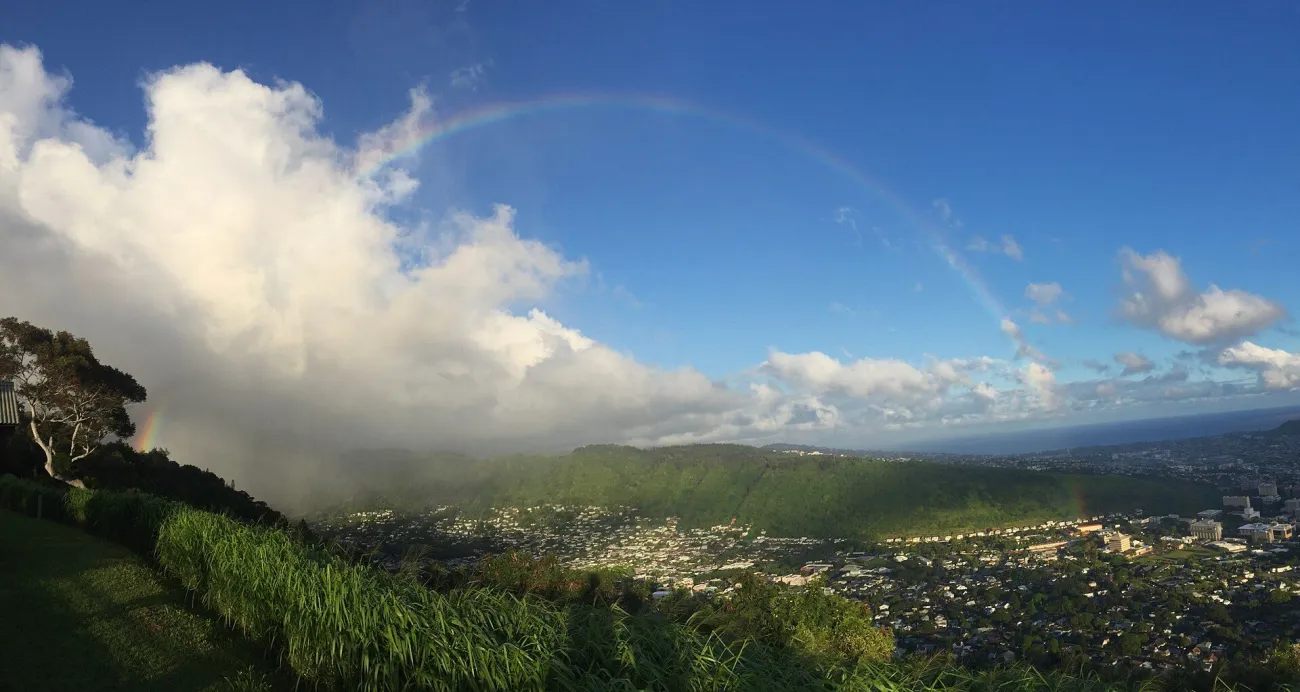

The best time to visit Hawaii depends on what you want the water, mountains and your budget to do. A winter week can be excellent for watching big surf from shore and disappointing for a beginner who expected to snorkel that same coast. A clear beach morning says little about the temperature at a volcanic summit. Choose your island and activities first, then choose a season.
This guide explains seasonal tradeoffs without pretending that one statewide monthly forecast describes six different islands. For daily decisions, use the National Weather Service Honolulu forecasts, local beach warnings and the current conditions for the particular park you plan to visit.
Choose a season around your main reason for going
Hawaii has a warmer summer and a cooler winter rather than four sharply separated seasons. Go Hawaii describes summer as May–October and winter as November–April, with the wettest months generally November–March. Those patterns help you choose; they do not guarantee the conditions on your travel dates. Treat shoulder-season recommendations as a balancing act between the activities you want, available rooms and the actual total price.
Swipe horizontally to compare seasons.
| Period | Why consider it | What to leave flexible |
|---|---|---|
| November–March | Cooler coastal days and a trip that can include winter wildlife or surf watching | Rain-sensitive hikes, boat trips and exposed north-shore swimming |
| April–May | A transition period to compare dates outside the busiest holiday weeks | Ocean plans and mountain visibility; neither follows a fixed calendar |
| June–August | Warm beach-focused trips and school-holiday travel | Popular bookings, sun exposure and south-shore swell |
| September–October | Warm-season travel with flexibility to compare islands and departure dates | Tropical-weather disruptions and any weather-dependent outing |
For a first visit with no single must-do, compare two or three date ranges rather than insisting on a supposed perfect month. Price the complete stay, including parking and resort fees. A cheaper flight can be a poor saving if it forces extra hotel nights or an inconvenient island connection. Our Hawaii travel costs guide shows how to compare the whole trip.
Pick the coast as carefully as the island


Trade winds and mountains create strong local contrasts. Windward slopes and valleys often receive more rain, while leeward coastal areas can be drier. Elevation changes the experience again. The NWS climate overview is useful for understanding that geography; a single airport temperature is less useful for packing for a summit walk.
Oʻahu: distinguish a beach stay from a whole-island forecast
A Waikīkī base can work well if your plans combine the coast, Honolulu and cultural visits. A windward-coast day may feel different from the weather outside your hotel. Decide the evening before which area suits the forecast, and check traffic and daylight before switching plans. An occasional shower is a reason to adjust a walk, while a severe-weather warning is a reason to change the outing itself.
Maui: beachwear is not a summit packing list
Keep Haleakalā and beach days as separate packing decisions. A sunrise reservation fixes your entry slot; it does not buy a clear view. Bring warm layers even when your resort feels hot. For the Road to Hāna, rain affects more than photographs: road conditions, streams and roadside stops matter. Avoid arranging a long mountain morning followed by an ambitious Hāna drive simply to chase different weather.
Kauaʻi: allow room to rearrange outdoor days
Choose a base by the areas you actually want to explore, then retain an uncommitted day for weather and access changes. Do not make a waterfall or exposed coastal hike the only meaningful activity on a short visit. Storm-recovery notices can also affect parks independently of the day's weather. Check DLNR park notices before leaving and avoid treating an old photo or published itinerary as proof that a trail is open.
Hawaiʻi Island: plan for distance and elevation
Kona-side beach plans, the Hilo side and the Volcano area need different clothing and time allowances. Trying to move across the island every time a rain icon appears can consume the day. A better approach is to group activities by region, carry a light rain layer and keep a local alternative. If volcano viewing is central to the trip, check park access and air quality as well as cloud cover.
Let ocean conditions make the final beach decision
The best coast for a photograph may be the wrong coast for swimming. Large winter swells can transform north-facing shores; other coasts also receive seasonal swell. A summer date does not make every beach calm, and a protected-looking bay can still have currents. Read signs, choose lifeguarded swimming areas and ask lifeguards about conditions before entering. The state ocean-safety site is a better planning tool than a generic list of “safe beaches.”
For snorkeling, give yourself more than one possible day and choose a backup that does not require entering the sea. Murky water, runoff warnings, high surf or a cancelled operator trip are reasons to change the activity. Moving a few miles along the coast does not automatically solve the underlying hazard. Our Hawaii safety guide covers the practical checks.
Build a forecast-friendly itinerary
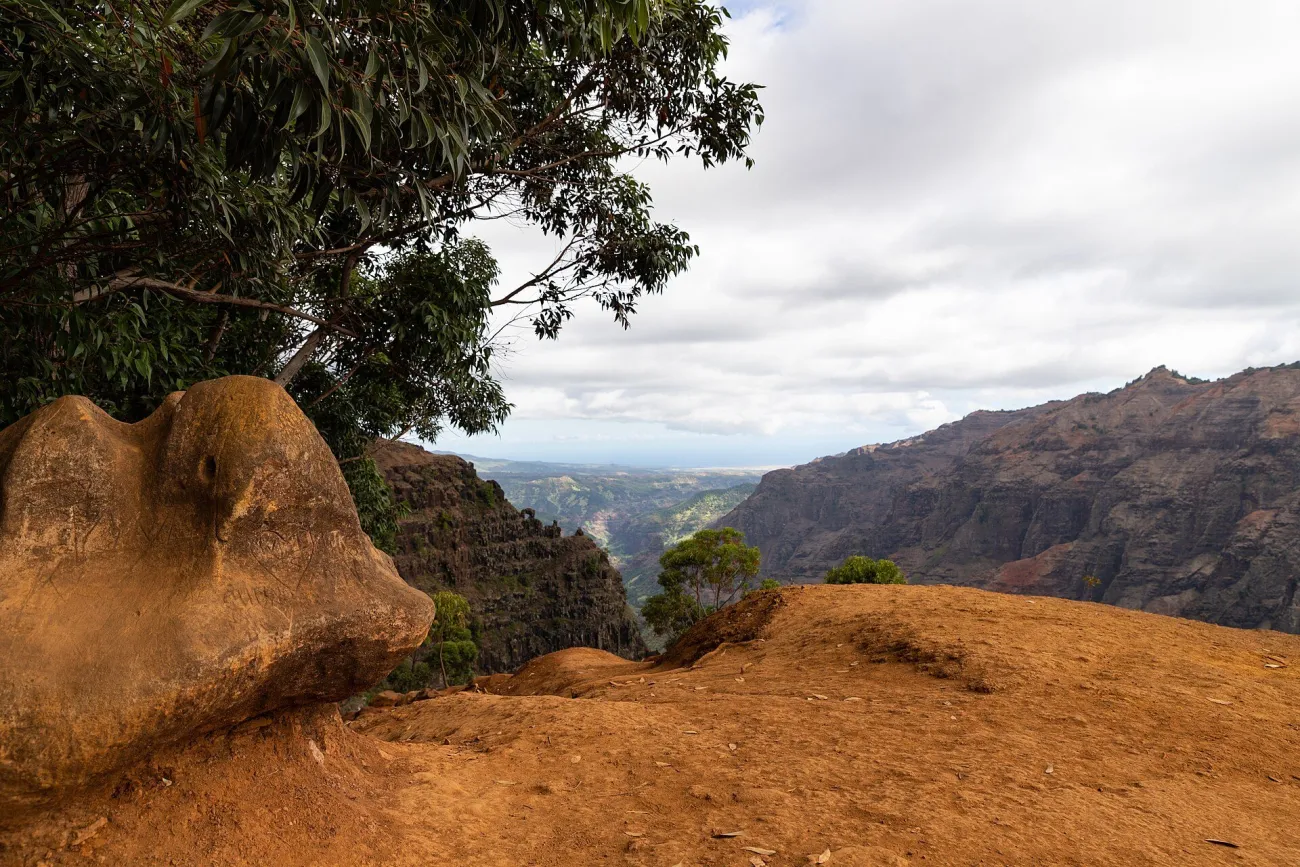

Reserve genuinely restricted activities first, then leave the surrounding days movable. Put a cultural visit, a town walk or an unhurried food day beside a weather-sensitive boat or hiking day. Avoid booking every afternoon in advance if the most important experience depends on the sea. A free day is useful capacity, especially when changing islands already takes part of a day.
Hawaii's Central Pacific hurricane season runs from 1 June to 30 November; tropical cyclones can occur outside that window. That is a planning consideration rather than a reason to assume a storm will affect your trip. Check official alerts as departure approaches and read the actual cancellation conditions for flights, accommodation and excursions. See the state guidance on weather hazards.
Travel Tip: Save the forecast for your destination, the park conditions page and an offline map before leaving your accommodation. When a route becomes unsuitable, choose an alternative in the same region rather than creating a rushed cross-island drive.
Pack for two different days
Start with light coastal clothing, sun protection and footwear suited to the walks you have chosen. Add a rain layer and a warm layer for higher elevations. A small day bag makes it easier to carry water, dry clothing and a charged phone without leaving valuables visible in a parked car. For a summit visit, review the park's own advice rather than assuming a light beach cover-up will suffice.
Keep wet-weather preparation practical: protect electronics, carry a dry layer and allow more time to return before dark. Do not make “getting the shot” a reason to cross a barrier or approach an exposed ledge. Weather can be part of the photograph without becoming a reason to ignore access restrictions. For location-specific planning, see our Hawaii attractions guide.
Hawaii weather FAQ
What is the driest month in Hawaii?
There is no single month that guarantees dry weather across the islands. Summer is generally drier, but coast, elevation and the particular weather system matter. Choose a suitable base and keep outdoor days flexible.
Is Hawaii worth visiting in winter?
Yes, if you plan around cooler weather, rain and changing sea conditions. Surf watching, food and cultural visits can complement beach time. Do not assume a beach known for summer snorkeling will suit swimming in winter.
Does rain all day show on the forecast mean a ruined trip?
Read the detailed local forecast and warnings. Showers can be localized, but widespread storms also occur. Make decisions from actual conditions rather than assuming every rain symbol is harmless.
Should I cancel Haleakalā if clouds are forecast?
Review current park conditions and the booking terms, then decide whether the mountain experience still suits you. Visibility is uncertain; a reservation does not guarantee sunrise views, and safety restrictions take priority.