
Sign in
For Photos4Travel editors and team members.
Hawaii · Things to Do
Things to Do in Hawaii: Six Experiences Worth Planning Around
The best Hawaii activities give you a way into the islands, rather than simply another place to tick off. Learn how to read a wave, hear a cultural practitioner explain a movement, or follow coffee from a growing tree to a cup. Choose a few experiences that fit your interests and the island where you are staying; leave the rest of the holiday room to breathe.
On this page · 8 sections ShowHide
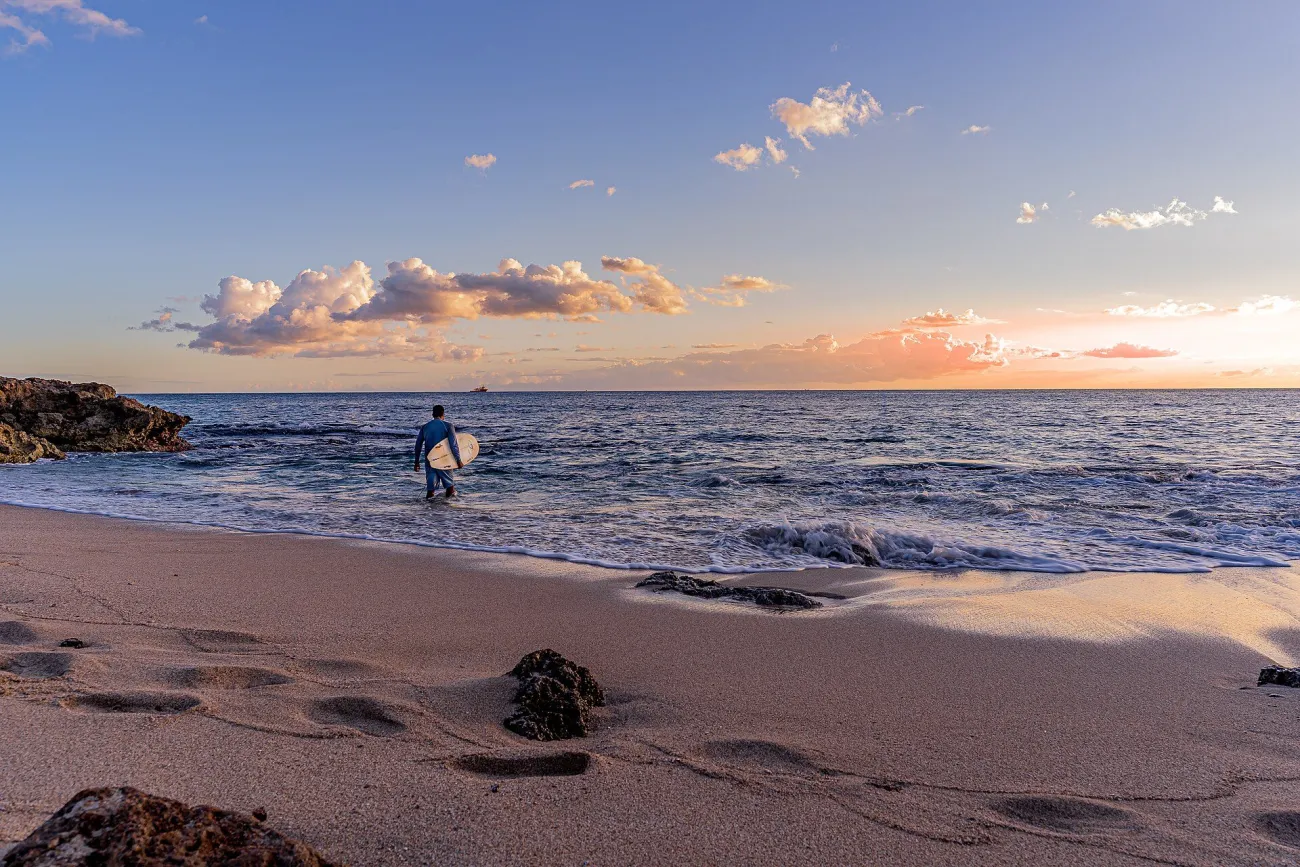

This is an experience guide. For choosing particular parks, monuments and viewpoints, use Hawaii Attractions. Here the decisions are different: guided or independent, beginner or confident participant, seasonal or flexible, and worth a dedicated day or better combined with something nearby.
Choose by the experience you want, not the length of the list
Pick one main outing for a day and consider its full demands. A short water activity may still need an early transfer and recovery time; an all-day drive deserves an uncomplicated evening afterward. If two people want different levels of activity, compare options that allow the group to enjoy the same setting without assuming everyone must participate.
Swipe horizontally to compare the experience choices.
| Experience | Choose it for | Key decision |
|---|---|---|
| Surf lesson | Learning a skill with an instructor | Swimming ability and lesson size |
| Snorkelling excursion | Understanding the underwater landscape | Confidence, sea conditions and the boat's arrangements |
| Whale watching | A seasonal wildlife outing | Travel dates, vessel and departure harbor |
| Coffee-producer visit | Seeing how a local crop becomes a product | Actual farm access versus a retail tasting |
| Cultural learning | Listening, participating and understanding | Class, performance or an ocean-based activity |
| Hāna road experience | A full day shaped by the journey | Self-drive flexibility versus a driver-guide |
1. Take a surf lesson that suits your ability
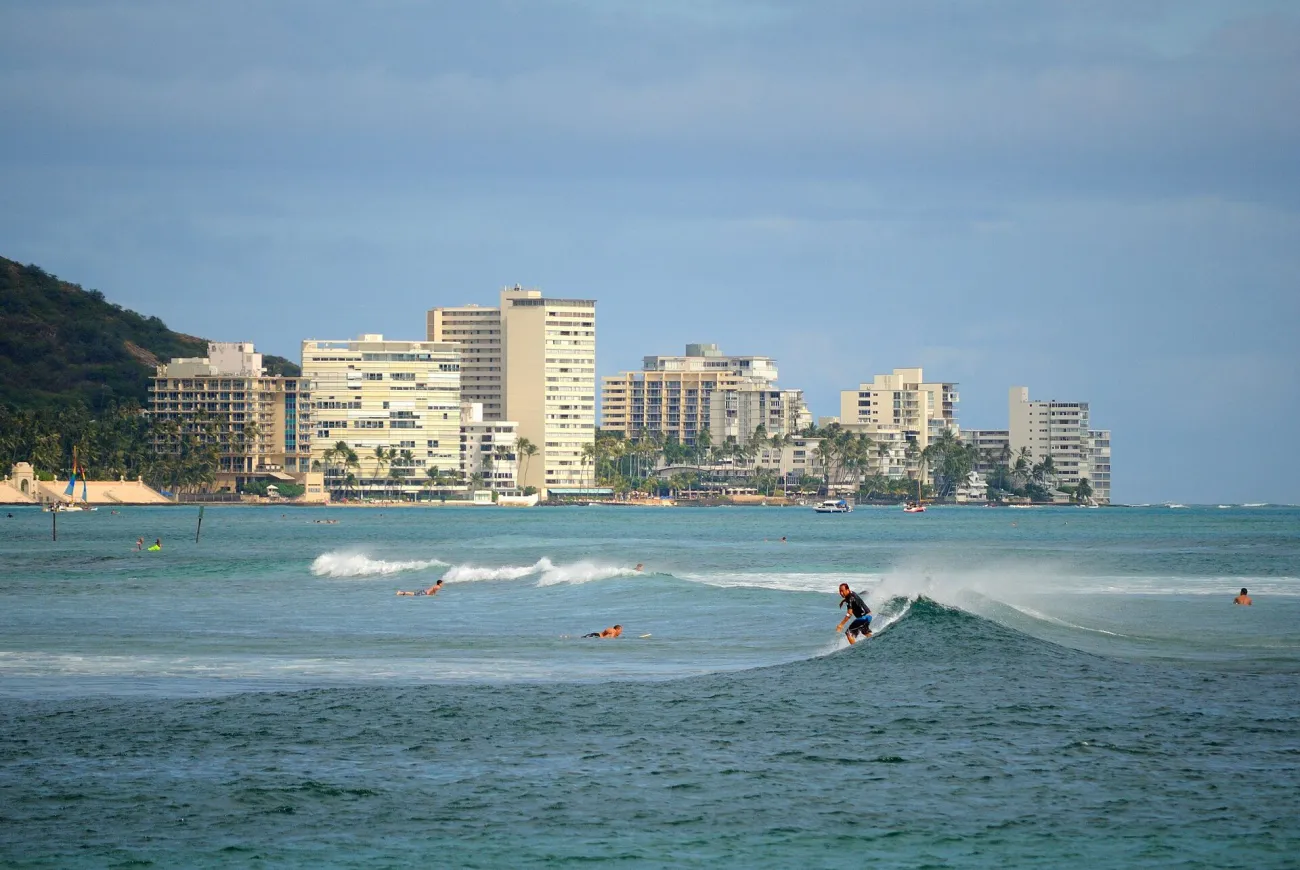

A first surf lesson is about learning how to move through the water and handle the board, not reproducing a photograph of an expert on a large wave. Waikīkī has established teaching operators, including Waikīkī Beach Services. Compare the instructor-to-student arrangement and the practical check-in location before choosing by price alone.
Describe your experience honestly. The provider's current FAQ requires its surf participants to swim at least 25 yards unassisted and be comfortable putting their head underwater. Other operators may have their own requirements. Check the actual participation guidance, including arrangements for children, rather than assuming “beginner” means suitable for a nonswimmer.
Ask how much of the session is instruction on land and how the instructor adjusts to the day's conditions. A private lesson may suit someone who needs more individual attention; a small shared lesson can suit friends of similar ability. Do not schedule a second demanding ocean outing immediately afterward. Leave time to rest and decide whether you want another lesson later in the stay.
2. Choose a snorkelling excursion for the support it provides
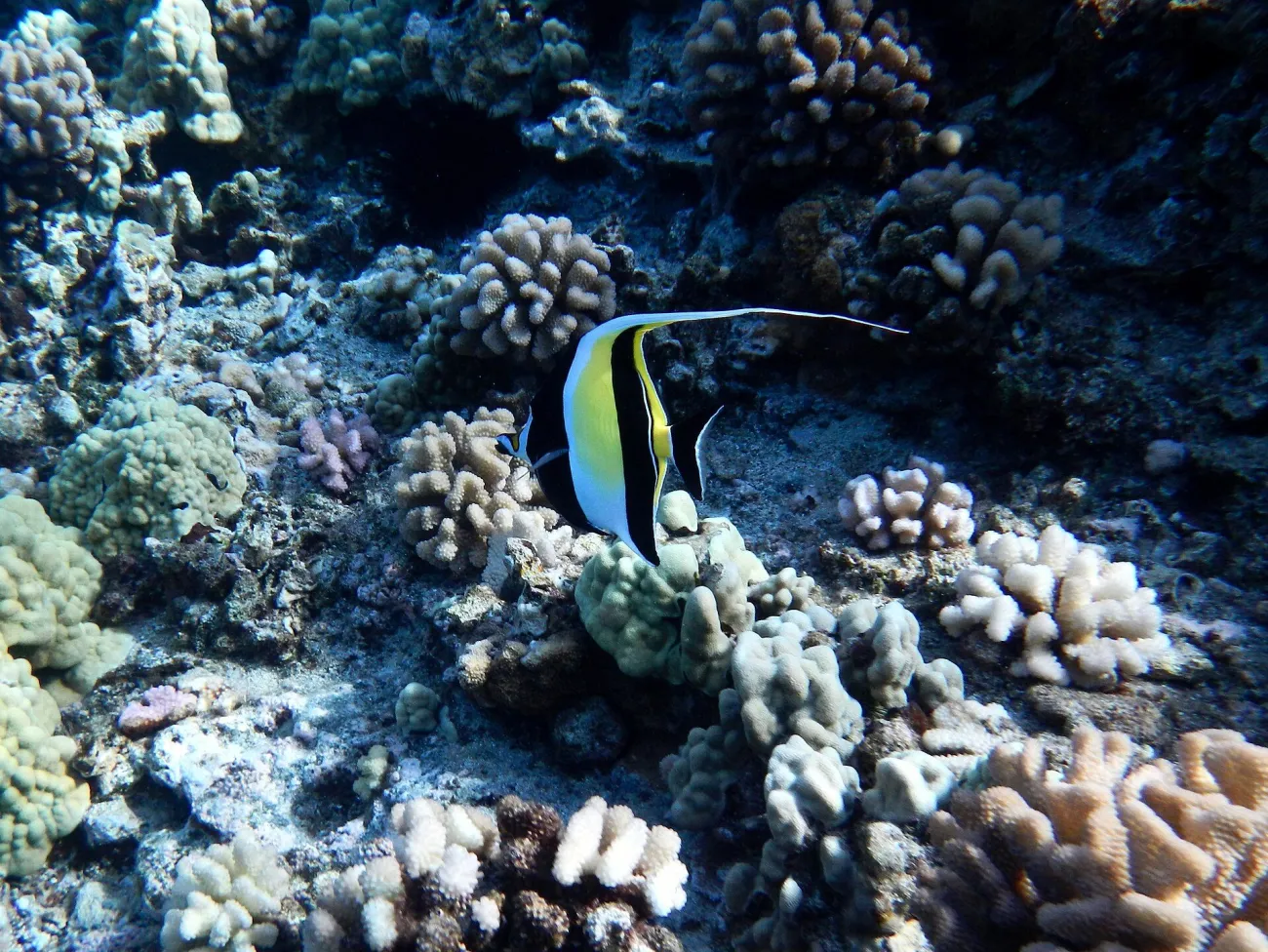

The useful question is not just which reef has the best photographs. It is whether the trip's support, water entry and expected conditions suit you. Compare how participants enter and leave the boat, what instruction is given and whether you can remain aboard if you decide not to swim. Tell the operator about your experience before booking.
On Maui, PacWhale's Molokini options illustrate why product details matter: different trips can combine different sites and levels of activity. Read the current itinerary and inclusions, then confirm the departure harbor. A famous destination name does not guarantee that the operator can reach it on your date or that its conditions will suit every swimmer.
Keep the sea decision separate from the sunk cost of a ticket. Listen to the crew, follow wildlife rules and do not touch the reef. A guided outing provides equipment and local judgment, not a promise of calm water or animal encounters. If conditions require a route change or cancellation, choose an alternative without trying to recreate the outing from an unfamiliar shore entry. Our safety guide explains the checks to make.
Turtle Canyon: an Oʻahu snorkelling option
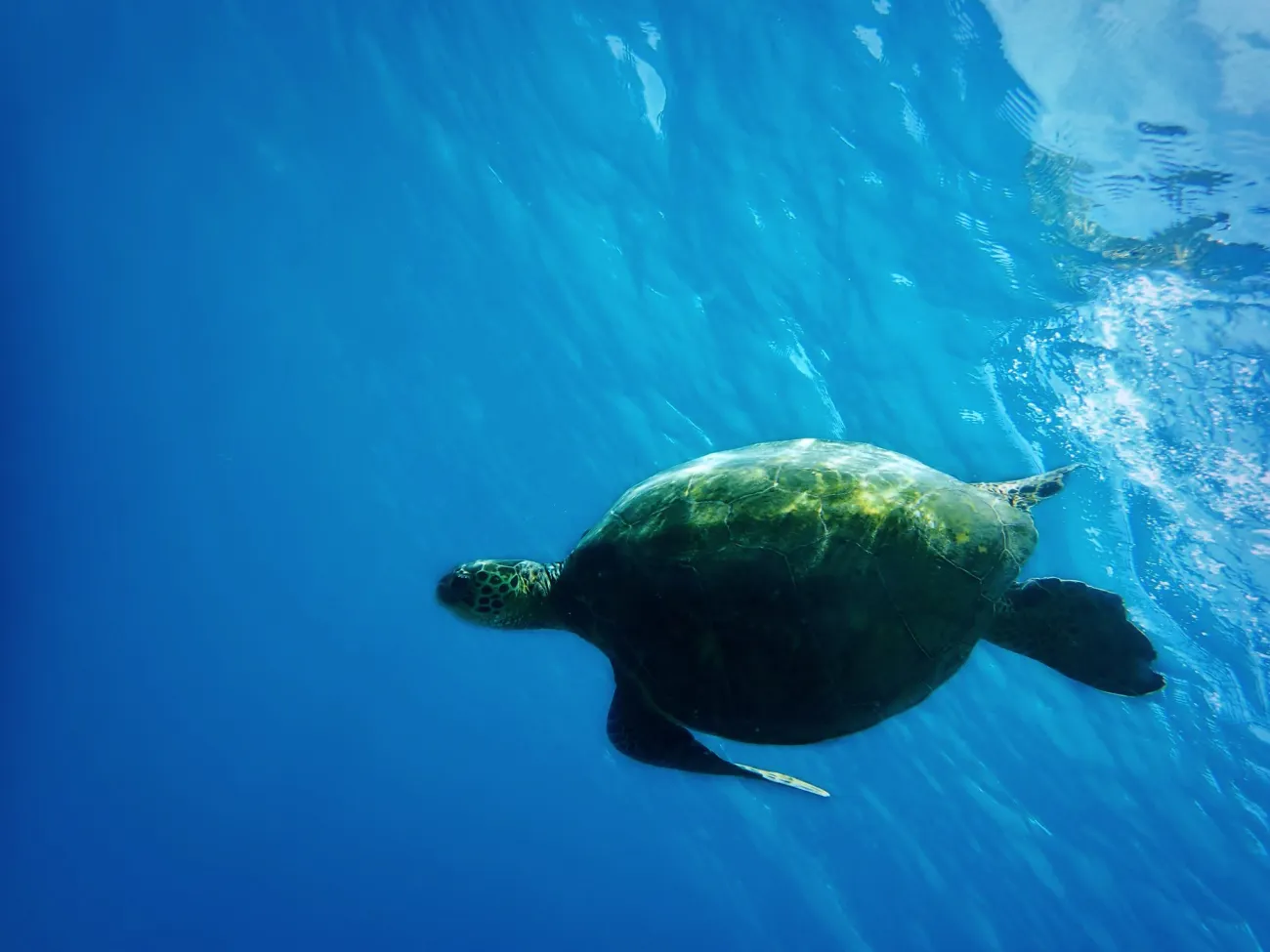
For an Oʻahu alternative, compare the Island Splash Tours Turtle Canyon outing. Its current listing includes equipment, flotation, soft drinks and guide support, and lists age and health restrictions. Check boarding and suitability before booking; the affiliate link opens a comparison page with this product listed. Wildlife encounters remain outside the guide’s control.
Compare Waikīkī snorkelling optionson GetYourGuide
We may earn a commission if you book through our GetYourGuide links.
3. Plan a seasonal whale-watching trip
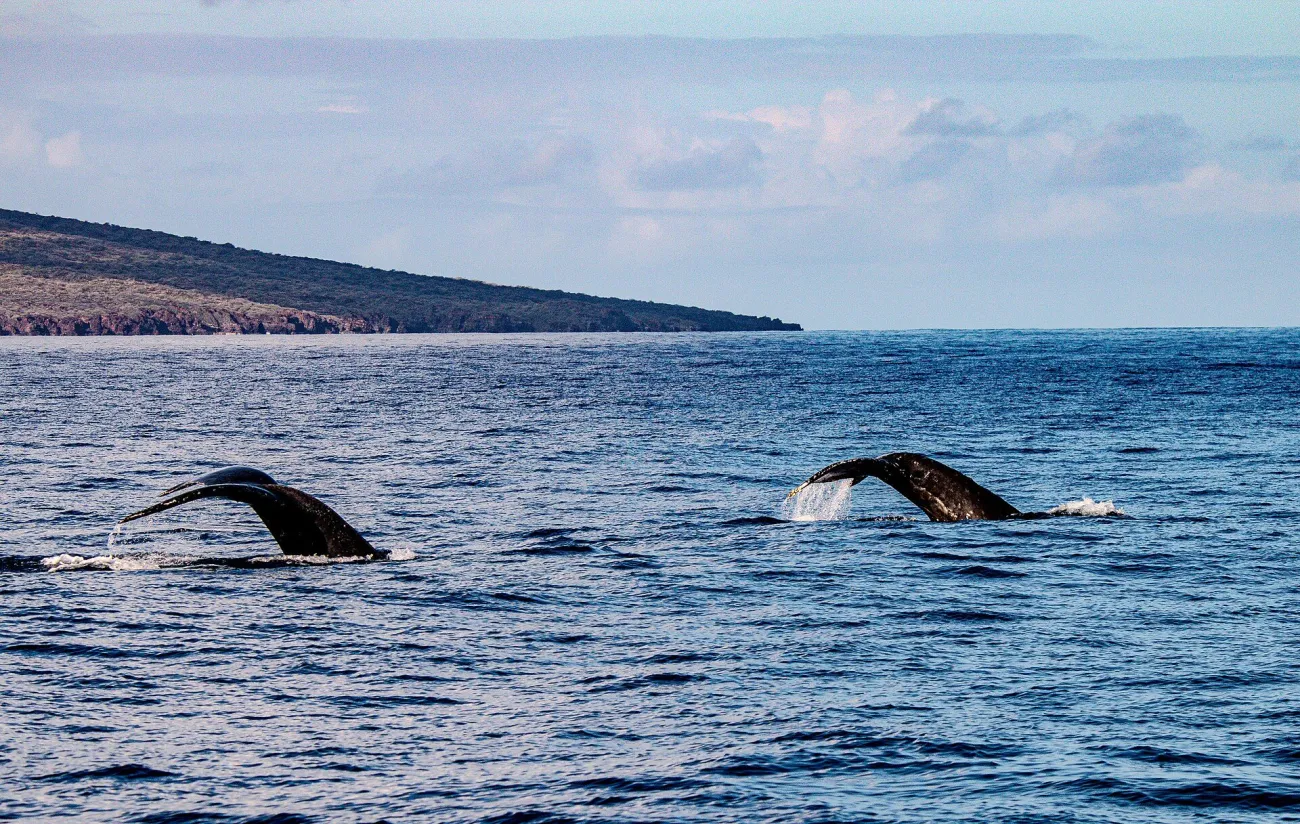

A whale watch works best when you enjoy observing rather than expect a particular performance. Humpbacks visit Hawaiian waters seasonally, with winter into spring the principal planning period. Go Hawaii's seasonal guidance describes Maui's season broadly as December–May, but individual operators run their own dates. Check the sailing offered for your trip rather than treating the whole range as an equal guarantee of sightings.
Compare the vessel and how you will use it: seating, shade, toilets, boarding and the view for a shorter passenger can matter more than an exciting photograph. Read the departure location on the booking itself. PacWhale's whale-watch information is one operator source for comparing formats. Do not assume every Maui sailing departs from the same harbor.
Federal rules prohibit approaching humpback whales within 100 yards in Hawaii. Respect the crew's decisions and NOAA wildlife guidance; a close approach is not a quality measure. Shore watching can also be rewarding when conditions and visibility cooperate. In either case, binoculars and patience are more useful expectations than a guaranteed breach.
One small-group option is Maui Ocean Adventures’ two-hour whale watch. The current listing offers different boat formats and departure locations, so read the selected ticket carefully. It lists no hotel pickup or onboard toilets and excludes children under three. An operator’s sighting policy is a booking condition; it does not promise a particular encounter.
Check the Maui small-group whale watchon GetYourGuide
We may earn a commission if you book through our GetYourGuide links.
4. Meet a Kona coffee producer


A producer visit turns a familiar drink into a sequence of decisions: growing, picking, processing, roasting and brewing. On Hawaiʻi Island, Greenwell Farms currently describes complimentary guided farm tours, generally lasting 45–60 minutes, with sampling. Check its current tour information before driving; a special tasting or private visit can have different arrangements.
Choose the visit for what you will learn rather than the number of samples. Ask how the coffee in your cup relates to what the farm grows and processes. Compare the stated origin when buying beans, and ask for a preparation suggestion if you plan to brew them at home. You do not need to become an expert to notice that farming choices and roasting affect the result.
The farm describes uneven, unpaved ground, so ask about access if that matters for your group. Stay with the guide and treat processing areas as a working environment. Combine the visit with nearby plans on the Kona side rather than making an unnecessary cross-island journey. For tasting and menu context, continue with Hawaii Food & Drink.
5. Make time to learn from a cultural practitioner


A cultural activity deserves attention beyond the time needed for a photo. On Oʻahu, Royal Hawaiian Center lists complimentary hula, ʻukulele and other cultural classes. Use its current calendar and visitor guidance for the date, location and participation arrangements. A class and a staged performance offer different kinds of engagement; choose the one you actually want.
Listen to how the teacher connects movement, language and place. Join respectfully, follow instructions and ask before recording. A short introductory class is a beginning, not mastery of a tradition. Pairing it with a museum or historical visit later in the trip can help give the experience context without trying to compress Hawaiian culture into one evening.
If you prefer an ocean-based option, Waikīkī Beach Services' outrigger-canoe activity provides a different form of participation. Check the specific requirements and the day's conditions; a canoe ride is not interchangeable with a hula class, and participation does not remove the need to respect the water. Choose one format that suits the group rather than booking both merely to complete a list.
6. Decide whether the Hāna journey should be self-drive or guided
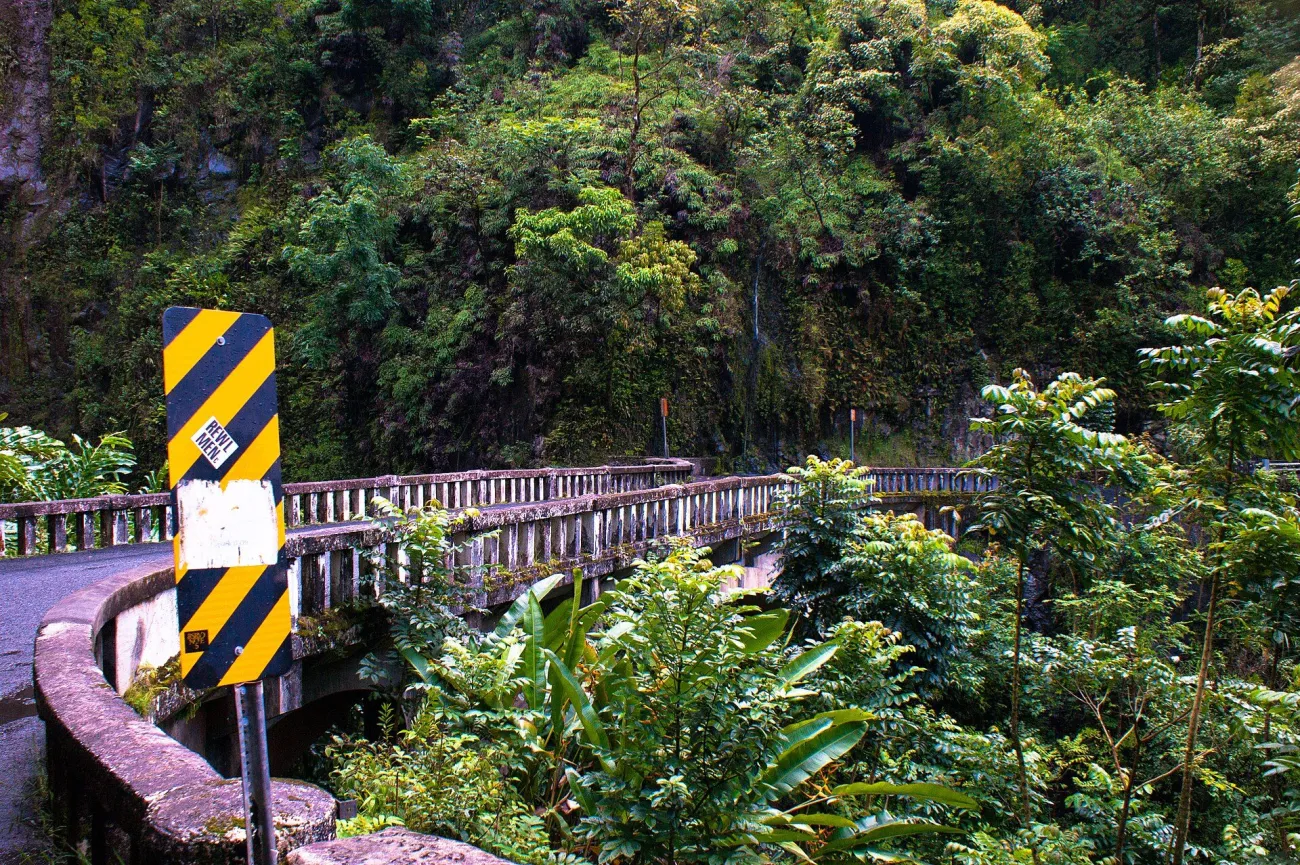

The Road to Hāna is an experience of winding roads, small communities and a changing landscape. It works poorly as a race to collect every possible stop. A self-drive day gives control over the pace, but also makes you responsible for navigation, legal parking, reservations and the return. Choose a manageable number of priorities and leave time for the road.
A driver-guide can let everyone watch the landscape and explain what you are passing. Compare the actual pickup, vehicle, meals and entry arrangements. Valley Isle Excursions' itinerary is one direct operator source to examine. Do not assume that every guided product includes the same stops, swimming opportunity or park access.
For an independent visit to Waiʻānapanapa, confirm the state park's entry and parking arrangements before setting the driving schedule. Follow current road notices, respect residents and avoid improvised parking. Keep the evening simple afterward. A separate day for Haleakalā gives both experiences the time and attention they deserve.
Travel Tip: Book the experience that matters most early enough in your stay to leave a possible alternative day. Keep another day free of prepaid commitments so weather or a changed sailing does not unravel the whole itinerary.
Hawaii activities FAQ
Should I book every activity before arriving?
Reserve the important limited-capacity experiences and leave the rest flexible. An ocean outing and its possible alternative day need space around them.
Can a beginner join a surf or snorkelling trip?
Check the specific operator's requirements and describe your ability honestly. Beginner-friendly does not automatically mean appropriate for a nonswimmer.
Are whale sightings guaranteed?
No natural encounter or behavior can be promised by this guide. Read any operator policy carefully and choose the trip for its observation and interpretation.
Is a guided Hāna trip better than driving?
It depends on whether you value control of the pace or having someone else handle the driving and interpretation. Compare the full itinerary and your group's comfort.