
Sign in
For Photos4Travel editors and team members.
Hawaii · History & context
About Hawaii: History, Islands and the Places That Explain Them
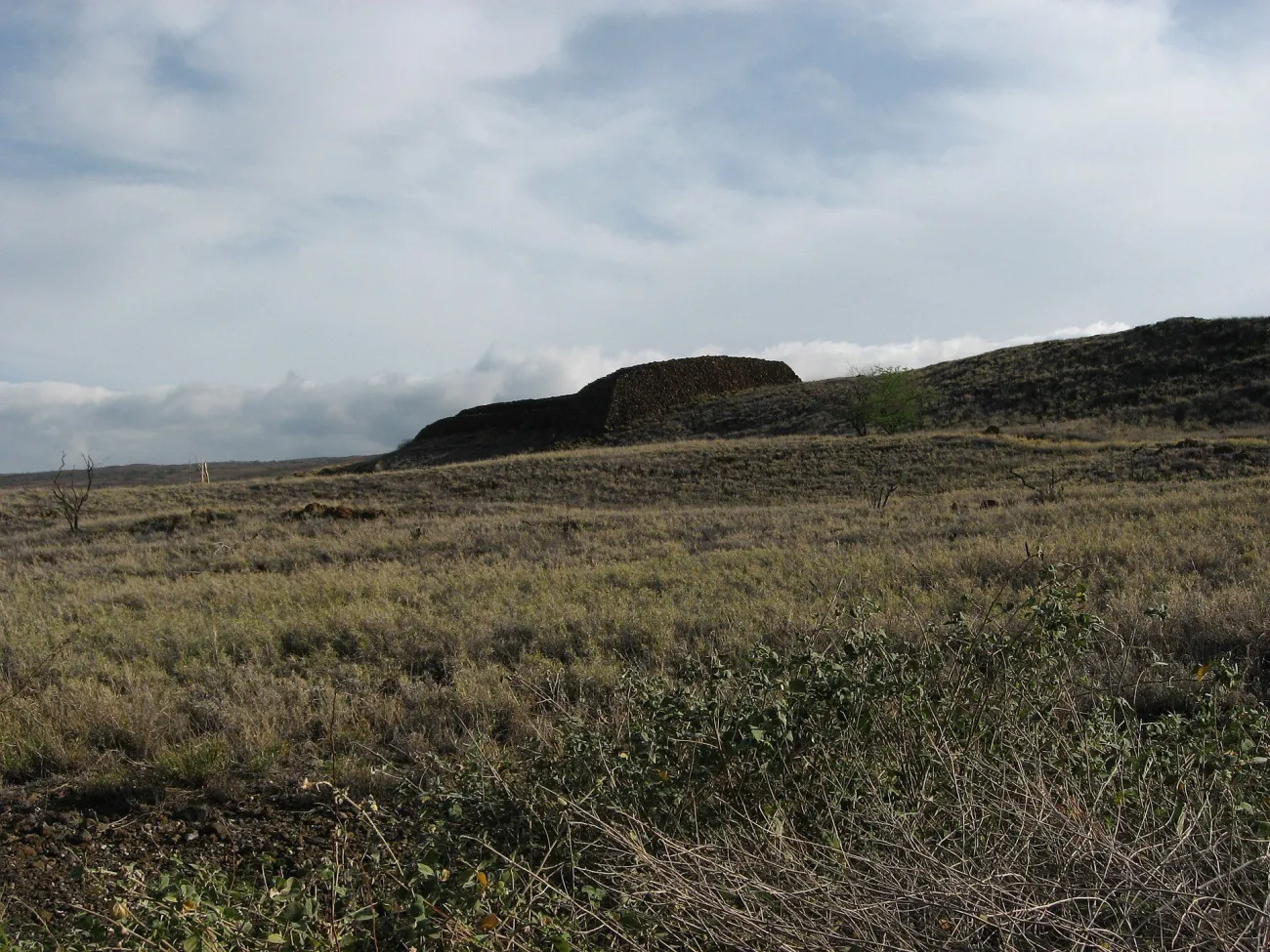

The quickest way to misread Hawaii is to treat its history as scenery between beaches. A palace in downtown Honolulu, a coastal village on Hawaiʻi Island and a voyaging canoe each tell a different part of the story. They help explain why land, language and access matter so much today. Read this before visiting a heritage site; use the main Hawaii guide for practical trip choices.
Hawaii is a state; Hawaiʻi is also an island
Hawaii names both the state and its largest island. In travel planning, “Hawaiʻi Island” or “the Big Island” usually distinguishes that island from the whole archipelago. Honolulu and Waikīkī are on Oʻahu; they are not on Hawaiʻi Island. This distinction matters when booking flights, museums and hotel transfers. A Kona arrival and a Honolulu hotel are separated by an ocean journey.
Eight principal islands are commonly named, but ordinary visitor trips centre on six: Oʻahu, Maui, Kauaʻi, Hawaiʻi Island, Molokaʻi and Lānaʻi. That does not mean every part of those islands is open to tourism. Kahoʻolawe and Niʻihau are not interchangeable additions to a normal island-hopping route. Start with the official island overview and check the actual host or land manager for access.
Names also carry histories. Retaining the ʻokina and kahakō where known helps preserve Hawaiian spelling; listening to a place name is often more useful than guessing its pronunciation from an English map. You do not need fluency to be considerate. Allow a guide to finish a name, ask when you are unsure and avoid inventing a simplified meaning for a place because it sounds appealing.
The ocean connected people before it separated holiday itineraries
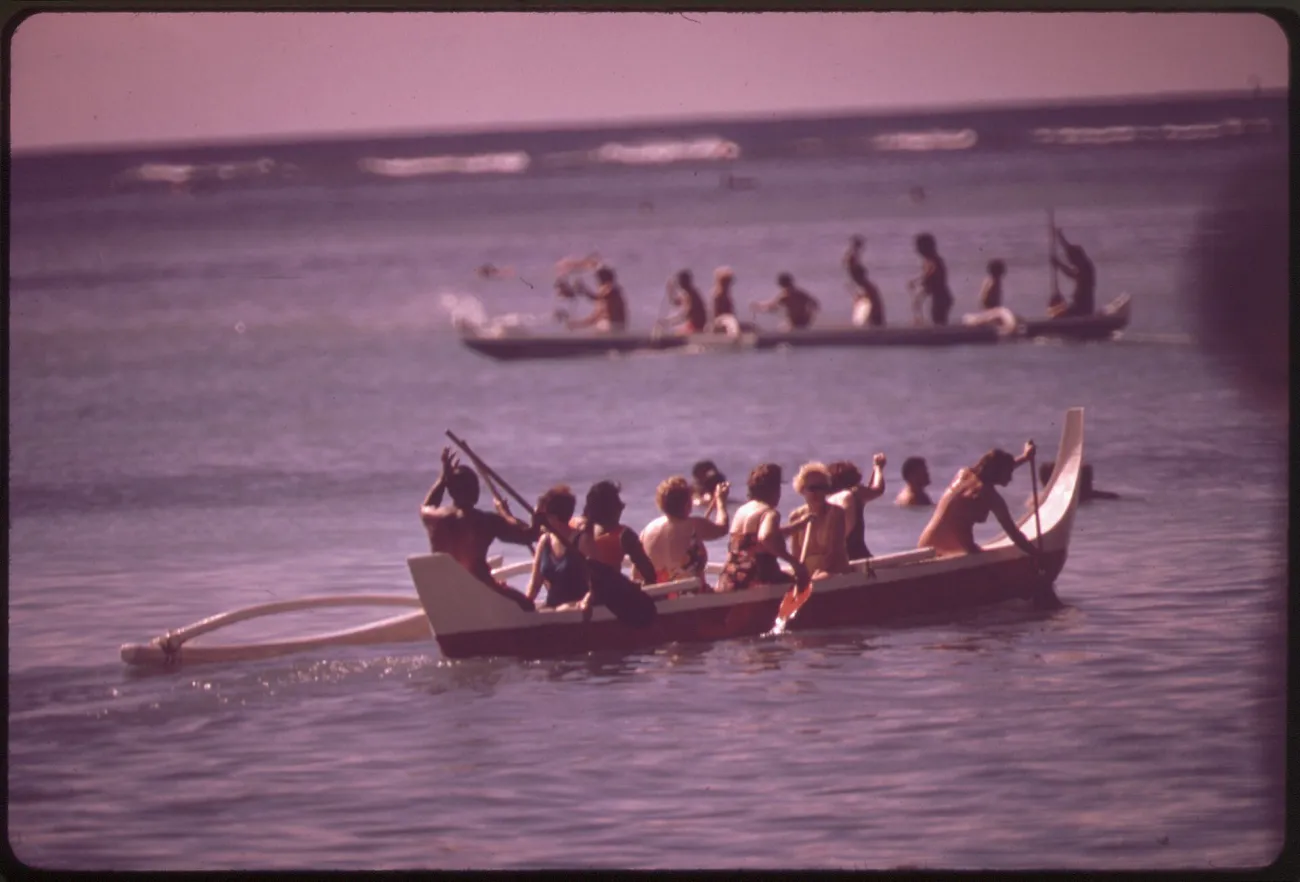

Polynesian navigators reached the islands through deliberate ocean voyaging. Calling Hawaii a place “discovered” only when Europeans arrived erases the communities already living here. Voyaging belongs to the islands’ history of skill, observation and relationships across the Pacific, rather than a story of accidental drift.
That knowledge continues through contemporary practice. The Polynesian Voyaging Society documents its canoes, navigators, educational work and current voyages. A public event can be a valuable chance to listen, but a canoe is not guaranteed to be in Honolulu when you visit. Check the society’s actual announcements rather than building a day around an assumed dockside encounter.
A useful way to approach a coastal historical site is to look beyond the view. Where did people find fresh water? How did they reach fishing grounds? What was cultivated inland? These questions connect the shoreline to the rest of the island. An interpretive walk becomes more revealing when you read the settlement as a working landscape instead of photographing isolated stone walls.
The kingdom, its rulers and the overthrow
Kamehameha I brought the islands under one kingdom in 1810. The nineteenth-century Hawaiian Kingdom developed diplomatic relationships and institutions of its own. Its history is not a simple preface to becoming an American state. When visiting royal sites, pay attention to who governed, whose accounts are being presented and what changed over time.
ʻIolani Palace makes that history tangible. Completed in 1882, it was the royal residence of King Kalākaua and later Queen Liliʻuokalani. The monarchy was overthrown in 1893. The palace subsequently served government functions before its restoration as a museum. The palace’s own historical account is a good starting point; a photograph of its façade cannot convey the political story inside.
The United States annexed Hawaii in 1898, and statehood followed in 1959. Those dates describe different events and should not be collapsed into one. Contemporary conversations about sovereignty, identity and land are part of living Hawaii. Visitors can listen and learn without expecting a guide, museum worker or neighbour to settle a complex political question in a casual conversation.
Plantation-era migration shaped everyday island life
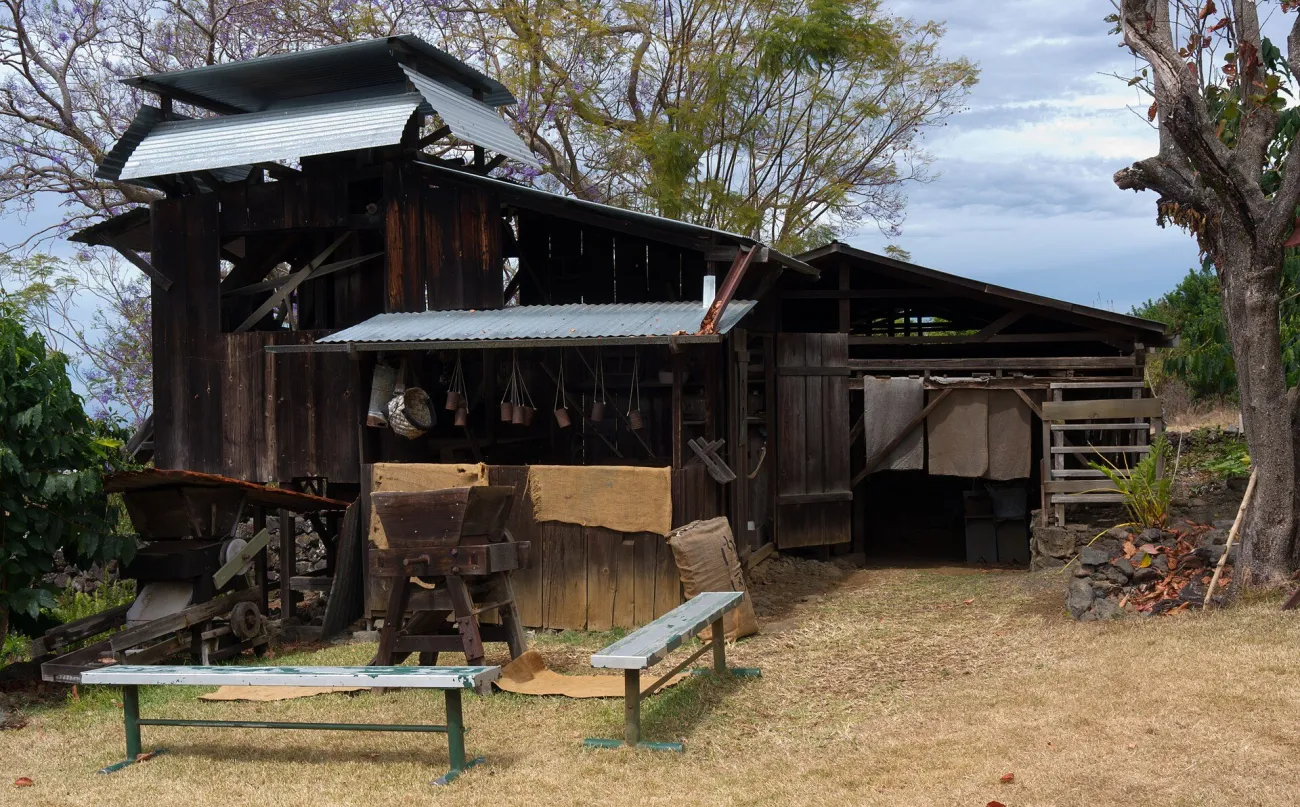

Sugar agriculture and its labour demands brought people from China, Japan, Portugal, the Philippines, Korea and elsewhere. Their descendants helped shape the islands’ food, languages, neighbourhoods and working life. This is one reason “Hawaiian food” and “food popular in Hawaii” are not identical descriptions. A plate lunch, a family recipe and a traditional Hawaiian preparation can have different histories.
Look for specific interpretation rather than a cheerful plantation backdrop that leaves out labour and land. Who worked there? What were their living conditions? How did communities change as agriculture changed? These are useful questions at an exhibition or guided visit. The official historical overview supplies a short timeline, while individual museums add depth.
Food is an approachable entry point, provided it does not replace the people behind it. Read a menu’s description, ask a willing server a focused question and leave room for different answers between families and islands. Our Food & Drinks guide separates dishes and ordering decisions from this broader historical context.
Living culture and a changing visitor economy
Hawaiian language, hula and voyaging are living practices, not surviving fragments reserved for visitor performances. Schools, families, artists and cultural practitioners continue them in many settings. A holiday programme can offer an introduction; it does not stand for every tradition or community. The culture guide explains how to choose learning opportunities and ask about programmes thoughtfully.
Hawaii is also where people go to work, raise children and deal with housing costs, traffic and changing landscapes. A scenic road may be a resident’s only practical route. A beach access path may pass homes. Giving way, parking legally and accepting a closed gate are small decisions with immediate consequences for people living beside visitor attractions.
Historical importance and present access are separate questions. An old guidebook can describe a town or trail accurately for its publication date and still be unsuitable for planning now. In particular, do not use a pre-fire description of Lahaina to infer which areas or businesses are open. Follow current Maui authorities and local hosts when arranging a visit.
Choose the visit that answers your question
On a small screen, swipe the table sideways to compare visits.
| Your interest | Useful starting point | How to approach it |
|---|---|---|
| The Hawaiian monarchy | ʻIolani Palace, Oʻahu | Choose the actual tour; distinguish interior admission from seeing the grounds. |
| Culture and natural history together | Bishop Museum, Oʻahu | Allow time for interpretation instead of rushing only to highlighted objects. |
| A coastal settlement | Lapakahi, Hawaiʻi Island | Follow the interpreted route and prepare for exposed outdoor conditions. |
| Traditional political and sacred landscapes | Puʻuhonua o Hōnaunau or Puʻukoholā Heiau | Start with official interpretation and respect restricted spaces. |
These are different visits, not a checklist to complete in one afternoon. Bishop Museum is in a different part of Honolulu from the royal district. The Hawaiʻi Island sites are not day stops from Waikīkī without a flight and a separate ground plan. Choose one anchor visit, then leave time to read, ask questions and get there without rushing.
Travel TipVisit a museum or interpreted heritage site early in your trip. The context can make later coast walks, place names and cultural performances easier to understand.
Frequently asked questions about Hawaii’s background
Is Hawaii a country or a U.S. state?
Hawaii is a U.S. state. It was previously an independent kingdom; the kingdom’s history and the later statehood story are different parts of understanding the islands.
Are Honolulu and Hawaiʻi Island the same place?
No. Honolulu is on Oʻahu. Hawaiʻi Island, often called the Big Island, has separate airports and requires its own transport plan.
Should I choose a palace or a cultural museum?
Choose ʻIolani Palace for a focused royal-history visit. Choose Bishop Museum for a broader introduction to culture and natural history. Check the actual programme and allow each visit enough time.