
Sign in
For Photos4Travel editors and team members.
Hawaii · Getting around
Getting Around Hawaii: Island Flights, Rental Cars & Local Transport
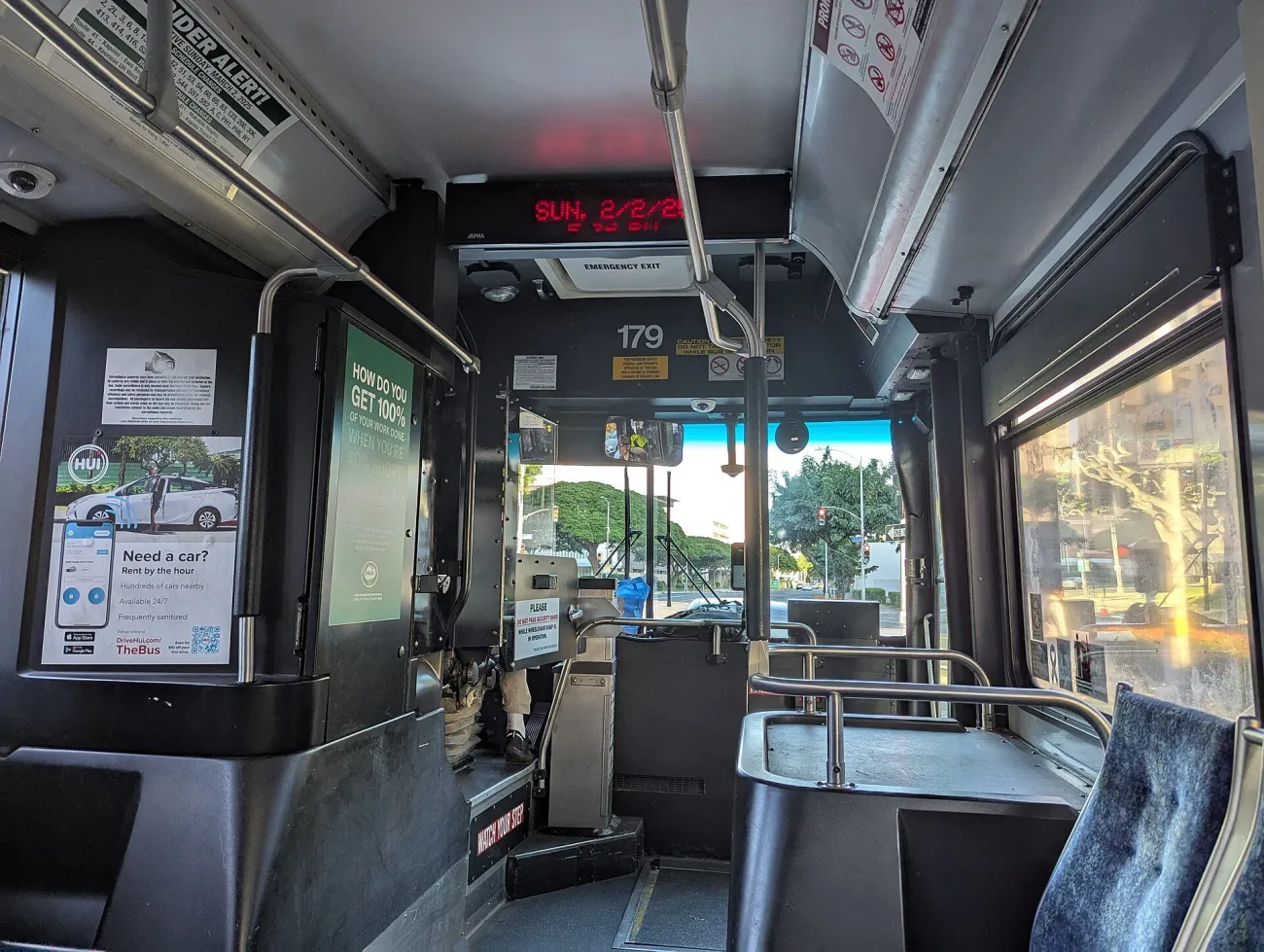

Hawaii needs two transport plans: one for moving between islands, another for exploring the island where you sleep. Flights connect the major islands, while each arrival brings a fresh ground-transport decision. A rental car that is useful on Hawaiʻi Island can be an expensive parked possession during several days in Waikīkī.
Build the itinerary around geography before comparing rental rates. A good transport plan reduces repeated long drives and unnecessary hotel changes; it does not simply add a car to every booking. For the airport portion of the journey, see Hawaii Airports & Transfers.
Choose the transport that fits the stay
Ask what you will do on an ordinary day. If the answer is walk to the beach, eat nearby and take one organized excursion, a full-stay car may be unnecessary. If you want independent trailheads, changing coastal areas and several rural stops, transport flexibility becomes more important. Compare the trips you will actually make rather than the maximum number a rental could theoretically allow.
Swipe horizontally to compare transport choices.
| Island or stay | Useful starting approach | Main tradeoff |
|---|---|---|
| Oʻahu, Waikīkī-focused | Walking, public transport and selected rental or tour days | Check routes and journey times beyond the urban area |
| Maui, independent exploration | Compare a car with tours for major driving days | Resort shuttles rarely substitute for a complete island itinerary |
| Kauaʻi, several regions | Car or carefully arranged tours and transfers | The road does not continue around Nāpali |
| Hawaiʻi Island, west and east | Car and a realistic base plan | Long distances can outweigh a cheaper room on the wrong side |
| Resort-only stay | Airport transfer plus confirmed local services | Check dining choices and the cost of excursions beyond the resort |
Treat an island change as travel time
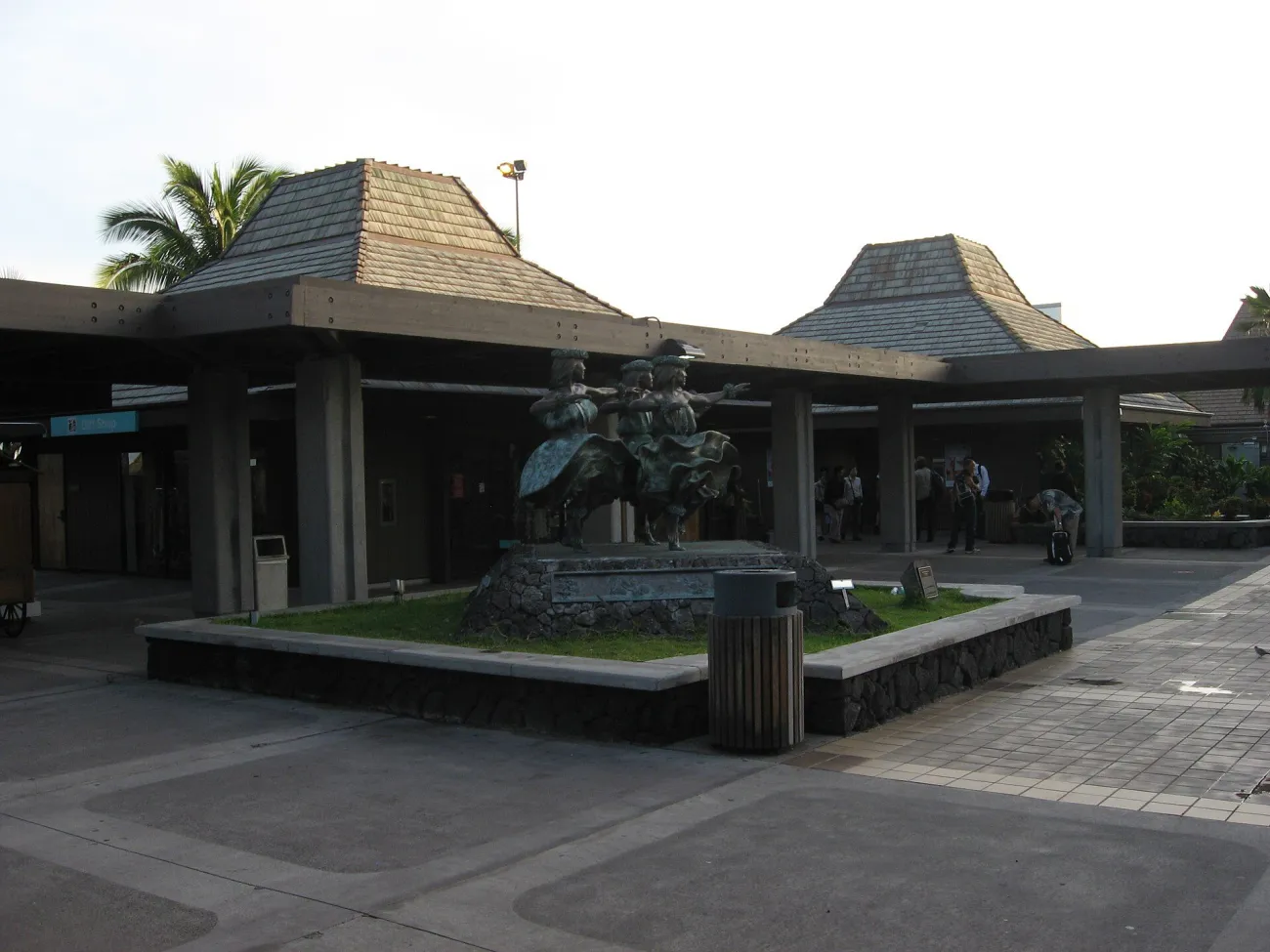

There is no road bridge between the islands and no general car-ferry network for a visitor road trip. A short inter-island flight is only one part of the change: add packing, airport transport, check-in, baggage and the next pickup. Some routes require an Oʻahu connection. See Go Hawaii's inter-island information, then verify the airline's current schedule.
For a short holiday, one island often gives you more useful time than an extra flight. On a longer trip, two islands can create a good contrast, provided you allow a realistic transfer day. Compare arriving on one island and leaving from another rather than automatically returning to HNL. Keep the last connection to an international or mainland departure comfortably planned, especially on separate tickets.
The Maui–Lānaʻi passenger ferry
Expeditions currently lists its route as Māʻalaea Harbor, Maui, to Mānele Harbor, Lānaʻi, with a crossing of approximately one hour and ten minutes. Check the operator's current schedule and booking information before planning. Older references to departures from Lāhainā may be outdated. This is a passenger service, not a way to take your rental car to another island.
Arrange the Lānaʻi side before boarding: harbor arrival does not place you beside every hotel or activity. Check onward transfers, the return sailing and what happens if weather changes the service. For a day trip, leave time to enjoy the destination instead of building the entire visit around a tight sequence of unconfirmed rides.
Decide how many rental days you need
Compare the complete vehicle cost, including taxes, parking, fuel, any additional driver and different-location return charge. Read road exclusions and vehicle restrictions before choosing scenic routes. A larger vehicle is not a permit to use an unsuitable road, and a rental contract does not override a closure. Reserve a vehicle that actually fits passengers, luggage and child seats.
On Oʻahu, consider separating urban days from driving days. A later pickup can avoid paying to park while you explore Waikīkī and Honolulu on foot or by transit. On Maui or Kauaʻi, a full-stay car may provide more flexibility, but a resort-based visitor with a few organized outings should still compare the alternative. On Hawaiʻi Island, Go Hawaii recommends a car for flexibility across the island's size: official transport information.
Read the pickup and return details
Check whether pickup is at the airport or an off-airport location, the operating hours and the return procedure. If using different airports, confirm that the quote actually permits the arrangement. A convenient one-way route is less appealing if its fee exceeds the time it saves. Keep the booking confirmation and emergency contact available offline.
Do not assume an advertised category guarantees a particular model or room for large equipment. Tell the provider about mobility aids, surfboards or other bulky items. If the trip depends on a specific feature, such as suitable hand controls or space for a wheelchair, arrange it explicitly and obtain confirmation before committing to the rest of the itinerary.
Plan by region rather than by attraction count
Group nearby stops and preserve time for the road itself. On Maui, make the Hāna route a dedicated outing, with legal parking and reserved stops checked ahead. At one-lane bridges, drive courteously and follow signs; Go Hawaii explains local yielding customs in its Maui transport guidance. Pull over only where permitted and do not block residents' access to capture a photograph.
On Kauaʻi, north-shore and west-side days require separate thinking because the road does not complete a coastal loop through Nāpali. A hotel that looks close across a map may involve a substantial return around the developed side. On Hawaiʻi Island, compare a west/east base split with repeated drives; do not assume a cheaper west-side room is the right base for several consecutive Volcano-area days.
Check state-park access notices and local road information before leaving. Storm recovery can change what a sensible route looks like. A reservation at one stop does not confirm that every nearby trail or road is open. When information conflicts, choose a clearly open alternative and resolve the uncertain section before traveling.
Make a car-free plan specific
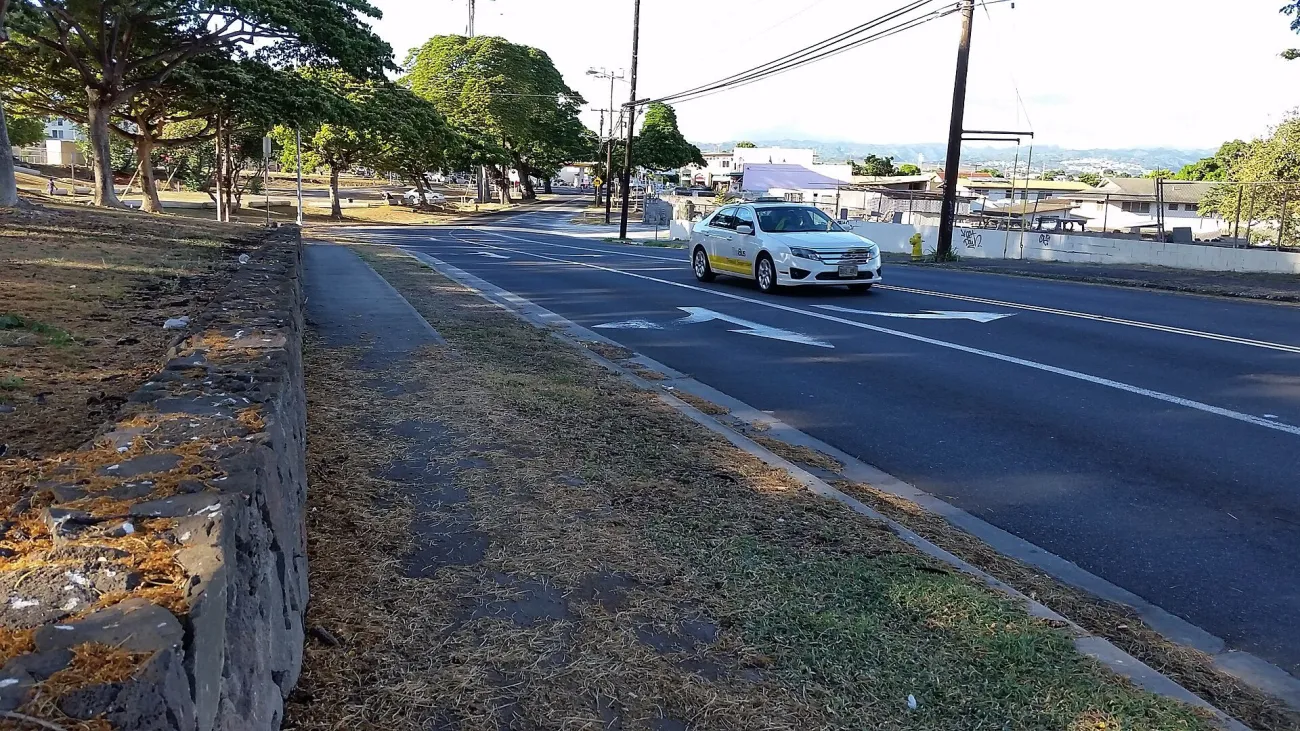

Oʻahu offers the widest range of visitor-oriented alternatives, including TheBus and organized trips. Check current routes, fares and service notices for each day; a route's existence does not tell you the total journey time or final walk. Choose accommodation near the services you will use, then compare the cost of occasional taxis or tours with a rental and parking.
Elsewhere, ask more precise questions than “is there a bus?” Can you reach the trailhead, carry your luggage, return after dinner and manage the walking portion? Hotel shuttles may serve a limited local area. A rideshare available at the airport may not be available at a remote return point. Arrange a confirmed pickup when an outing depends on one.
Travel Tip: Write a return plan for every outing before leaving. Include the last useful bus, the transfer booking or the drive back in daylight. A destination is only conveniently accessible if getting home works too.
Getting around Hawaii FAQ
Do I need a rental car on every island?
No. It depends on your base and activities. A Waikīkī-focused stay differs from independent exploration of Hawaiʻi Island. Price actual travel days and parking.
Can I take the same rental car between islands?
Do not plan on it. Treat each island as a separate ground-transport booking and verify the contract. The Maui–Lānaʻi ferry is a passenger service.
Can I drive all the way around Kauaʻi?
No continuous coastal road runs through Nāpali. Plan north-shore and west-side visits using the actual road route.
Is island hopping worthwhile for a week?
One island is usually the more relaxed starting choice. Add another only when the experience matters enough to justify the transfer overhead.