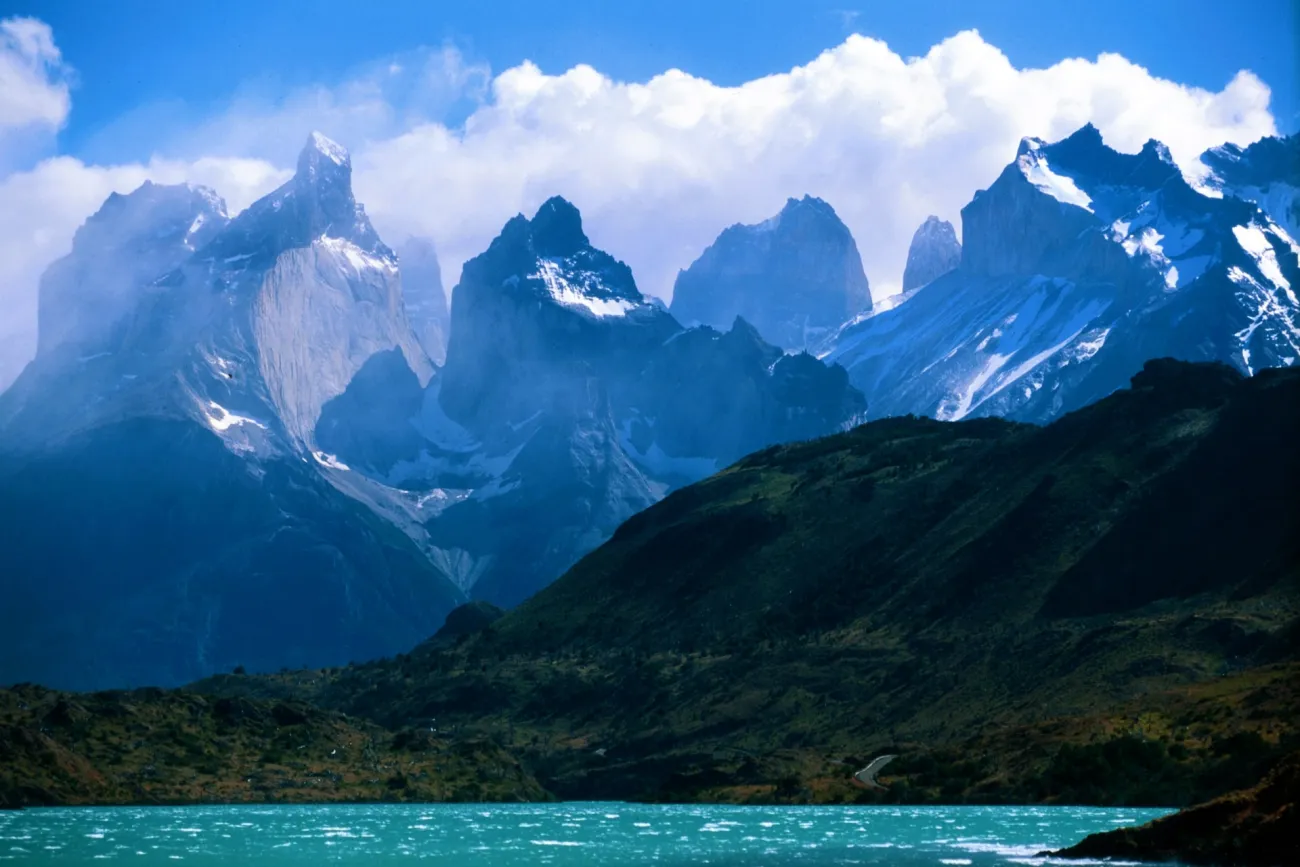
For a first week in Patagonia without a car, our pick is Argentina: combine Perito Moreno Glacier with a few nights in El Chaltén, where several walking routes begin at the edge of town. Choose Chile if Torres del Paine is the reason you are going, and arrange your accommodation and park transport around it.
That recommendation is about how the days fit together. In El Chaltén, a promising forecast can turn into a walk after breakfast. From Puerto Natales, a day in Torres del Paine begins with a substantial road journey. Staying closer to the park changes that equation, but also changes the accommodation bill.
This comparison covers southern Patagonia: Torres del Paine and Puerto Natales in Chile, and El Calafate and El Chaltén in Argentina. Bariloche, the Carretera Austral and Ushuaia need different itineraries. The seven-day plans include six nights and arrival and departure through the local gateway; allow extra days for the journey from home.
Patagonia: Chile or Argentina at a glance
The most useful comparison is between the bases you will actually use. A lodge near Torres del Paine and a guesthouse in central El Chaltén produce very different trips, even if both promise mountain views.
On a small screen, swipe sideways to read the whole table.
| Your priority | Chile: Torres del Paine | Argentina: El Calafate and El Chaltén |
|---|---|---|
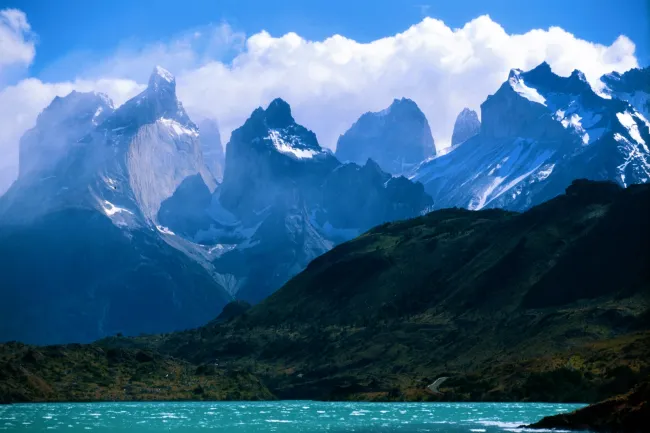
| Mountain and lake scenery | The Paine massif, the Cuernos and lakes such as Pehoé; combine viewpoints with selected walks. | Fitz Roy and Cerro Torre country around El Chaltén, with a separate glacier day from El Calafate. |
| Walking from your accommodation | Depends heavily on the exact lodge or campsite. Puerto Natales is outside the park. | A town base in El Chaltén puts several trail approaches within walking distance. |
| A trip without long hikes | Road viewpoints and shorter walks work with organised transport. | Perito Moreno’s walkways and shorter El Chaltén outings give you varied days. |
| A dedicated multi-day trek | Choose the W or O Circuit and build the holiday around its overnight reservations. | El Chaltén suits a sequence of day walks with the same room to return to. |
| An uncomplicated first week | Best when Paine is the main objective and transport is arranged. | Our preference for a glacier-and-walking trip without crossing a border. |
Choose Chile when Torres del Paine is the main event
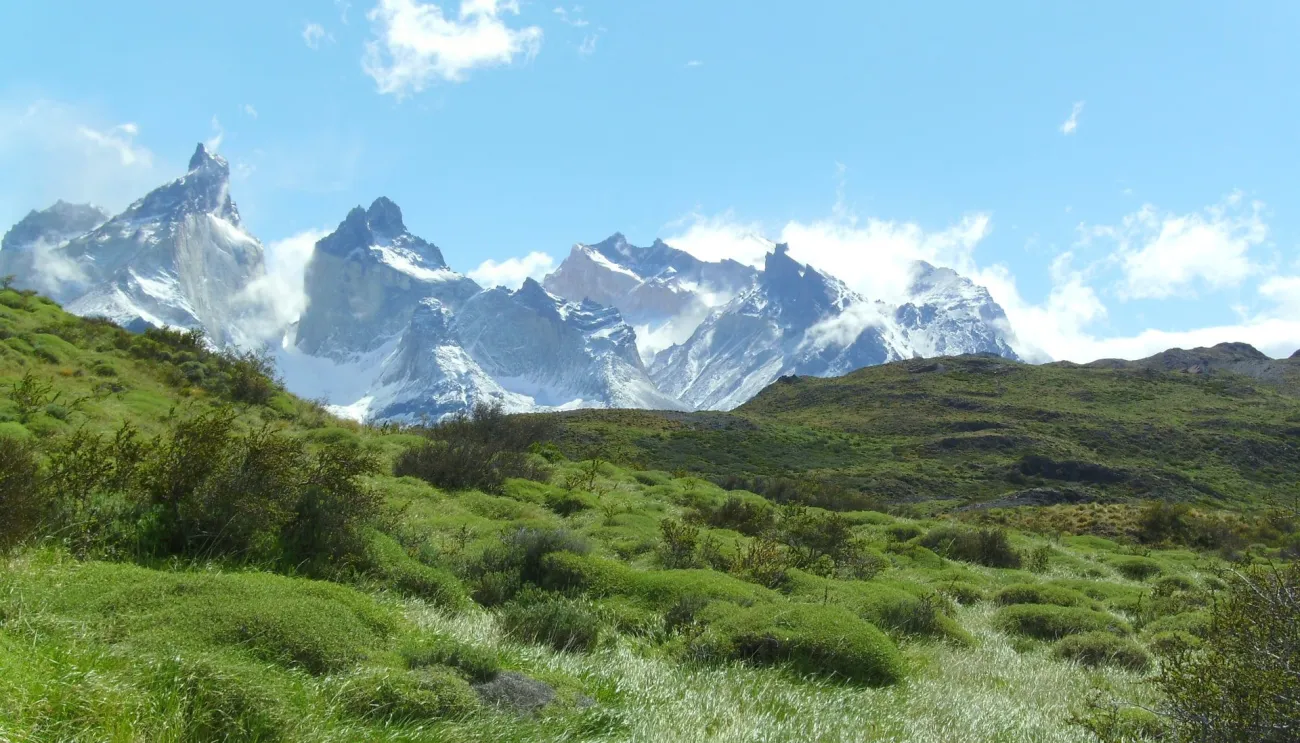
Chile makes sense when you already know which landscape you want: pale granite, dark-tipped Cuernos and bright lakes below the mountains. You can see this landscape without completing a long-distance trek. A scenic park visit and a separate walking day make a worthwhile first visit.
For a shorter outing, look at Salto Grande and Mirador Cuernos. Arrange a drop-off and collection around the Salto Grande/Pudeto area, and agree on the precise walking start. Allow roughly two to three hours for the walking portion with pauses; the approach changes the distance. Tierra Patagonia’s Cuernos excursion, for example, describes a six-kilometre walk with modest elevation gain. The exposed terrain still requires suitable conditions.
The Base Torres hike is a different commitment. Do not put it into a scenic-tour day as an extra stop. For a full walking day, check your fitness, current access conditions and the ranger’s turnaround rules. Our Chile walking and national parks guide helps separate shorter visits from the bigger routes.
Puerto Natales or a room near the park?
Puerto Natales gives you restaurants, shops and a practical place to organise excursions. The cost is repeated travel: allow around two hours or more each way, depending on the entrance and stops. A room in or beside the park can reduce that travel, but “Torres del Paine area” covers a lot of ground. Check which trailheads, viewpoints and transfers the property actually serves.
Before choosing a room in our Chile places-to-stay guide, ask whether meals and excursions are included, and how you reach the property without a rental car. If the W or O is your goal, secure the complete sequence of nights through Las Torres and Vértice as required by your route. A park ticket alone does not reserve a bed or campsite.
Choose Argentina for town-based walks and a glacier day
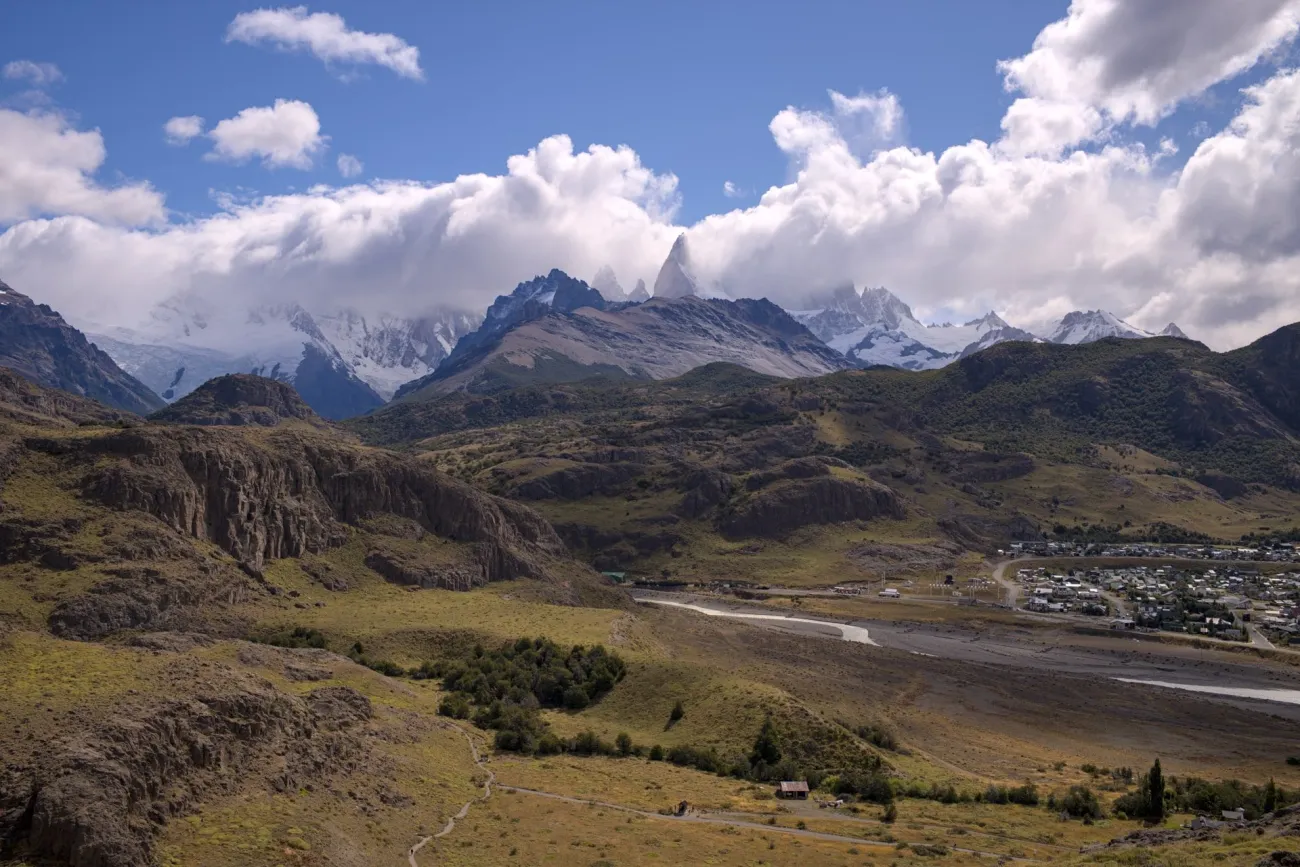
Argentina’s advantage on this particular trip is the pairing of two bases. El Calafate handles the arrival and glacier visit; El Chaltén gives you time near the mountains. Changing towns once is manageable within a week, and three nights in El Chaltén give you more than one chance to see the peaks.
El Chaltén: choose the walk after checking the forecast
For a shorter mountain view, start with Mirador Los Cóndores. From town, cross the access bridge towards the national park visitor centre and follow the signed route. The local route guide lists a four-kilometre option from town, extending to six kilometres when Las Águilas is included, with around two hours allowed for the outing. Give yourself more time for photographs and follow the current trail signage.
Chorrillo del Salto is another shorter option: allow about three hours when walking from town, according to its route description. By contrast, Laguna de los Tres is a substantial mountain day with a demanding final ascent. Do not choose it simply because a photograph of Fitz Roy looks close to the village.
Use our Argentina hiking guide to match the route to your ability. Park entry charges now apply around El Chaltén; an old description of these walks as universally free is no longer a safe basis for budgeting.
Perito Moreno: seeing the glacier without trekking on it
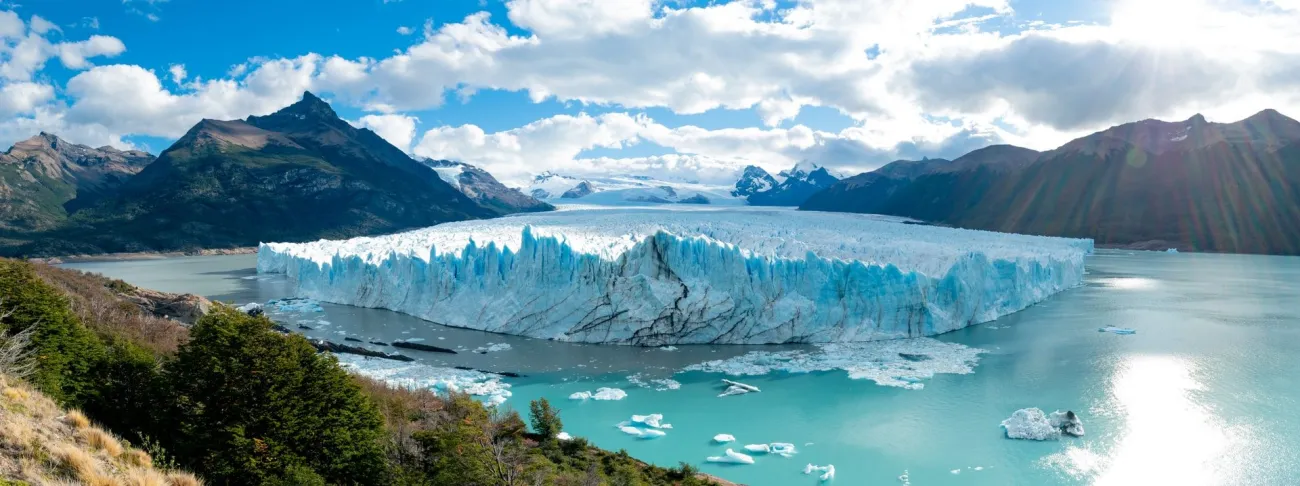
The glacier walkways are a strong reason to include El Calafate, particularly if your group has mixed walking ambitions. You can spend time at the viewing platforms without buying an ice-trekking excursion. Boat trips and guided walks on the ice are separate choices with their own prices and conditions.
The national park’s visitor guidance describes different walkway options, including accessible alternatives. Some sections have stairs. If step-free access matters, confirm the route from your vehicle drop-off to the suitable viewing area before booking transport. Do not plan around witnessing a calving event; what the glacier does during your visit is unpredictable.
Which side is easier without a car?
Argentina is our easier option for this one-week route. Reserve transport between El Calafate and El Chaltén, plus a return glacier outing, then walk from town on the days that suit you. In Chile, the key booking is your route into and back out of Torres del Paine, including any connection between a bus stop and your accommodation.
On a small screen, swipe sideways to read the whole table.
| Journey | Planning time | What to check |
|---|---|---|
| El Calafate → El Chaltén | About three hours by road. | Town terminal or airport pickup, luggage and your return departure. |
| Puerto Natales → Torres del Paine | About two hours or more each way; the gate and destination matter. | The actual stop, onward shuttle and last usable return. |
| Puerto Natales → El Calafate | About six hours by scheduled bus; reserve the day for the crossing. | Operating date, border documents and arrival terminal. |
These are approximate journey times, not guaranteed connections: see the El Calafate–El Chaltén service description, Chile Travel’s park access guidance and Bus-Sur’s routes. Timetables change by season and day.
Build the Argentine plan around El Calafate airport. For Chile, compare Puerto Natales flights with an arrival through Punta Arenas, which adds another road transfer. Our Argentina airport and transfer guide and Chile transport guide explain the wider connections. Keep a transfer day clear of a flight you cannot afford to miss.
Two realistic seven-day Patagonia itineraries
These are seven calendar days and six nights, with five days between arrival and departure. They suit a first visit in the main visitor season and do not include the W or O Circuit. Trail access, excursions and bus seats must fit your actual dates.
On a small screen, swipe sideways to read the whole table.
| Day | Chile: Puerto Natales base | Argentina: two bases |
|---|---|---|
| 1 | Arrive in Puerto Natales; settle in and confirm park transport. Sleep in Natales. | Arrive in El Calafate; settle in and confirm the glacier outing. Sleep in El Calafate. |
| 2 | A scenic Torres del Paine day with planned lake viewpoints and short stops. Natales overnight. | Perito Moreno walkways, with return transport. El Calafate overnight. |
| 3 | A slower day in Natales: waterfront, supplies and rest after the long excursion. Swap with a park day if the forecast favours it. | Travel to El Chaltén; explore the village and prepare for the next day. El Chaltén overnight. |
| 4 | Salto Grande/Mirador Cuernos walking day with agreed pickup. Natales overnight. | Your main walk, chosen for conditions and ability. El Chaltén overnight. |
| 5 | Another park outing if wanted, or a weather replacement for an earlier visit. Natales overnight. | Los Cóndores, Chorrillo del Salto or a replacement for yesterday’s walk. El Chaltén overnight. |
| 6 | Keep the last full day flexible for a displaced outing; otherwise enjoy Natales and prepare for departure. | Return to El Calafate, leaving an overnight margin before the flight. |
| 7 | Depart from Puerto Natales. A Punta Arenas flight requires a different transfer plan. | Depart from El Calafate. |
The Chile version deliberately trades repeated drives for one accommodation base and spare weather days. For more time close to the mountains, replace two or three Natales nights with a park-area stay after arranging its transfers. That is a separate accommodation quote, not a free upgrade to this route. A booked excursion may not move with the forecast: check change terms before relying on a spare day.
The Argentine route uses three nights in El Calafate and three in El Chaltén. Choose a room in town if walking access matters; a remote lodge can undo that advantage. Our Argentina hotel guide gives you specific places to compare.
Is Chilean or Argentine Patagonia cheaper?
There is no reliable country-wide winner for these routes. Compare the same number of nights, the same room standard and the same activities. A lodge package with meals and excursions cannot be compared directly with a room-only guesthouse.
Park entrance fees checked on 18 November 2026
The examples below use adult foreign-visitor/general admission. Prices are in their original currencies; they are published 2026 rates, not a quote for 2027.
On a small screen, swipe sideways to read the whole table.
| Park and ticket | Per adult | Two adults |
|---|---|---|
| Torres del Paine: multi-day admission | CLP 48,500 | CLP 97,000 |
| Los Glaciares: one day | ARS 50,000 | ARS 100,000 |
| Los Glaciares: three-day Flexipass | ARS 100,000 | ARS 200,000 |
Since 1 May 2026, Torres del Paine has used one-day and multi-day categories. CONAF’s announcement defines multi-day admission as two or more days within a continuous period of up to ten days; the amount above comes from the park’s 2026 tariff. Check your dates and category through Pases Parques.
Argentina’s park tariff lists Los Glaciares and its El Chaltén entrance. The current Flexipass rules allow three visit days within the same national park, at different entrances, used consecutively or separately within six months of purchase. For one Perito Moreno day and two El Chaltén park days, budget one three-day pass per person, not a separate three-day pass for each sector. Buy online and check the first-entry instructions.
A transparent starting budget for seven days
Here is a worksheet for two adults sharing one room. These are chosen spending allowances, not researched hotel or restaurant quotes. They let you compare both routes on the same basis:
- Room allowance: US$130 × six nights = US$780.
- Food allowance: US$35 × two people × seven days = US$490.
- Room-and-food subtotal: US$1,270 for two people, before transport, admission and extras.
For Chile, add CLP 97,000 in multi-day park admission and quotes for your airport transfers and selected return park outings. For Argentina, add ARS 200,000 for the three park days, plus airport transfers, the return glacier journey and both El Calafate–El Chaltén legs. Do not add the single-day tickets again when using the Flexipass.
Flights, insurance, equipment hire, boats and ice trekking are outside this subtotal. Replace the room allowance with actual prices for your dates, and remove food or transfers already included in a package. Our Chile money guide and Argentina money guide cover the payment details that also affect the final bill.
Give the forecast a say in your photography plans
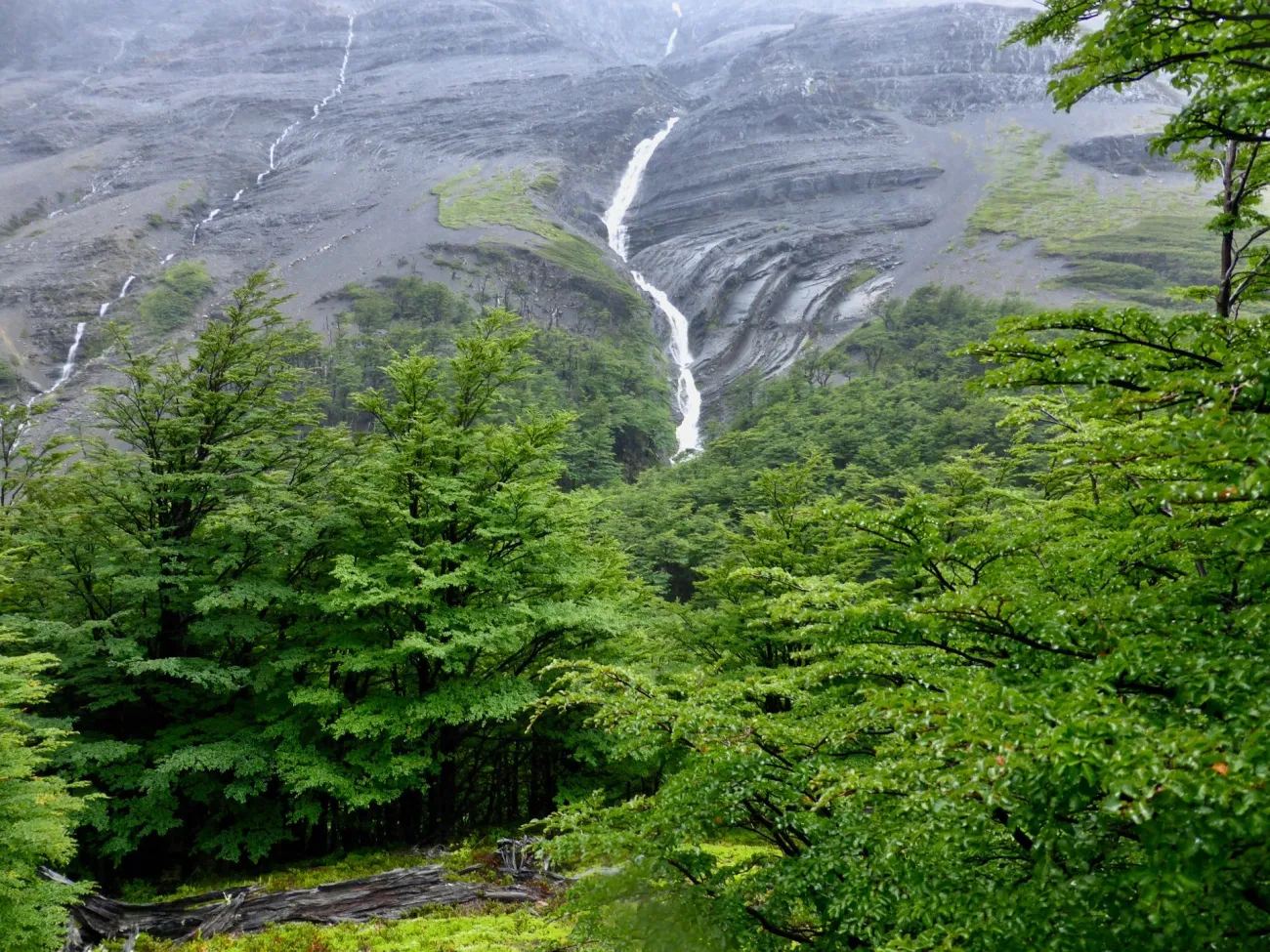
For a first visit, December to February is a practical starting point: Chile’s official tourism guidance identifies it as peak season, with longer days and broader trail availability. November and March can also suit a trip, but check your exact transport, accommodation and trail dates. These itineraries should not be carried unchanged into winter.
Clear skies are never part of the booking. Leave more than one opportunity for your main mountain view, and check the local forecast and ranger notices before setting out. Our Chile weather guide and Argentina weather guide put the season into regional context.
For photographs in Torres del Paine, choose the viewpoint before arranging the vehicle. A general park tour may stop at Pehoé, but that does not promise the light you wanted or enough time to wait for a cloud to move. Check legal access and your return arrangement before planning sunrise or sunset.
In El Chaltén, the Los Cóndores approach offers a view back over the town towards the mountains without committing to the Laguna de los Tres ascent. Stay on marked routes, leave space for other walkers and keep the camera secured in strong gusts. Our Chile photo locations and Argentina photo locations are useful once you have chosen your base.
Can you visit Chilean and Argentine Patagonia in ten days?
Yes, if you accept a bus crossing and less spare time for weather. A workable order is Puerto Natales → El Calafate → El Chaltén → El Calafate, arriving in Chile and flying out of Argentina. Compare those flight arrangements before committing to the route.
- Days 1–3: arrive in Puerto Natales and use two days for Torres del Paine. Three nights in Natales.
- Day 4: cross to El Calafate by a confirmed bus service. Keep the entire day for travel.
- Day 5: visit Perito Moreno. A second night in El Calafate.
- Days 6–8: transfer to El Chaltén, then use two full days for walks. Three nights in El Chaltén.
- Day 9: return to El Calafate for the ninth and final night.
- Day 10: depart from El Calafate.
Move the dates to match a real cross-border departure; do not assume the bus runs at the same time every day. Confirm the documents required for your nationality with official immigration sources before booking. The two countries use separate park admissions.
With seven days, we would choose one side. With ten, both can work. If photography or a particular mountain walk is the main reason for travelling, a longer stay on one side gives you more chances when the first forecast disappoints.
Patagonia: Chile or Argentina FAQ
Which side of Patagonia is better for a first visit?
For the southern Patagonia route in this guide, we favour Argentina for a first week without a car: El Calafate for the glacier and El Chaltén for walks from town. Choose Chile when Torres del Paine is your main reason for going.
Torres del Paine or El Chaltén for day hiking?
El Chaltén is easier to organise around one town base, with several trail approaches on foot. Torres del Paine offers excellent day walks too, but your transport and accommodation location need more attention. Pick the specific walk before comparing hotels.
Can I enjoy Patagonia without doing long hikes?
Yes. Perito Moreno’s viewing walkways, selected shorter El Chaltén routes and organised Torres del Paine viewpoint visits can form the core of a trip. Check each route’s stairs, surfaces and exposure; a short walk is not automatically suitable for every mobility need.
Are the El Chaltén hiking trails free?
Do not budget on that assumption. Argentina’s current tariff includes the Los Glaciares El Chaltén entrance. Check the charge and ticket requirements for your chosen route and visitor category before setting out.
Is seven days enough to visit both countries?
It is possible to move quickly between them, but we recommend one side for seven days. The crossing uses a substantial part of a day, and switching bases leaves fewer opportunities to retry a walk in better weather. The ten-day route above is a more practical starting point.
Does one park pass cover Chile and Argentina?
No. Torres del Paine and Los Glaciares have separate admission systems. Within Argentina, the Los Glaciares Flexipass can cover eligible visit days at different entrances of that same park; it does not cover Torres del Paine.
Last updated: