
Sign in
For Photos4Travel editors and team members.
Chile · Where to Stay
Where to Stay in Chile: Choose the Right Bases for Your Route
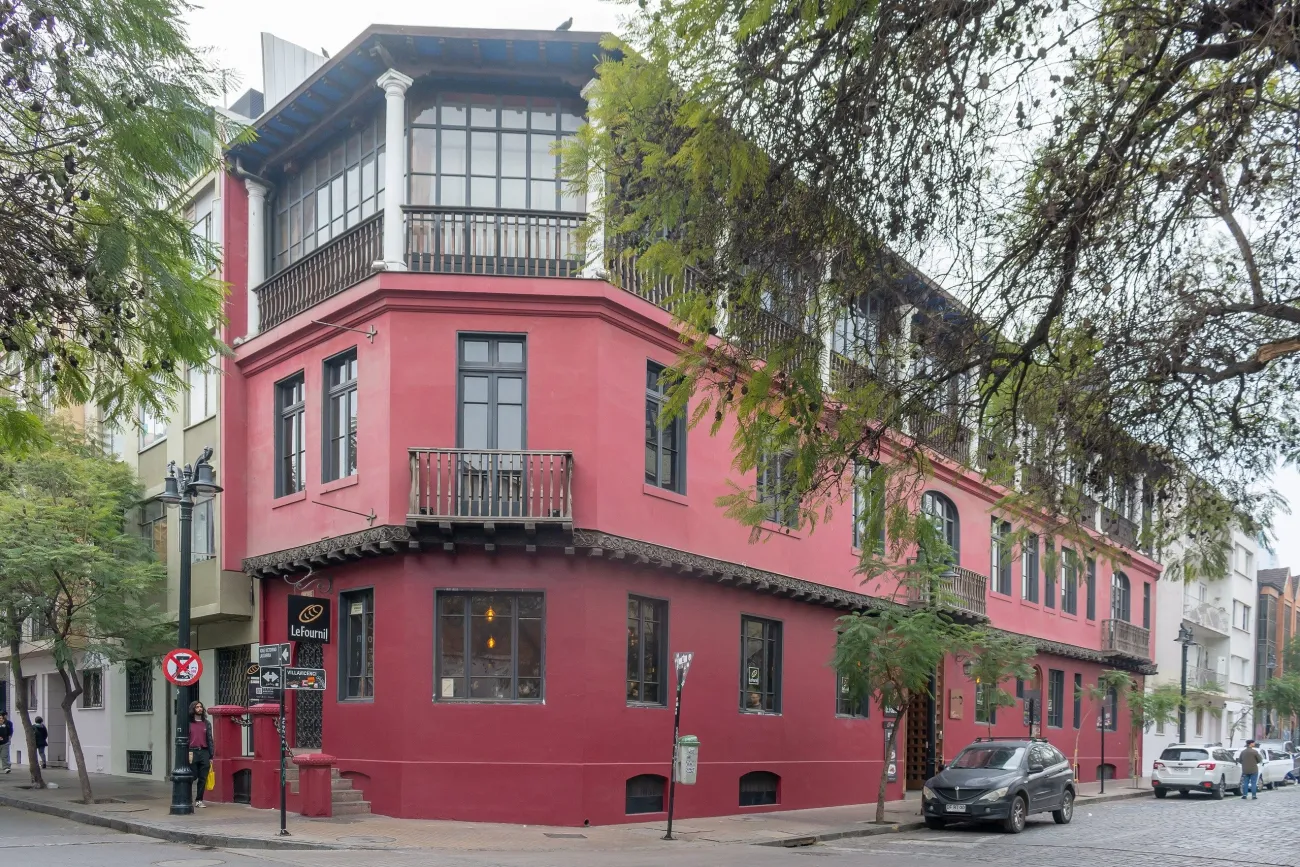

In Chile, a well-chosen base can save more travel time than a faster domestic flight. The useful question is not simply which town has the nicest room. It is whether you can reach tomorrow's activity, eat without a long detour and return comfortably when the weather changes.
Choose the regions first, then make each sleeping base serve a specific part of the trip. A week rarely needs more than a central-Chile stop and one main region. A longer journey can support additional bases, but every move uses time for packing, transport and settling in. This page compares locations and lodging styles; the separate Chile hotel guide is for named properties and their booking conditions.
Compare bases before comparing rooms
Swipe or scroll to compare each base's purpose and main compromise.
Swipe sideways to see the whole table, or focus the table and use the arrow keys.
| Base | Useful for | Main compromise | Check before booking |
|---|---|---|---|
| Santiago | International arrivals, city time and domestic connections | A city address may be far from the airport | Exact neighbourhood, station and airport transfer |
| Valparaíso or Viña del Mar | Heritage hills or a seafront stay | Hills, local traffic and different evening routines | Steps, vehicle access and the last approach |
| San Pedro de Atacama | Desert excursions and astronomy | Remote-looking lodging may need transport for meals | Town distance, pickup area and altitude considerations |
| Puerto Varas | Lake District outings and a flexible town base | Regional attractions still require travel | Parking or tour pickup, heating and wet-weather options |
| Castro or another Chiloé town | Island food, timber heritage and slower touring | Road and ferry journeys between communities | Actual route, ferry and evening food access |
| Puerto Natales | Patagonia services and organised park day trips | Repeated drives to Torres del Paine | Departure point, luggage storage and return time |
| Torres del Paine area | More time close to park landscapes | Meals and transfers can limit flexibility | Exact gate, inclusions and overnight reservations |
| Hanga Roa | Rapa Nui services and guide arrangements | Outlying rooms need more transport | Registered lodging and confirmed island-entry details |
Suggested stay lengths elsewhere in this guide are editorial pacing choices, not minimum stays imposed by every property. Before paying, check the actual rate plan: a room-only night, an all-inclusive lodge package and a guided multi-day itinerary cannot be compared by their first displayed amount alone.
Santiago: choose city access or an airport stop
For a first city stay, choose a specific address within reach of the places and public transport you intend to use. Lastarria and the Bellas Artes area suit a programme centred on museums, cafés and the historic core. Providencia offers another practical starting point, with dining and Metro access depending on the street. Farther-east accommodation may appeal for its room style or a particular appointment, but check the extra journey to your daily plans.
Look at the final walk from the station, not just the neighbourhood name. An address on a busy restaurant street can be convenient for dinner but noisy at night. Ask whether a quiet room is available, whether reception covers your arrival time and how luggage is handled before check-in. Families should check real bed arrangements rather than relying on a general family-friendly label.
An airport hotel is useful for an early departure or a deliberately short connection stay. It is not a substitute for a city base if you want two full days in Santiago. Likewise, a city hotel described as close to the airport may still involve road traffic and a prearranged transfer. Confirm pickup, terminal and the last check-in time with the property.
Valparaíso or Viña del Mar: heritage hills versus seafront routine
Stay in Valparaíso when the main purpose is time among the heritage streets, viewpoints and cultural life of the hills. Cerro Alegre and Cerro Concepción are useful starting areas, but the exact building determines the experience. A map's short walking distance can hide stairs, a steep lane or a street where a vehicle cannot stop at the entrance.
Ask the lodging to describe the complete arrival route with luggage and the recommended evening return. Do not assume that a room advertised with a harbour view has step-free access. If using a vehicle, obtain the parking arrangement and final approach before arrival; navigating the hills while searching for a space is an avoidable start to the stay.
Viña del Mar makes more sense if your priority is a seafront walk, beach access and a more conventional urban-coast routine. It can still support a Valparaíso visit, but commuting between the two eats into the day. Choose one base for a short coast stay rather than changing rooms to collect both town names. The beach comparison separates the shore choices from assumptions about swimming permission.
San Pedro de Atacama: town convenience or an outlying lodge
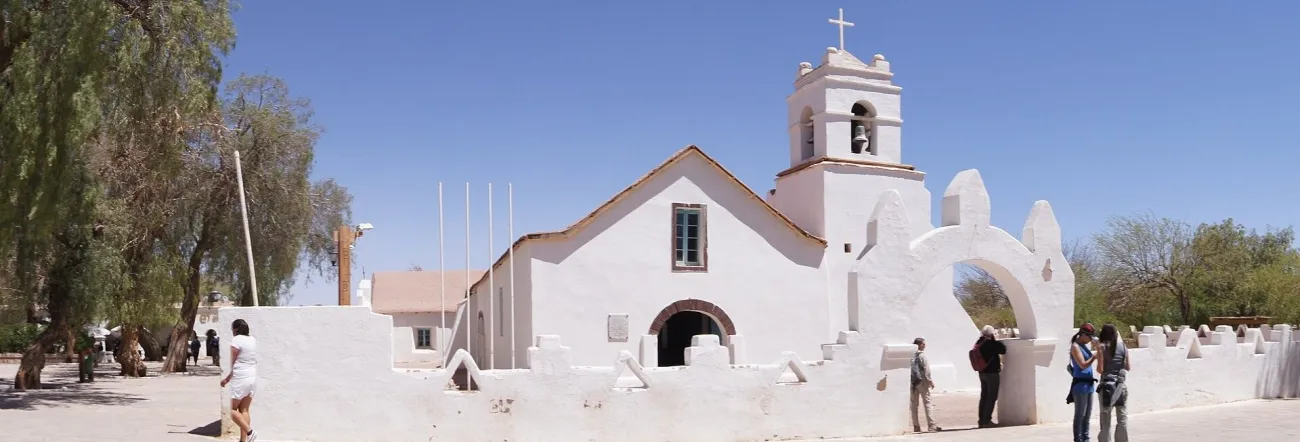

A central San Pedro address helps when you want to walk to meals, compare excursion details and manage an early pickup without arranging a separate vehicle. Check the walking surface, lighting and distance from the actual centre: compact-looking maps can understate dusty roads and awkward luggage approaches. A room facing a lively street may also trade sleep for convenience.
Outlying lodges can offer more space and a quieter setting, but ask how dinner, town visits and excursions work. A shuttle with limited departures is different from transport available whenever you want it. If activities are included, obtain the exact programme, exclusions, age or health restrictions and the arrangements if a highland outing cannot operate.
Sleeping in San Pedro does not remove altitude risk. The town is already around 2,400 metres, and some popular outings climb much higher. Avoid paying for a packed first-day programme simply because it is bundled with a room. Allow a gentler arrival and discuss suitability before a high-elevation excursion. CDC altitude guidance explains why gradual ascent and individual symptoms matter more than fitness claims.
Puerto Varas and Chiloé: avoid turning a slow region into a commute
Puerto Varas is a convenient Lake District base when you want restaurants, lakeside time and flexible day outings. Puerto Montt's airport serves this part of the journey; confirm the transfer to your actual address rather than searching for a Puerto Varas airport. A central room reduces dinner logistics, while a rural lakefront property needs a clearer transport and meal plan.
The official Puerto Varas overview places the town within a wider lakes-and-volcanoes region. Staying there does not make every attraction close. Group outings by direction and keep a wet-weather alternative. Reliable heating, a place to dry outer layers and laundry arrangements can matter more than a balcony during a rainy spell.
Chiloé deserves its own lodging decision if timber churches, markets and island cooking are central to your visit. Castro offers a useful concentration of services; another town can work better for a particular community or route. Check road and ferry connections before choosing an isolated address. A house on stilts may be visually appealing, but the actual property still needs ordinary checks for stairs, warmth, noise and safe access. For a short trip, sleep where the next day's route begins rather than planning repeated long returns to the mainland.
Puerto Natales: services and flexible Patagonia day trips
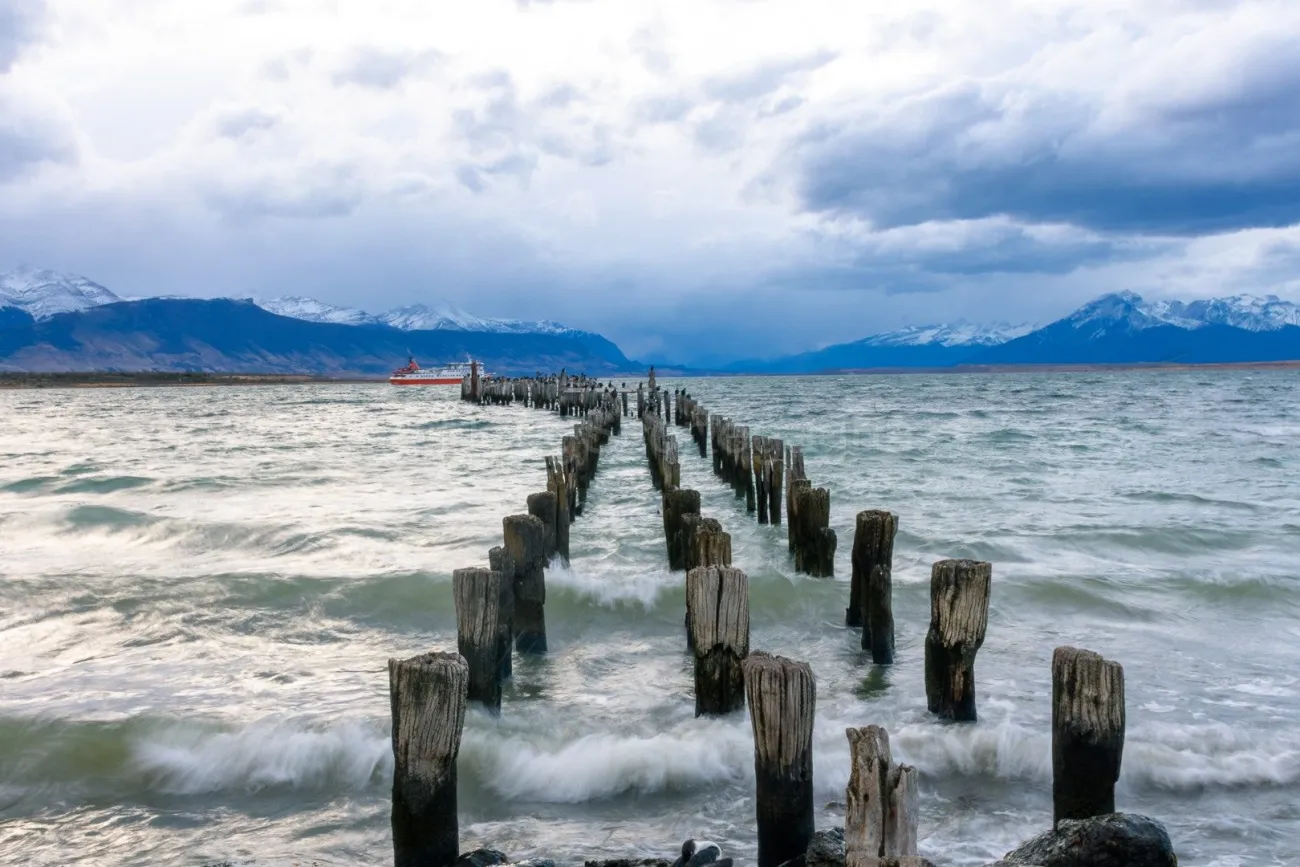

Puerto Natales is a strong base when you want restaurant choice, groceries, equipment services and organised day trips into Torres del Paine. It suits travellers who prefer a town room to a multi-day trek or who need to keep a weather-dependent programme flexible. Choose the room for sleep and pickup logistics rather than assuming every waterfront address has the same convenience.
Ask how early breakfast can be served, where the excursion vehicle collects passengers and whether luggage can be stored between bookings. If you are coming back after a trek, reserve that return night explicitly. A previous stay does not guarantee a room will remain available. Confirm how you can contact reception if weather changes your return time.
The trade-off is the drive into the park. It can be reasonable for selected day outings, but several consecutive days of long transfers may justify a park-area stay. Punta Arenas is a useful flight gateway and a destination in its own right; it is not an efficient daily base for Torres del Paine. A dated airport notice published in November 2026 flags partial PNT operations in January–March 2027. Verify the actual flight before committing to inflexible lodging; PUQ and a land transfer may require a different first night.
Torres del Paine: book the location and the complete stay
A park-area base buys proximity, but only if it is close to the sector you will use. A property described as near Torres del Paine may be outside a particular gate and still require substantial driving to the day's trail or boat. Check the map location, access road and confirmed transfer rather than relying on a park name in the listing.
Lodges, refugios and campsites answer different needs. A lodge can combine meals and organised outings; a refugio or campsite is tied more closely to a walking route and its overnight sequence. Park admission is separate from those sleeping places. A room reservation in Puerto Natales does not establish any right to camp inside the park, and an entry ticket does not reserve a bed.
Request the full package inclusions: meals, drinking water arrangements, bedding or tent equipment, luggage rules, guides, boat connections and return transport. Check the weather-related cancellation terms for each component. Families, non-hikers and visitors with mobility needs should ask about the actual walking surface between rooms, dining and vehicles. The official park information is the starting point for rules and current access; a hotel's marketing page is not the authority for trail openings.
Hanga Roa: keep island services within practical reach
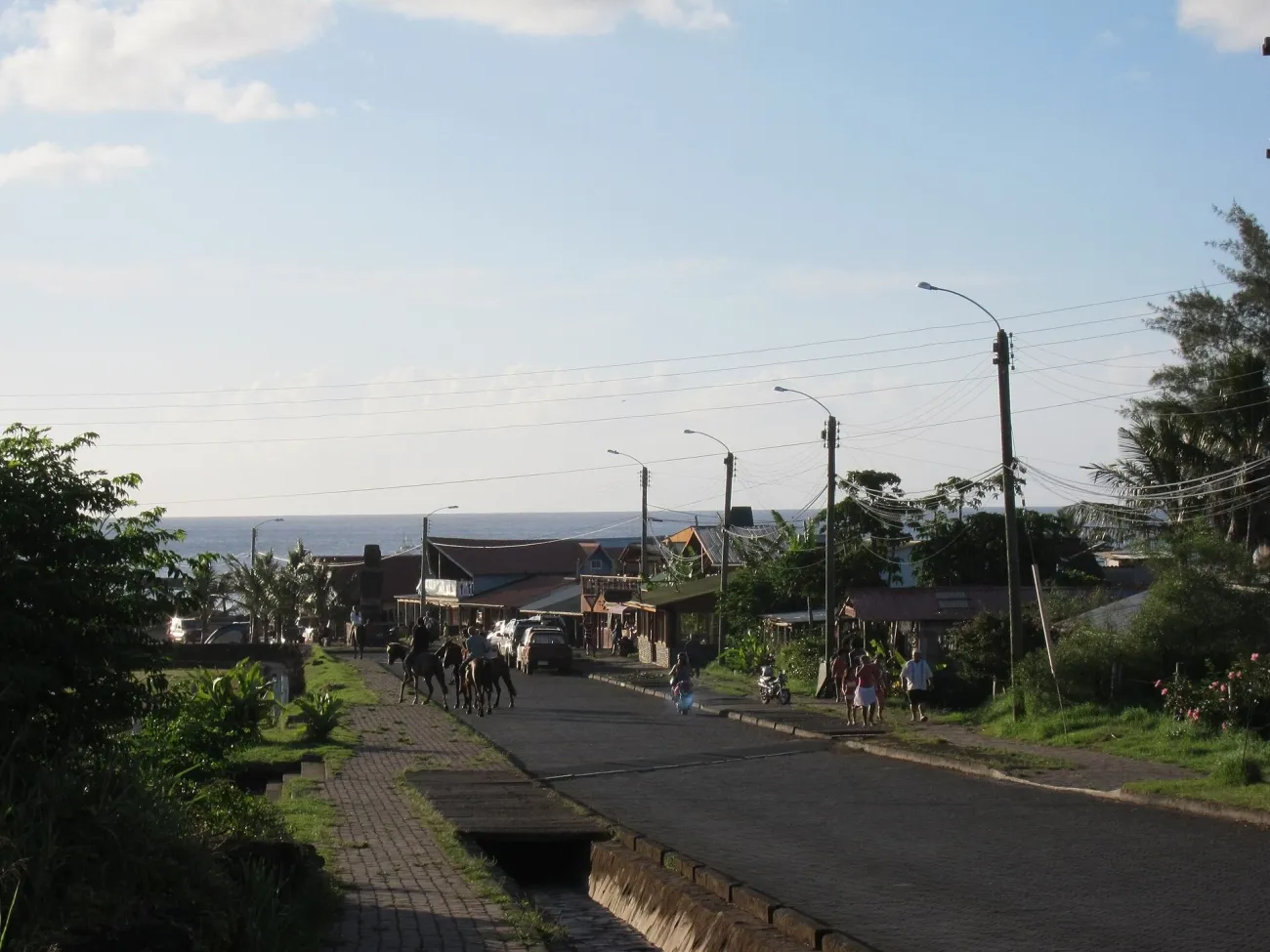

On Rapa Nui, Hanga Roa is the main services base for meals, shops and arranging guided visits. A more central address supports a simple daily routine, while an outlying property may offer a quieter setting with more transport dependence. Check how you will reach dinner and how the guide's pickup works rather than assuming the room rate includes every island journey.
Accommodation registration has a practical entry role. The government's Rapa Nui requirements distinguish registered tourist accommodation from approved host-invitation arrangements. Obtain a proper reservation with the required details and use the official entry process. A casual message about an available room is not a substitute for completing the relevant travel requirements.
Check cancellation terms carefully when combining island flights, lodging and a guide. Leave adequate Santiago connection time on the return to an international departure. Ask about the actual bed layout, ventilation, drinking-water arrangements and laundry before a longer stay. As elsewhere, being near the ocean does not guarantee a swimming beach or a step-free path to one.
Check the room for the people who will use it
For children, request the real bed arrangement, room occupancy and any extra-bed charge. For reduced mobility, ask precise questions: number of steps from the vehicle, lift dimensions where needed, bathroom layout and the distance to meals. A general accessible or family label cannot answer every person's needs. Obtain written answers to the features that determine whether the stay works.
For a week or longer in one place, add kitchen equipment, laundry, heating and noise to the comparison. Verify the final total with cleaning and utility charges, plus the refund and deposit terms. A smaller central room can outperform a larger cheap apartment if the latter needs paid transport for every outing. The longer-stay budget section explains the separate cost calculation; it does not establish permission to work or reside in Chile.
Keep the final Santiago buffer in the accommodation plan when your route ends in a distant region. It gives you a place to reorganise luggage and reduces reliance on a same-day domestic-to-international connection. Pay for the nights the trip actually needs, then choose the room within that sounder plan.
Travel Tip: Send each lodging one practical question before paying: how do I reach tomorrow's activity and return for dinner? The answer often reveals more than a map's short distance or a room photograph.
Frequently asked questions
Should I stay in Puerto Natales or inside Torres del Paine?
Choose Puerto Natales for town services and selected day trips. Choose a suitable park-area base when reduced commuting or a particular walking route justifies its cost and fixed arrangements. Check the exact gate and transfer, since a park name in the listing does not prove proximity to your activity.
Is an outlying Atacama lodge better than staying in San Pedro?
It depends on the included transport and your evening routine. Central San Pedro gives easier access to meals and services. An outlying lodge may provide space and quiet, but confirm shuttle times, pickups and meals before booking.
Can I use one base for Puerto Varas and all of Chiloé?
A day outing may suit a limited objective, but a broader island visit deserves its own nights. Road and ferry travel can make repeated mainland returns tiring. Choose a Chiloé town that fits the communities and activities you actually want to visit.
Do I need registered accommodation on Rapa Nui?
Tourist entry uses registered accommodation, unless you qualify for the separate approved host-invitation arrangement. Check the current official requirements and obtain the reservation details before completing the island entry process.
Last updated: