
Sign in
For Photos4Travel editors and team members.
Chile · Walking & National Parks
Walking and National Parks in Chile: Choose a Hike You Can Actually Do
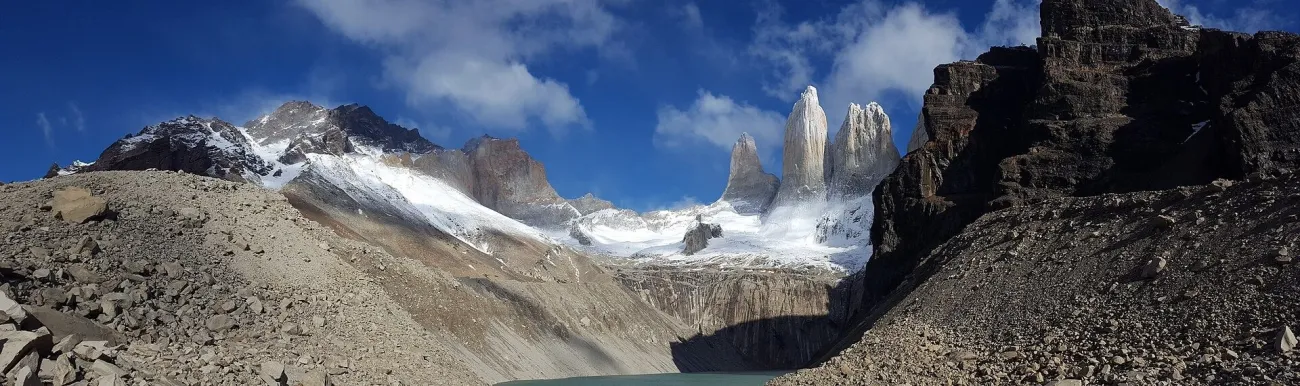

You do not have to walk a famous circuit to enjoy Chile's national parks. A day with lakeside viewpoints, a forest trail and enough time to stop can be more rewarding than a mountain route chosen because it appears in every itinerary. Match the walk to your fitness, available daylight and appetite for uncertainty.
Begin with a region you can reach comfortably, then check the exact trail. A park being open does not mean every path, campsite or crossing is available. This guide separates the booking decisions for Torres del Paine from shorter Lake District and Aysén visits, with dated access notes checked on 15 November 2026.
Choose between a scenic visit, day hike and multi-day trek
These three kinds of visit need different planning. A scenic park day can use road-accessible viewpoints and short walks, leaving room to change direction if wind or cloud worsens. A long day hike commits you to a route and a return journey. A multi-day walk adds overnight reservations, food, equipment and the consequences of reaching the next stop late.
Swipe sideways to see the whole table, or focus the table and use the arrow keys.
| Visit style | Best fit | Check before paying |
|---|---|---|
| Viewpoints and short paths | Mixed fitness levels and limited time | Gate, road, local path access and return transport |
| Full day hike | Walkers comfortable with a long outing | Elevation, surface, cutoff times, daylight and current restrictions |
| Multi-day trail | Prepared walkers with flexible travel days | Every overnight place, meals, route direction, transport and equipment |
Ask how a route feels in poor conditions, not only how long it takes in a clear-weather description. Wet roots, loose stones, snow and a strong headwind can change the day. For children or a mixed group, the least experienced person's comfortable pace should shape the plan.
Torres del Paine without committing to the W
A Torres del Paine day visit can make sense if you want the landscape but do not want to carry a pack between refuges. Choose your base and gate first. Staying in Puerto Natales provides town services, but it also adds a substantial return journey. In or near the park, check the actual location, meal arrangements and transfers; a hotel name containing “Patagonia” does not establish convenient access.
Plan a small number of stops rather than trying to collect every viewpoint. Lago Pehoé and the Cuernos landscape belong to a different day from a demanding Base Torres walk if your group needs a gentle pace. A scenic circuit is also a useful reserve plan when conditions are unsuitable for a mountain outing.
Base Torres is a serious day-hike choice, rather than the default activity for every visitor. Confirm current trail requirements, conditions, turnaround limits and your way back. The official park rules require marked routes and daylight walking. Do not plan a normal nighttime ascent simply because you have seen a sunrise photograph. A longer holiday gives you more choices; it does not remove the ranger's authority to close a trail.
The W and O: reserve the complete chain
The W links the park's principal trekking valleys; the longer Macizo Paine, commonly called the O, adds the back side of the massif and a more demanding commitment. Choose based on the walking experience you want, not on the idea that a longer circuit is automatically a better visit. For a first trek, describe your real recent walking experience to an operator before choosing daily stages.
Check your intended dates against every overnight place before fixing the route. The booking chain includes park admission, camps or refuges, meals or self-catering arrangements, any hired equipment and the transport needed at both ends. A confirmation for one camp does not establish availability at the next. Keep a simple written plan with each date, location, reservation reference and what is included.
2026 admission change: CONAF's 28 April announcement introduced one-day and two-or-more-day tickets from 1 May, with the latter covering up to ten consecutive days. Older guides using a three-day dividing line are out of date. Select the correct current visitor category and dates in Pases Parques; verify the displayed price rather than budgeting from an old screenshot.
Guides, weather and the day before your Paine walk
Guiding rules change with conditions. CONAF's 14 September 2026 notice lifted the temporary Base Torres and W guide requirement from 16 September, while keeping weather-dependent equipment measures. It made O-circuit reopening subject to assessment. That notice should not be read as proof a particular trail will be open on your date.
The practical final check belongs close to departure: current park notices, forecast, ranger advice, trail cutoff and transport confirmation. If the plan depends on a boat, check its conditions separately. Keep a less exposed alternative that you would still enjoy; the fallback should not be another long mountain walk with the same weather problem.
Carry layers suitable for rain and wind, food, appropriate navigation and a way to protect essential items. Check rescue and walking coverage in your insurance. There is no fuel station in the park, so drivers should organise fuel before entry. In a remote place, preparation buys options; a good mobile phone signal and immediate help cannot be assumed.
Lake District parks: waterfalls and forest need separate plans
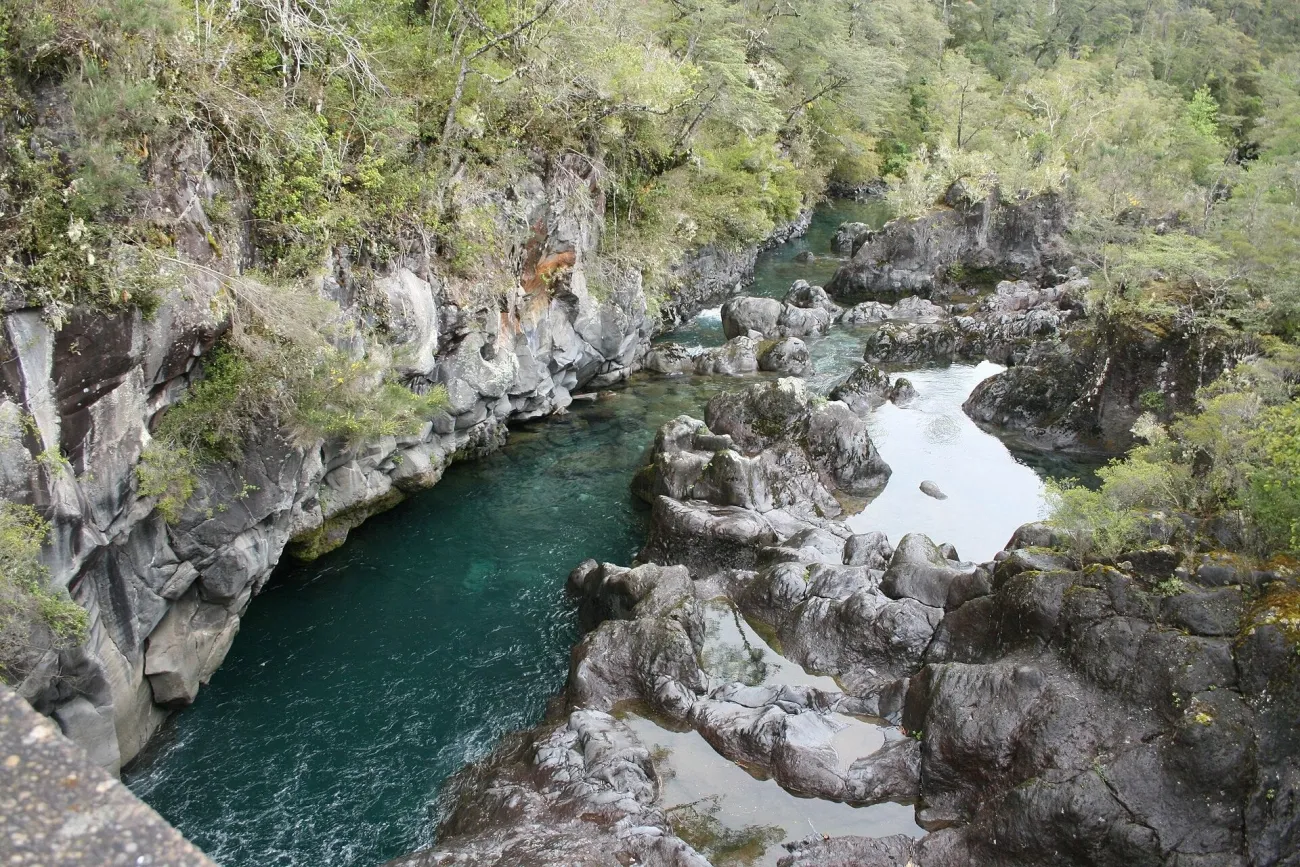

Vicente Pérez Rosales National Park fits a Puerto Varas-based trip when you want to combine the Petrohué area with lake and volcanic scenery. Choose a visit around the paths and viewpoints actually available, rather than equating a waterfall stop with a mountain ascent. Keep time for the return drive and do not promise yourself a clear volcano view.
Alerce Andino National Park offers a different focus: temperate rainforest and alerce habitat. It deserves a day selected for that landscape, rather than a rushed add-on after another distant park. Bring rain protection and footwear suited to wet ground even on a summer trip.
Access note, checked 15 November 2026: CONAF lists Laguna Sargazo, Laguna Fría, Catedral de Alerce, Rodal de Alerce, Laguna Triángulo and Laguna Chaiquenes as closed until further notice. Confirm an authorised open route with the park before setting out. An old map or an online photograph is not evidence that a route through these sectors is available.
Aysén: Cerro Castillo, Queulat and Patagonia National Park
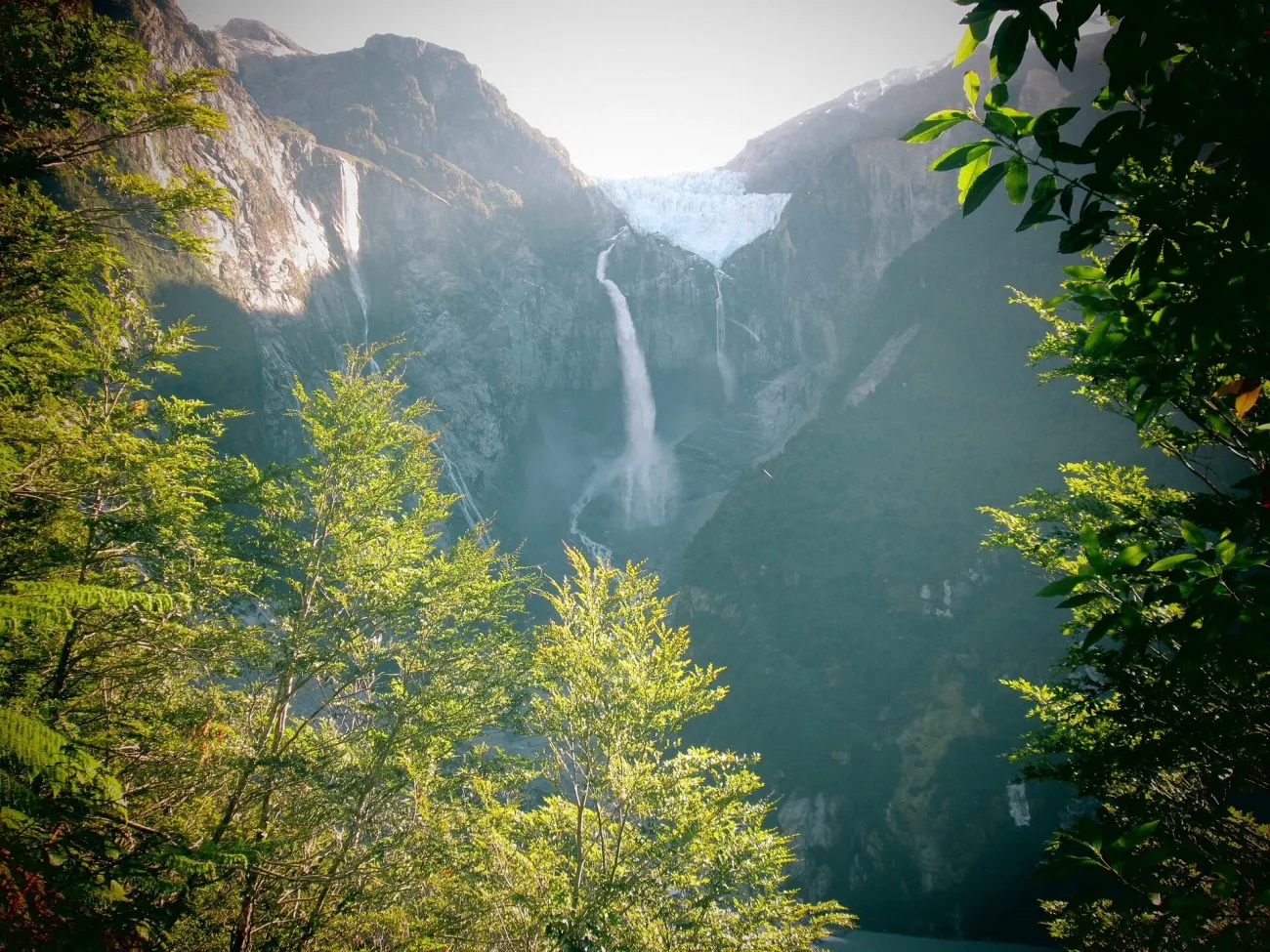

Aysén is a regional trip with its own driving and ferry decisions. It is not a spare afternoon between the Lake District and Torres del Paine. Choose a small area, then check the access status and effort of the actual walks before reserving the vehicle and overnight bases.
Cerro Castillo: on 15 November 2026, the CONAF page describes Laguna Castillo and Horquetas access under certified-guide restrictions, and Estero Parada closed to self-guided visitors with guide and authorisation requirements. Do not turn a popular lagoon photograph into an unrestricted independent hiking recommendation.
Queulat: the park page lists the Ventisquero Colgante sector's camping area as closed from 17 April 2026 until further notice. Campsite status and day-path status are separate questions. Check both, and arrange accommodation accordingly.
Patagonia National Park: CONAF distinguishes the Jeinimeni, Chacabuco and Tamango sectors, with different notices and camping arrangements. Choose the sector you can reach and explore properly. Ask about remaining snow and the current trail before treating all three areas as one interchangeable stop.
Responsible travel: keep the next visit possible
The most useful conservation decision is often the simplest: stay on the authorised route. Do not step beyond a barrier for a foreground, shortcut through fragile ground or approach an animal to make it look larger in a photograph. Watch wildlife at a distance, keep food secure and never feed it. Take waste back out if an appropriate collection point is unavailable.
In Torres del Paine, fire and heat-source rules are particularly strict. Do not smoke, light a fire or use a stove wherever you stop for lunch; only the specifically authorised cooking areas are suitable. Check rules for your exact overnight site. Keeping to a cooking shelter is part of the walk, not an optional inconvenience.
Rapa Nui adds cultural responsibilities. The Ma’u Henua park rules require an accredited guide, prohibit touching monuments or removing objects, and restrict drones and commercial photography. Keep sacred sites out of the role of props and ask permission before photographing identifiable people. Pay local guides and hosts for the service agreed, and respect access decisions even when a site looks empty. For wider trip preparation, see health, safety and useful contacts.
Atacama access check, 15 November 2026: Valle de la Luna's operator shows closure notices, including Ckari viewpoint. Confirm actual operation directly; a general trail listing does not override a specific closure.
Travel Tip: Keep three confirmations together: the exact open trail, the place you will sleep and the transport that gets you out. A park ticket answers only one part of that plan.
Frequently asked questions
Do I need to trek the W to see Torres del Paine?
No. You can organise a scenic visit using authorised viewpoints and shorter walks. Choose transport, gate and base carefully, and keep the itinerary realistic rather than trying to add Base Torres to every day tour.
Does a park ticket include camping or a refuge?
No. Admission, overnight reservations, meals, equipment and any transport are separate unless a package explicitly includes them. For a multi-day walk, confirm the complete overnight sequence before fixing the trip.
Is a guide mandatory in Torres del Paine?
Requirements depend on the route, season and current conditions. A September 2026 notice lifted the temporary Base Torres and W mandate, but the park can still impose restrictions. Check CONAF for your date rather than relying on an always-or-never rule.
Can I walk to Base Torres in darkness for sunrise?
CONAF prohibits walking park trails without daylight. Do not build an ordinary visitor itinerary around a nighttime ascent. Choose photography plans that fit authorised access and ranger instructions.
Can I take a drone into Chilean national parks?
Do not assume visitor drone flights are allowed. Torres del Paine prohibits them apart from authorised exceptions, and Rapa Nui requires authorisation. Check the specific park and any aviation requirements before bringing a flight plan.
Last updated: