For a three-day trip without a car, choose Porto if you want a compact route built around the river, a cellar visit and time over lunch. Choose Lisbon if you would rather explore several distinct neighbourhoods and give Belém a day of its own. Both cities involve hills. Porto’s sights may sit closer together on a map, but the climb from Ribeira to the cathedral is still a climb.
Our pick for a short, unhurried break is Porto. Lisbon gets the nod when variety matters more than keeping the route small. The useful question is what you want to fit between arrival and departure—and where your hotel sits in relation to it.
The plans below assume three calendar days and two nights, with arrival by lunchtime on day one and an evening departure on day three. If your flights leave less time, drop a stop rather than treating the arrival day as a full sightseeing day. The comparison focuses on the two cities themselves; Sintra and the Douro Valley need additional time.
Lisbon or Porto? Start with the days you want
A view of the river is easy to include in either city. The difference is how much travelling you do between the other things on your list.
On a small screen, swipe sideways to read the whole table.
| Your priority | Lisbon | Porto |
|---|---|---|
| A varied first visit | Baixa, Alfama, Chiado and a separate outing to Belém. | The historic centre, both sides of the Douro and a port-wine cellar if that interests you. |
| Keeping the route compact | Group districts together; Belém requires transport from the centre. | Many central sights link into one walk, with steep changes in level near the river. |
| Photography | Roofscapes, tiled streets, viewpoints and the broad Tagus waterfront. | Ribeira from Gaia, the Dom Luís I Bridge and contrasting river-level and elevated views. |
| Food as part of the day | A pastry stop in Belém, neighbourhood lunches and dinner near your base. | Bolhão when the market is open, a francesinha, or lunch before a booked cellar visit. |
| Avoiding steep walks | Stay around Baixa or a suitable Metro station; check the final approach to the hotel. | Stay near Trindade or Aliados and use transport to the upper river viewpoints. |
Neither historic-centre route below is step-free. For a pushchair, heavy luggage or limited mobility, check the hotel entrance and the actual street approach, not just its distance from a station.
Choose the base before you choose the room
In Lisbon, Baixa is a practical starting point for this itinerary: you can walk towards the river, reach the Metro and tackle Alfama without repeatedly crossing town. Chiado also works, but a hotel described as “near Baixa” can be uphill. Alfama rewards travellers who want to stay among its lanes; luggage, stairs and vehicle access deserve a closer look before booking. Our Lisbon accommodation guide compares these areas and alternatives along the Metro.
In Porto, start the search around Trindade or Aliados if straightforward airport access matters. A room by Ribeira gives you the river at the door, with an uphill journey to much of the centre. Across the water, Gaia can mean either the lower waterfront or the much higher area around Jardim do Morro. Read the location carefully. The Portugal places-to-stay guide covers the Porto–Gaia trade-off.
For two nights, compare the final room price, cancellation terms and walking route from transport. A small saving loses its appeal if every return to the hotel requires an awkward detour.
Airport transfers and getting around without a car
Both airports connect to their city’s rail network. The times here describe the station journey; allow separately for arrivals, waiting, luggage and the walk to your room.
On a small screen, swipe sideways to read the whole table.
| City | Example route | Single fare and card |
|---|---|---|
| Lisbon | Aeroporto to Baixa-Chiado, changing at Alameda: about 31 minutes in the Metro operator’s journey guide. | €1.90 Carris/Metro ticket loaded onto a €0.50 navegante occasional card. |
| Porto | Airport to Trindade on Metro line E: about 30 minutes, without changing trains. | €2.30 Z4 ticket loaded onto a €0.60 Andante Azul card. |
The figures come from Lisbon Metro’s airport guide, its 2026 fares and card information, plus Porto’s official arrival guidance and the Andante tariff. Each traveller needs their own card.
In Lisbon, a 24-hour Carris/Metro ticket costs €7.25. Four separate €1.90 tickets total €7.60, so a busy transport day can justify the pass; a walking day may not. These are loaded-ticket prices, not fares bought from a tram driver. Our Lisbon transport guide explains the wider options.
In Porto, choose the zone ticket for your destination: a local Z2 ticket is €1.40, while the airport–Trindade journey needs Z4. Validate your Andante card at the start of each journey and when changing lines or vehicles. The airport ride does not make a Z4 ticket necessary for every trip during your stay.
What three days actually look like
These routes leave room for meals and pauses. Each day has one main direction, so you spend less time retracing the same uphill streets.
Lisbon: Alfama, Belém and a final morning in Chiado
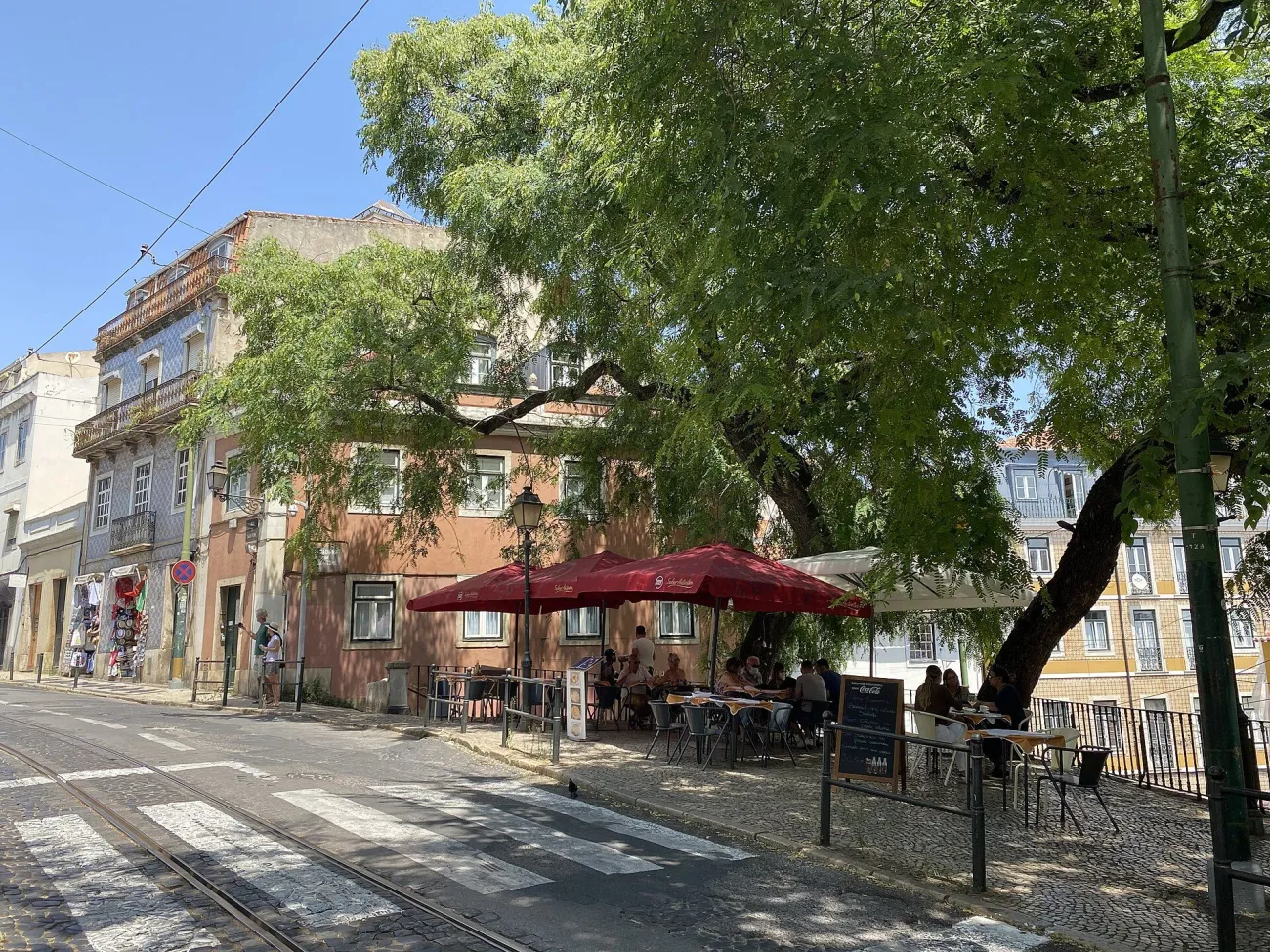
Day 1 — Baixa to Alfama. After leaving your bags, walk through Baixa and towards the cathedral, then continue uphill to Santa Luzia and Portas do Sol. Explore a few of Alfama’s lanes before working back down towards the waterfront. Choose lunch or dinner along the route rather than booking a table across town. Our Lisbon food guide helps turn that pause into part of the day.
Day 2 — Give Belém its own outing. Take transport west—tram 15E is one option—and choose your main interior visit in advance. Jerónimos works well as the anchor, followed by a pastry stop and the waterfront near the Monument to the Discoveries. If Belém Tower is a priority, arrange its visit too and leave more time; simply having a sightseeing pass is not the same as holding an entry reservation. Check the booking notes below before committing the day.
Day 3 — Chiado, a café and time to collect your bags. Walk from Baixa up to Chiado and Largo do Carmo, then keep the remaining morning flexible. An interior visit is an option if its opening time fits, not an obligation before a flight. Finish lunch near your accommodation and leave a proper airport margin. The full Lisbon guide is useful if you add a night and want to expand the route.
What to leave out: Sintra. Adding a day trip to a two-night stay removes the breathing space that makes this plan work.
Porto: the old centre, Gaia and a slower last morning
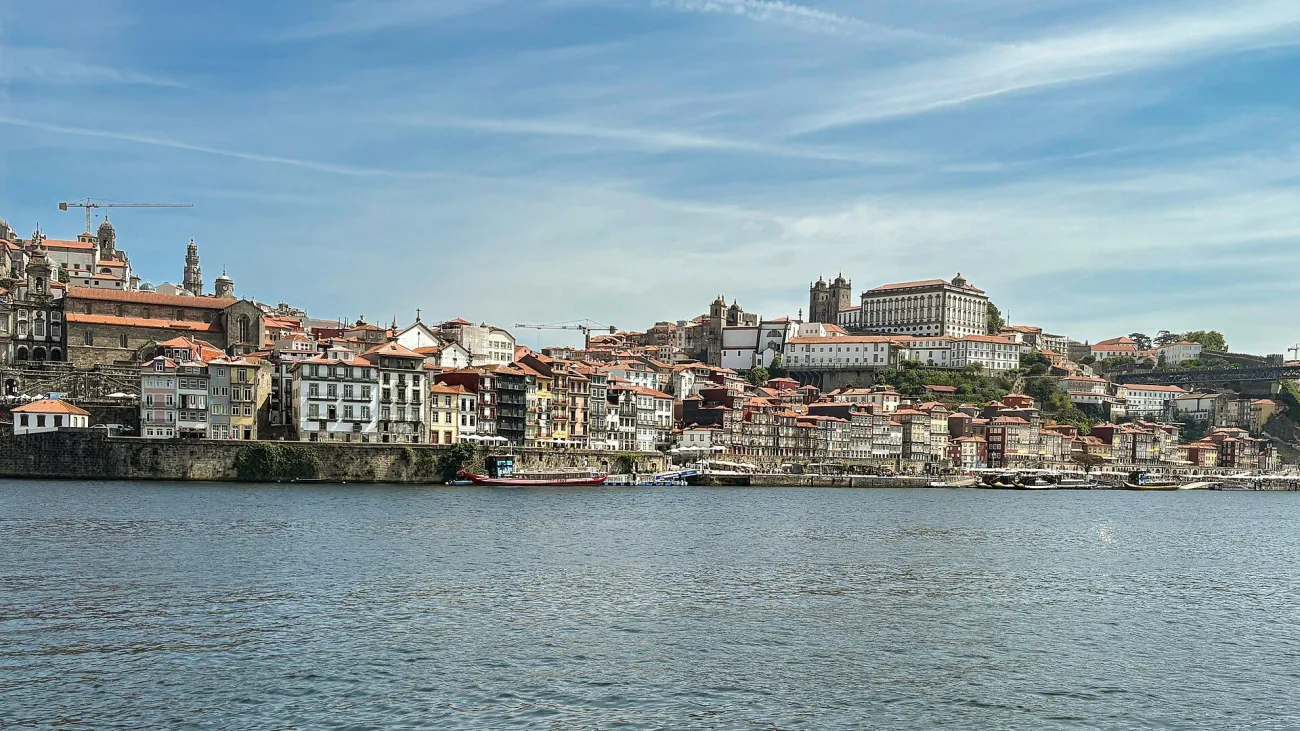
Day 1 — Start high and finish by the river. If your arrival and the opening day allow it, start around Bolhão for lunch, then continue through Aliados towards São Bento. Take Rua das Flores downhill towards Ribeira and spend the late afternoon by the Douro. The market’s official hours are Monday–Friday 08:00–19:00 and Saturday 08:00–18:00; the market closes on Sundays and public holidays. Move the market stop to another day if necessary.
Day 2 — Gaia from the top down. Take Metro line D to Jardim do Morro for the elevated river view. Explore the pedestrian side of the upper bridge deck, then descend through Gaia towards the waterfront. Book one cellar visit if wine interests you and allow time for lunch; several tastings would reshape the day. Return to Ribeira over the lower bridge deck. You get both heights without making the same climb twice.
Day 3 — Clérigos and Cordoaria. Spend the morning around the Clérigos area and Jardim da Cordoaria, with a café stop before collecting your bags. Add a timed interior visit only if it leaves a comfortable departure margin. For the wider region, our Portugal guide puts Porto alongside the other places you might include on a longer trip.
What to leave out: a full Douro Valley excursion. With only two nights, it takes away most of your one complete day in Porto.
Which city is better for a short photo walk?
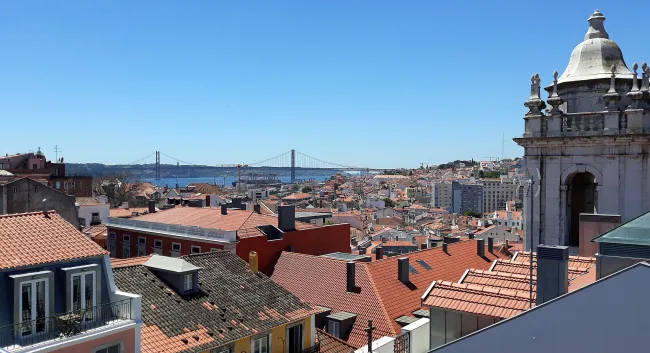
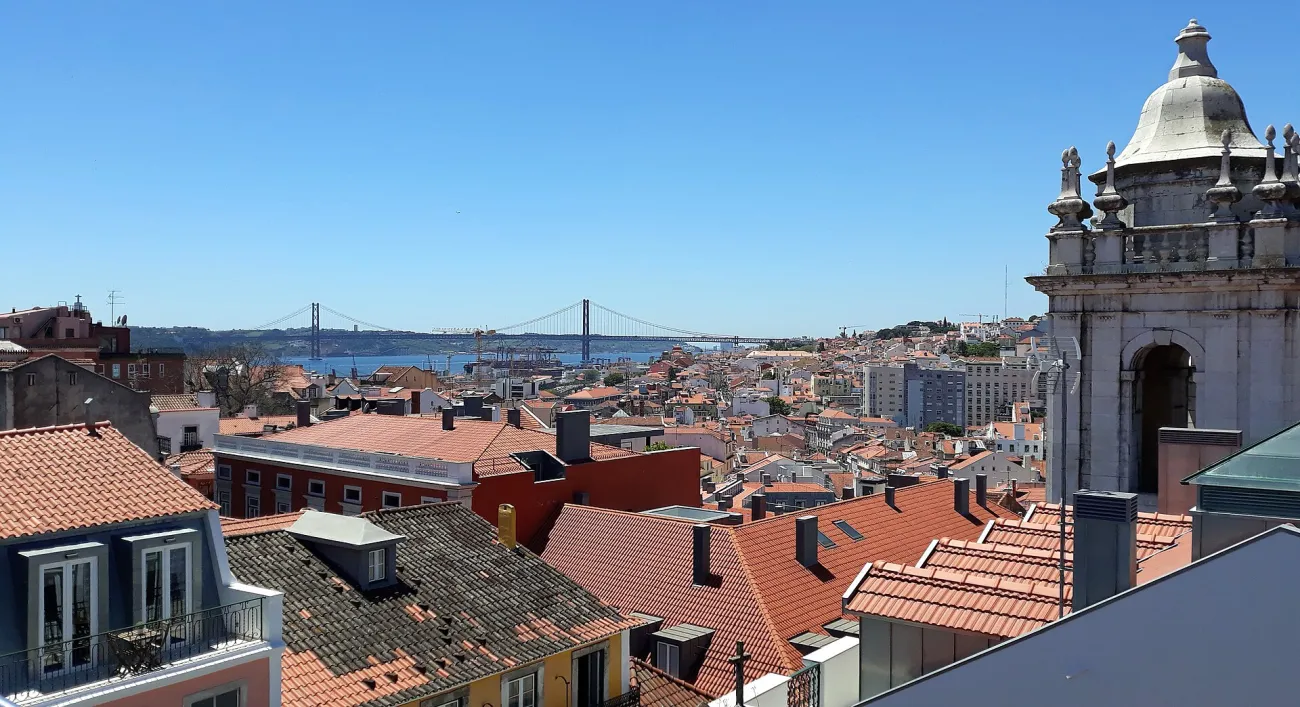
Choose Lisbon for variety within the frame. Around Santa Luzia and Portas do Sol, the lanes, roofs and Tagus sit at different depths. Allow time for a change of position rather than collecting every viewpoint. A wider roofscape and a closer street detail can tell more about the neighbourhood than several nearly identical panoramas. Our Lisbon photo spots guide gives you more locations if photography is the main reason for the trip.
Choose Porto for a compact sequence of connected views. From the Gaia waterfront, look across to Ribeira with the cathedral rising behind it. From Jardim do Morro and the upper bridge level, the river becomes part of a much broader scene. The two viewpoints reward different compositions, so decide whether you want the water close to the foreground or the city spread beneath you.
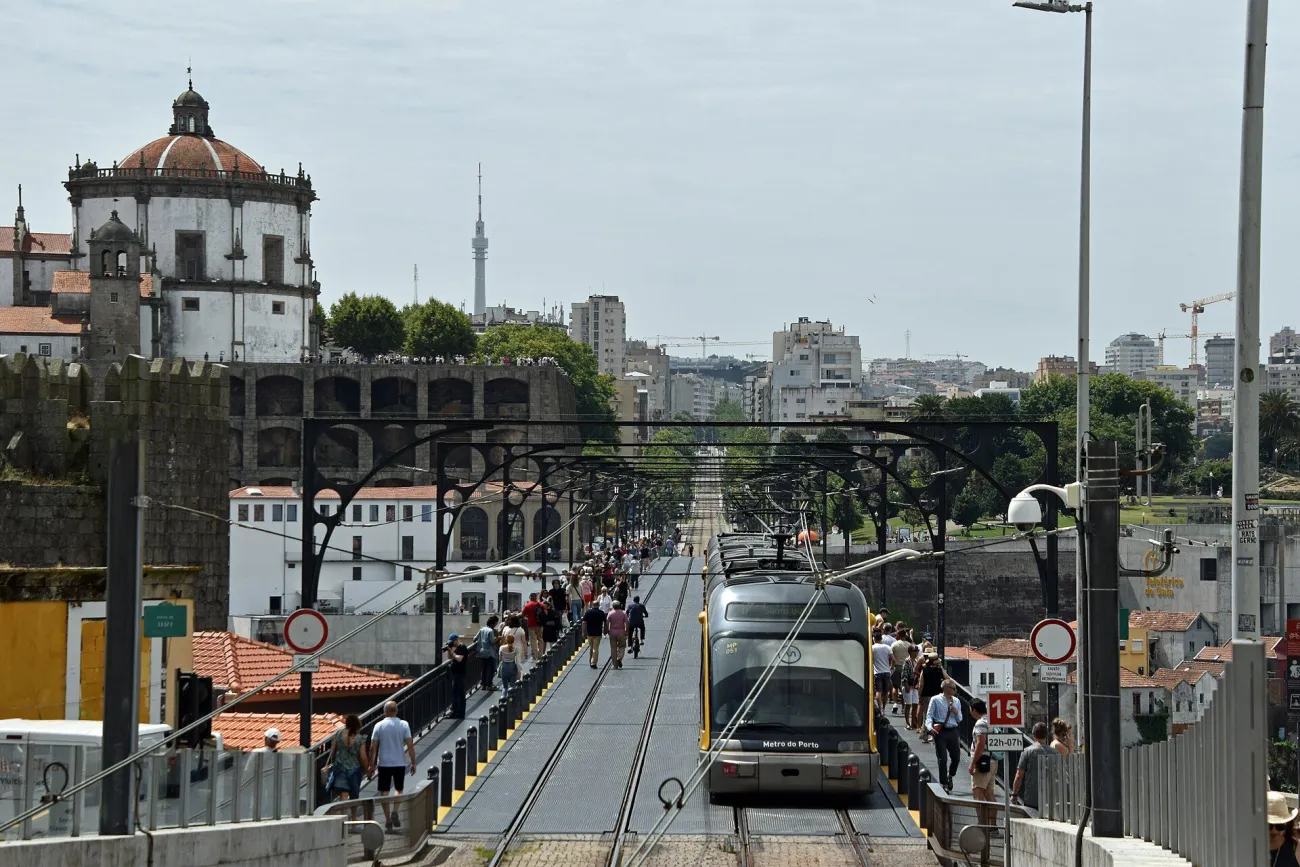
The Dom Luís I Bridge’s upper deck carries Metro trains as well as pedestrians. Stay on the pedestrian path and keep through-space clear when stopping for a photograph. If you want the evening view from Gaia, build dinner around that side of the river instead of rushing across town afterwards. Neither city guarantees an empty viewpoint at sunset.
Is Porto cheaper? Price the same trip in both cities
Start with the room and flight quotes for your dates. To show how the remaining costs fit together, the example below uses the same spending allowances in both cities: €120 per room per night, €40 per person per day for food, and €20 per person for paid visits. These are planning choices, not live hotel offers, average prices or attraction quotations.
On a small screen, swipe sideways to read the whole table.
| Budget item | Lisbon | Porto |
|---|---|---|
| One room: €120 × 2 nights | €240.00 | €240.00 |
| Food: €40 × 2 people × 3 days | €240.00 | €240.00 |
| Paid-visit allowance: €20 × 2 people | €40.00 | €40.00 |
| Transport and two reusable cards | €16.20 | €16.00 |
| Municipal tourist tax: 2 adults × 2 nights | €16.00 | €12.00 |
| Illustrative total for two | €552.20 | €548.00 |
The Lisbon transport line allows four €1.90 journeys per person—two airport journeys and a return outing to Belém—plus a €0.50 card each. Porto allows two €2.30 airport journeys and two €1.40 local journeys per person, plus a €0.60 card each. Extra rides, taxis and different ticket choices change the total.
The adult overnight tax is €4 per person in Lisbon and €3 in Porto municipality. The Porto calculation is for accommodation inside Porto, not a property across the river in Gaia. If a room quote already includes the tax, do not add it twice.
Only €4.20 separates these two examples because the room, meal and visit allowances are identical. That does not establish which city is cheaper for your dates; it shows why the actual room quote can matter much more than a small transport saving. Replace the allowances with your bookings and add flights, any extra admissions, insurance and luggage storage as needed.
Check the dates before buying passes or tickets
In Lisbon, check the reservation as well as the pass. The official Lisboa Card visitor notice, checked on 17 November 2026, says cardholders must book a date and time for Belém Tower and Jerónimos after exchanging their voucher for the card. The same notice lists the Santa Justa lift and National Tile Museum among temporary closures. Check it again before travel; neither is a fixed stop in the routes above.
The Jerónimos cloister’s official listing shows a Monday closure. Swap your days if needed rather than arriving in Belém with the main visit unavailable.
Keep one indoor alternative close to the route. For a wet spell in Lisbon, the Lisboa Story Centre is at Terreiro do Paço, near the Baixa waterfront. In Porto, Palácio da Bolsa offers guided visits near Ribeira; the operator describes tours of about 30 minutes, with the language arranged in arrival order. Check availability before turning either into the day’s main plan.
Can you visit Lisbon and Porto in three days?
You can travel between them, but for this two-night break we would choose one. Changing cities means reaching the station, taking the train, dropping bags again and working around another check-in. The time comes out of the walks and meals that made the trip appealing.
If both are essential, add nights and use our seven-day Lisbon and Porto itinerary as the starting point. Our Portugal transport guide covers the wider rail planning; confirm departures for your dates with CP’s current long-distance timetable.
Lisbon vs Porto: frequently asked questions
Is Lisbon or Porto better for a first visit to Portugal?
Choose Lisbon if you want several neighbourhoods and Belém in the same break. Choose Porto if a smaller central route, river views and time for a cellar visit appeal more. For a relaxed two-night stay, our pick is Porto; for a broader introduction with another night available, Lisbon becomes easier to fit.
Are three days enough for either city?
Three calendar days can give you a satisfying first visit if arrival and departure leave useful time. The routes here assume arrival by lunchtime and an evening flight home. Late arrival or early departure means shortening the plan. Save Sintra and the Douro Valley for a longer stay.
Do you need a car in Lisbon or Porto?
No car is needed for these central itineraries. Both airports have rail connections, and walking plus public transport covers the proposed routes. Hotel location and the hill between the station and your door matter more than having a car.
Is Porto always cheaper than Lisbon?
No. Compare flights and the final accommodation quote for your dates. Our example keeps hotel, meal and admission allowances equal, so it compares a small difference in transport and tourist tax. It is not a survey of prices across the two cities.
Which city is easier to photograph in a short visit?
Porto puts river-level and elevated views close together around Ribeira, Gaia and the Dom Luís I Bridge. Lisbon gives you more varied neighbourhood scenes, with travel time between some areas. Porto suits a tightly focused river photo walk; Lisbon suits a wider mix of streets, roofscapes and waterfront.
Should you split a two-night stay between both cities?
We would stay in one. A one-night stop in each makes the intercity transfer a large part of the break. Add nights if both cities are priorities, then plan the railway journey around the rest of the trip.
Last updated: . Transport fares, visitor notices and tax sources checked on this date.