
Sign in
For Photos4Travel editors and team members.
Argentina · Photo Spots
Argentina Photo Spots: Where, When & How to Photograph

A good Argentina photography plan begins with access, distance and a second chance at the light. A mountain image may involve a long walk; a waterfall viewpoint may be closed; a city façade may be simple to reach but difficult to photograph without crowds. Choose a few places you care about and give each enough time, rather than turning a countrywide trip into a race between famous frames.
Use the photographs to compare subjects and compositions, then build your own route around current access and the weather on your dates. Follow signs, staff instructions and site permissions when choosing where to stand.
Plan access before ideal light
Sunrise and sunset vary with latitude and date. Buenos Aires, Iguazú and Ushuaia cannot share one useful golden-hour timetable. Check the local sun position for your actual date, then compare it with legal access and transport. A park opening after sunrise prevents an ordinary visitor from promising a sunrise frame at every interior viewpoint.
For a long mountain walk, build the plan around safe daylight, forecast, fitness and the return journey. Do not extend a route into darkness simply to copy a photograph taken by someone with different equipment, permissions or overnight arrangements. A shorter viewpoint with a flexible second day can be a better choice than a single ambitious hike in a tightly booked itinerary.
On a small screen, swipe the table horizontally. Keyboard users can focus the table area and use the arrow keys.
| Place | Photographic approach | Access or timing check |
|---|---|---|
| Buenos Aires waterfront and avenues | Water, skyline and the scale of the streets | Work from safe public positions and keep traffic crossings separate from framing. |
| Caminito and La Boca | Colour, façades and street details | Visit in daylight, respect residents and request permission for people. |
| Recoleta Cemetery | Architectural details and light between monuments | Check admission and photography rules; respect mourners and closed areas. |
| Iguazú Falls | Spray, scale and changing rainbows | Open circuits and safe equipment handling take priority over ideal light. |
| El Chaltén and Fitz Roy | Mountain scale and a second chance at clear weather | Trail conditions, daylight, wind and return time decide the position. |
| Purmamarca and Salinas Grandes | Layered hills, textures and salt-flat perspective | Acclimatisation, local guidance and permission precede the photograph. |
| Ushuaia and the southern coast | Coast, weather and mountain backdrops | Use a position compatible with weather, access and return transport. |
Buenos Aires waterfront and Avenida 9 de Julio
For the waterfront, use public promenades and look for a clean relationship between buildings, water and any reflections. A still early morning can offer a very different frame from a busy evening, but wind controls reflections more than the clock does. Keep cyclists, runners and ordinary pedestrian movement in mind when choosing where to stand. Do not place a tripod across a path or step beyond a barrier for a clearer edge.
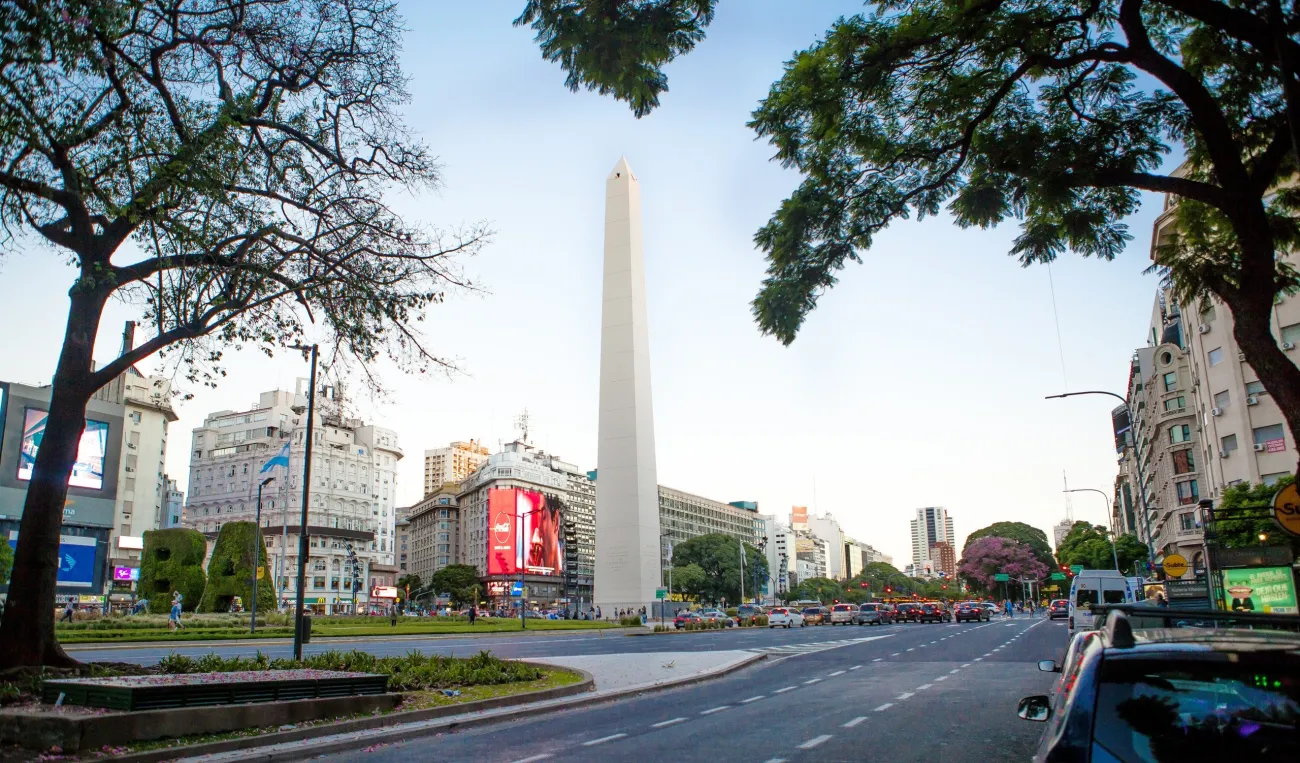
Avenida 9 de Julio and the Obelisco require a different approach. Work from a permitted pavement or pedestrian space and allow the avenue’s width to become part of the composition. Traffic islands and road lanes are not informal viewpoints. Try a wider environmental frame before using a long lens that encourages you to back into an unsafe position. The avenue photograph here shows one public view, not a recommendation to reproduce a particular camera position.
Caminito and La Boca: colour without blocking the street
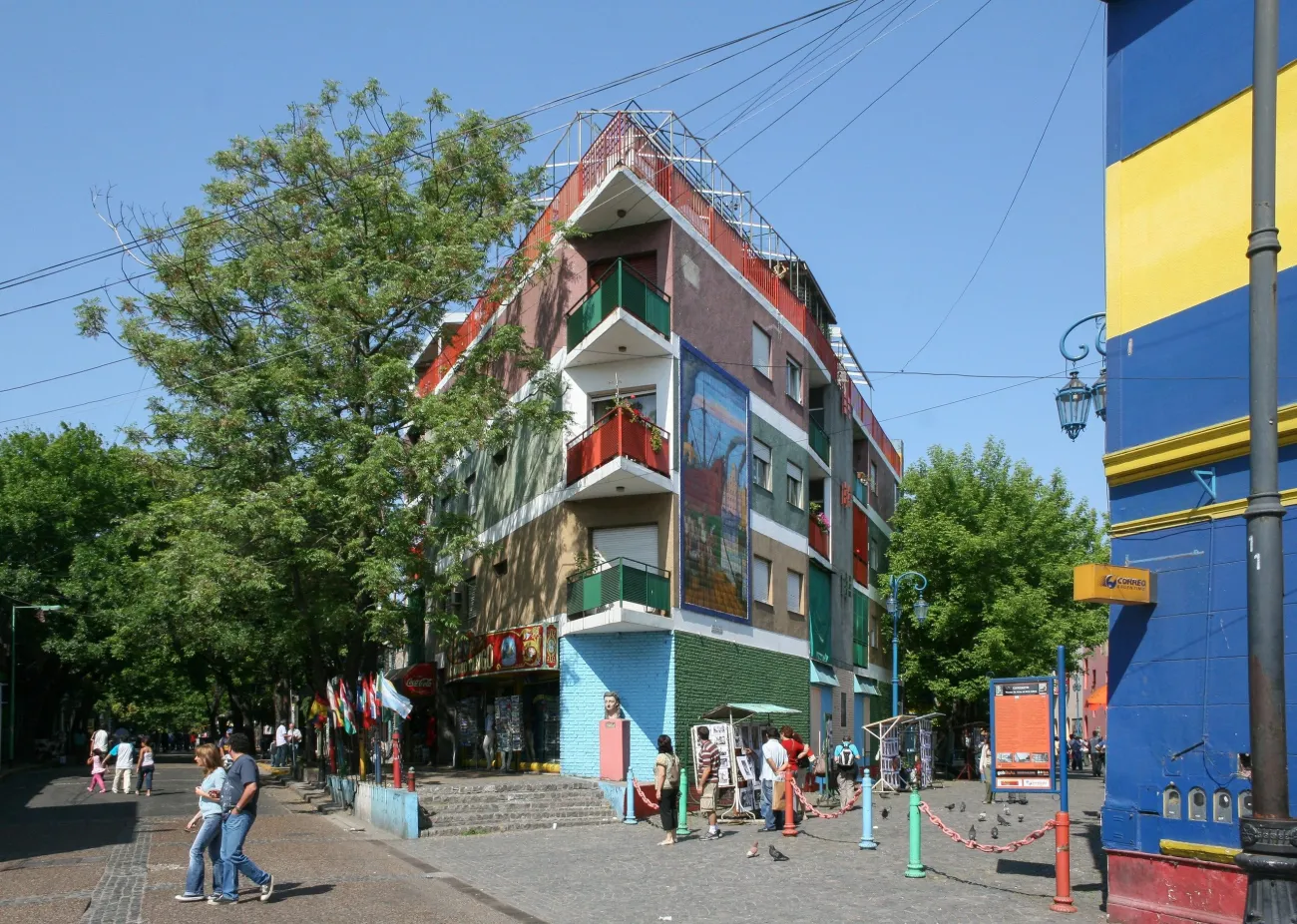

At Caminito, choose a section of façade with a clear colour relationship and let people move through the frame instead of treating the whole street as a set. Overcast light can simplify saturated colours; direct sun creates deeper shadows and a different result. That is a photographic choice, not a reason to move into an unfamiliar street solely because the angle looks quieter.
Work during a sensible daylight visit, keep equipment discreet and ask before making close portraits of performers or vendors. A street performance, a restaurant display and a private interior have different permission expectations. The broader safety advice remains relevant while you concentrate on a camera.
Congress, Galerías Pacífico and the historic city
The National Congress lends itself to an architectural frame from an authorised public space with room to see the full building. Start level, check verticals and include enough foreground to explain the setting; avoid assuming a wide lens is the only solution. If an assembly, security barrier or public event changes the available space, change the composition rather than trying to work around an official restriction.
Galerías Pacífico offers a different interior subject, including its architectural and artistic details. Check the centre’s current photography policy before setting up equipment, and distinguish ordinary handheld visitor photography from a planned commercial shoot. Gran Rex belongs to the city’s performance architecture: an exterior photograph and permission to photograph during an event are separate matters. For an actual performance, the organiser’s camera and recording conditions apply.
Cafés, tango and the Hotel de Inmigrantes
Café Tortoni and Café de los Angelitos can be interesting subjects because a café is a working social place, not just a historic room. Ask before photographing inside, avoid flash and do not interrupt service or other guests. If you want an interior without identifiable people, choose a permitted opportunity rather than assuming an early arrival creates a private session. A tango ticket also does not automatically authorise recording the performance.
The Hotel de Inmigrantes is a useful subject for a photograph that tells a historical story through the building and its setting. Its name should not be read as a current hotel recommendation. Museum access and exhibition photography conditions require checking separately from permission to photograph an exterior. The history guide explains why migration matters to the city beyond one photogenic building.
Recoleta Cemetery and Eva Perón’s tomb
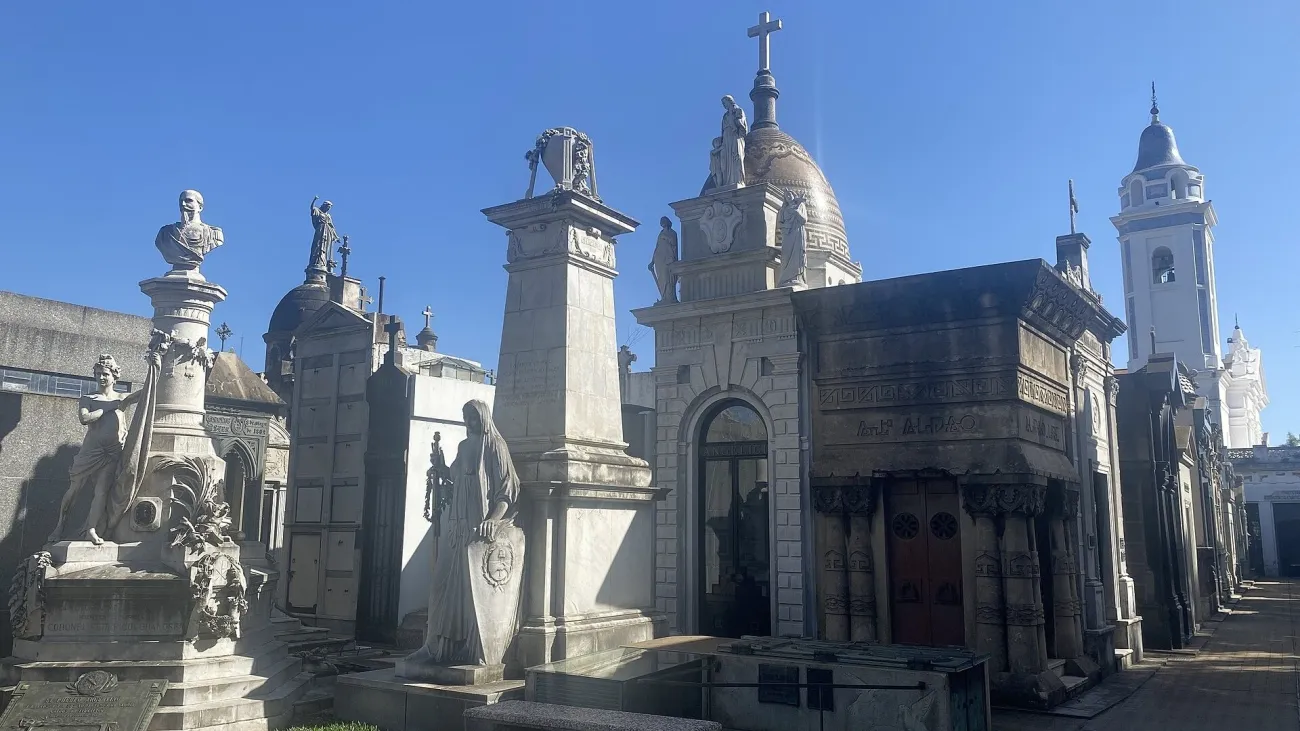

In Recoleta Cemetery, narrow passages, monuments and changing shadow create more opportunities than one famous tomb. Look for a manageable architectural detail or a repeated line of vaults, keeping the walkway clear. Dark stone and bright sky can exceed a camera’s dynamic range, so choose the exposure for the subject you want to preserve rather than forcing every surface equally bright.
Eva Perón’s burial place is part of an active cemetery and a site with personal meaning for many visitors. Give others room, avoid intrusive photographs and obey current admission and equipment rules. A compact handheld camera can be more considerate than a tripod in a narrow passage. Do not touch or move objects to improve a composition.
Iguazú: spray, scale and changing walkway access
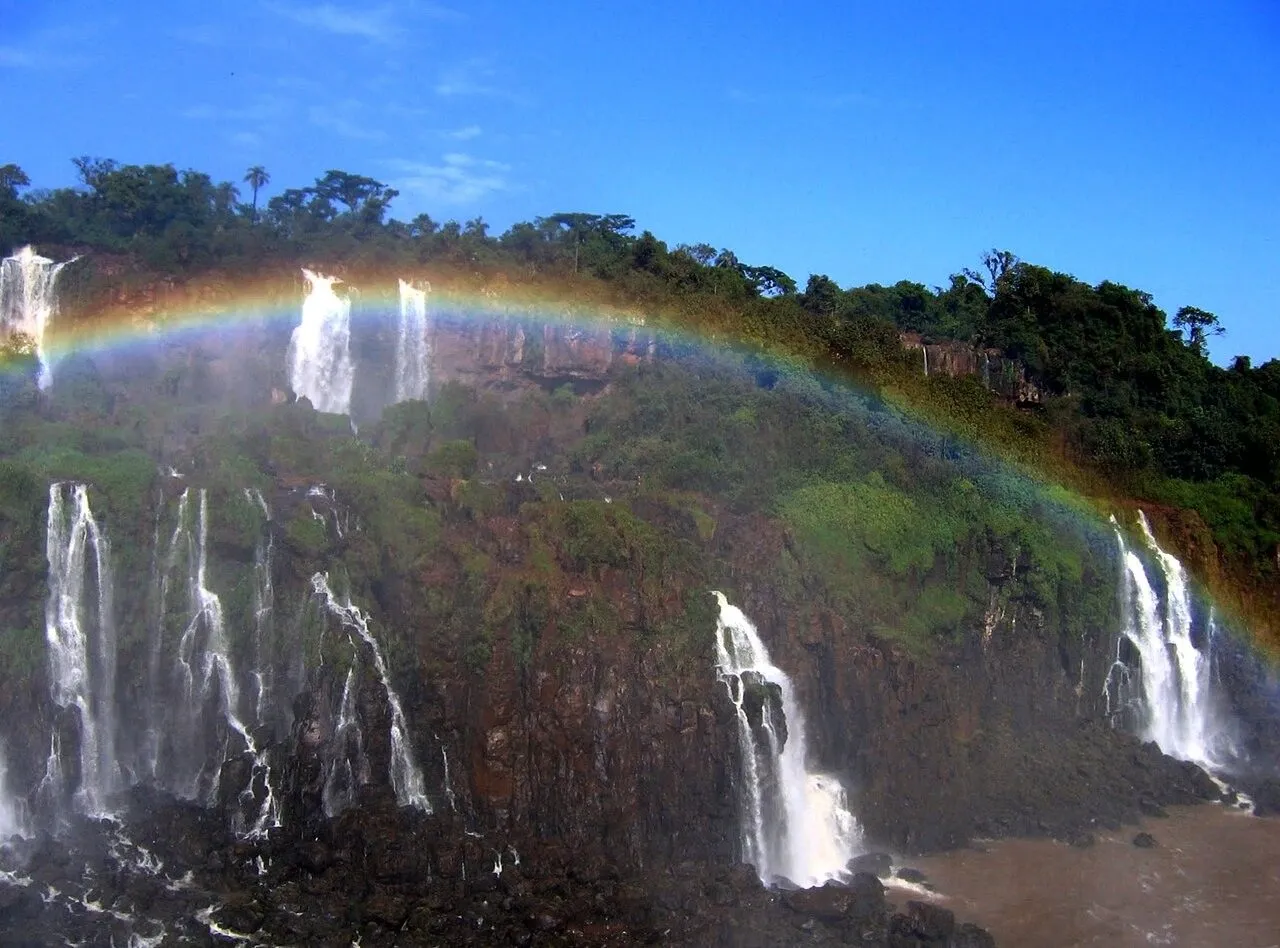

The strongest waterfall composition depends on the available walkway, water volume, spray and light direction. Work from the open marked route, choose a stable position that does not obstruct traffic and use a hand strap or secure bag when changing equipment. Keep a dry cloth readily accessible. A protective cover helps with spray, but it does not make a camera waterproof or remove the need to follow staff instructions.
A rainbow depends on the sun, spray and your camera position. For handheld water texture, try a shutter speed around 1/250–1/500 second as a starting point, then adjust for light, focal length and movement. A slower supported exposure produces a different, softer interpretation where support equipment is permitted. Avoid setting a tripod where it narrows a busy walkway, and check the rules before planning a long exposure.
Most importantly, the Argentina-side Garganta del Diablo walkways were reported removed preventively in the latest operational notice verified for this guide. The photograph here is a location illustration, not evidence that every circuit is open. Read the dated park access note and choose a composition from the routes actually operating on your day.
El Chaltén and the Fitz Roy massif
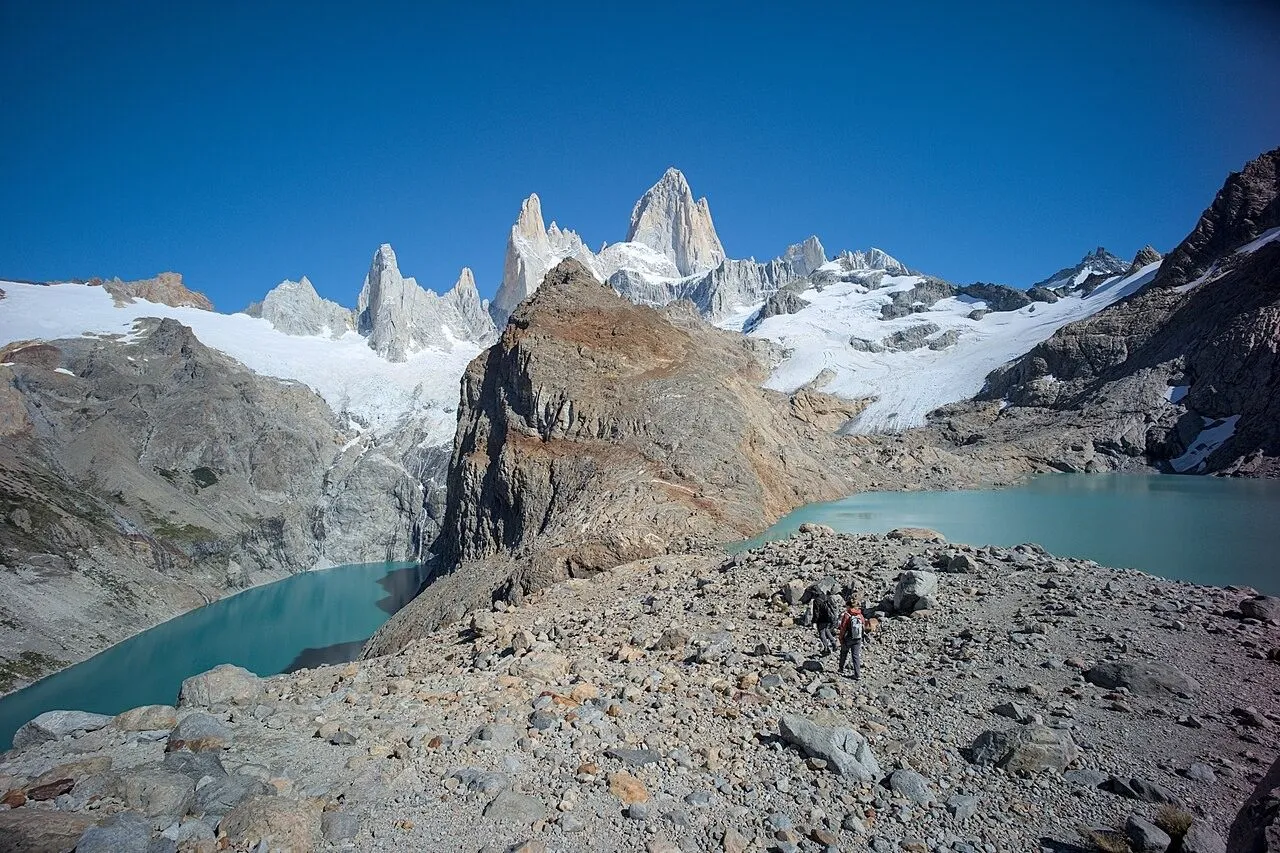

Before choosing a celebrated lake view, decide which walk is suitable and whether the forecast supports it. A wide mountain frame needs a clear relationship between foreground and skyline; it does not need a person standing close to a hazardous edge. Wind can move vegetation and shake a tripod even when the sky is clear. Keep the equipment load realistic for the whole return journey.
Early light can colour the peaks when conditions align, but reaching a remote viewpoint before dawn changes the safety and logistical plan. Do not treat an ordinary day hike as a night approach without appropriate preparation. Campsites have their own reservation arrangements, and El Chaltén’s park access is charged. The walking guide owns those practical details; photography is an additional objective, not an exemption from them.
Purmamarca, Salinas Grandes and Córdoba
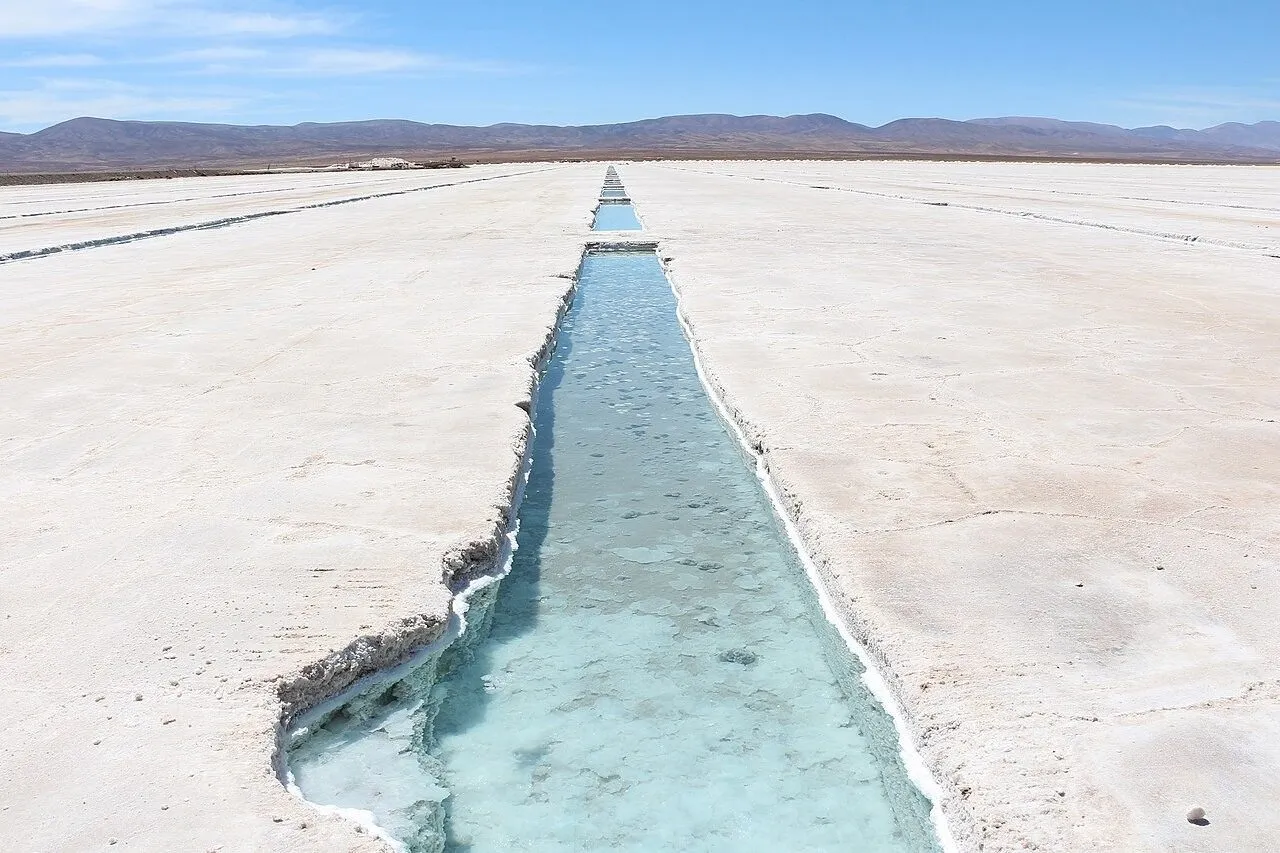

In Purmamarca, a wider frame can show how the town sits below the coloured hills. Use a permitted viewpoint or public route and respect private property. Morning and afternoon change which slopes are lit, so check the actual direction rather than applying one “best light” label to the entire valley.
At Salinas Grandes, use the histogram or highlight warning to check a test frame: the bright surface can mislead an automatic exposure. Adjust exposure compensation for the result you want instead of applying one fixed setting to every scene. Protect your eyes and keep to the authorised visitor area. The journey crosses a high pass, so allow for altitude and do not let a planned sunset keep you driving an unfamiliar mountain road when conditions are unsuitable.
Córdoba: a separate central Argentina city stop
Córdoba’s cathedral and surrounding historic centre call for an architectural city approach rather than a landscape expedition. Use the public square to assess framing, then check permission before photographing an interior. A respectful visit can produce useful details as well as a full façade image.
Ushuaia and the southern coast
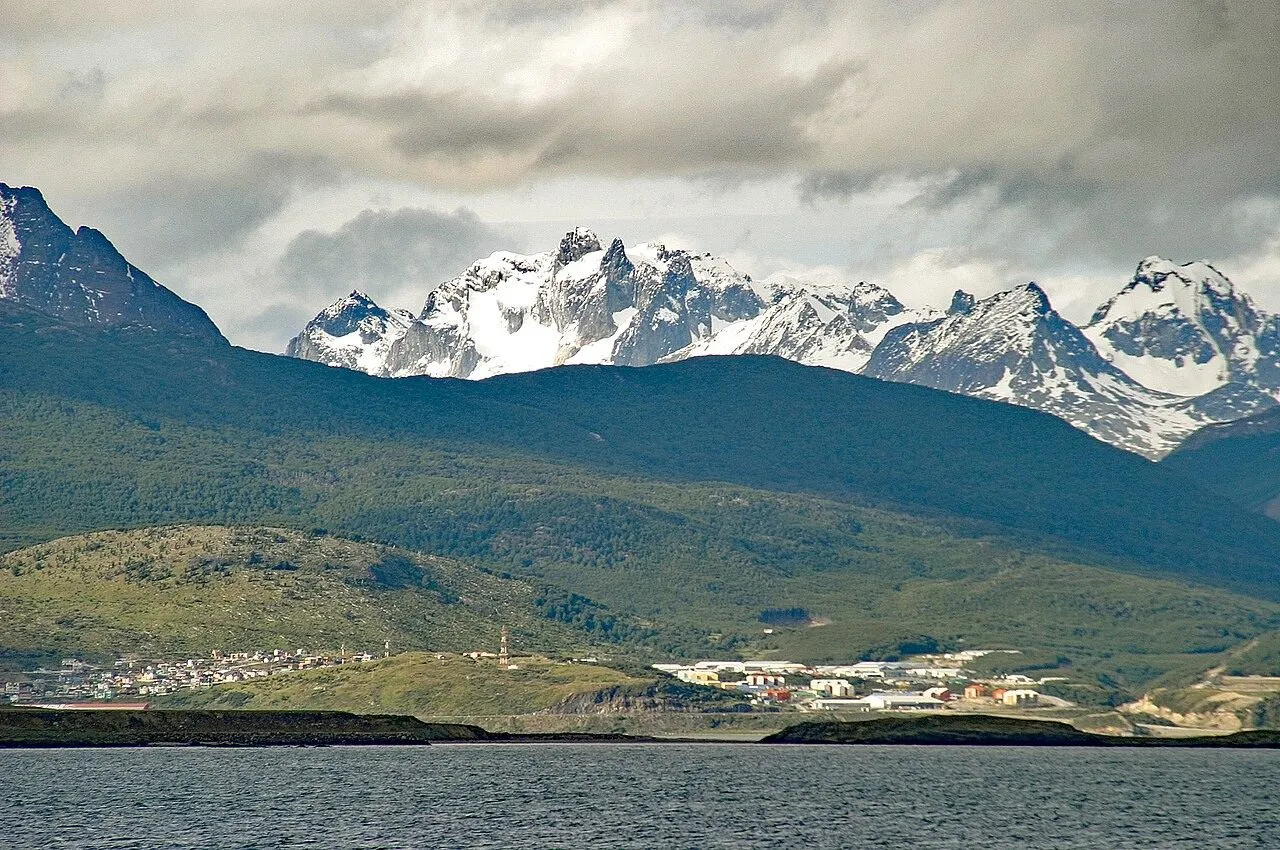

Ushuaia’s waterfront and surrounding mountains can produce a layered composition even when the highest summits disappear into cloud. Look for a foreground that explains the coastal setting without implying a particular boat landing or access route. The coastal photograph here shows the outskirts and mountain setting; it is not a diagram of an excursion.
For a Beagle Channel boat, ask where photography is possible, whether the vessel has sheltered and outside space, and whether any island landing is part of the actual product. Salt spray, wind and a moving deck favour a manageable camera setup. Hold equipment securely, avoid blocking other passengers and never assume you can leave the vessel at a wildlife colony.
Permissions, drones and respectful photographs
Ordinary handheld visitor photography, commercial production and drone flying have different rules. ANAC’s current drone framework does not mean a small drone can be flown freely in a national park. Check protected-area permission, airspace and local restrictions before travelling with a flight plan. APN publishes park rules and permit information; do not launch first and ask later.
For people, ask before a close portrait and accept a refusal. For wildlife, keep distance and leave the animal’s route clear. For historic and sacred places, choose a frame that respects the site’s purpose. The responsible travel section applies just as much when carrying a camera.
Travel Tip: Give your most important outdoor photograph two opportunities. If the first day is windy, wet or clouded over, a second night in the same base is more useful than a rushed new location.
Argentina photography FAQ
Can I photograph sunrise inside every national park?
No. Opening times, legal access, overnight permissions and transport control what is possible. Check your chosen route and date rather than assuming a sunrise image can be made during ordinary visitor hours.
Do I need a tripod for Iguazú?
No. Handheld photographs can work well, particularly on busy walkways. Check current equipment rules and never obstruct the path. A tripod does not solve spray, wind or access restrictions.
Can I fly a small drone in Argentine national parks?
Do not assume permission. ANAC aviation requirements and the protected area’s rules both matter. Obtain the applicable permissions and check restrictions before planning a flight.
Are the photographs evidence of current access?
No. They illustrate the named places and retain their source credits. Water levels, weather, renovations and permissions can change, so use current official access information for the actual visit.
Last updated: .