
Sign in
For Photos4Travel editors and team members.
Argentina · History & Culture
Argentina History & Culture: Places That Explain the Country

Understand Argentina through places already on your itinerary. These museum and heritage choices connect landscapes and everyday life with Indigenous histories, independence, migration and modern memory.
Understanding Argentina beyond Buenos Aires
Argentina's history becomes easier to follow when you attach it to places rather than trying to memorise a succession of presidents. A Buenos Aires plaza explains one part of the independence story; a northern valley shows routes and farming traditions that long predate the republic. Córdoba's Jesuit buildings connect learning with the rural economy that sustained it. A museum of memory asks a different kind of attention from an art gallery or a tango performance.
Choose a small number of visits that add context to your journey. You do not need to cross the country to complete a historical checklist. In Buenos Aires, a focused museum and a thoughtful neighbourhood walk can reveal more than racing past every monument. In Salta and Jujuy, slow down enough to notice that churches, archaeological remains, living communities and roadside landscapes belong to overlapping histories.
Travel Tip: Before a historical visit, choose one question you want answered: how independence unfolded, who built a colonial estate, why people migrated or how Argentina remembers the dictatorship. Use that question to select the museum and give it enough time.
Indigenous histories are part of the present
Do not begin Argentina's story with European arrival. The Quebrada de Humahuaca in Jujuy preserves the evidence of a long cultural corridor between the Andes and lower lands. UNESCO describes the valley as a route for people and ideas over roughly 10,000 years, with agricultural landscapes, settlements and later Inca and colonial layers. That context changes a drive between coloured hills into a journey through a lived-in landscape.
In Purmamarca, Tilcara and Humahuaca, allow time for local interpretation rather than assuming a viewpoint supplies the whole story. Ask who manages an archaeological site and what a guide can explain. Where reconstructed buildings form part of a visit, distinguish reconstruction from original fabric. Local traditions are neither uniform across the northwest nor remnants waiting to disappear; people continue to adapt them in contemporary life.
The Museo de Arqueología de Alta Montaña in Salta provides a specific view of the Inca world through the Llullaillaco collection. It also displays human remains. Read the museum's description before deciding whether the visit suits you or your children, and respect the dignity of the people represented. The museum explains that the children are shown in rotation, one at a time, for conservation. Do not book on the assumption that all three will be displayed or treat the visit as a macabre photo opportunity.
Colonial Argentina: look beyond the church façade
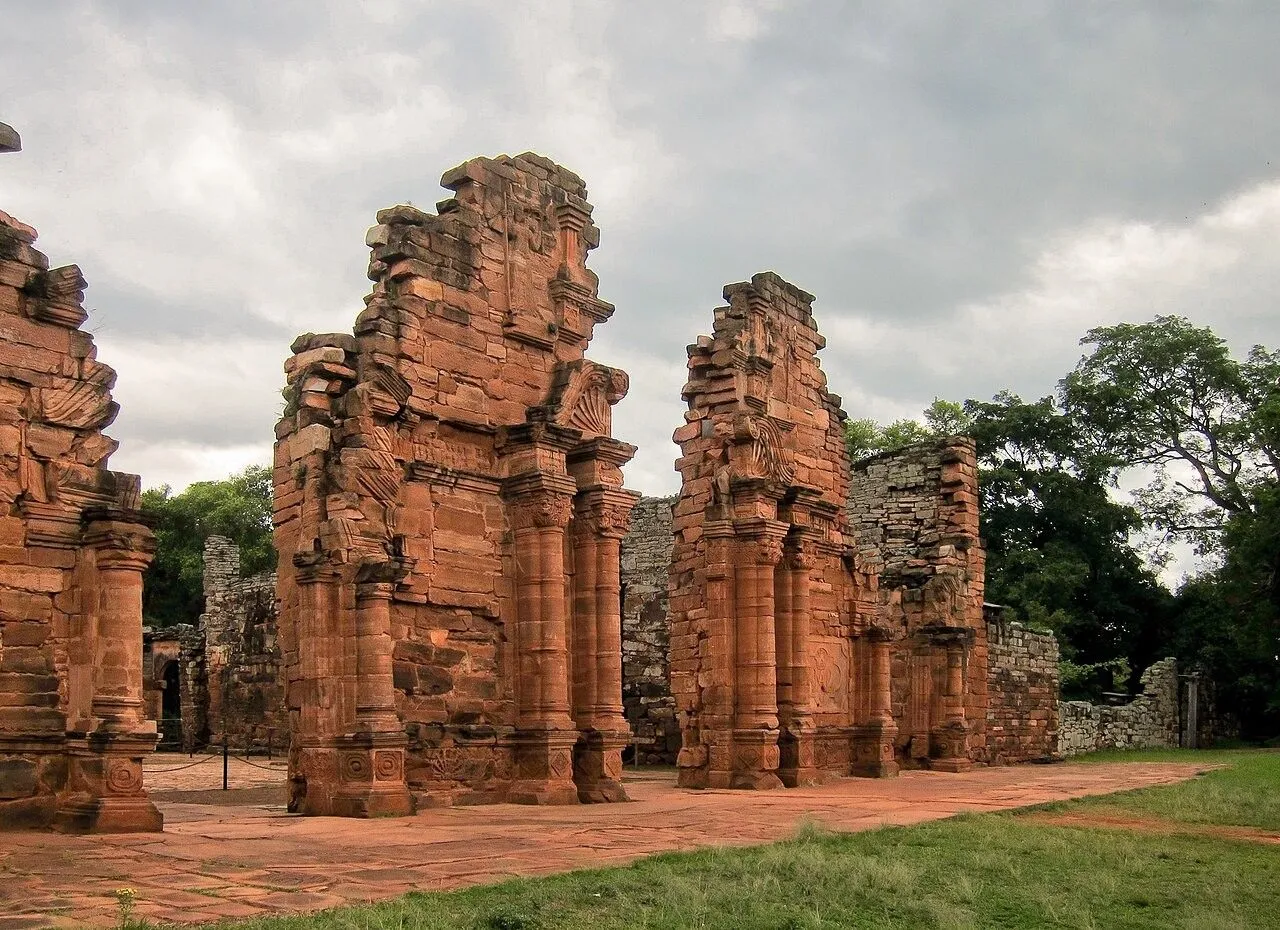
San Ignacio Miní, shown in the lead photograph, belongs to the separate Jesuit Missions of the Guaranís World Heritage landscape in Misiones. Consider it within a northeast journey, with its own visit and transport arrangements. Córdoba’s urban block and estancias belong to another region and another World Heritage property; the shared Jesuit history does not make the sites adjacent.
Córdoba is a useful place to understand colonial institutions without reducing history to decorative architecture. The Jesuit Block includes university, church and residential buildings; its associated estancias lie elsewhere in the province. The World Heritage listing links them as an educational, religious and economic system rather than an isolated collection of churches.
That connection is the reason to ask about labour, production and land as well as the age of a chapel. The estates supported the institutions in the city, and their history includes enslaved and Indigenous workers. Beautiful courtyards should not erase the people whose work made them possible. A guided visit can make those relationships clearer than a circuit focused only on exterior photographs.
For a short Córdoba stay, visit the urban block first. Add an estancia only if the opening arrangements and road journey fit your day. The rural sites are not all adjacent, and “the estancias” is not one entrance or one walkable attraction. Choose a particular property for its story and access rather than attempting to collect them all between breakfast and an onward bus.
1810 and 1816: two dates, different moments
Two national dates recur throughout a visit. The May Revolution of 1810 is associated with the political upheaval in Buenos Aires and the beginning of the revolutionary process. The declaration of independence came later, on 9 July 1816 in Tucumán. Treating both dates as the same single event makes museum exhibits and commemorations harder to understand.
At Plaza de Mayo, the Cabildo museum focuses on the colonial period and the May Revolution. The surrounding square is still a working civic space, so a visit involves both historical interpretation and the present-day city. Check for ceremonies, demonstrations and access arrangements, and approach gatherings as a visitor rather than as street entertainment.
In San Miguel de Tucumán, the Casa Histórica places the independence declaration in its own setting. The national account of the house explains the building's changes and reconstruction as well as the events of 1816. Not every wall visible today is an untouched survivor. That does not diminish the significance of the place; it is part of the story of how a nation preserves and presents a founding site.
Tucumán makes sense for travellers already exploring the northwest or following an independence theme. It is not a sensible quick excursion from Buenos Aires. If your itinerary does not reach it, use the Buenos Aires museums to understand the sequence and leave the regional journey for a visit with enough time.
Migration, neighbourhoods and everyday culture
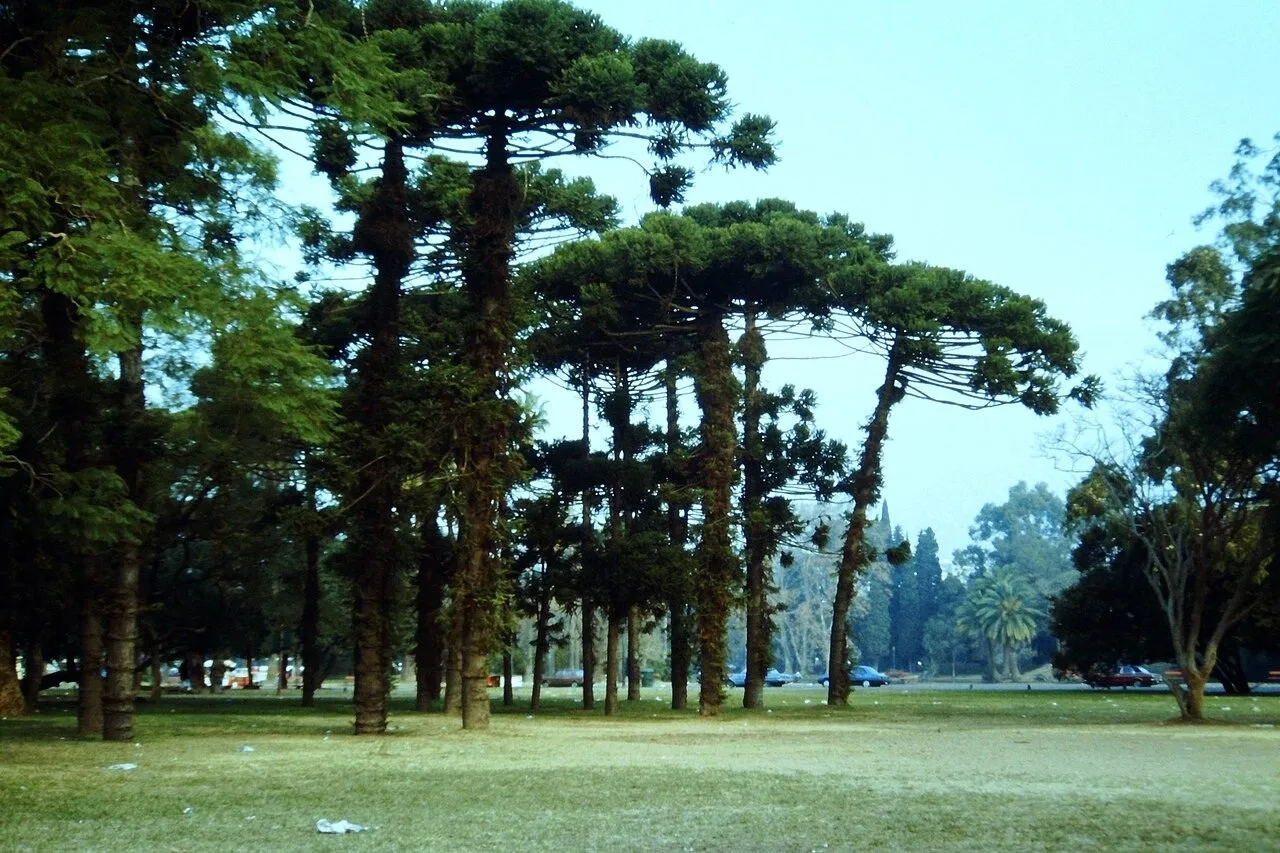

Palermo’s parks offer a quieter break within a neighbourhood day. Keep a museum visit and the wider city walk as distinct parts of the plan, allowing time for the journey between them.
The former Hotel de Inmigrantes on the Buenos Aires waterfront offers a direct connection to the experience of arrival. The Museo de la Inmigración also provides a route to arrival records for people whose ancestors came by ship between 1882 and 1953. If you have a family connection, gather names, ship details and approximate dates before asking; a museum visit alone cannot guarantee an instant genealogical discovery.
Migration helps explain parts of the capital's food, architecture and language, but the familiar claim that Buenos Aires is simply a European city leaves too much out. Argentina includes Indigenous, Afro-descendant, regional and more recent migrant histories. A useful neighbourhood walk notices who uses the streets today, which shops serve local residents and how a place changes beyond its most photographed corner.
San Telmo, La Boca, Recoleta and Palermo offer different settings, not four versions of the same stop. Choose a walk that matches your interests and daylight rather than assigning a few minutes to each. Markets and tango corners can be engaging, but do not mistake a performance staged for visitors for a complete account of a neighbourhood's life.
Tango and the culture you can join
Tango is music, poetry, social dance and staged performance. Its origins belong to the Río de la Plata, including Buenos Aires and Montevideo; the official account of the shared Argentina–Uruguay inscription recognises that wider community. Choosing between a theatre-style show and a milonga changes what you will see. One presents choreography to an audience; the other centres on people dancing together.
A beginner lesson is a useful entry point if you want to participate. Observe the circulation of the floor, follow the organiser's guidance and ask before photographing or filming dancers. In the northwest, a peña introduces different musical traditions. Avoid describing every regional dance or song as tango, and do not assume one performance represents all Argentine culture. The food and nightlife guide explains how to choose an evening that fits the rest of your trip.
Memory and the dictatorship
The civil-military dictatorship of 1976–1983 is essential to understanding modern Argentina. ESMA, the former Navy School of Mechanics complex in Buenos Aires, contained a clandestine detention, torture and extermination centre. The ESMA Museum and Site of Memory, inscribed by UNESCO in 2023, preserves testimony about state terror and its consequences. This is a memorial and a place of evidence, not a dramatic attraction to fit between lunch and souvenir shopping.
Read the visitor information, choose the available language or guided format and allow space afterward. Families should consider the subject matter before attending. Follow photography rules and behave with the same care you would at another place associated with persecution and loss. Learning about survivors, families and the search for truth gives a different perspective on monuments and public demonstrations elsewhere in the city.
Build a cultural day with room to think
On a small screen, swipe the table horizontally. Keyboard users can focus the table area and use the arrow keys.
| If you want to understand | Choose | Practical approach |
|---|---|---|
| The May Revolution | Cabildo and Plaza de Mayo, Buenos Aires | Combine the museum with a focused central walk |
| The independence declaration | Casa Histórica, Tucumán | Include it within a northwest stay |
| Andean history | MAAM, Salta, and local interpretation in the Quebrada | Allow for sensitive exhibits and avoid rushing between towns |
| Colonial institutions and labour | Jesuit Block and a selected Córdoba estancia | Choose the rural site after checking its actual access |
| Migration | Former Hotel de Inmigrantes, Buenos Aires | Check visitor access and prepare family-record details separately |
| State terror and memory | ESMA Museum and Site of Memory | Check the available visit format and leave time afterward |
Before setting out, check the individual institution's opening day, temporary closures, ticket category and booking requirements. A national holiday can bring a special programme at one site and a closure at another. Guided-tour times are not the same as general admission hours. Download or save the official visitor information and keep a realistic gap between venues, especially when crossing Buenos Aires.
For photographs, ask about flash, tripods and interiors rather than assuming a ticket grants unrestricted use. In a church, community space or memorial, people may be worshipping, working or remembering. Step back when that is the more considerate choice. The reward is a trip that connects landscape and daily life to the histories behind them.
History and culture FAQ
What is the difference between 25 May and 9 July?
25 May commemorates the revolutionary events of 1810, while 9 July marks the 1816 declaration of independence in Tucumán. They refer to different stages of the process.
Which history visit should I choose in Buenos Aires?
Choose by interest: the Cabildo for the May Revolution, the former Hotel de Inmigrantes for migration, or ESMA for the dictatorship and memory. Give one visit enough time before adding others.
Is tango only Argentine?
Its history and living communities extend across the Río de la Plata. UNESCO recognises the tradition jointly for Argentina and Uruguay. A social milonga and a staged show offer different experiences of it.
Does MAAM display human remains?
Yes. The Llullaillaco collection includes the children, displayed one at a time in rotation for conservation. Review the museum's information and decide whether the subject suits your group before visiting.
Can I see all Córdoba's Jesuit sites in one short visit?
The urban block and rural estancias are separate places across the province. Start with the city site and choose one rural visit if opening times and transport fit; do not treat the whole listing as one walkable attraction.
Last updated: .