
Sign in
For Photos4Travel editors and team members.
Argentina · Food & Drink
Argentina Food & Drink: Regional Dishes, Wine & Evenings
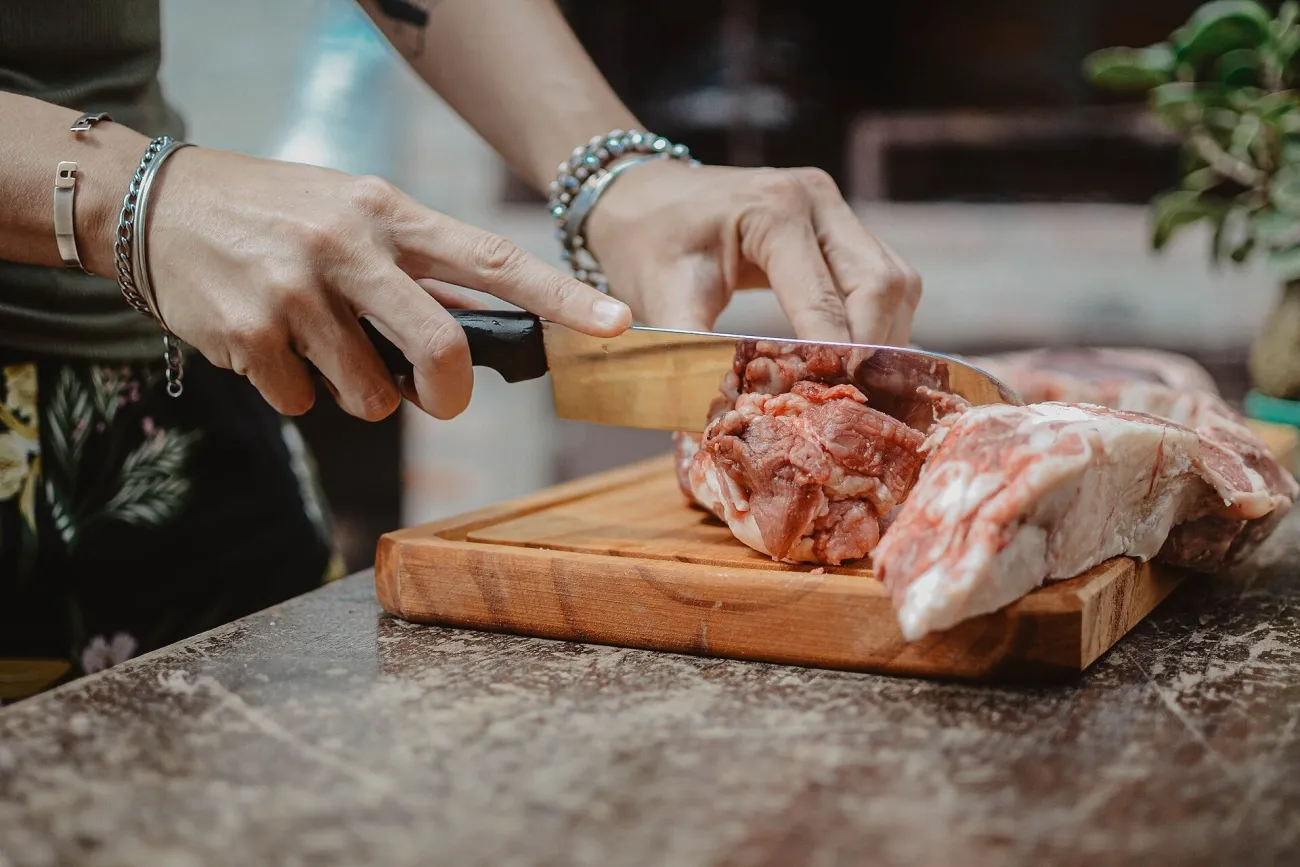

Use meals to discover the differences between Argentina’s regions. Plan a few memorable reservations, understand what the menu includes and leave room for the everyday cafés, bakeries and neighbourhood places between them.
What to eat in Argentina, region by region
A good food itinerary changes as you travel. Buenos Aires gives you parrillas, pizza counters, neighbourhood cafés and ice-cream shops. In Salta and Jujuy, look for empanadas, maize dishes and a peña where music shapes the evening. Mendoza is the place to plan a winery lunch carefully, while the far south brings lamb, trout and, in Ushuaia, king crab. Eating the same steak dinner in every town overlooks much of what makes the journey interesting.
Use one or two meals as anchors for each base and leave the rest flexible. Reserve the dinner or winery you would be disappointed to miss, then allow room for an empanada shop near your accommodation or a bakery before the bus. This approach also protects the travel budget: an elaborate tasting menu on a transfer day is rarely good value when the arrival time is uncertain. The national tourism overview of regional cooking is a useful introduction to the differences.
Travel Tip: Before ordering a parrillada for two, ask which cuts and offal it contains and whether side dishes are included. A shared grill is a selection, not a promise that every item will be your favourite.
On a small screen, swipe the table horizontally. Keyboard users can focus the table area and use the arrow keys.
| Region | Look for | Best way to fit it in |
|---|---|---|
| Buenos Aires | Parrilla, pizza, milanesa, café and helado | One reserved dinner, with simple neighbourhood meals between sightseeing |
| Salta and Jujuy | Empanadas, humitas, tamales and regional stews | A relaxed lunch and a separate peña evening |
| Mendoza and Cuyo | Wine, seasonal winery menus and regional produce | One wine zone per day, with transport booked |
| Litoral | Chipá and regional river-fish dishes | Ask about preparation, species and portion size |
| Patagonia and Tierra del Fuego | Lamb, trout, smoked products and centolla | Reserve a special meal on a day without a long road transfer |
Ordering at a parrilla
A parrilla is a grill restaurant; an asado can also describe the social gathering around the cooking. They are related ideas, but booking a restaurant table does not mean attending a private family barbecue. Start by deciding whether you want one chosen cut or a mixed selection. Bife de chorizo is a steak despite the name; chorizo itself is a sausage. Entraña is skirt steak, and vacío is another common sharing cut. Ask the server to explain unfamiliar options rather than ordering from a literal translation alone.
Side dishes may be separate, and a generous portion can be enough to share. Confirm weight or serving size, choose a salad or vegetables and ask about the cooking point. Chimichurri and salsa criolla are familiar accompaniments, but the kitchen may serve them differently. A restaurant with a smaller, clearly explained menu can be a better choice than one selling an enormous mixed grill without telling you what is included.
Read the final bill as carefully as the menu. A cubierto or table charge, where applied, is different from a voluntary tip. Ask about unclear charges before ordering, particularly when there is live music or a dinner package. There is no useful countrywide promise that a particular meal costs a fixed number of dollars: location, wine, service, exchange settlement and portion size change the comparison.
Northwest Argentina: maize, empanadas and peñas
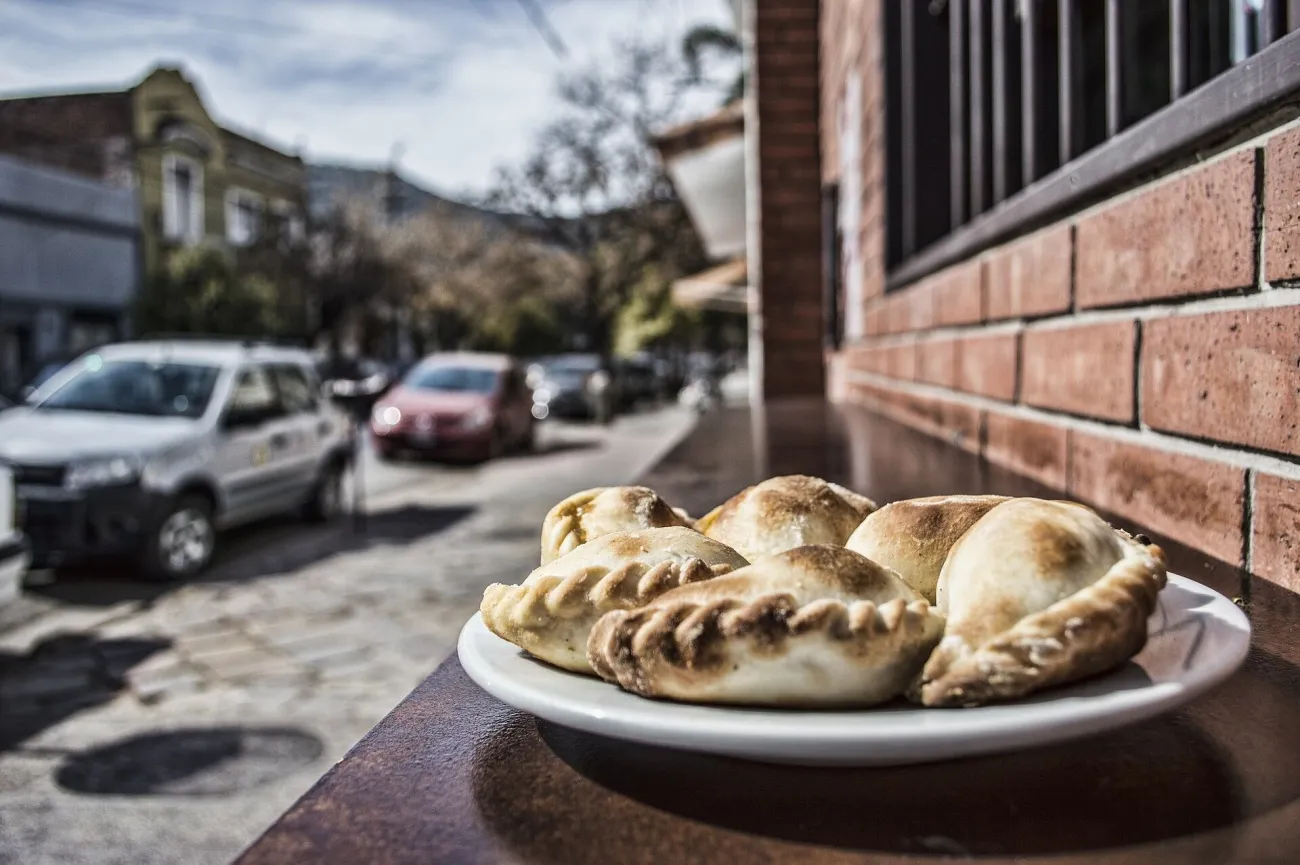

In Salta, an empanada lunch can be a meal in its own right rather than a starter before another heavy dish. Ask how many the kitchen recommends and whether they are baked or fried. Fillings vary by province and restaurant; beef, potato, egg, chicken and cheese are possibilities, not a universal recipe. Small differences matter more than a competition to identify one supposedly authentic version.
Humitas centre on maize and may contain cheese; tamales typically combine a maize preparation with a filling wrapped in leaves. Locro is a substantial stew, often with meat. Vegetarian travellers should ask about stock, lard, ham and cooking fat even when the dish looks vegetable-based. The official guide to northern Argentine food explains the region's Andean and criollo ingredients, but the kitchen's actual recipe determines whether a dish meets your needs.
A peña adds folk music to the evening. Some are primarily staged performances with a meal, while others feel more participatory. Check the start time, seating arrangement and whether music or entry is charged separately. For an early excursion the next morning, choose a venue whose first set suits your schedule instead of assuming you must stay until the end.
A bowl of locro is a different meal
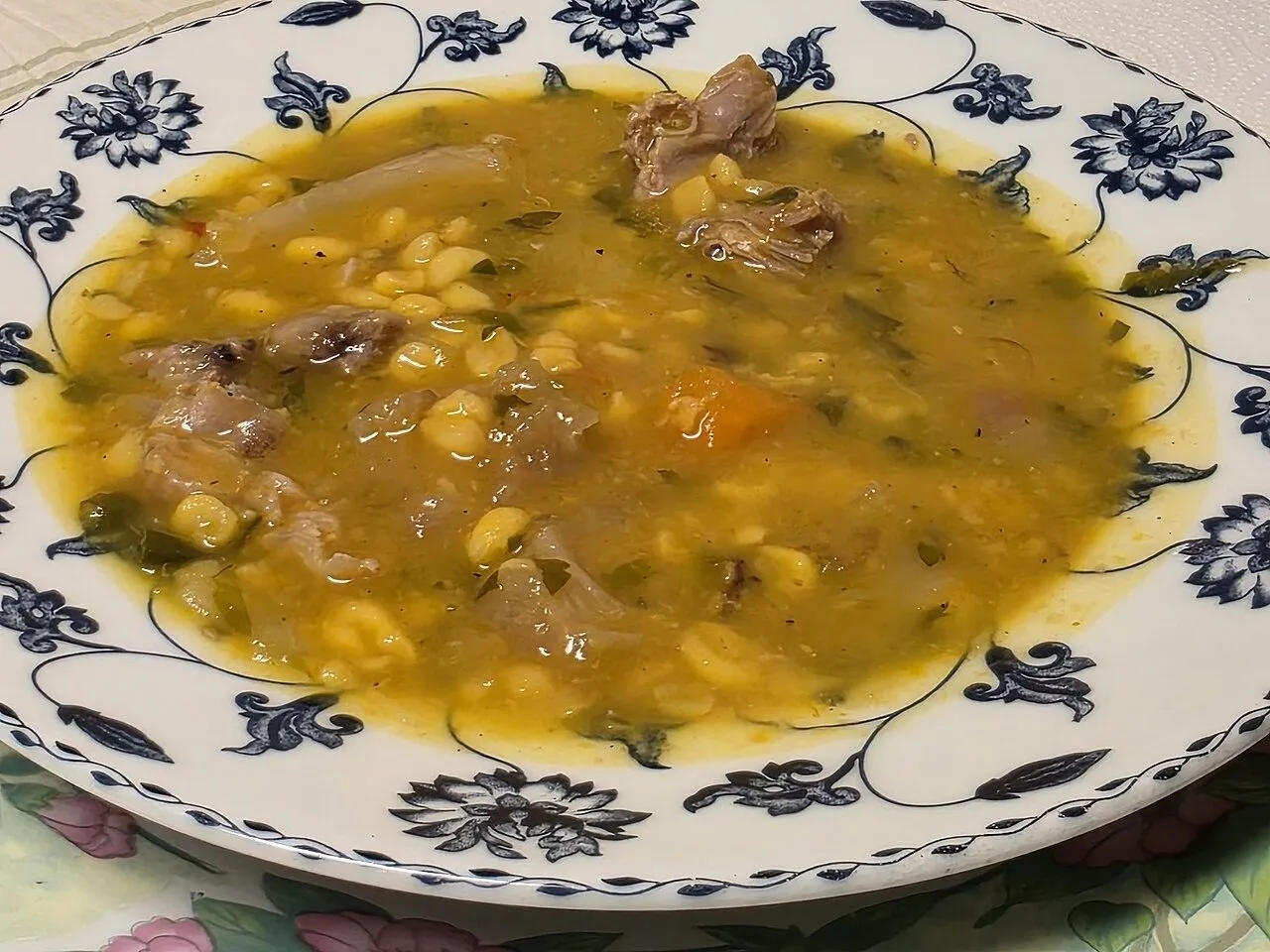

Locro combines a substantial maize-and-bean base with ingredients that vary by cook and occasion. The pictured serving contains meat. Ask the kitchen about the actual recipe, portion and cooking stock, particularly if you avoid animal products; an apparently vegetable-rich stew is not enough information.
Wine, mate and the right pace for tasting
Mendoza's wine areas are spread out. Choose Maipú, Luján de Cuyo or the Uco Valley for a given day rather than trying to collect famous winery names across all three. Book the tasting or lunch first and work outward from that time. A leisurely paired lunch can take much of the afternoon; adding several distant appointments afterward is a poor way to enjoy it.
The official Malbec-route guidance recommends advance reservations, grouping visits by wine zone and arranging safe transport for tasting. This is particularly useful during harvest. A driver or organised excursion solves a different problem from a city taxi: confirm the full rural itinerary, waiting time and return journey, not just the outward fare.
Malbec is an obvious starting point, but it should not prevent you trying other grapes. Cafayate is strongly associated with Torrontés, and Patagonian wines offer another regional comparison. Ask for a tasting that explains the place and the wine rather than choosing entirely by prestige. If you do not drink, check whether the winery offers an engaging tour, food-focused lunch or non-alcoholic pairing before paying for a package.
Mate begins with the yerba
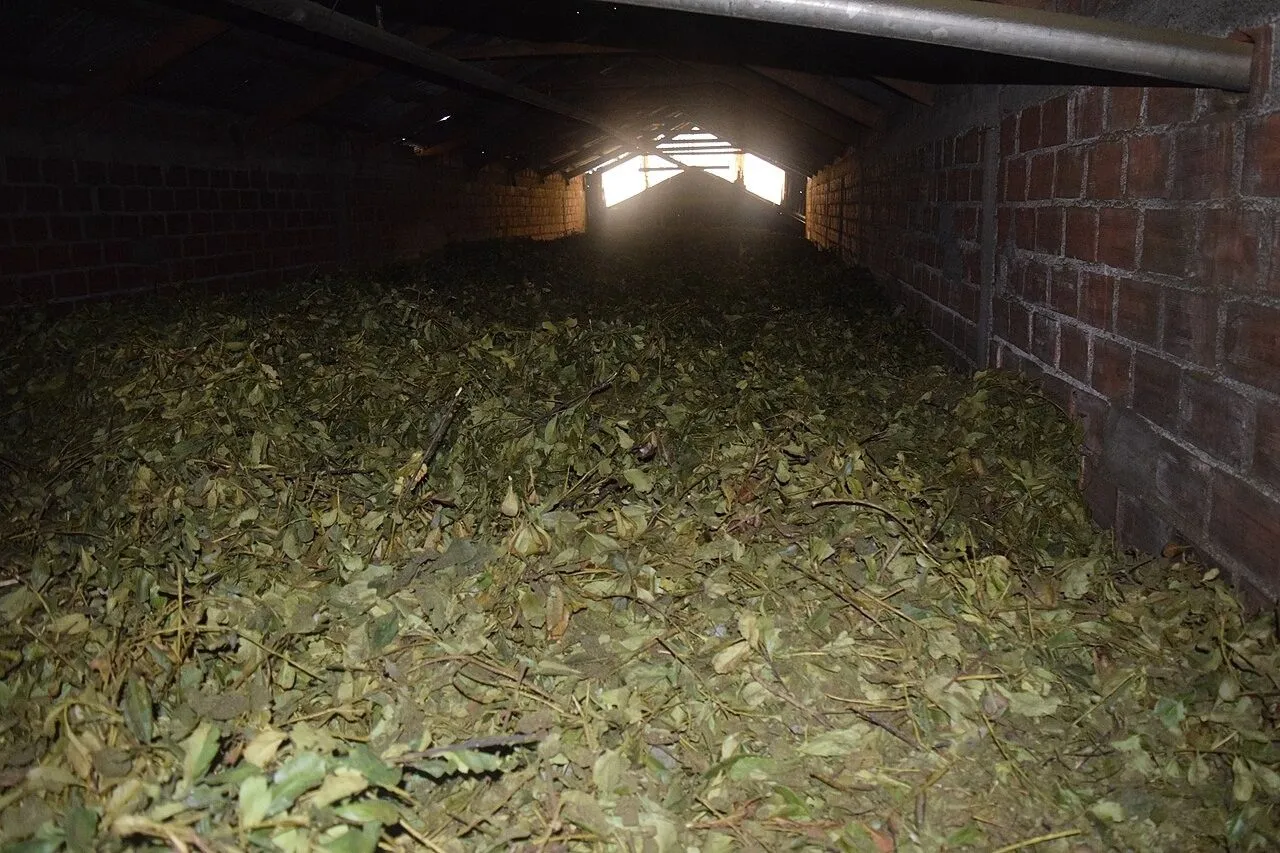

Mate is an infusion with its own social rhythm. If someone offers to share, watch how the group handles the cup and bombilla and ask when unsure. You can also buy yerba and prepare your own. There is no need to imitate a shared-cup custom if you are uncomfortable with it; a polite explanation is enough. In cafés, a simple coffee-and-pastry stop offers an equally useful pause between activities.
Vegetarian, vegan and gluten-free travel
Large cities generally provide more specialist choices than remote stops, so research the difficult part of your route first. A vegetarian option may contain cheese or eggs; a dish without an obvious piece of meat can still use meat stock or animal fat. Explain the ingredients you avoid in plain Spanish and confirm the preparation. Do not rely on an English menu icon when an allergy or coeliac disease makes cross-contact important.
For coeliac needs, ask about a separate preparation area, utensils, fryer and handling as well as ingredients. Pack suitable food for long buses, early trail starts and airport delays. Tell an excursion company about dietary needs before the day, especially where a fixed packed lunch is included. This is a practical way to make the trip easier without expecting every small village kitchen to reproduce a specialist city menu.
Nightlife: choose the kind of evening you want
Buenos Aires offers several distinct evenings. A seated tango show gives you a scheduled performance and, often, an optional dinner. A milonga is a social dance setting with its own etiquette. A bar visit, live-music gig and nightclub are different plans again. Compare starting times, inclusions and return transport before booking; the word “tango” alone does not tell you what the night will involve.
If you want to watch social dancing, ask whether spectators are welcome and where to sit. Keep the floor clear, avoid flash and request permission before filming identifiable dancers. Beginners can choose a lesson designed for them rather than stepping into a crowded floor unprepared. Tango belongs to a shared Río de la Plata tradition: Argentina’s official account of the 2009 tango inscription recognises Argentina and Uruguay together.
Outside the capital, let the destination guide the choice: a Salta peña, a Mendoza wine bar, or an unhurried dinner in a Patagonian town may be the right evening. Not every stop needs a late-night outing. Keep your accommodation address saved, arrange the return before your battery runs low and avoid scheduling a demanding mountain departure after a very late night.
Festivals and events: book the edition you actually mean
Argentina's calendar can shape a journey, but recurring seasons are not confirmed ticket dates. Mendoza's Vendimia belongs to the harvest period, generally around late summer and early autumn. Jujuy's carnival has a different cultural setting from the staged Carnival del País in Gualeguaychú. National commemorations on 25 May and 9 July can bring ceremonies, local programmes and changes to normal opening arrangements.
Planning status checked 14 November 2026: Mendoza's official Vendimia portal is preparing the 2027 edition, but an artist-registration page is not a visitor performance timetable. No final 2027 main-show dates or ticket prices are asserted here. Verify the published programme before committing to a non-refundable stay built around one performance.
In Gualeguaychú, the municipality has confirmed the separate Corsos Populares Matecito 2027 for 15, 22 and 29 January and 5 and 12 February, with the closing burial celebration on 27 February. These are community corsos, not interchangeable dates for the Carnival del País stadium spectacle. Check the organiser for the exact event, seating, cancellation terms and weather arrangements. Do not reuse a 2026 ticket calendar for a 2027 journey.
For any festival, secure accommodation and the trip home as well as the ticket. A late finish can make a nearby bed more useful than a nominally cheaper hotel far away. Allow for crowds and altered bus availability, and distinguish public celebrations from invitation-only or religious activities. Watching respectfully can be a better choice than assuming every ceremony exists for visitor participation.
Shopping: useful souvenirs and practical purchases
Choose purchases that reflect the part of Argentina you actually visited: regional textiles, ceramics, locally made food, wine or a mate set. Ask who made an item and what the material is. A market stall is not automatically proof of local manufacture, and a familiar pattern does not identify one community's work. For textiles, clarify whether a fibre is wool, a blend or synthetic and whether the piece is handwoven.
Packable food makes a good gift only if it meets the rules at your next border. Check restrictions on meat, fresh produce, seeds and animal products before buying. Wine also has baggage, liquid and import limits; a shop's assurance that a bottle travels well does not establish customs eligibility. Keep receipts for valuable purchases and arrange protective packaging before the final transfer.
In small places, carry a modest cash reserve and confirm card acceptance before choosing something expensive. Compare the complete price, including packaging or delivery, rather than an exchange-rate slogan. Buy from a maker when the opportunity is clear, respect displayed prices and ask before photographing stalls or people. Shopping works best as part of a neighbourhood walk, not another distant stop squeezed between airport transfers.
Food, evenings and events FAQ
What should I eat besides steak in Argentina?
Try northern empanadas, humitas or tamales, Buenos Aires pizza and helado, regional cheeses and wine, or Patagonian lamb and trout. Choose according to your route and ask about ingredients rather than expecting one national menu everywhere.
Should I book Mendoza wineries in advance?
Yes, especially for a specific tasting, paired lunch or harvest-period visit. Group appointments within one wine area and arrange the return transport before tasting.
Is a milonga the same as a tango dinner show?
No. A milonga centres on social dancing, while a show offers a staged performance. Check whether spectators are welcome, whether a lesson is included and what the booking actually covers.
Are vegetarian and gluten-free meals easy to find?
Specialist choice is broader in larger cities. Confirm stock, cooking fats and cross-contact procedures directly, and plan suitable food for remote transfers or excursions. A dish's name alone does not establish dietary suitability.
Can I use last year's festival dates to book a trip?
Use them only to identify an approximate season. Book around the organiser's programme for the correct year and exact event; different carnival celebrations in the same city can have different dates and tickets.
Last updated: .