



Sign in
For Photos4Travel editors and team members.
Argentina · Best Time to Visit
Best Time to Visit Argentina: Weather by Region
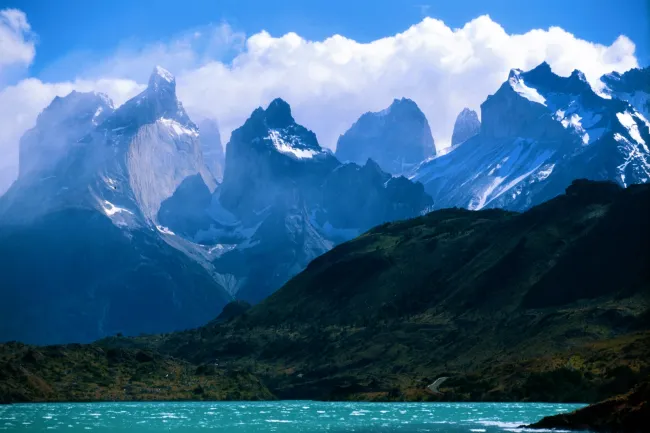
The best time to visit Argentina depends on which part of the country you most want to see. A clear walking day below Fitz Roy, a whale-watching departure from Puerto Pirámides and a comfortable afternoon in Buenos Aires belong to different calendars. Choose the experience that matters most, then fit the other stops around it. Trying to find one perfect month for the whole country usually produces a less useful answer.
On this page · 5 sections ShowHide
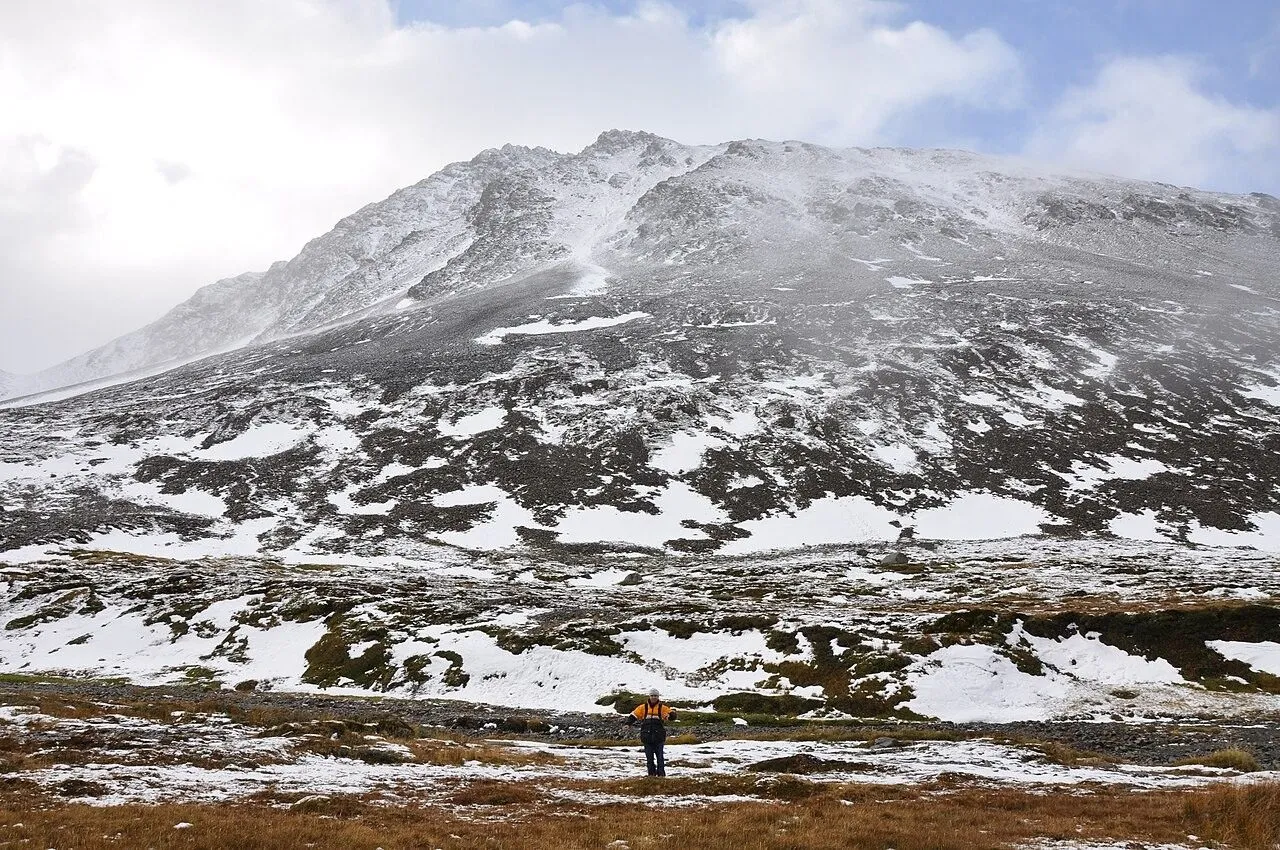
For a first visit mixing Buenos Aires, Iguazú and southern Patagonia, November or March are sensible months to investigate. That is an editorial starting point, not a promise of dry trails or quiet hotels. A winter trip can work very well too, provided you choose northern landscapes, city culture or skiing deliberately instead of importing a summer hiking itinerary. The Argentina itineraries explain how the available days change those choices.
Choose the season by the trip you want
Keep city sightseeing flexible enough to move a museum visit into a rainy afternoon. Long walks, boats and mountain roads depend more heavily on the day’s conditions. Give those outings a spare weather window within the same base, confirm route or sailing status locally and keep an indoor or short-town alternative ready.
The national tourism climate overview explains the country's regional contrasts. Southern Hemisphere summer falls broadly in December–February and winter in June–August. Those labels are useful, but elevation, latitude and exposure matter more than the season printed on a calendar. A warm afternoon in Mendoza city says little about conditions higher in the Andes.
Swipe or scroll horizontally to read the comparison.
| Your priority | Window to investigate | The decision that matters |
|---|---|---|
| Southern Patagonia hiking | November–March | Trail status, wind and spare days |
| Salta and the Quebrada | April–November | Dry-season roads versus cold high-altitude nights |
| Mendoza wine country | Spring or autumn | Winery appointments and transport; harvest demand |
| Valdés southern right whales | June–December, especially September–October | Wildlife timing and weather-dependent departures |
| Buenos Aires city days | Spring or autumn for gentler walking conditions | Heat, rain alternatives and event dates |
| Iguazú Falls | Possible throughout the year | Heat tolerance and the current circuit status |
Travel Tip: Put your most weather-sensitive stop in the middle of its stay. Several nights in one base give you a chance to exchange the walking day and the quieter day without rebuilding every transfer.
Read the regional seasons before buying flights
El Calafate, El Chaltén and Tierra del Fuego
Visit Argentina's Patagonia overview identifies November–March as the broad outdoor-travel window. Longer daylight helps with full days outside, but summer is not a guarantee against cold, wind or sudden changes. Pack a windproof outer layer and check the actual route rather than choosing equipment from the temperature in town.
El Chaltén deserves particular care at the edges of the season. A photograph taken on a clear summer day does not establish whether a path is usable in October or April. Check with the visitor centre and use the walking and national parks guide for the difference between viewpoints, long day hikes and camping. If the forecast removes the longest hike, a shorter approved route may still make a worthwhile day.
Bariloche and the northern Lake District
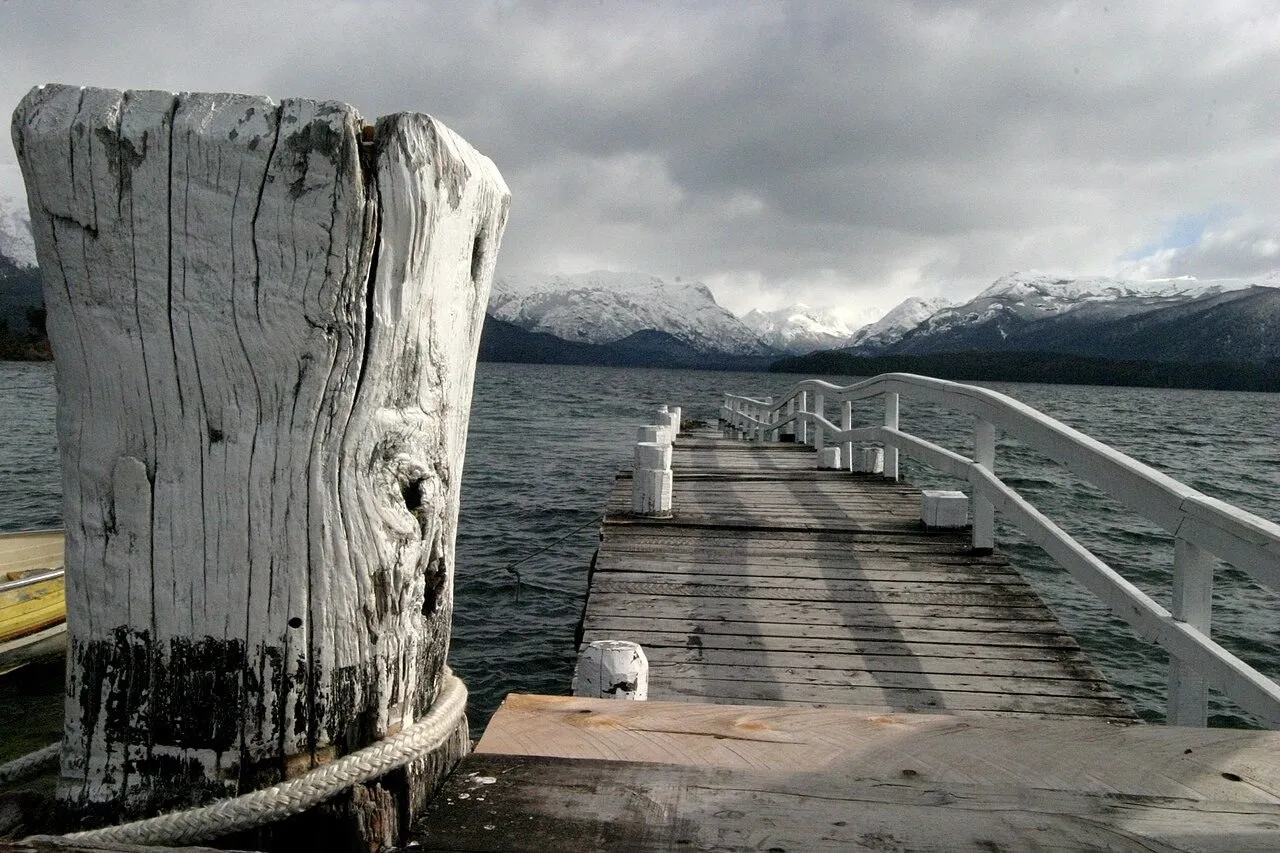
For the Lake District, official regional guidance distinguishes summer touring from the winter snow-sports season. Decide whether you want lakes, road stops and walks, or a ski holiday with the equipment and bookings that requires. Snow conditions and lift opening dates vary; a winter month alone does not establish an operating resort.
Salta, Cafayate and Jujuy
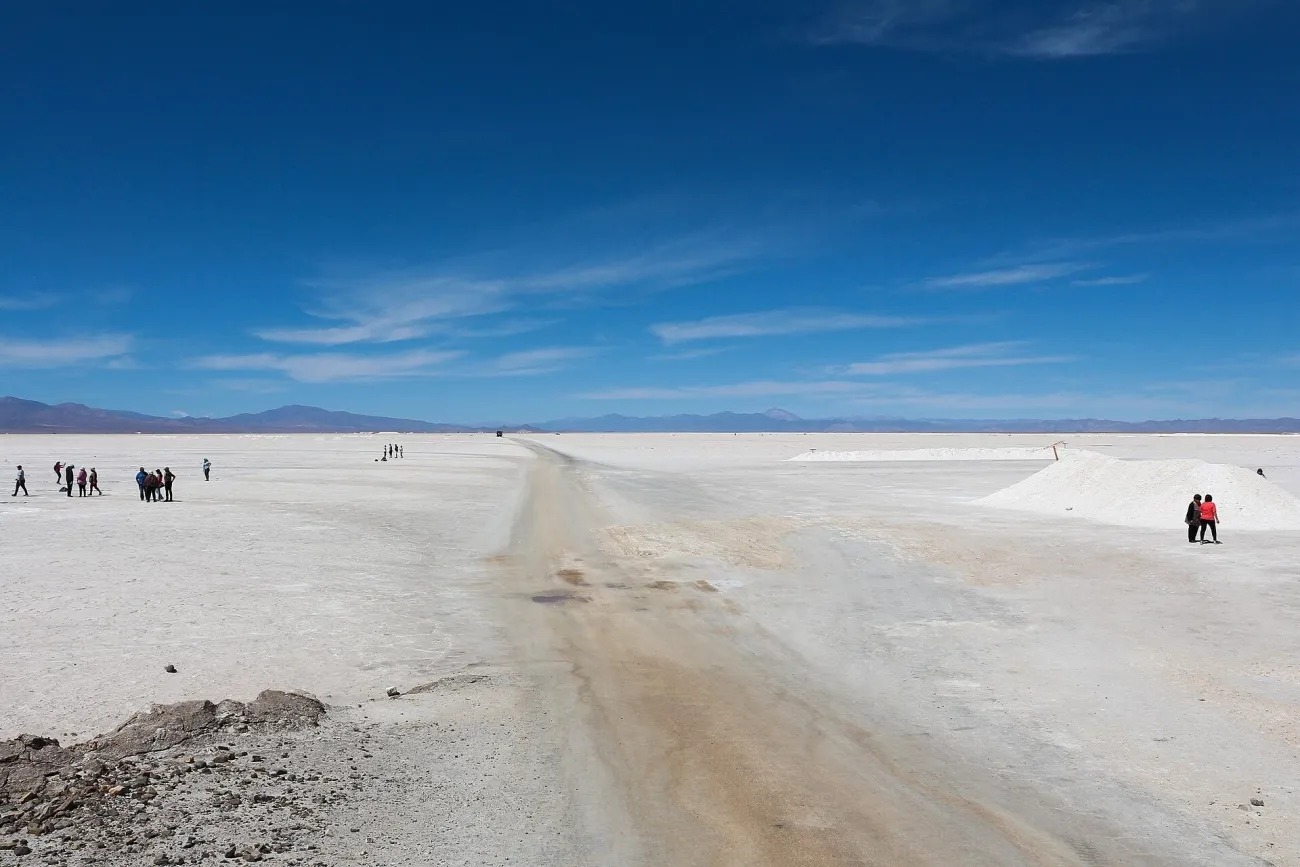
The official Quebrada de Humahuaca guide describes a December–March rainy season and a drier April–November period. That makes the drier months a useful starting point for a road trip. It does not mean the entire northwest has one climate: the high Puna, the Quebrada and the lower green valleys are different environments.
Dry weather can bring cold evenings and sharp changes between sun and shade. Choose accommodation for the overnight temperature, not only a daytime photograph. For a journey across the Cuesta de Lipán to Salinas Grandes, check the high pass as well as Purmamarca. Altitude is a separate planning issue from weather; a pleasant day at your hotel does not remove it.
Cafayate's official travel guidance also favours the broad April–November dry-season window. Give the scenic drive room in the itinerary instead of treating every stop as a brief detour. During wet weather, ask locally about the exact road, particularly if a circuit includes unsealed sections. A cultural event may justify rainy-season travel, but that is a conscious tradeoff rather than a route without weather constraints.
Mendoza and the wine regions
Spring and autumn are useful starting points for wine country, according to the national Mendoza wine guide. Vineyard visits need appointments and transport in any season. Choose a wine area for each day rather than racing between Maipú, Luján de Cuyo and the Uco Valley to fill a checklist.
Harvest adds atmosphere and demand. The national Vendimia overview places the main celebration broadly in early March; obtain the programme for your actual year before committing to a festival stay. Visiting during the harvest period does not mean every winery offers grape picking, a special dinner or a public event. Those are separate products to confirm.
Iguazú: plan for the available circuits
Iguazú can be a year-round stop, but heat, heavy rain and river levels change the day. Do not equate the greatest waterfall volume with the best walking conditions. Keep rain protection for yourself and your camera, choose footwear for wet surfaces and allow time to rest between circuits.
Check the individual circuit status as well as the forecast. On 15 November 2026, the operator lists Garganta del Diablo closed because of high water; the Upper and Lower circuits are listed open subject to weather. The earlier APN notice explains the preventive walkway removal. Keep the day flexible and use the park guide for the current circuit links.
Puerto Madryn and Península Valdés
For southern right whales, the Puerto Madryn tourism authority describes arrivals from around May, the highest numbers in September–October and departure towards the end of December. Puerto Pirámides is the boat-trip base; staying in Puerto Madryn also requires a land journey. Check the operator's departure conditions and avoid building the entire visit around one non-movable sailing.
Different animals have different calendars. A whale-focused trip is not automatically the best date for every penguin colony or other wildlife outing. Tell an operator what you hope to see and ask which site makes sense on those dates. Keep expectations about individual sightings separate from the broad season.
Buenos Aires and the Atlantic coast
The city tourism climate page describes humid summer weather, cooler winter evenings and changeable spring and autumn days. For long walks, shoulder seasons are a practical starting point. Keep an umbrella or light rain layer and alternate outdoor neighbourhood time with a booked interior visit when necessary.
A city visit and a beach holiday need different criteria. If an Atlantic beach is central to the trip, investigate summer dates and the particular resort's services, swimming supervision and accommodation. A sunny winter promenade can be enjoyable without being a swimming day. The regional beach comparison explains where a coast stop fits geographically.
Argentina month by month: a route-planning shortcut
January and February suit a southern outdoor itinerary for travellers willing to book ahead and accept busy holiday periods. They also bring heat to a city-heavy trip. March is worth comparing for Patagonia plus wine country; April shifts the balance towards cities, wine and the northwest. Treat late southern walks as a trail-by-trail decision.
May and June favour a more northern route or a deliberate transition into winter travel. July and August make sense for a snow-sports holiday or a culture-and-northwest combination with warm evening clothing. September and October are particularly interesting for a Chubut wildlife focus. November can connect southern walking ambitions with spring city days, while December requires extra attention to holiday demand and the end of some wildlife windows.
Use forecasts to protect the bookings that matter
Before the trip, compare the season and the geography. In the final days, use the Servicio Meteorológico Nacional for forecasts and alerts, then ask your host or park office how conditions affect the exact outing. A national overview cannot confirm a trail, bridge or boat departure.
Keep one alternative that belongs to the same base. A museum or unhurried meal in town is more realistic than an improvised drive to another region. Return to your international departure city with a sensible buffer after a weather-dependent leg. That costs a night, but it is a visible choice you can budget for before the route becomes fixed.
Questions about when to visit Argentina
What is a useful first month to consider for Argentina?
November or March are starting points for a mixed Buenos Aires, Iguazú and southern Patagonia trip. Choose your main experience first; a whale-watching or ski holiday needs a different calendar.
Can I use the summer Patagonia itinerary in winter?
Rebuild it around winter conditions. Trail access, daylight, equipment and transport availability differ. Choose snow sports deliberately or move more time to cities and northern regions.
Is the northwest always dry?
No. The Quebrada's broad rainy period is December–March, and conditions vary considerably with elevation and subregion. Check the exact road and forecast before setting out.
Does an Iguazú ticket mean all circuits will be open?
No. Weather and maintenance can affect individual circuits. Read the current APN operational notice close to your visit, particularly for Garganta del Diablo.
Should I visit Valdés in the middle of summer for whales?
Southern right whale planning usually centres on the June–December window, with highest numbers around September–October. Choose the dates for the species you want and allow flexibility for sea conditions.
Tours, Tickets & Experiences
Argentina Travel Tips & Inspiration