
Sign in
For Photos4Travel editors and team members.
Argentina · Airports & Transfers
Argentina Airports & Transport: Transfers, Buses & Car Hire
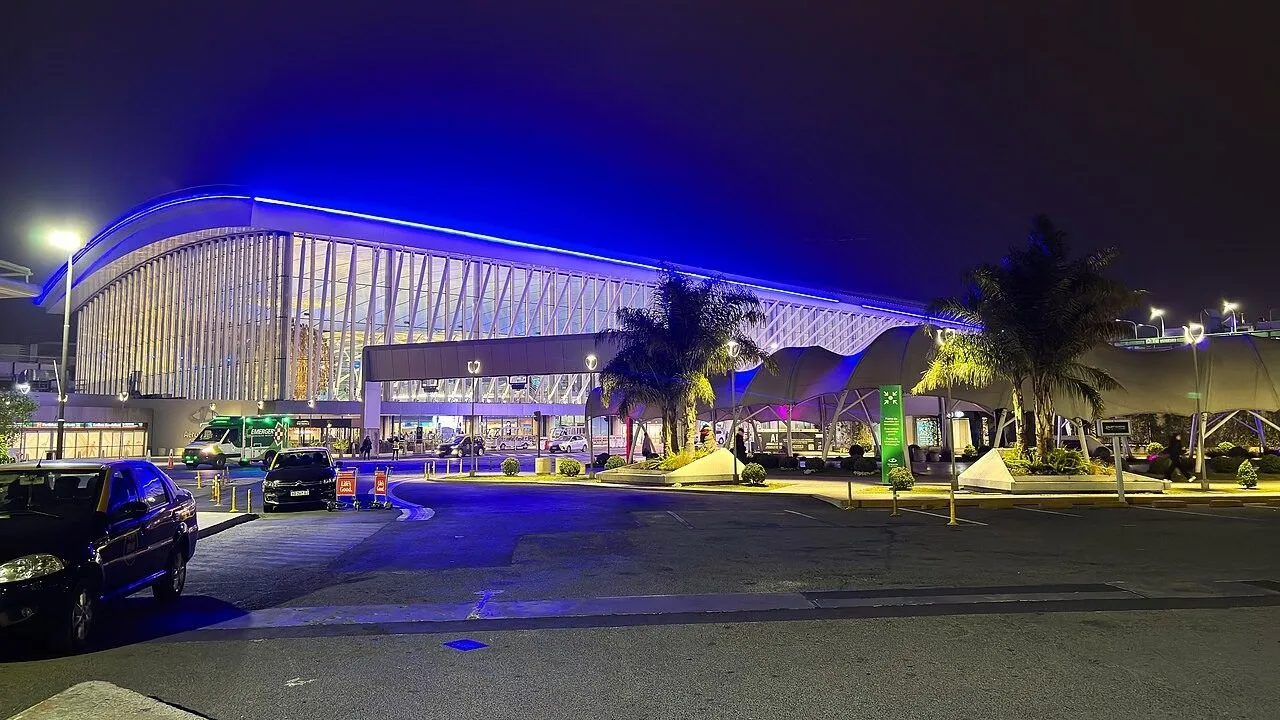

Match each arrival to a realistic first night, then combine flights, regional buses and local transfers around your route. This guide explains the airport-code mistakes, payment rules and rental conditions that most affect the journey.
Plan the first transfer before the next flight
Argentina's transport decisions begin with the airport code. “Buenos Aires” can mean Ezeiza or Aeroparque, and a connection between them involves a road journey through the metropolitan area. At Iguazú, IGR and IGU are on opposite sides of an international border. In Patagonia, landing at El Calafate still leaves a substantial onward journey if your bed is in El Chaltén.
Start with the arrival you have actually booked, including baggage collection and immigration where applicable. Then choose the first night's accommodation and the transfer that reaches it comfortably. A late arrival can make an extra city night more useful than an ambitious onward connection. Compare the whole journey, including waiting and road travel, before deciding that the cheapest airfare is the cheapest route.
Travel Tip: Put each flight's three-letter airport code beside the hotel night in your itinerary. If the codes change from EZE to AEP, or from IGR to IGU, investigate the ground journey and border requirements before paying.
Argentina airport codes that matter to your itinerary
The official Argentine airport directory identifies the principal gateways below. They are starting points for route planning, not a promise of direct services between every pair. Check the airline's actual operating airport, dates, baggage allowance and booking conditions. A search result under a city name can hide an airport change.
On a small screen, swipe the table horizontally. Keyboard users can focus the table area and use the arrow keys.
| Code | Airport or city | Planning consequence |
|---|---|---|
| EZE | Buenos Aires: Ministro Pistarini, Ezeiza | Outside the central city; check the onward airport before booking a connection |
| AEP | Buenos Aires: Jorge Newbery, Aeroparque | In the city, but not the same airport as EZE |
| IGR | Puerto Iguazú, Argentina | The Argentine gateway for a Puerto Iguazú stay |
| IGU | Foz do Iguaçu, Brazil | Brazilian entry and a border transfer may be needed for an Argentine hotel |
| FTE | El Calafate: Comandante Armando Tola | Choose a Calafate transfer or a confirmed onward connection to Chaltén |
| USH | Ushuaia: Malvinas Argentinas | A separate Tierra del Fuego base |
| BRC | Bariloche: Teniente Luis Candelaria | Check where your accommodation lies along the lake corridor |
| MDZ | Mendoza: Francisco Gabrielli / El Plumerillo | A city hotel and a rural wine property require different transfers |
| SLA | Salta: Martín Miguel de Güemes | Salta city, Cafayate and the Quebrada are different onward journeys |
Ezeiza and Aeroparque: choose a realistic connection
EZE is the main long-haul arrival point for many visitors; AEP handles many domestic and regional services. Neither label means that every flight of that type uses that airport. Read the specific booking. If the connection changes airports, allow for collecting luggage, entering Argentina, finding the transfer, traffic, checking in again and clearing security. A road journey advertised by a transfer operator is only one part of that calculation.
Check whether the onward flights form one protected itinerary or separate tickets. Do not assume that an airline will accommodate a missed separate booking, or that a travel-search website's suggested connection includes a transfer. For a first arrival after a long international flight, beginning with Buenos Aires often makes the trip easier. At the end, a final city night creates a margin before the flight home, although it cannot remove every disruption risk.
Tienda León's current website, checked on 14 November 2026, lists bus links between EZE and AEP and between each airport and Terminal Pellegrini at Pellegrini 971. Older pages referring to a different central terminal should not determine your meeting point. Select the route and date in the operator's booking system, then check the current pickup instructions. No departure frequency, journey-time guarantee or fixed fare is assumed here.
A bus can work well for one or two travellers whose hotel is convenient to the terminal. A private transfer may be simpler for a family, substantial luggage, a late arrival or an address far from the bus stop. Compare the final door-to-door cost and confirm passenger and luggage capacity. If you need a child seat or accessible vehicle, request the exact equipment before booking rather than treating it as an automatic inclusion.
At the airport, use the meeting point or authorised transport arrangement you have confirmed. Keep the hotel address available offline, including the neighbourhood and any access instructions. If a flight is delayed, know whether the driver monitors it, how long waiting is included and how you will contact the provider. Those details are more useful than a hopeful estimate of how quickly you can reach the city.
Regional airport transfers: the town is only the beginning
At Iguazú, match the airport, hotel country and excursion plan. The Brazilian operator identifies Foz do Iguaçu as IGU; it is not another terminal of Argentina's IGR. A cheaper flight on the Brazilian side can involve immigration requirements, border time and a cross-border transfer. Ask the transfer company whether it is authorised and arranged to make that journey, including the return to your departure airport.
At FTE, decide whether to sleep in El Calafate first or continue to El Chaltén. Confirm a service that matches the flight and accepts your baggage, and ask what happens if the arrival misses its departure. The municipality publishes transport information, but an old timetable PDF is not a guarantee of your travel day's service. A glacier excursion, an airport transfer and a Calafate–Chaltén bus are different bookings.
Elsewhere, the accommodation address changes the decision. A Bariloche hotel well along the lakeshore may require another journey after reaching the centre. A Uco Valley wine property is not a Mendoza city hotel. A flight to Salta does not deliver you to Purmamarca or Cafayate. Ask for the actual pickup, destination, total price and latest practical arrival before booking an isolated property for the first night.
Getting around Argentina: combine modes by region
Most first visits work best with a mixture of transport. Fly between distant regions when the timetable fits, use buses for manageable regional links, and hire a car only for the part of the trip that benefits from one. The shared name “Patagonia” does not make Bariloche, Chaltén and Ushuaia a compact local circuit. Refer to the regional map before comparing fares.
Judge each move by what it costs in useful time as well as money. An evening departure can protect a sightseeing day, but a very late arrival may require a taxi and accommodation with confirmed reception. An overnight bus can replace a hotel night, yet you may arrive tired and too early to check in. A flight consumes transfer and airport time, but can still preserve days that a long overland journey would take away.
Domestic flights and separate bookings
Check the total fare with the bags you will actually carry. A low headline price may exclude the checked suitcase or cabin bag your itinerary needs. Compare cancellation and change conditions, particularly for a flight that connects two costly excursions. Do not build a multi-region route around a direct service until you have found it operating on your dates; seasonal patterns and weekly frequencies can change.
For a connection, inspect both airport codes and the booking structure. If buying separate tickets, make a deliberate decision about the risk and the overnight margin rather than treating the shortest displayed combination as a recommendation. Avoid reserving a non-refundable afternoon activity immediately after a domestic flight. Leave the arrival day useful but flexible: a walk, groceries and an early dinner can be enough.
Intercity buses: compare the seat and the whole night
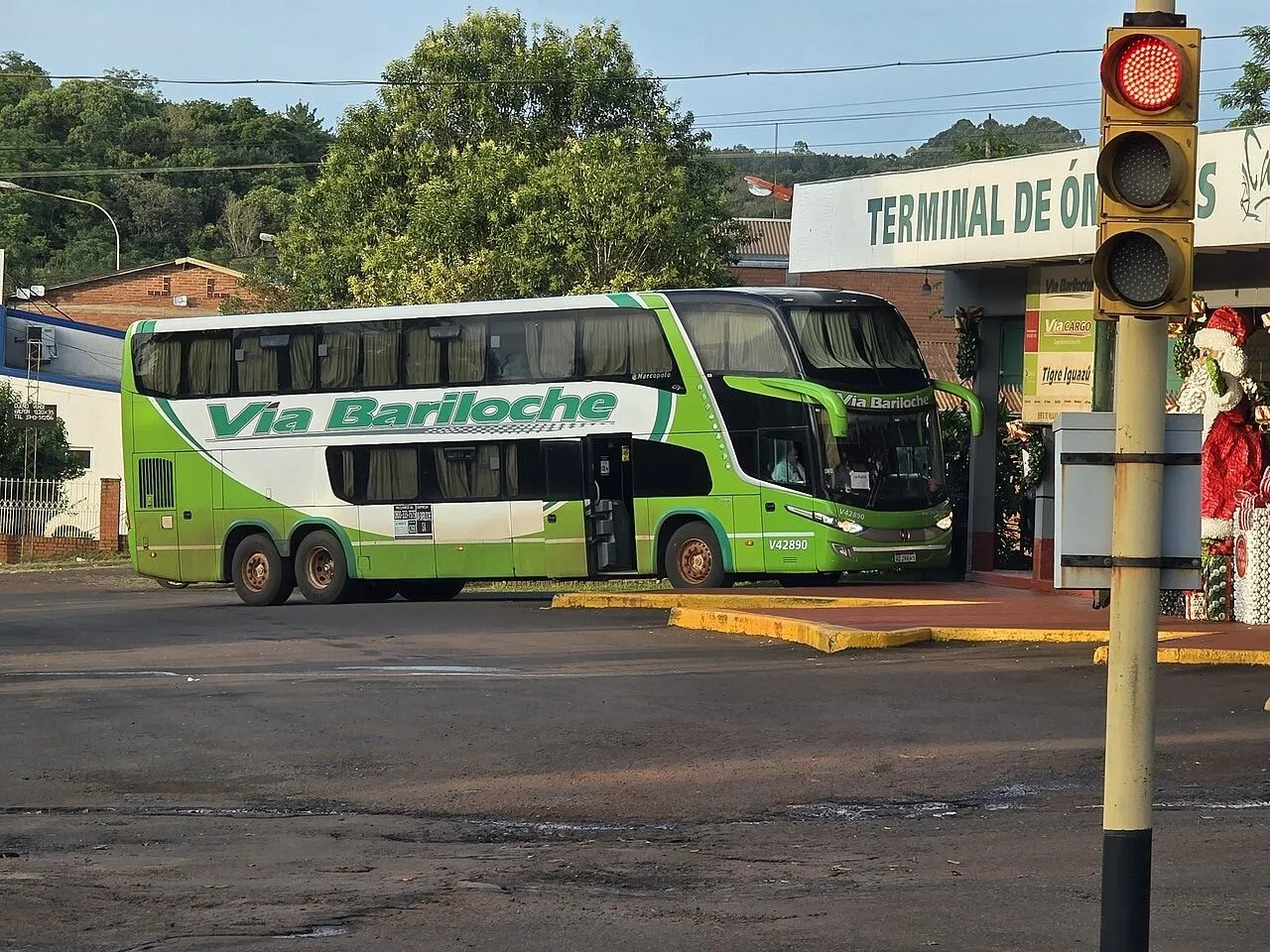

Long-distance buses can make sense when the route is direct and the journey itself fits your holiday. Check the exact terminal, departure date and arrival date, especially for an overnight service. “Cama” and “semicama” describe service categories, but compare the operator's actual seat information, recline, layout and inclusions. Do not assume a label guarantees a private bed, a meal, reliable Wi-Fi or good sleep.
Book with the same passenger details as your travel document and carry that document. CNRT's ticket and baggage guidance explains the identity details required and the baggage receipt you should receive. Keep that receipt until the bag is returned in good condition. Carry medication, passport, valuables and fragile electronics with you rather than placing them in the luggage hold.
Think about the morning after an overnight journey before counting it as a financial saving. Ask the accommodation about luggage storage and early access, and plan a gentle day if you are uncertain how well you will sleep. For a daytime regional bus, allow the actual timetable to determine the excursion schedule. A theoretical road distance does not establish a public service or an easy same-day return.
City transport, SUBE and contactless payments
The current national SUBE open-payment guidance says contactless Visa and Mastercard, including foreign-issued cards, can be used on SUBE buses nationwide and across AMBA. The registered-user fare applies with these payment methods. RED SUBE transfer benefits and other eligible subsidies remain attached to the physical or digital SUBE system; a foreign bank card does not inherit those discounts.
Carry another payment method in case a card is rejected, and check the specific metro or train service separately rather than extrapolating every rule from the bus network. Keep your phone charged, save the destination and use current local route information. A bus route that works for a neighbourhood afternoon may be inconvenient with suitcases after an overnight flight. For late or isolated journeys, compare a registered taxi or prearranged transfer.
Car rentals: hire for the part of the journey that needs it
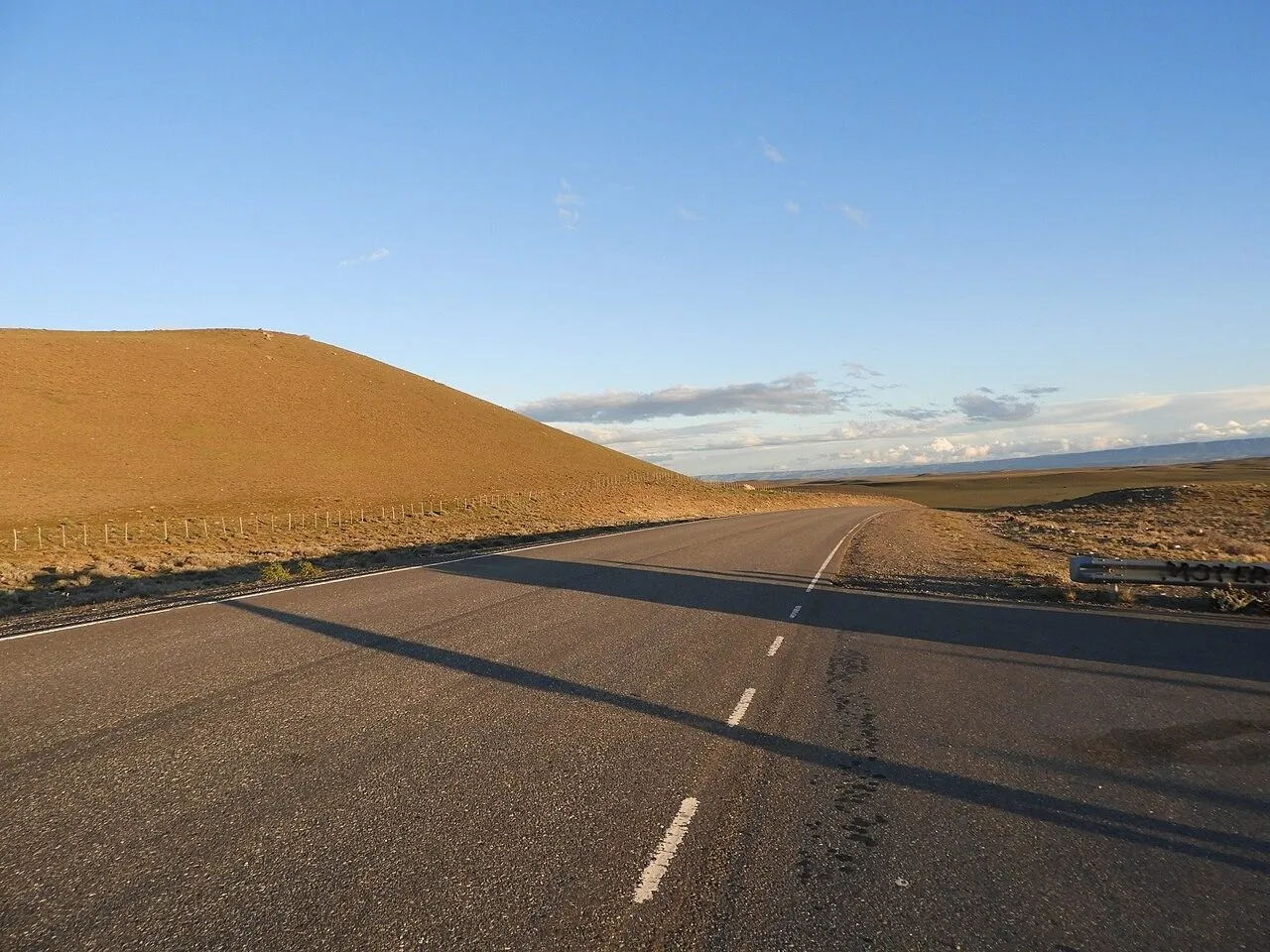

A car is usually more useful for a particular regional stay than for a continuous countrywide rental. It can open up a lake circuit, a carefully planned northwest road trip or a wildlife coast itinerary. In central Buenos Aires, parking, traffic and the location of the accommodation can outweigh the benefit. Compare hiring at the regional gateway with carrying a vehicle through days when it would remain parked.
Before paying, confirm the accepted driving licence, any translation or international permit requirement, driver age, named additional drivers, deposit and payment-card conditions. These vary by company and vehicle category. Ask what the quoted protection covers and excludes: tyres, glass, underbody damage, gravel roads, loss of keys and recovery charges deserve particular attention. An SUV badge is not permission to drive anywhere.
Surface restrictions matter in the northwest and Patagonia. Hertz Argentina's published policy, for example, limits permitted roads and vehicle use; it does not give every passenger car or SUV blanket gravel-road permission. Send the supplier your intended route, including the Cachi–Cafayate section or any remote approach, and obtain a clear answer for the actual category. If it is unsuitable, change the vehicle or the route before collection.
Build driving days around daylight, fuel, road conditions and stops rather than a navigation app's fastest time. Download maps, inspect the spare-wheel and recovery arrangements, and ask about toll payment where relevant. In winter, request the equipment required for the route and instructions you understand. Do not let a fixed hotel reservation pressure you into continuing through unsafe conditions; keep a margin where weather can interrupt the road journey.
Driving to Chile and Tierra del Fuego
A rental booking in Argentina does not automatically authorise travel to Chile. Arrange written cross-border permission and the required vehicle and insurance documents with the rental company before collection. The ARCA’s Argentina–Chile rental-vehicle procedure uses documentation issued through the rental company; it is different from assuming the rules for a privately owned vehicle will cover your hire car.
Ask the supplier about the requested countries, named drivers, lead time, fee, increased deposit, roadside assistance abroad and responsibility if a border closes. Permission to cross is also different from permission to return the vehicle in another country. Confirm both explicitly. Check the official international-crossing information close to departure and again on the travel day; a pass can be open for one category of traffic while conditions still affect your plan.
The usual overland journey from mainland Argentina to Ushuaia passes through Chile and crosses the Strait of Magellan. The Tierra del Fuego tourism authority explains the route via Integración Austral, Punta Delgada, Bahía Azul and San Sebastián. TABSA operates the Primera Angostura ferry. Allow for border procedures, ferry conditions and the remaining road distance. It is not an entirely domestic drive simply because both overnight towns are in Argentina.
Uruguay ferries: read what the ticket includes
A Buenos Aires–Uruguay excursion is an international trip. Check the passport and entry requirements for Uruguay and your return to Argentina, carry the required documents and allow the operator's check-in margin. Go to the terminal named on the ticket; different companies do not necessarily depart from the same address.
Buquebus lists Buenos Aires links with Colonia and Montevideo. Colonia Express distinguishes its ferry to Colonia from the ferry-plus-bus connection to Montevideo. That difference matters when comparing duration, transfers and the arrival point. Search the precise route and date rather than assuming every “Montevideo” ticket is a direct sailing. A round-trip day excursion also needs enough time at the destination to justify two border journeys.
Airports and transport FAQ
Are EZE and AEP the same airport?
No. Ezeiza and Aeroparque are separate airports, joined by a road transfer. Check airport codes, baggage and the booking structure before accepting an onward connection.
Should I book IGR or IGU for Iguazú?
IGR serves Puerto Iguazú in Argentina; IGU serves Foz do Iguaçu in Brazil. Choose according to your hotel and passport eligibility, allowing for a border transfer if the countries differ.
Do I need a SUBE card for every bus?
Current national guidance allows foreign-issued contactless Visa and Mastercard on SUBE buses. A SUBE card remains useful and has its own eligible transfer benefits. Check other transport services separately and carry a backup payment method.
Is an overnight bus always cheaper than flying?
Compare the actual fares, bags, terminal transfers and the following morning. Saving one hotel night may be useful, but poor sleep and early check-in costs can change the value.
Can I drive an Argentine rental car to Ushuaia?
Only with the supplier's approval for the route and the necessary Chilean transit documentation. The overland journey uses Chilean territory and a ferry, so arrange permission before collecting the vehicle.
Last updated: .