
EUROPE · UKRAINE GUIDE
Ukraine Health & Safety: Travel Advice, Preparation and Useful Contacts
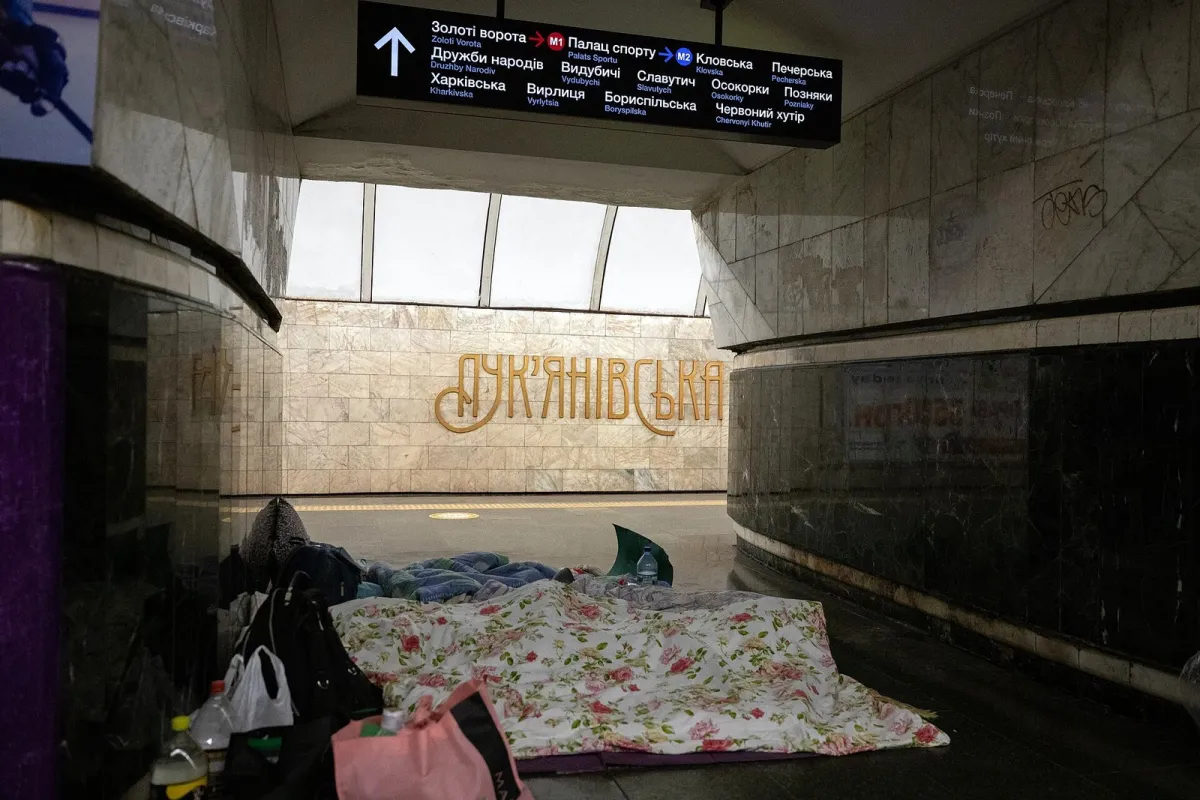

Health and safety planning for Ukraine begins with Russia’s ongoing war against Ukraine. Ordinary advice about pickpockets, hotel valuables or busy streets cannot describe the main circumstances facing travellers. This page helps you organise official information, medical questions and contact details. It cannot assess a particular person’s journey or replace instructions from the authorities where they are located.
Use it before making commitments and again whenever your circumstances change. A person already in Ukraine may need different information from someone considering entry. Keep the two decisions separate: whether to undertake a journey, and what to do if you are already in a place affected by an incident.
Read the right travel advisory
As checked on 21 October 2026, the U.S. Department of State advised Americans not to travel to Ukraine, at Level 4. The FCDO advised British nationals against all travel to most areas and against all but essential travel to specified western regions. Read the full regional text rather than relying on a headline or another traveller’s interpretation.
Advice from different governments is not interchangeable. It reflects their responsibilities to their own nationals and their ability to provide help. If you hold more than one nationality, establish which authorities consider you their citizen and what that means for your circumstances. Do not select whichever advisory sounds least restrictive and use it as a substitute for the others.
Neither distance from the front line nor the existence of a functioning business creates a safety guarantee. The practical decision should account for the journey’s purpose, personal vulnerabilities and available support. If you cannot resolve an essential question about medical care, documentation or assistance, do not hide it beneath a detailed sightseeing plan.
Air alerts and shelter arrangements
Follow local authorities’ instructions when an air alert is announced. Identify an appropriate shelter in advance rather than waiting for an emergency to ask where it is. Kyiv’s municipal information directs users to its official shelter resources; information for Kyiv must not be assumed to cover another municipality. Check the local authority for the actual place where you are staying.
When discussing accommodation, ask how guests receive instructions and where they are expected to go. Establish whether the route is usable for every member of your party, including someone with a mobility limitation. A listing that uses the word “shelter” does not answer questions about access, opening arrangements or suitability for an individual guest. Request specific information rather than relying on an amenity icon.
Prepare the information you may need without a working phone: your address in Ukrainian, a trusted contact, essential medical details and the relevant emergency numbers. Keep it accessible. During an incident, follow current official directions rather than a route devised from this article. Do not travel toward an attack site to take photographs or see what has happened.
Mines and unexploded ordnance
The United Nations’ mine-safety reporting from Ukraine gives a clear basic rule: do not approach or touch an unknown suspicious object; report the danger through 101. Do not attempt to identify, move or collect a fragment as a souvenir. Leave specialist assessment to trained authorities.
For travel planning, this means that an attractive photograph of a field, forest path or beach is not evidence of cleared access. Neither is an old walking route or a recent social-media post. Before considering outdoor access, obtain current official information for the particular area. Where that information is absent, this guide does not supply an exploratory route.
Explain this distinction to anyone travelling with you. Adults and children should not be encouraged to search for military objects or approach debris for a closer image. A cultural interest in a location never overrides restrictions imposed by the authorities. The main guide keeps heritage descriptions separate from present-day access for this reason.
Medical preparation before any journey
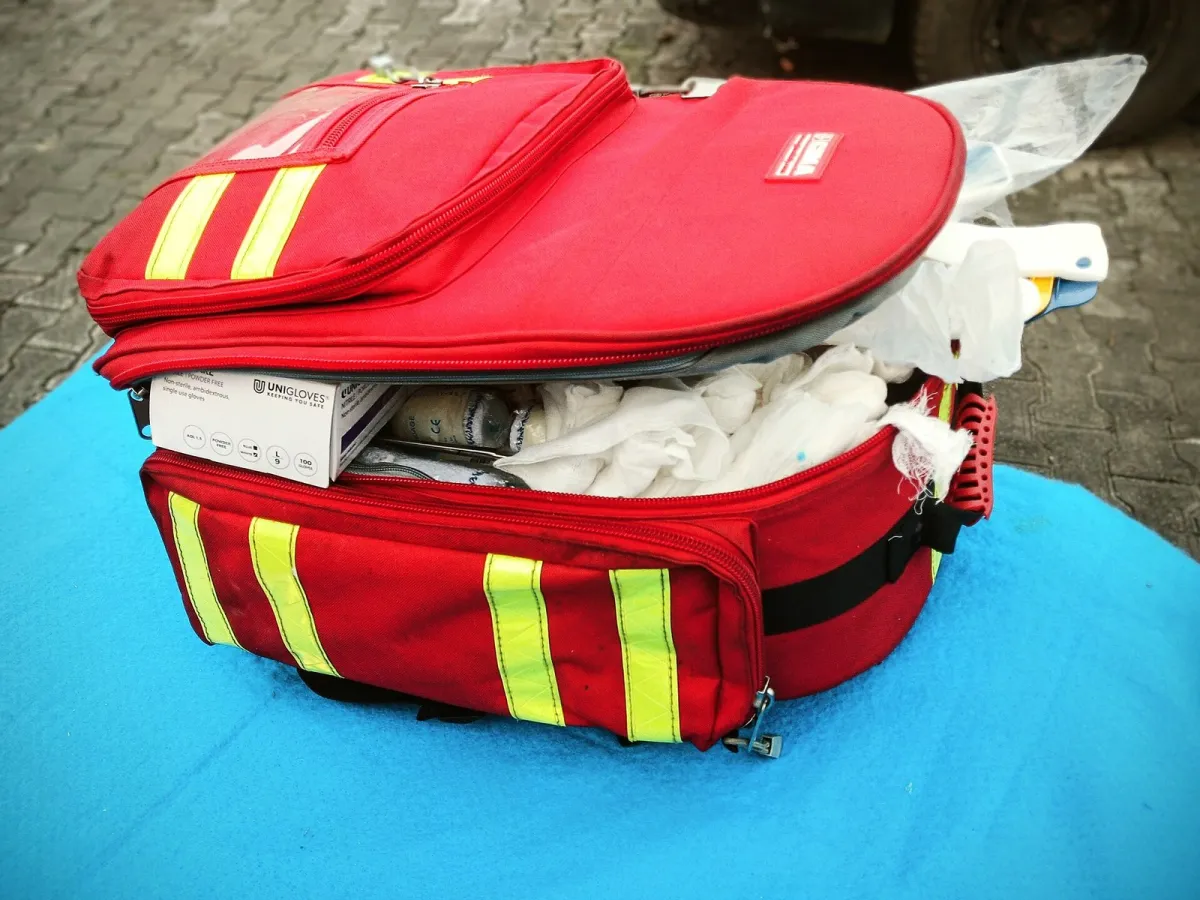

Consult a qualified travel-health professional about your individual health needs. The CDC’s Ukraine destination page provides vaccination and health information, including the importance of routine vaccination. Its health-notice categories are a different system from government security advisories; a health notice must not be read as permission to travel.
Make the appointment early enough to discuss any vaccines or follow-up that may be appropriate. Give the clinician your actual circumstances: dates, destination, planned activities, medical conditions and medicines. This guide does not prescribe vaccines, doses or treatment. Advice for one person may be unsuitable for another, particularly with pregnancy, immune conditions or complex ongoing care.
Prepare a concise medical summary with generic medicine names, allergies, relevant diagnoses and a contact for your usual clinician. Ask how any temperature-sensitive treatment would be managed if normal arrangements were interrupted. Carry documentation rather than assuming a medicine with a familiar brand name can be obtained locally or imported without conditions.
Healthcare, medicines and assistance
The FCDO health page notes interruptions to medicine supply and cautions that listed healthcare providers may not all be operating. Contact an appropriate provider directly for a specific need. A map result, an old directory entry or a recommendation from a previous year is not confirmation that the required care is available now.
For someone who relies on ongoing treatment, identify the point at which a change in supply or access would make remaining impractical. Discuss that situation with the treating clinician and assistance provider before it arises. Keep the plan understandable to another person who might need to help you. Do not expect a hotel receptionist to interpret a complex medical requirement.
If urgent treatment is needed, seek emergency assistance rather than waiting for an insurer to approve a routine appointment. Once help is being arranged, contact the insurer or assistance service as appropriate. Keep the names of facilities and any paperwork you receive, but do not let record keeping delay immediate care.
Insurance and the limits of cover
Ask an insurer about the exact destination, dates and purpose of travel, including the applicable government advice. Request written answers to questions about conflict exclusions, medical treatment, evacuation and interruption. A policy’s purchase confirmation is not proof that every circumstance you may encounter is covered. Read the wording and the answer together.
It is useful to distinguish three separate things: a benefit described in a policy, an assistance company’s ability to arrange it, and its practical availability in a particular situation. Ask who makes decisions, what contact method to use and what information they require. Keep the reference number where it can be found without logging into an email account.
Do not describe insurance as making a journey safe. It is one part of a broader decision about financial and medical consequences. If a provider cannot confirm that the cover fits the intended circumstances, treat that as an unresolved issue. A cheaper policy is not a meaningful comparison when the underlying scope differs.
Local restrictions and everyday continuity
Canada’s official Ukraine advice describes martial-law measures and disruption to services and transport. Check the instructions that apply locally rather than importing a curfew time from another city or an older article. Ask the host and relevant authorities about any requirement that affects arrival, movement or an appointment.
Create a simple continuity plan for ordinary dependencies. How will you find an address if the phone is unavailable? How will you contact the person expecting you? Which documents and medicine need to remain with you if arrangements change? These practical questions help reveal a weakness in the plan without pretending that a checklist removes the underlying risks.
Review the plan with a trusted person. Decide when they should expect an update and what they should do if it does not arrive. Avoid a system that requires you to send constant messages during an emergency. The aim is a clear agreement, not an additional obligation that competes with official instructions.
Useful contacts
The following emergency numbers are listed in the FCDO’s Ukraine getting-help guidance, checked on 21 October 2026. They are not a promise about response time, coverage or English-language availability. Use the relevant service for the immediate need.
On a narrow screen, swipe the table or focus it and use the left and right arrow keys to see every column.
| Need | Contact | Information to have ready |
|---|---|---|
| Ambulance | 103 | Exact location, callback number and what has happened |
| Fire or rescue | 101 | Location and the nature of the danger |
| Police | 102 | Location, immediate concern and callback details |
| Consular assistance | Your government’s official embassy or foreign-ministry channel | Nationality, identity and the assistance requested |
| Insurance assistance | The number on your policy documentation | Policy reference, location and an outline of the situation |
For British nationals, use the FCDO getting-help page to reach the appropriate official assistance route. For Americans, start from the U.S. Embassy in Ukraine and its current notices. Other nationals should use their own government’s official channels rather than a copied embassy list that may be out of date.
Prepare a contact card before it is needed. Keep private policy details and family numbers out of public posts. If you ask another person to contact an organisation for you, give them the minimum information required and agree how updates will be shared. Public travel forums are not a substitute for an emergency or consular service.
Reassess before moving or leaving
An exit plan should be a set of questions you can update: legal permission, current transport, personal ability to travel and support at the destination. It should not be a fixed escape route copied from an old article. The Getting Around guide explains how to check transport components, while Travel Essentials separates entry and exit documentation.
Do not assume that consular assistance includes a guaranteed evacuation. Ask your own government what it can and cannot provide, and read current notices. If circumstances deteriorate, follow the instructions of the responsible authorities and assistance professionals. Reassessing a plan is appropriate even when a reservation is still valid and an operator continues to sell tickets.