
EUROPE · UKRAINE GUIDE
Ukraine Travel Essentials: Entry, Documents and Daily Preparation
Preparing for Ukraine involves several separate decisions: whether to travel, whether you have permission to enter and leave, and whether the practical arrangements meet your needs. This page concentrates on documents, communication and everyday preparation. Read Health & Safety for the wider risk and medical questions, and Getting Around for the transport components of a journey.
A useful preparation file is specific to the traveller. It identifies the passport being used, the purpose of the visit, any relevant Ukrainian citizenship or residence status, and the countries crossed along the way. General statements about “European visitors” cannot resolve those details. Start with your own circumstances before consulting a booking site or copying another person’s packing list.
Visa & entry: establish your own position
Use the Ukrainian Ministry of Foreign Affairs’ entry-regime information as a starting point and confirm the current position with a Ukrainian embassy or consulate. Requirements depend on nationality, passport type, purpose and length of stay. A country list is not a personal ruling on an individual case, and older dated provisions need fresh confirmation.
The ministry’s visa information distinguishes visa categories. Do not assume that permission for a short visit also permits work, a professional assignment or residence. Describe the real purpose when asking for guidance. If the proposed activity does not fit the category you have checked, resolve that question before making non-refundable commitments.
For British citizens, the FCDO entry-requirements page provides nationality-specific guidance. Other nationals must check the rules applicable to their own documents. This guide deliberately avoids a universal visa-free entitlement: even where a duration limit applies, calculating prior stays and confirming the legal basis of the visit remain separate tasks.
Prepare a written enquiry when the case is complicated. State the nationality and passport type, intended purpose, previous relevant stays and proposed dates. Ask which documents establish the right to enter and which authority can resolve an outstanding issue. Keep the reply with the date and the issuing office; do not rely on a screenshot stripped of its context.
Citizenship, residence and leaving Ukraine
A foreign passport does not by itself resolve a possible Ukrainian-citizenship issue. If you have Ukrainian citizenship, family ties or a previous status that may matter, obtain current official advice before entry. Exit restrictions and other obligations may depend on circumstances that a general travel article cannot determine. Avoid treating a second passport as a workaround.
Write down the question you need answered: recognition of nationality, the validity of a residence document, permitted stay, or permission to leave. These are different enquiries and may involve different authorities. Ask for a current official explanation rather than interpreting an old discussion thread. If legal advice is needed, use a qualified professional with the relevant jurisdictional expertise.
Consider every member of the travelling party separately. A child’s documents or another adult’s citizenship position may differ from yours. The fact that one person can cross a border does not settle the position of everyone travelling with them. Keep consent, identity and relationship questions distinct, and obtain the necessary official guidance for the actual family circumstances.
Transit countries and the complete document file
An overland journey may involve immigration requirements outside Ukraine. Check each country you intend to enter, including any return journey. Permission to enter Ukraine does not grant permission to transit or stay elsewhere. Work backwards from the complete route rather than checking only the final destination.
The following is a preparation worksheet, not an exhaustive legal document list. Use the requirements of the relevant authorities and carriers to complete it. Record which items are confirmed and which are still questions; an unchecked box should not silently become an assumption.
| Item to resolve | What to record | Why it matters |
|---|---|---|
| Identity document | Passport used and validity requirements | Names and legal status must match the actual traveller |
| Purpose and permission | Applicable entry basis and supporting documents | A ticket does not establish permission to enter |
| Transit and return | Rules for every country entered | The outward route and return may differ |
| Citizenship or residence issue | Written guidance from the responsible authority | General visitor rules may not answer the case |
| Transport reservation | Name, date, origin and conditions | A booking error can affect the whole journey |
| Assistance | Insurer and consular contact routes | Details should be available without an email login |
Keep copies in a secure form and retain access to necessary originals. Share sensitive information selectively. A hotel, carrier and consulate may each need different details; do not send a complete personal document file merely because an unfamiliar intermediary requests it.
Language, names and addresses
Use Ukrainian place names consistently when building a travel file, while recognising that older documents and search results may use different spellings. Kyiv and Odesa are the forms used in this guide. For a reservation, the spelling printed on the ticket and the passenger’s identity document is more important than an informal English abbreviation.
Save the actual destination address in Ukrainian as well as an English rendering. Include the building entrance or meeting instructions supplied by the host, rather than only a map pin. If a driver or official needs clarification, an exact written address is more useful than a description such as “near the station”. Keep the host’s name and contact method with it.
Prepare a small set of phrases for practical needs: asking someone to write an address, explaining a mobility requirement, and requesting help contacting a named person. Do not rely on translation software for an important legal or medical decision. For those situations, arrange an appropriate interpreter or professional assistance where needed.
Communication and a usable offline file
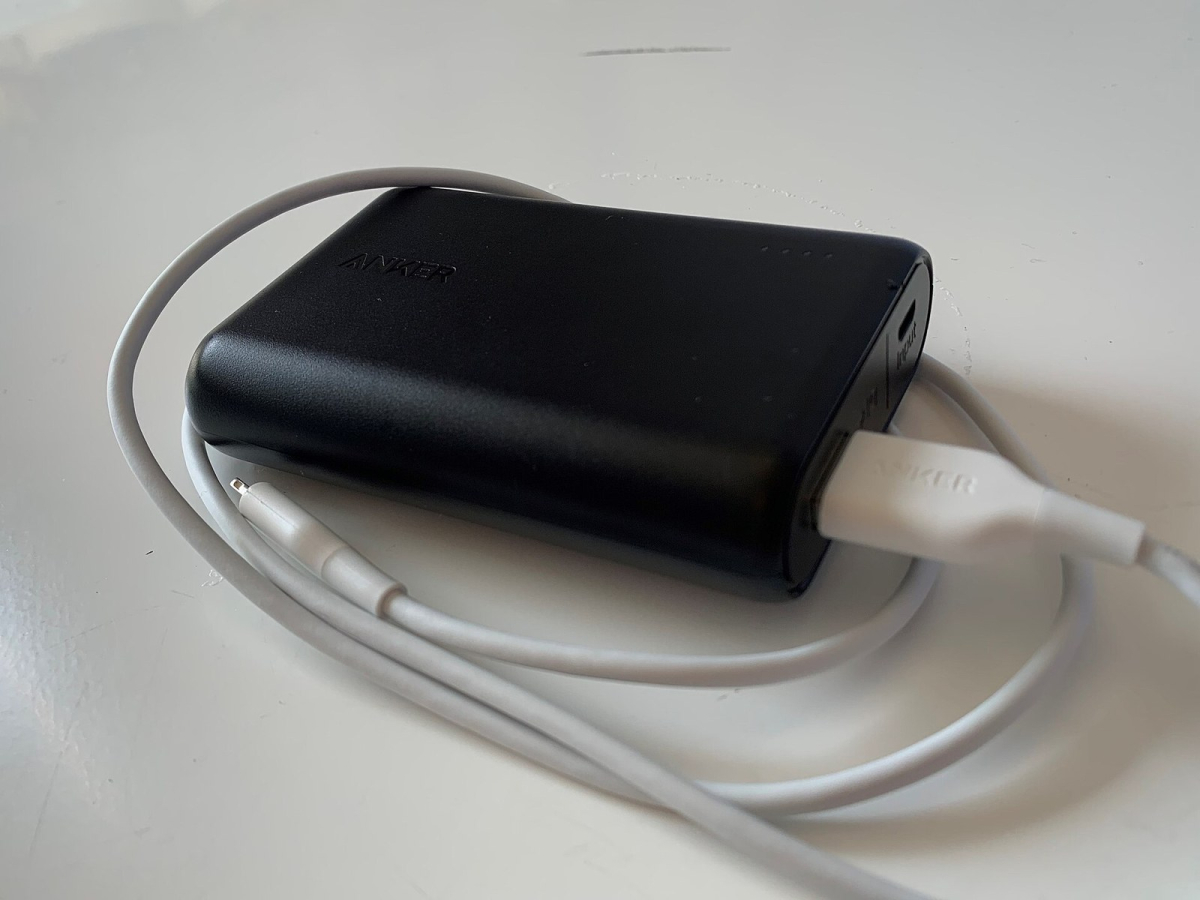
Ask your mobile provider about roaming, costs and any service limitations before relying on the phone abroad. If considering a local service, check the operator’s current purchase, identification and activation requirements directly. A cheap data offer is not useful if the account cannot be activated with your documents or if your device does not support it.
Create an offline folder with the information you would need first: identity copies, accommodation details, reservations, emergency numbers and assistance contacts. Keep it organised by task rather than as dozens of unnamed screenshots. Check that essential files actually open when the device has no internet connection.
Agree on a contact routine with a trusted person. Include what should happen if you miss an update, and which official channel they should consult before becoming involved. Avoid publishing live movements or other people’s private details. A simple, understandable agreement is preferable to a complicated system nobody has tested.
Power, packing and accommodation questions
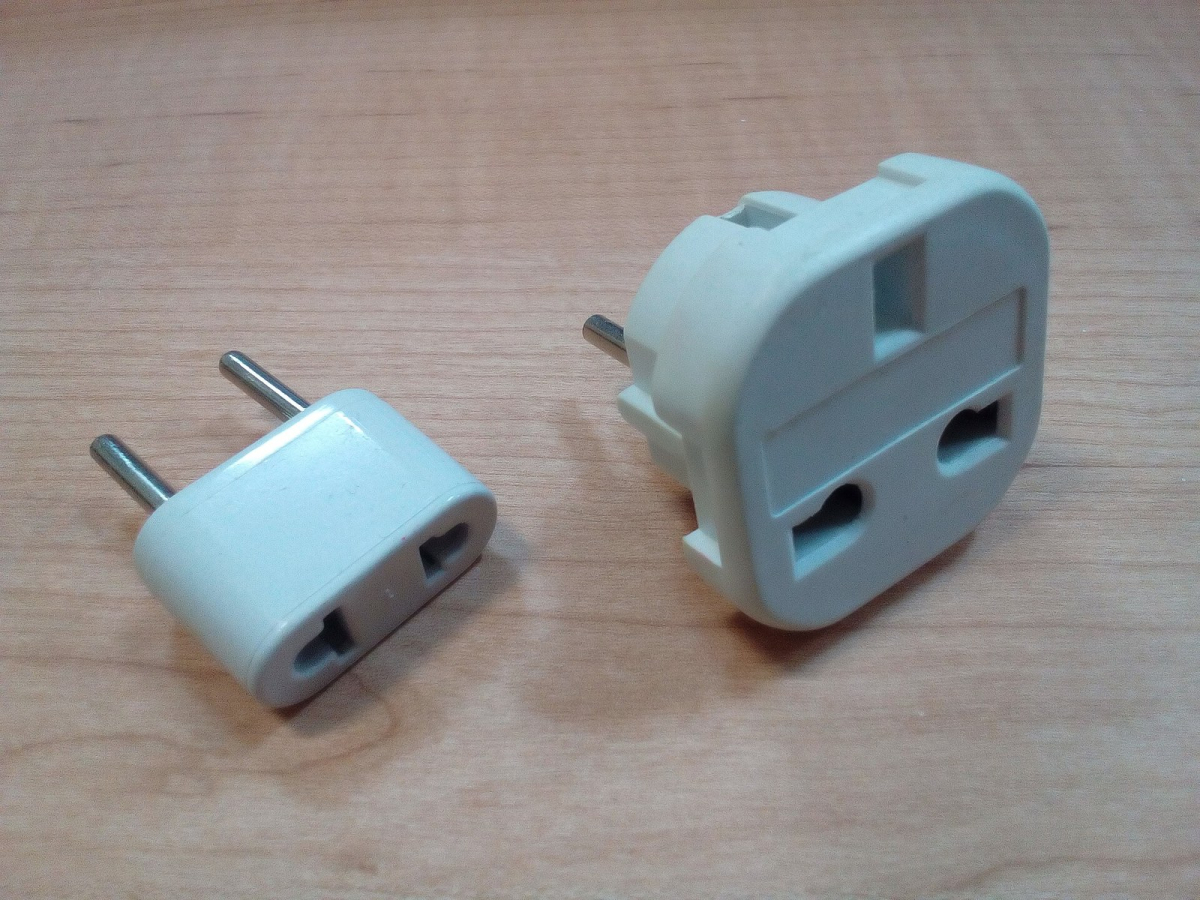
Check the input rating of each electrical device and whether it needs a plug adaptor or a voltage converter. Those are different products. Medical equipment deserves particular attention: discuss compatibility, charging and continuity with the manufacturer, clinician and accommodation provider as appropriate. Do not assume a general room description answers a specific equipment requirement.
Australia’s Ukraine travel guidance describes infrastructure damage and outages affecting essential services. For the property you are considering, ask what services are actually available and how interruptions are handled. Request clear details rather than interpreting the phrase “backup power” as an unlimited promise about heating, water, lifts or every room socket.
Pack around the journey you can verify. Keep necessary documents, essential medicines and contact information accessible rather than in luggage that may be difficult to reach. Choose baggage you can manage independently, and consider steps, waiting areas and changes of vehicle. Ask about access arrangements before relying on them.
Money and practical purchases
Create a budget in which each amount has a currency, date and source. An accommodation quote, a transport ticket and an estimate for meals are different types of input. Do not turn an old exchange rate into a current promise about affordability. Use the National Bank of Ukraine’s exchange-rate resource as an official reference point and ask your bank about the terms of the transaction you actually intend to make.
Keep routine spending separate from the funds needed if arrangements change. The right amount depends on the individual plan; this page does not offer a universal daily allowance. If two people share a room, show that assumption explicitly. A longer stay also introduces costs and obligations that a short-trip comparison may omit.
Before buying a cultural object, ask about its origin and any documentation required to take it abroad. The FCDO customs guidance identifies restrictions affecting goods including antiques and items of historical interest. A seller’s willingness to accept payment is not confirmation of lawful export. Clarify the position before purchasing something you cannot legally transport.
Responsible travel and cultural engagement
Respect a community’s present circumstances. Ask before photographing people, and accept refusal without argument. Do not make another person’s distress into a travel story or request access to restricted places for a more dramatic image. For camera restrictions and incident-related concerns, consult the Health & Safety page and current local instructions.
For purchases or donations, verify who receives the money and what the transaction supports. Use an organisation’s official channel rather than forwarding payment to an account merely because its appeal looks persuasive. Supporting cultural institutions remotely can be a useful option when travel is unsuitable. You do not need to be physically present to take Ukrainian history, art or language seriously.
Treat the decision to postpone as a practical outcome, not a failed itinerary. Keep useful research, cancel commitments according to their terms and return to the travel question when there is new information. Before any later journey, recheck documents and current advice instead of assuming today’s preparation remains valid indefinitely.



