
EUROPE · UKRAINE GUIDE
Ukraine Fast Facts: Names, Geography and Everyday Reference
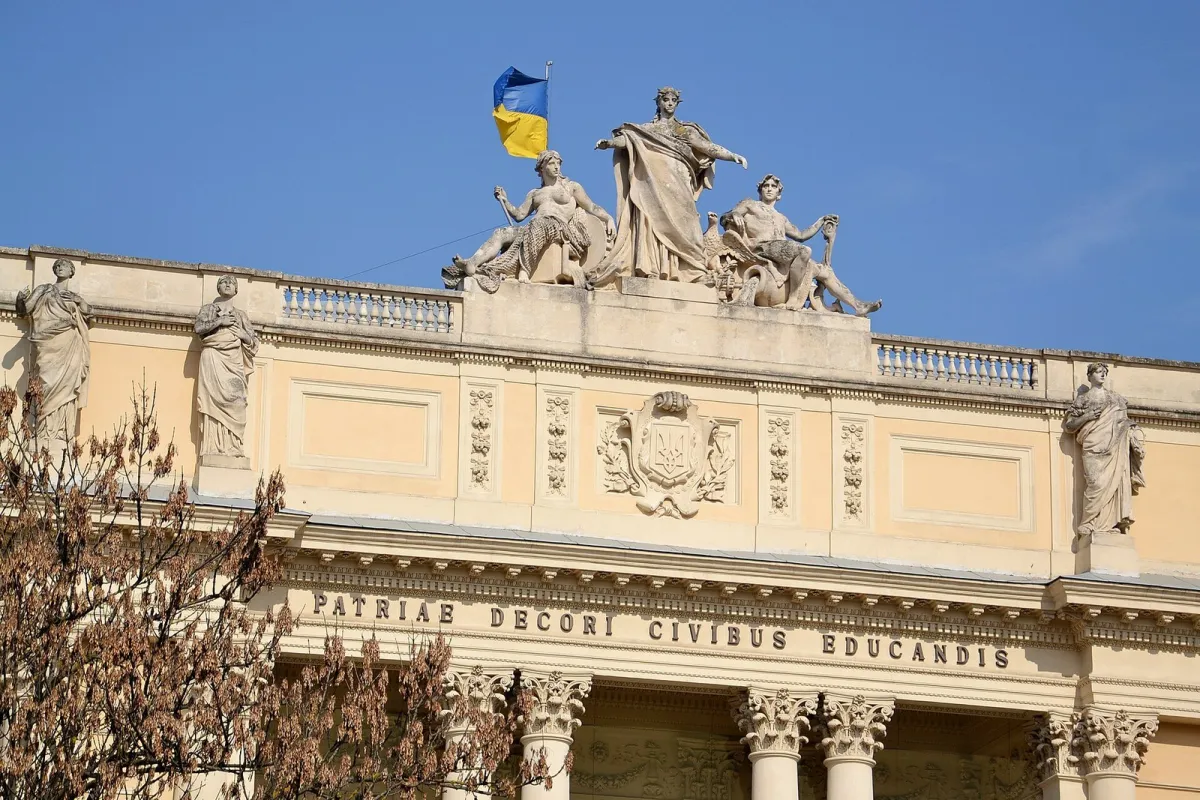

Fast facts are most useful when they explain what a reader can safely infer from a short answer. Ukraine's capital, official language and currency are straightforward reference points; population estimates, access and local arrangements require more context. This page helps you interpret names, addresses and basic country information without presenting an old statistical snapshot as the situation today. Detailed preparation remains in the Travel Essentials guide.
The essential reference table
The Ministry of Foreign Affairs' general facts page is an official starting point for country identity, capital and language. For changing information, use the specialist authority responsible for that subject. A general facts page and a date-specific entry notice serve different purposes, even if both belong to official organisations.
On a narrow screen, swipe the table or focus it and use the left and right arrow keys to see every column.
| Subject | Useful reference | How to use it |
|---|---|---|
| Country name | Ukraine | Use without the article “the” in ordinary contemporary English |
| Capital | Kyiv | Older English sources may use Kiev; it is the same city |
| Official language | Ukrainian | Keep Ukrainian place names and addresses available |
| Currency | Ukrainian hryvnia, UAH, ₴ | Check the date and charge currency on any quotation |
| Location | Eastern Europe | Geography does not establish a current travel route |
| Southern waters | Black Sea and Sea of Azov | A named coast is not proof of permitted beach access |
| Country calling code | +380 | Verify the complete contact number and dialling format |
| Internet country domain | .ua | A domain ending is not proof that a business is genuine |
| Road traffic | Right-hand side | Driving permission, insurance and route suitability are separate checks |
| Independence Day | 24 August | A national date does not verify a public event or opening schedule |
This is deliberately a reference table rather than a complete arrival checklist. For example, knowing the country calling code does not tell you whether a mobile plan includes Ukraine. Knowing the currency does not establish how a particular deposit will be paid. Follow the relevant detailed page when the decision involves a service, a document or money.
Names, spelling and respectful usage
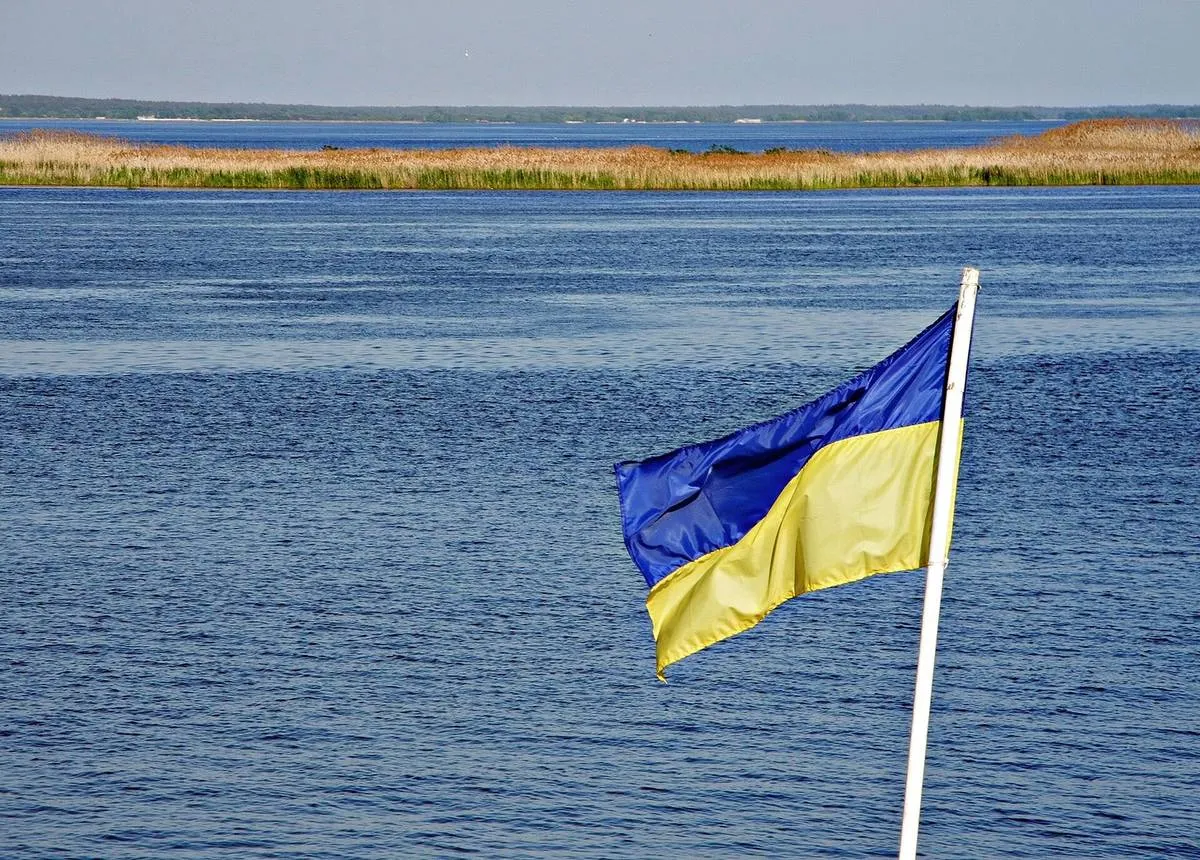

Use Ukraine, Kyiv and Odesa in contemporary English editorial text. Archive material and older company names may use different spellings; these should be explained when necessary rather than treated as different destinations. If a business's formal name retains an older spelling, keep that name intact in the document or booking reference so staff can identify the right transaction.
A city name is only part of an address. Keep the street, building number, entrance information and local contact as supplied by the organisation itself. Translating every address component can make it harder to compare your notes with a sign or a message from the host. Store a readable Ukrainian version offline. If a map and a confirmation disagree, clarify the address before relying on either.
Ukrainian is the official language. Do not assume an individual's preferred language from their city, surname or age, and do not describe the country as linguistically uniform. Ask how someone would prefer to communicate. A short written question and a clear address are often more useful than a complicated spoken request. A translation application can assist, but it does not replace a qualified interpreter for a legal or medical matter.
Territory and geography: what a country fact means
Ukraine's internationally recognised territory includes Crimea. Russian occupation does not turn a Ukrainian location into an ordinary Russian holiday destination. The UN's record of the 2014 territorial-integrity resolution is useful context. This guide does not provide an entry route into occupied territory or use a coastal description to imply that travel is permitted.
A country's total area is different from the territory controlled by its government at a particular time. Maps and statistical tables must identify what they measure. Similarly, a list of land neighbours describes geographical relationships, not a list of open border crossings. Use the Map & Regions guide for orientation and the Getting Around guide for the sources needed to check actual transport.
Kyiv city and Kyiv Oblast are not interchangeable administrative references. If an instruction concerns an oblast, find out whether and how it applies to the actual location involved. Historical and cultural regions also differ from today's administrative units. A family-history record mentioning Galicia or Bukovyna needs interpretation within its period, rather than automatic placement inside a modern boundary.
Population and other numbers that need a date
A population estimate from 2010 cannot describe the country's present population after years of displacement, migration and occupation. Rather than present an unsourced replacement number, this guide explains how to interpret the scope of a statistic. A useful demographic figure must identify its date, geographical coverage and whether it counts residents, citizens or a population projected from an earlier baseline.
When comparing statistics, check whether two sources include the same territory and population definition. An administrative register, a census, a survey and a modelled estimate can answer different questions. Small-looking differences in definition can create large differences in a headline figure. Avoid treating an apparently precise number as stronger evidence simply because it contains more digits.
The same caution applies to religious affiliation percentages or a list of “largest cities.” Those claims need current and comparable evidence, and they rarely help a traveller choose a responsible next step. This page prioritises stable reference information and links to the relevant subject guides. It does not preserve old denominational percentages as if they represented every person's identity or today's institutional landscape.
Money, communication and electricity
UAH identifies the hryvnia in a price list or bank statement. Save both the original quotation and the currency the provider will actually charge. A website's home-currency display may be only an estimate. The Travel Costs & Money guide explains how to compare conversion offers and how to separate a budget from a promise of affordability.
For communication, verify whether your mobile provider treats Ukraine as part of your existing roaming allowance. Do not assume that a European plan covers every European country on the same terms. Store essential contacts and addresses offline. A working internet connection is convenient, but a plan that depends entirely on one device or app can become difficult to use if access is interrupted.
For electrical equipment, compare the actual device's input label and plug with the accommodation's information. A plug adaptor changes the physical connection; it does not necessarily convert voltage. Avoid treating a stock photograph of an adaptor as proof that it is right for every appliance. The detailed packing and connection questions belong in Travel Essentials, where they can be checked alongside your own equipment.
Time, dates and opening arrangements
For an appointment, booking or train, confirm the time zone used by the issuing organisation and the actual date. Do not rely on an old UTC offset copied into a country table. Clocks, seasonal arrangements and how an international service displays its departure can all matter. Keep the original ticket or confirmation rather than rewriting the time without its context.
A national holiday does not guarantee either closure or opening at an individual business. A museum may have its own closing day; a restaurant may operate differently from a nearby shop. During the war, announcements and local restrictions can also change arrangements. For a time-sensitive commitment, seek a direct dated answer from the actual provider and allow time to confirm it again.
The date 24 August refers to Ukraine's declaration of independence in 1991, documented in the Verkhovna Rada's independence resolution. It does not establish that a particular celebration will take place. Keep cultural observance, legal holiday status and a specific event programme as three separate pieces of information.
Culture is more than a checklist
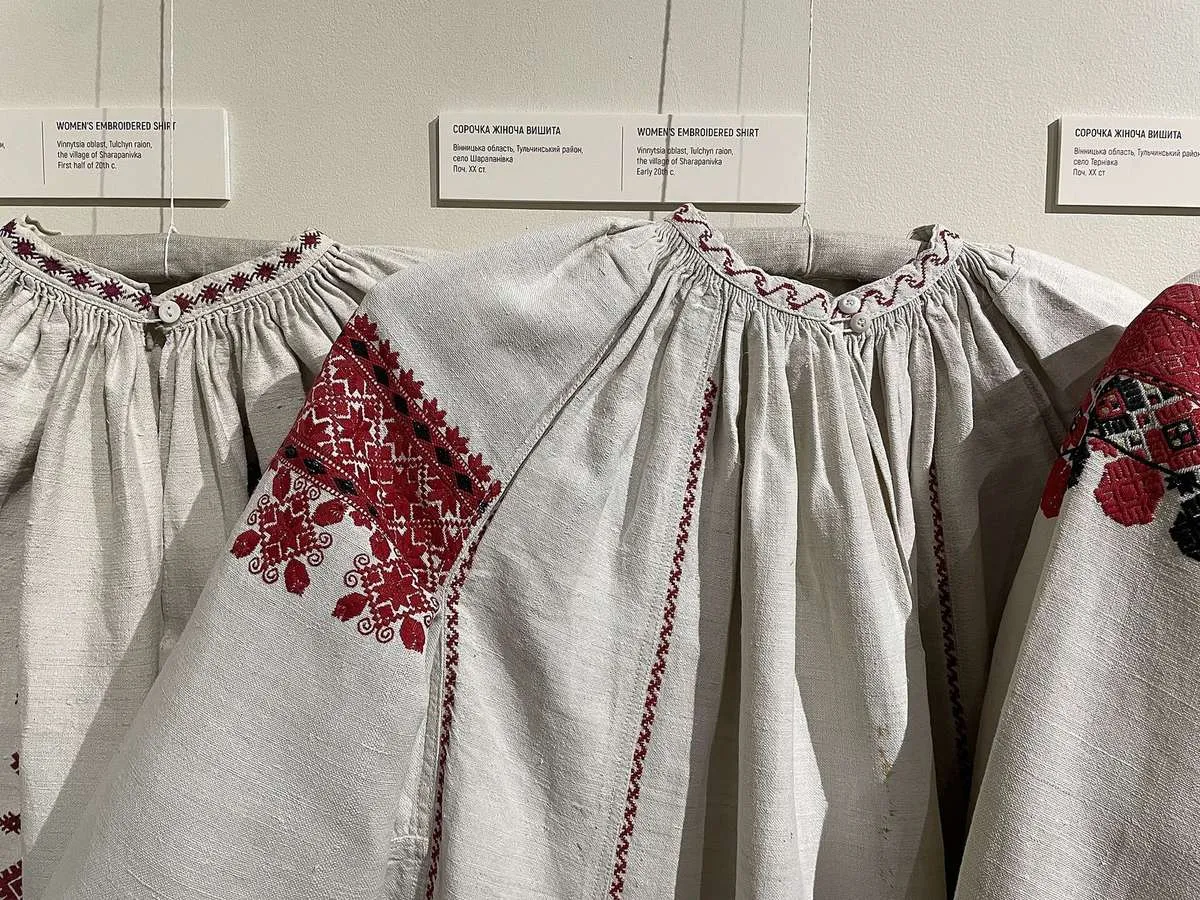

The language, food, literature and crafts of Ukraine deserve context beyond national symbols. A photograph of an embroidered shirt illustrates an object or style; it does not establish a single costume worn by everyone. The History & Culture page introduces ways to research that variety, while the Food & Drink page explains dishes and ordering decisions.
When speaking with people, avoid turning an introductory question into a demand for their experience of the war. Respect a person's choice to discuss ordinary life, work or culture. Do not assume that identifying a national symbol gives permission to photograph someone, enter a private space or publish their story. A reference guide should support informed interaction rather than reduce a country to a collection of labels.
Where to find the next answer
For travel suitability, start with Health & Safety. For documents and daily preparation, use Travel Essentials. For geography, use Map & Regions; for cultural background, use History & Culture. Fast Facts remains a reference page with a distinct role: it helps you interpret the basic terms used throughout the guide without reproducing every operational instruction in one long checklist.