
EUROPE · UKRAINE GUIDE
Ukraine Food & Drink: Dishes, Regional Context and Where to Ask

Ukraine's food culture can be explored without presenting the country as a conventional holiday destination during Russia's war. This guide introduces dishes, ways to compare menus and two real restaurant contacts whose own information was checked. It does not guarantee that a kitchen, dining room or delivery service will operate on your dates. For a necessary stay, a restaurant decision must fit current local instructions and a practical return plan.
Start with a dish and the questions behind it
A dish name is a useful introduction, but it does not define one compulsory recipe. Ingredients, cooking methods and serving traditions can vary between households, regions and individual chefs. Approach a menu as a description to read, rather than a test of whether the food is “authentic enough.” Ask what is in the version being served and how it differs from another option you are considering.
Ukraine's official cuisine introduction offers a starting point for dishes such as borscht, varenyky, deruny, banush and holubtsi. These names connect to different ingredients and traditions rather than a single standard tasting menu. A photograph of one serving is illustrative. It does not identify a dish available at every restaurant or establish a universal portion size.
For readers researching from abroad, a recipe by a Ukrainian cook can be a meaningful alternative to travel. Yevhen Klopotenko's borscht collection demonstrates that even a familiar category contains several approaches. Reading the ingredient list and the story of a recipe can offer more cultural context than ranking several restaurants from old reviews.
Borscht: variation matters
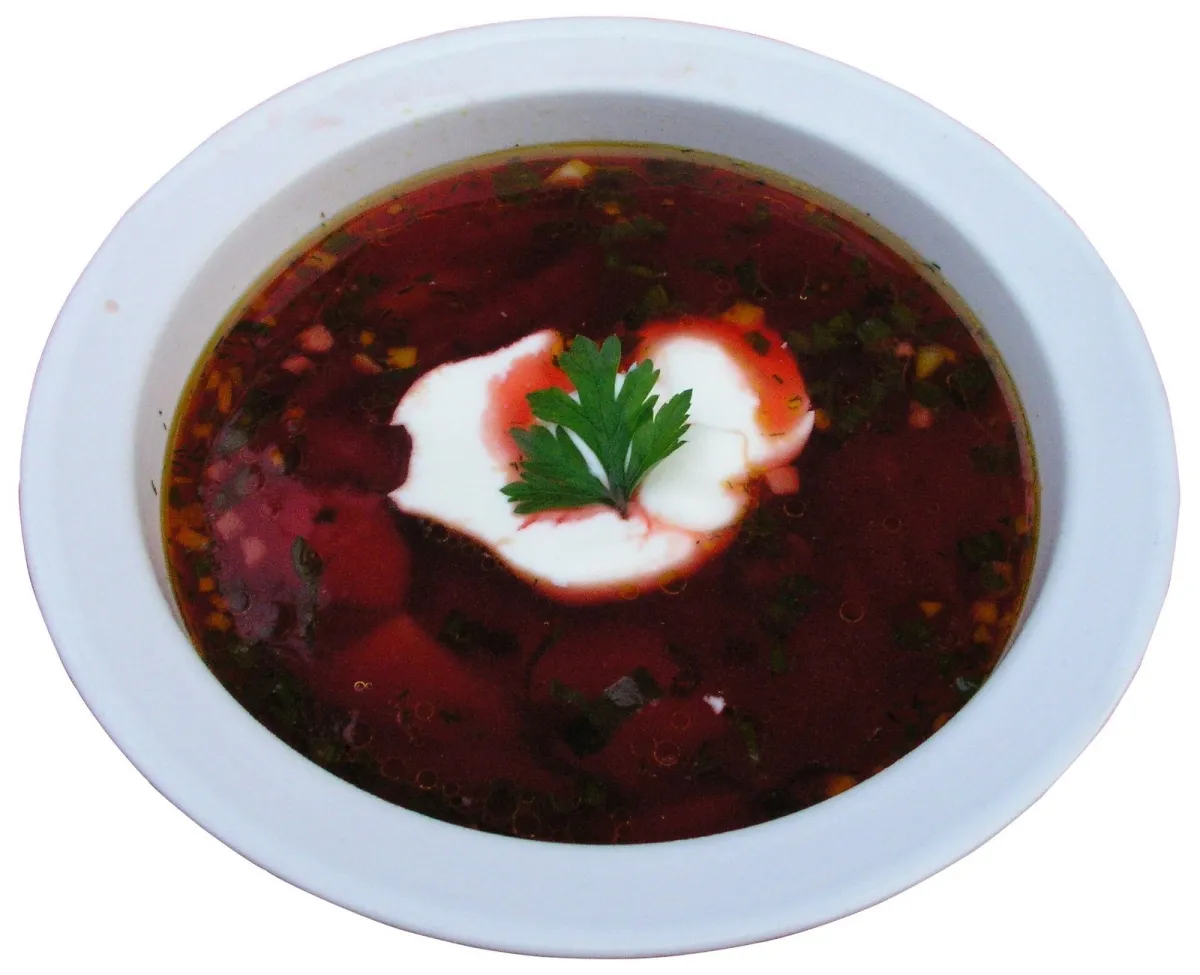
Borscht is often associated with beetroot, but the recipe, broth, additions and accompaniments need to be read individually. Meat-based and vegetarian versions are not interchangeable for someone with dietary restrictions. A bowl that looks meat-free may still use an animal-based broth; a dairy garnish can be added separately or already incorporated. Ask a specific ingredient question rather than relying on appearance.
Compare the serving as a complete meal: is bread included, are dumplings or other accompaniments separate, and how large is the portion? A photographed bowl may be styled for a recipe or a food story rather than a current restaurant menu. This guide does not attach an invented price to it or claim to have personally tasted the version shown.
The cultural value is also in the people preparing and sharing the food. Avoid treating one recipe as the only legitimate expression of a tradition. If a restaurant describes a regional or historical interpretation, read that explanation on its own terms and ask questions respectfully. The History & Culture page gives a broader framework for understanding living traditions.
Varenyky and holubtsi
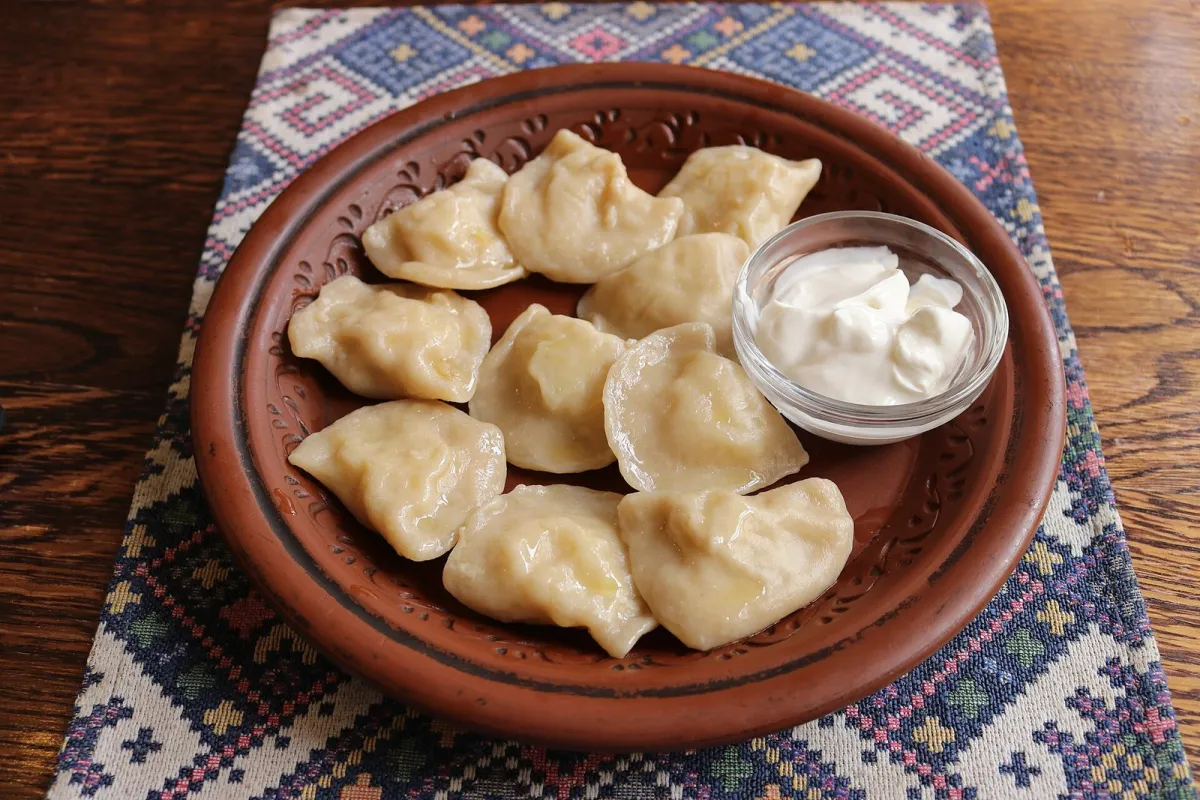

Varenyky are filled dumplings, with savoury and sweet possibilities. Potato, cabbage, cheese or fruit fillings call for different expectations, and the dough and topping deserve their own ingredient checks. Ask whether a listed price refers to a portion or another unit, and whether the accompaniment is included. The familiar shape of a dumpling does not tell you what is inside.
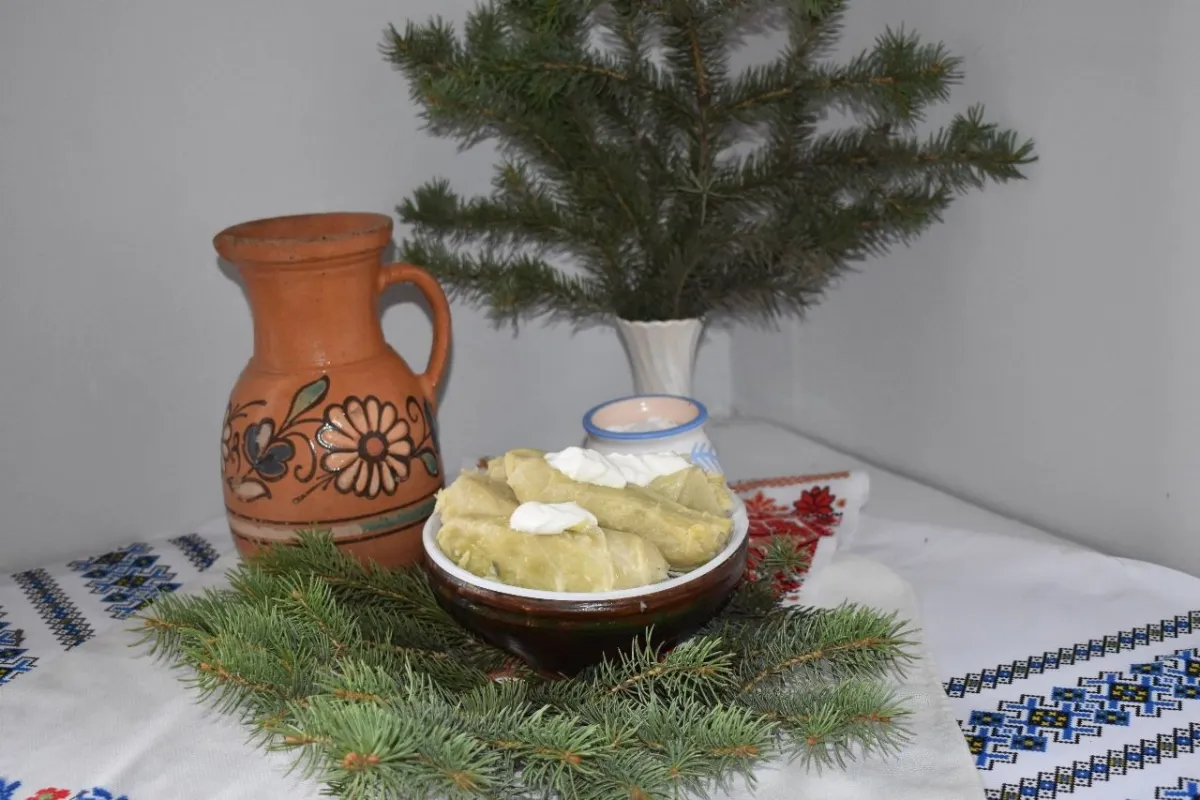
Holubtsi are cabbage rolls whose filling and preparation can vary. Rice, meat and other ingredients may appear in different combinations, so a generic description is not enough for someone avoiding a particular food. A vegetarian name or a vegetable wrapper does not establish vegan preparation. Confirm broth, fat, filling and sauce with staff if those distinctions matter to you.
For a mixed group, sharing dishes can make comparison easier, but agree on ingredients and individual needs first. Do not pressure someone with an allergy or dietary restriction to “try just a little.” If communication is uncertain, choose an arrangement that can answer the question clearly. This article supplies culinary context, not a guarantee that any named kitchen can prevent cross-contact.
Regional dishes, sweets and drinks

Banush, associated with the Carpathian region, introduces a different ingredient and serving context from a dumpling or soup. Deruny are potato pancakes, while syrnyky are curd-cheese pancakes. Similar-looking English translations can conceal important differences: a pancake made with potato is not equivalent to one based on cheese. Read the actual menu description before deciding which fits the meal you want.
For sweets, distinguish an individual dessert from a whole cake or a packaged product. If buying food to take away, ask about storage, ingredients and how long it is intended to keep. A regional label does not establish that a product was made in that region or that it will travel well. Keep receipts and packaging when the ingredient information matters.
Coffee, tea, fruit-based drinks and other non-alcoholic options allow a meal to be enjoyed without treating alcohol as an obligatory cultural experience. For alcoholic drinks, the product, strength and current rules need their own attention. Do not infer permission to drink in public from seeing a terrace in an old image. The Nightlife page keeps evening planning separate from the food discussion.
Two restaurant contacts to research
The following are source-checked examples, not a “best restaurants” ranking or a promise of service. Their own websites supply the addresses. Contact the actual branch for the intended date, meal and dietary needs; a delivery webpage alone does not verify dining-room arrangements.
On a narrow screen, swipe the table or focus it and use the left and right arrow keys to see every column.
| Restaurant | Officially listed address | Why research it | What to confirm directly |
|---|---|---|---|
| 100 Rokiv Tomu Vpered | 4 Volodymyrska Street, Kyiv | Its own description focuses on interpreting Ukrainian culinary traditions | Current menu, table arrangements, hours and dietary questions |
| Baczewski Restauracja | 8 Shevska Street, Lviv | A real Lviv restaurant with its own menu and contact channel | Correct branch, dining versus delivery, and the actual visit date |
100 Rokiv Tomu Vpered's official site describes the restaurant developed by Yevhen Klopotenko and Inna Popereshniuk. Use it to understand the culinary project rather than copying a historical recipe claim onto every dish. Its published opening hours do not cancel local restrictions or guarantee that an interruption will not affect the kitchen. Ask about the specific arrangement you need.
Baczewski's official contact page lists Lviv separately from its Warsaw contact. Make sure you are communicating with the right location. The presence of a delivery menu is useful evidence that a business publishes food information, but it is not proof of a table, a current ingredient substitution or a particular arrival arrangement. This guide has not made a reservation or tested the kitchen.
Dietary needs and ordering clearly
Write a short, precise description of any allergy or restriction, including the ingredients that must be avoided and whether shared equipment is a concern. A translated general phrase such as “no meat” may leave broth, gelatin or animal fat unresolved. Staff may need to check with the kitchen, and a confident guess is less useful than an honest statement that an answer cannot be confirmed.
For a medical condition, food planning belongs alongside your broader preparation and professional advice. Do not use a menu icon as the sole evidence that a meal will meet a clinical requirement. Where necessary, arrange suitable food independently and check how it can be stored. The Health & Safety page links to the wider preparation questions without diagnosing individual needs.
Prices, payment and practical timing
Read the unit, portion and currency beside each price. A menu photograph may be old, and an online total may exclude delivery or another stated charge. Ask how you can pay before ordering, and keep the receipt if a charge is unclear. The Money guide explains payment and conversion comparisons; this page does not publish an unsupported national meal budget.
For an evening meal during a necessary stay, plan the return before accepting a late booking. Ask about the kitchen's actual last order and how interruptions are handled. A restaurant closing time and a curfew are different pieces of information; neither should be guessed from an old listing. Avoid creating a chain of commitments that depends on one unverified late connection.
Support culture without claiming personal experience
A useful food guide identifies dishes, explains comparison questions and provides traceable contacts. Claims about a favourite pub or a romantic setting need more evidence than an old review. Readers can learn through Ukrainian recipes, food writing and local makers even when a journey is postponed. Cultural interest does not depend on turning a restaurant listing into an invitation to travel now.