
Sign in
For Photos4Travel editors and team members.
Peru · Travel Essentials
Peru Travel Essentials: Entry, Packing and Everyday Planning
The practical details of a Peru trip depend on the route. A passport check is the same task whether you are going to Lima or the Amazon, but clothing, connectivity, physical demands and the way you visit a community can change considerably. Prepare around the places where you will sleep and the activities you have booked, rather than a packing list that treats the whole country as one climate.
Start with documents and the first night's arrangements. Then check the regional forecast, your phone and charging equipment, and the dates when a holiday or festival could affect transport. Keep the finished plan short enough to use: an offline arrival note, accessible reservations and a few clear questions for each operator are more useful on the road than a folder of screenshots you cannot find.
Visa and entry: check your passport, purpose and permitted stay
For ordinary tourism, several major visitor nationalities can enter without obtaining a visa in advance. That does not mean every passport is exempt, or that everyone receives the same stay. Check the rule for the passport you will use and your actual purpose of travel. A residence permit in another country is not automatically the same as holding that country's citizenship.
As practical examples, the U.S. government's Peru guidance says ordinary U.S. passport holders do not need a tourist visa for stays of 90 days or less. UK guidance says British citizens can visit without a visa for tourism or short visits. Both require at least six months' passport validity from arrival. Official or diplomatic passports and travel for work, study or residence require separate checks.
European examples also need their own reference. The German Foreign Office describes visa-free tourism for German nationals for up to 90 days per half-year. France Diplomatie describes French tourist visits of less than three months without a visa and directs longer stays to the Peruvian consulate. Do not turn a general reference to a possible 183-day maximum into a promise for every nationality.
If your nationality requires a visa, start with the Peruvian government's tourist-visa process and the Peruvian consulate responsible for your application. Ask about the required documents and processing time before buying inflexible travel. Use the authority's own payment and appointment route, rather than assuming a commercial website is an official immigration service.
On arrival, confirm the number of days actually authorised. International-airport entries are recorded digitally, while land arrivals require particular care at the immigration checkpoint. Check the virtual Tarjeta Andina de Migración, or TAM, and resolve an incorrect or missing entry record promptly. Migraciones' tourist information explains how to check your authorised stay. A bus crossing the border does not replace your own immigration registration.
For children, dual nationals and travel with one parent or another adult, consult the Peruvian consulate and the relevant official guidance before departure. Carry evidence of the relationship and any required consent in the form requested. The rules can depend on nationality, residence and length of stay; avoid using another family's experience as proof that your documents are sufficient.
Keep documents usable, and know what needs declaring
Save passport details, insurance assistance, the first accommodation address and onward booking information offline. Leave another set with a trusted contact. Keep the original documents secure but available for the journeys and checks that require them. Check that names and document numbers on high-demand tickets match the documents you will carry, especially if a passport renewal takes place between booking and departure.
Look at the customs rules before packing specialist equipment, unusual medicines, food or purchases for other people. SUNAT's traveller baggage guidance explains the personal-item allowances. Do not assume that “for personal use” removes every restriction. Keep prescriptions or supporting documents with medicines, and ask the competent authority if an item is controlled.
If carrying more than US$10,000, or its equivalent, in cash and covered negotiable financial instruments, declaration is required. Carrying more than US$30,000 in those forms into or out of Peru is prohibited; SUNAT directs larger transfers through authorised financial businesses. Read the official declaration guidance for the full conditions. These limits concern combined covered funds, not a suggested amount to carry on holiday.
Pack for the transitions in your route
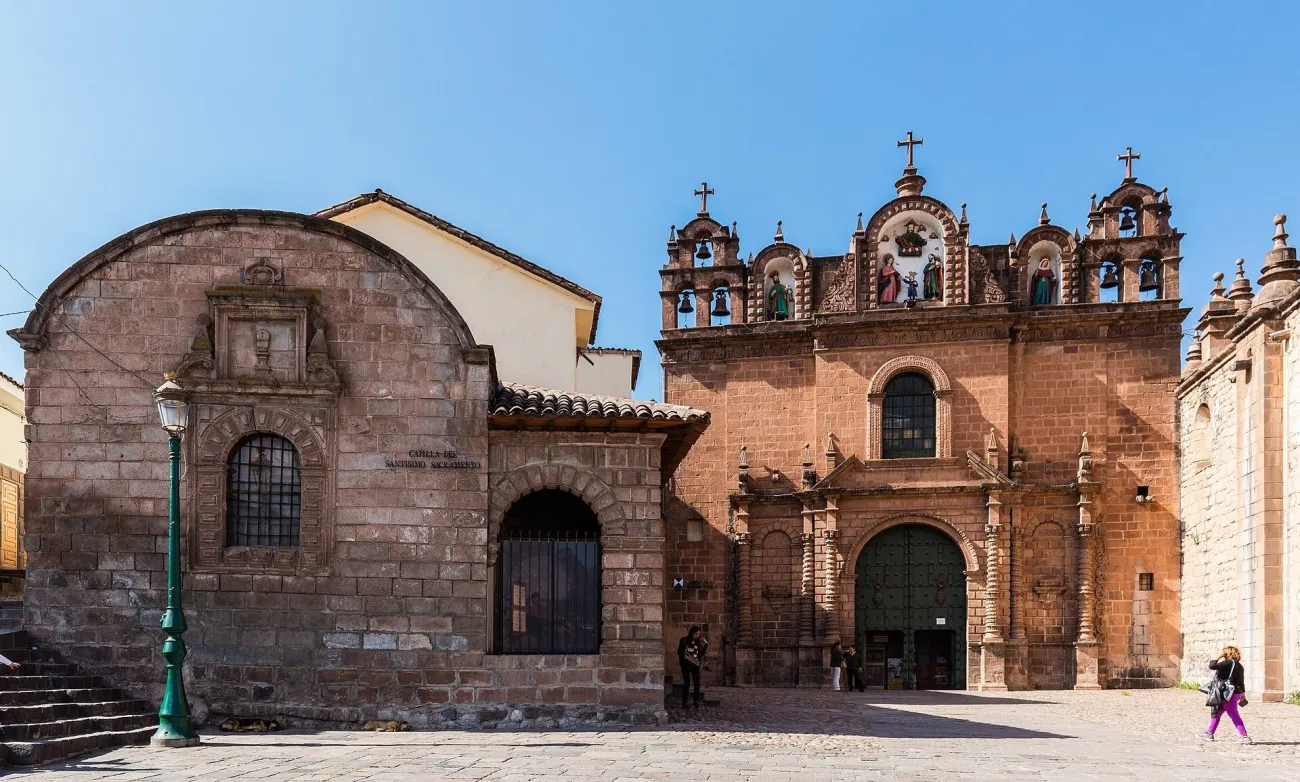

A Lima-and-Cusco trip needs clothing that can handle both coastal conditions and cold mountain evenings. Add a waterproof layer if your programme includes exposed walks or the rainy season, even when a daytime forecast looks pleasant. Choose shoes you have already worn for the actual terrain: a city walking shoe and a demanding trekking boot solve different problems.
For the Amazon, ask the lodge about boots, laundry, luggage limits and how bags travel on the boat. Lightweight covered clothing, bite protection and a way to keep documents dry deserve space. For a northern beach extension, keep strong sun, sea conditions and the journey from the airport in mind. Use the regional weather guide to refine the list rather than packing a full wardrobe for every possible activity.
Sort luggage before the train or remote-lodge stage. Find out which bag can travel, which items must be stored and who accepts responsibility for storage. Keep a change of clothes, essential medicines and the next day's documents with you. If a checked bag is delayed, you should still be able to make the first night and your essential onward connection.
Phones, charging and an offline backup
Compare your home provider's roaming, a travel eSIM and a Peruvian mobile service by the places you will visit and the calls you need to receive. Check whether your phone is unlocked and supports the proposed product. A data-only plan may leave you without ordinary voice calls or a local number; decide whether that matters for the way your transfers and bookings are arranged.
Peru's telecoms regulator, OSIPTEL, says visitors using international roaming with their foreign provider's SIM do not need handset registration. Visitors who buy a Peruvian operator's SIM must register their foreign-bought handset with that operator. Use a proper service point, bring the document the operator requires and ask staff to complete the necessary checks before leaving. Read OSIPTEL's explanation for imported phones and tourists; do not ignore a registration message.
Download maps, tickets and translation tools while connected. Test that they actually open without data. Save the property's address in text as well as on a map, and agree where the driver will wait if the phone cannot connect. Remote accommodation should be chosen on the assumption that a connection may be limited, rather than on a promise that every room will support a video meeting.
Peru uses 220-volt electricity. Read the input label on each charger before plugging it in, particularly for equipment bought in North America. A plug adapter changes the physical connection; it does not convert voltage. Ask the property which socket types and charging arrangements are available, especially in remote lodges. The official tourism travel tips provide the voltage reference. Do not assume that an upmarket hotel supplies a suitable low-voltage socket for every appliance.
Language, local time and everyday arrangements


On smaller screens, swipe or scroll horizontally to read the full table.
| Before leaving | Check | Keep available |
|---|---|---|
| International arrival | Passport validity, entry rule and first transfer | Accommodation address and onward plans |
| Train or domestic flight | Document match, station or airport and luggage allowance | Booking and required original document |
| Forest lodge | Last collection time, boat stages and storage arrangement | Medicines, protected documents and an overnight bag |
| Mountain outing | Fitness for that day's route, forecast and return plan | Layers, water and operator contact |
| Community visit | Host, inclusions, payment and photography permission | Agreed meeting point and appropriate cash |
Spanish is the most useful language for routine travel, while Quechua, Aymara and other Indigenous languages are part of the country's living culture. Use a greeting before asking a question, speak clearly and avoid assuming that everyone working outside a visitor business speaks English. A saved translation of a dietary restriction, address or pickup request can resolve a conversation more reliably than a long improvised explanation.
Peru stays on UTC−5 without seasonal clock changes. Your home country's clock change can therefore alter the time difference during the year. Use the local time shown on the reservation for flights, trains and appointments, and check the date as well as the hour after an overnight journey. U.S. official country information confirms Peru's single time zone and lack of daylight saving time.
Keep some small-denomination soles available, while protecting a backup payment method. Before ordering or accepting a service, clarify the total, currency and whether the amount applies per person or to the whole group. A private transfer quotation and a per-seat fare are different products. The money and cost guide explains payment and budget planning in more detail.
Visitors with mobility, hearing or other access requirements should ask specific questions. “Accessible room” may tell you little about the entrance, bathroom, route to breakfast or vehicle used for the transfer. Request measurements or photographs where useful, and make sure the provider understands the assistance required. Keep these arrangements alongside the booking rather than relying on a general request box.
For journeys around Inti Raymi, Candelaria or Fiestas Patrias, use the festivals and events planning section before fixing transport. The detailed annual programme and access arrangements matter as much as the headline date.
Responsible travel: pay attention to who and what you visit


Choose community visits with clear arrangements: who hosts, what is included, how payment reaches the hosts and what permission is expected for photographs. Ask before photographing an individual, especially a child, and accept a refusal. A market, ceremony or family home is not a stage set. Pay an agreed price for a demonstration or portrait instead of promising payment after taking the image.
In archaeological sites, remain on permitted paths and leave stones and fragments where they are. Buy clearly contemporary crafts from identifiable makers or sellers, and keep a receipt. Avoid objects presented as excavated, ancient or of uncertain origin. Peru's Public Prosecutor's explanation of cultural heritage offences covers unauthorised disturbance, trade and removal of protected cultural property.
In protected areas, follow the ranger's directions, avoid disturbing animals and carry waste out when disposal is not provided. Bring a refillable bottle and use the water arrangement recommended by your accommodation or guide. SERNANP's Paracas visitor guidance gives practical examples of marked-route, wildlife and waste rules. Other parks have their own restrictions; check the place you are actually entering.
Ask trekking companies about group size, porter loads, staff equipment and waste handling. Pay for competent guiding and adequate support rather than comparing only the cheapest package. For animal experiences, choose observation over touching, feeding or posing with captive wildlife. A shorter, well-organised visit that respects the place is a better purchase than access obtained by ignoring its rules.
Travel Tip: Before leaving home, save one arrival note containing the accommodation address, check-in arrangement, transfer contact and documents required for the next journey. Test that it opens with your phone in flight mode.
Peru travel essentials questions
Does visa-free entry mean I can automatically stay 183 days?
No. Nationality-specific rules and the permission granted by Migraciones matter. Check your authorised stay after arrival rather than treating a general maximum as an individual entitlement.
How much passport validity should I have?
Ordinary visitors using passports should plan for at least six months' validity from arrival and confirm the rule for their nationality and document. The U.S., UK, French and German official references linked above explain their respective requirements.
Do I need to register my phone?
OSIPTEL says foreign-provider international roaming does not require handset registration. If you buy a Peruvian operator's SIM, ask the operator to register your foreign-bought handset and complete the required checks.
Is a plug adapter enough for my appliance?
Only if the appliance also accepts the local voltage. Peru uses 220 volts; read the equipment label. An adapter does not convert voltage.
What should I check before a community visit?
Confirm who hosts, what is included, how hosts receive payment and what photography permission is expected. Ask before taking an individual portrait and accept a refusal.
Last updated: