
Sign in
For Photos4Travel editors and team members.
Peru · Things to Do
Things to Do in Peru: Eight Experiences Worth Planning Around
The most satisfying Peru trip usually has a few experiences you can give proper time to: an archaeological visit with context, a valley day that is not spent entirely on a coach, a meal in a place you have chosen deliberately, and a landscape you can explore without rushing straight to the next transfer. Machu Picchu is the obvious anchor, but it should not make the rest of the country a series of waiting rooms.
Use these eight choices to decide what belongs in your own journey. They are alternatives across a large country, not a claim that every stop fits one short holiday. The separate Machu Picchu guide handles its tickets and transport; the walking and national parks guide compares the demanding routes. Here the emphasis is what to choose, how to approach it and when it earns its place in the trip.
Choose experiences that suit the route
On small screens, swipe horizontally to read the whole table.
| Experience | Useful base | Time to allow | Choose it for |
|---|---|---|---|
| Huaca Pucllana or Museo Larco | Lima | A museum or archaeological visit plus city travel | Understanding Peru before the Inca sites |
| Ollantaytambo or Pisac | Sacred Valley or Cusco | Half a day locally; longer with cross-valley transport | Terraces, stonework and a town with its own life |
| Santa Catalina | Arequipa | About 1.5–2 hours independently, plus city time | Interior streets, courtyards and convent history |
| Taquile island | Puno | A full lake day with the return boat confirmed | Living textile traditions and an inhabited land island |
| Ballestas boat excursion | Paracas | Approximately 2 hours for the named boat product; transfers additional | Sea lions, seabirds and a coastal wildlife perspective |
| Huacachina landscape | Ica or Huacachina | An afternoon with a safe return plan | Oasis and dunes without an obligatory motorized tour |
| Guided Amazon nature stay | Puerto Maldonado gateway | Preferably 3 lodge nights | Forest observation with room for weather changes |
| Chan Chan and Huaca de la Luna | Trujillo | Separate half-days or an unhurried full day | A northern archaeology trip beyond the Inca story |
Lima history: Huaca Pucllana or Museo Larco?
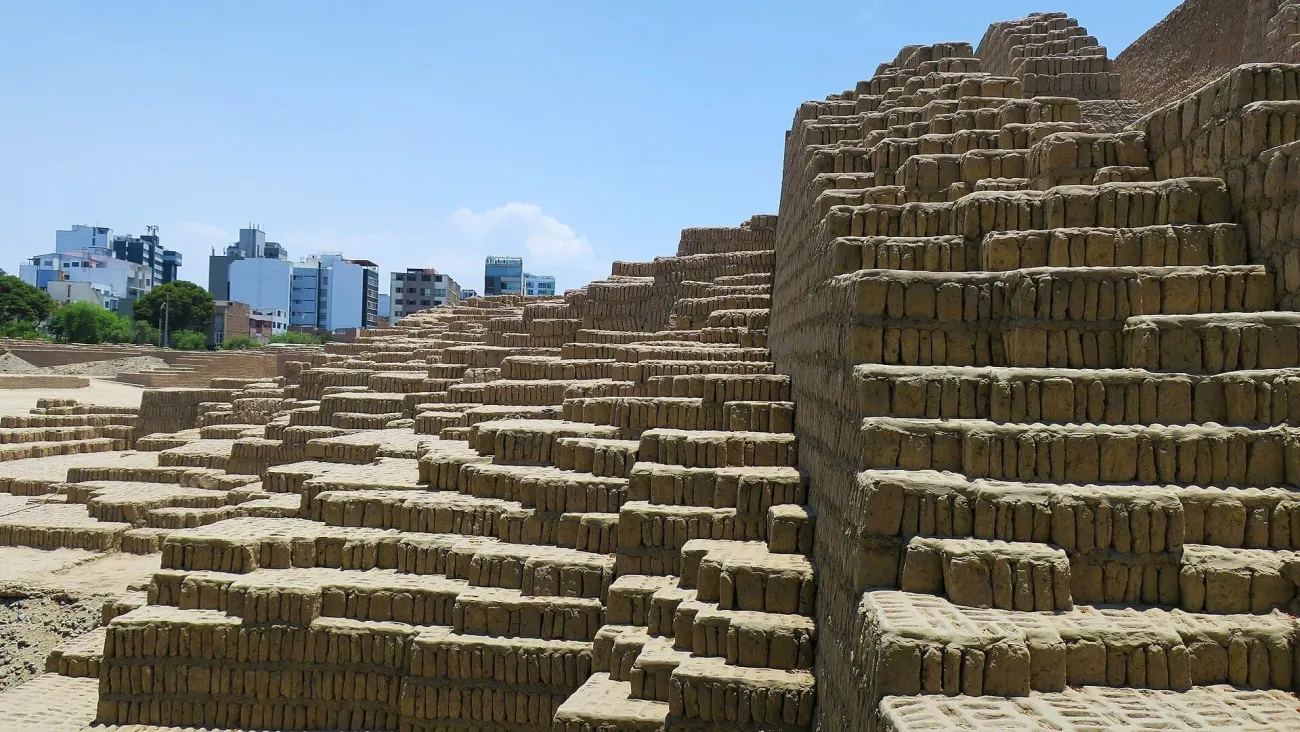

Choose Huaca Pucllana for an archaeological site within Miraflores. The approach is straightforward from a Miraflores hotel: use the entrance on Calle General Borgoño, block 8, rather than heading to an unrelated restaurant entrance. The visit makes more sense with a guide explaining the adobe construction and the people who used the complex. It is a walking visit with exposed outdoor sections, so carry sun protection and check mobility arrangements beforehand.
The official museum listing distinguishes daytime visits from a separate evening schedule. Check the current guided-tour procedure and availability before going; an illuminated evening visit is not automatically identical to the daytime circuit. Do not assume that a meal at the neighboring restaurant includes admission.
Choose Museo Larco for a broader introduction
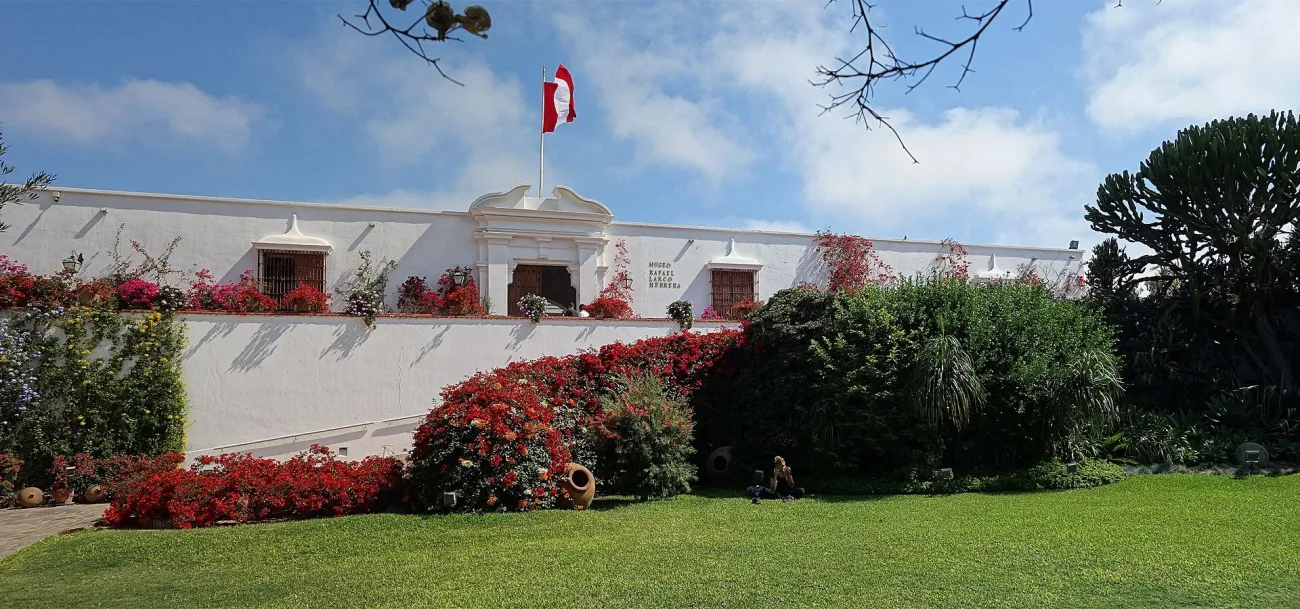

Museo Larco is in Pueblo Libre, at Avenida Simón Bolívar 1515, with access from Calle Navarra. It introduces a wider range of pre-Columbian cultures through objects, making it a useful first stop before the trip narrows toward Cusco and the Incas. Allow a couple of hours as a planning choice, and add the journey from your hotel rather than treating it as a short walk from the Miraflores coast.
The museum’s visitor page offers tickets online, explains guided visits and lists holiday exceptions. A café reservation is a separate arrangement. With limited Lima time, choose the museum that best matches your interest and explore that neighborhood around it; trying to squeeze both between airport transfers reduces the value of each.
Give Ollantaytambo or Pisac a proper valley day
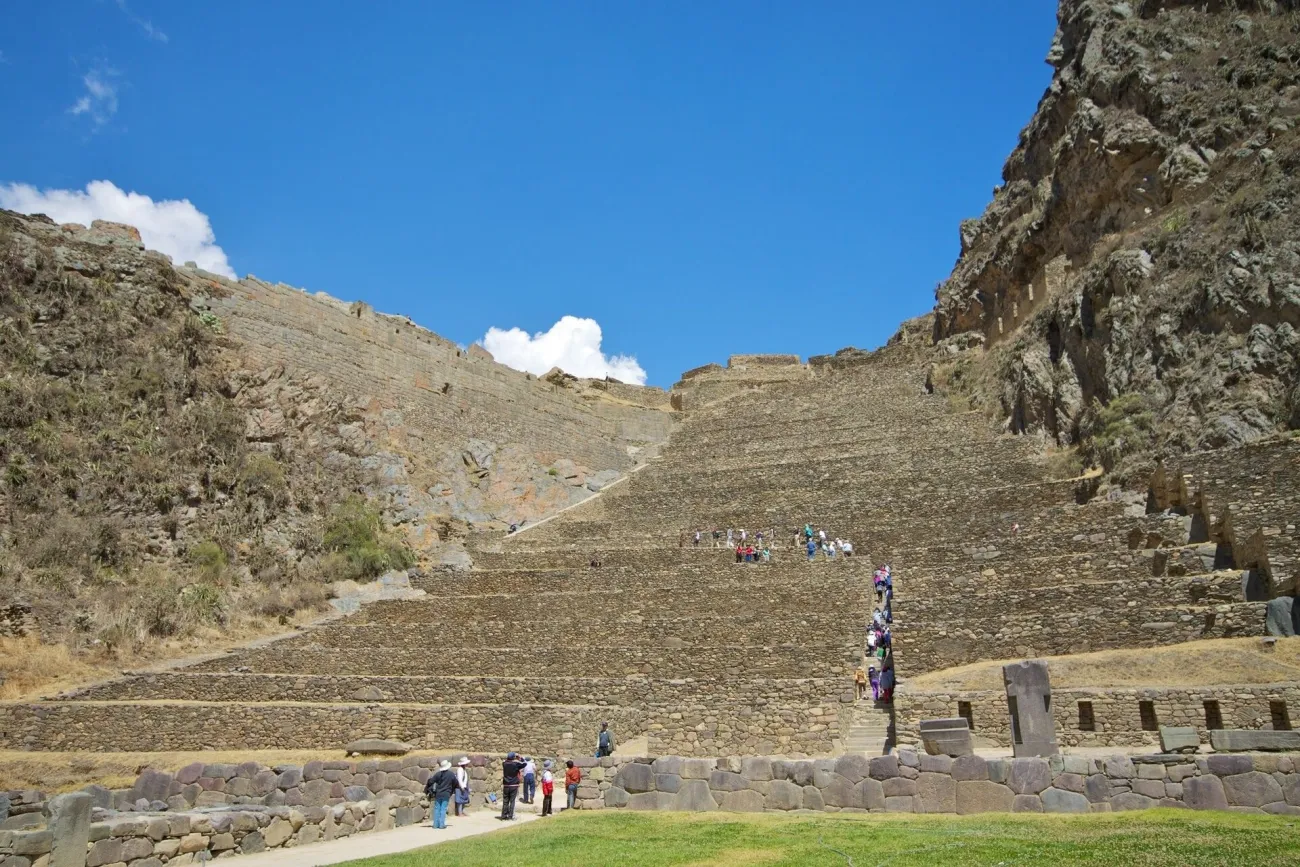

Ollantaytambo is a strong choice if you are sleeping in the valley before the Machu Picchu train. Visit the archaeological site when you feel ready for its stairs, then leave time for the town’s lanes and a meal. Keeping the day local avoids turning acclimatization into an ambitious series of high stops. If the site’s climb feels too much, time in the town is still a worthwhile day.
Pisac suits travelers interested in a different terrace setting and the town below. Tell the driver whether you want vehicle access toward the archaeological entrance or intend to do a longer walking route; those are different days. Agree the return pickup and do not assume a short visit to the market also covers the ruins.
COSITUC’s Circuit III groups Pisac, Ollantaytambo, Chinchero and Moray. Check which ticket and validity period match your chosen dates. The geographical grouping is not a requirement to visit all four in one day, and the Cusco tourist ticket does not replace a Machu Picchu ticket. A private driver can help you choose fewer stops; it need not be an excuse to add every viewpoint.
Walk the interior streets of Santa Catalina in Arequipa


At Santa Catalina 301, the monastery’s lanes, cells and courtyards create a different experience from another quick church stop. Look at how the living spaces worked, then pause in the cloisters rather than using the whole visit to reproduce one brightly colored photograph. The combination of rooms and outdoor spaces makes the pace easy to vary.
The monastery’s own route guide suggests about an hour with a guide or 1.5–2 hours independently. Book through its linked ticket service and check the current hours for daytime or evening visits. If you want a guide, establish the language, meeting place and additional cost rather than assuming ordinary admission includes one.
Pair the visit with Arequipa’s historic center and a regional lunch, leaving room to rest on your first day at elevation. It is an especially useful choice when you want culture without committing to a canyon descent. The monastery and Colca serve different purposes; neither needs to be rushed merely because both appear in an Arequipa list.
Lake Titicaca: choose Taquile for textiles and an island walk


Taquile is an inhabited natural island, distinct from the floating reed islands of the Uros. Choose it because you want time ashore, walking and learning about textile work. PromPerú describes roughly three hours by regular boat from Puno; the actual trip depends on the vessel and stops. This is a full-day decision, not a small addition to a city morning.
Before booking, ask which landing the boat uses, how steep the walk is, how long you remain ashore and what happens if weather affects the return. The lake is already at high elevation; do not plan a strenuous island walk as a way to recover from altitude symptoms. Confirm a suitable lifejacket and allow for sun, wind and a cooler return ride.
The island’s textile tradition recognized by UNESCO is a living practice, not a performance owed to visitors. Ask before photographing people or entering a workspace, listen to the explanation and buy work you understand from a clearly identified maker or community outlet. If lunch is included, establish who hosts it and whether dietary needs can be met. Overnight stays need a confirmed host and return boat rather than a vague promise made at the port.
Ballestas from Paracas: the right boat trip for the right traveler
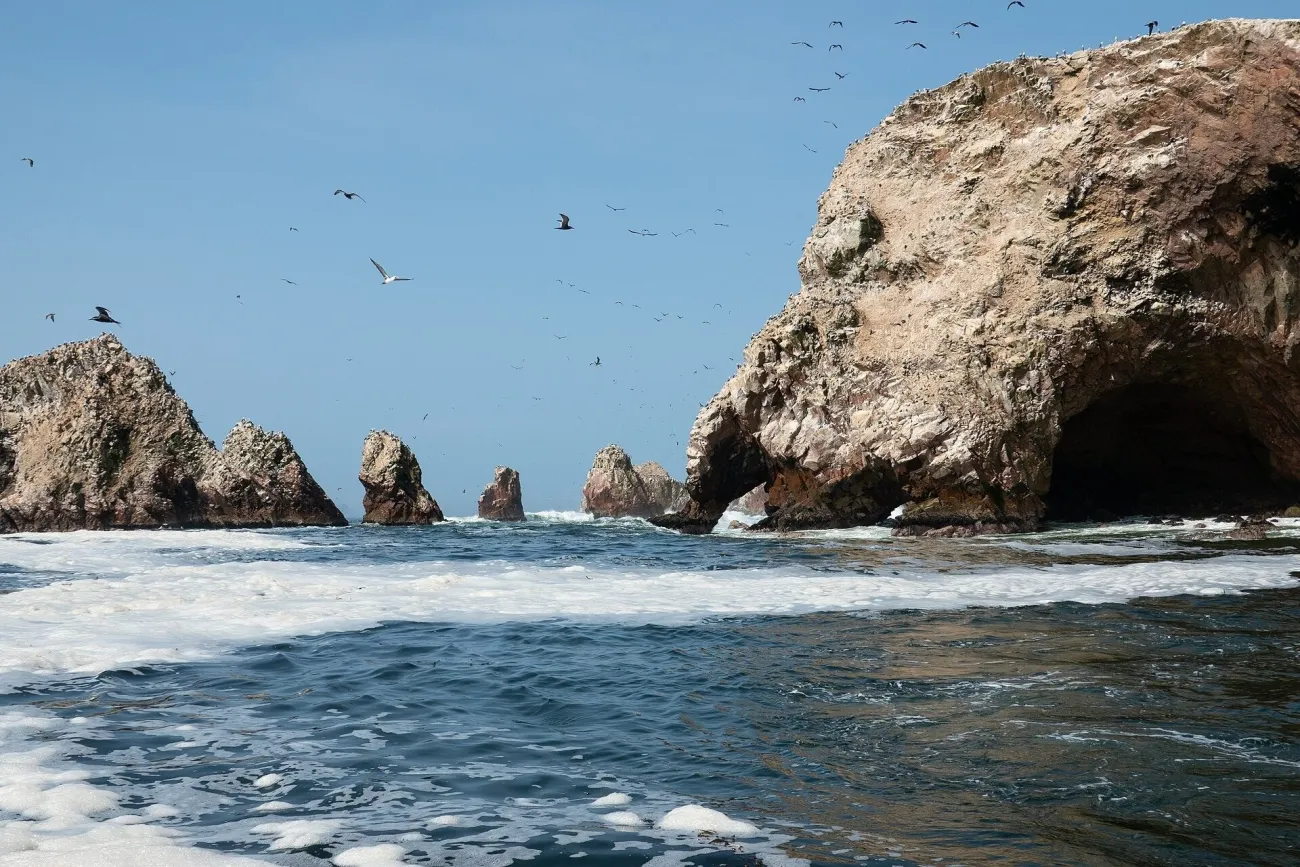

The Ballestas excursion is a boat-based wildlife visit. It offers a view of rock formations and animals from the water; it is not a landing-and-walking tour of the islands. It fits naturally into a Paracas stay, where a second night gives more flexibility if sea conditions disrupt the first planned departure.
The Paracas: Ballestas Islands Guided Boat Tour, product 479944 from Trekker Peru, lists approximately two hours with English/Spanish guiding. Confirm the selected pickup option or use the meeting instructions on your voucher; the listed meeting office is Ballestas Paradise. Arrive with time for check-in rather than interpreting the departure hour as the time to leave your hotel.
Check the current age and suitability restrictions: this product lists infants under one, pregnancy and travelers affected by seasickness among those for whom it is unsuitable. Read the weather-cancellation terms and ask whether any port or conservation charge remains payable; the product title alone does not establish inclusion. Keep camera gear protected from spray, sit where the crew directs and leave animals space.
View this Ballestas Islands boat tour
If a boat outing does not suit you, choose a land-based Paracas Reserve visit and plan for its wind, sun and distances. A beach photograph does not establish safe swimming conditions, and a canceled wildlife boat should not be replaced impulsively by an activity you have not checked.
Huacachina: enjoy the landscape without making a buggy ride compulsory
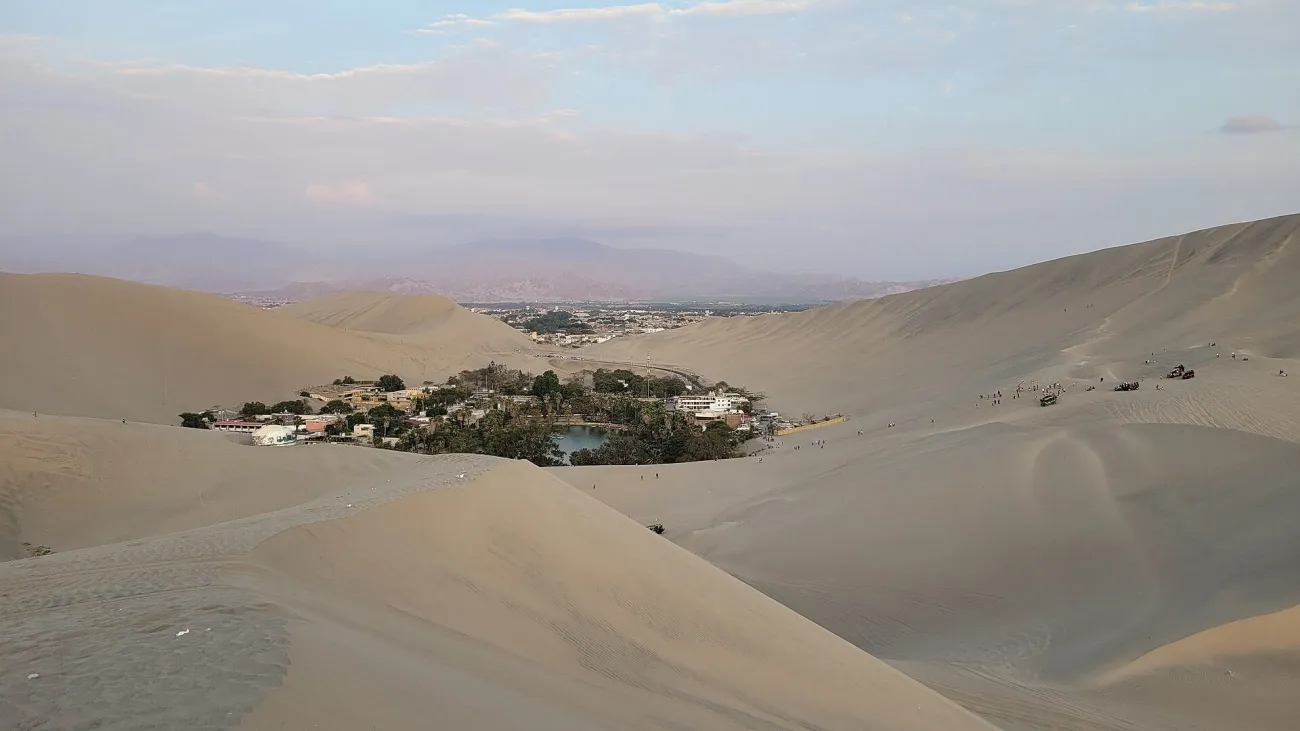

Huacachina works as an Ica-area landscape stop: a lagoon, palms and surrounding dunes in a compact setting. A walk around the developed oasis and time watching the light can be enough. PromPerú’s activity guide describes several ways to visit; an adrenaline activity is one option rather than the price of admission to the landscape.
If you want to walk onto dunes, first establish the currently permitted pedestrian approach and how it avoids active vehicle routes. Carry water, protect yourself from sun and sand, and plan the return before dark. Loose sand makes a climb slower than its map distance suggests. Do not follow another visitor across an unsigned ridge simply because the view looks good.
For a motorized or sandboarding activity, verify the operator’s authorization, restraints and safety briefing, suitable equipment, medical restrictions and your insurance cover. Decline the activity if those answers are unclear. Peru’s tourism ministry has specifically addressed safety and formalization of Huacachina’s tubular-vehicle services; a colorful buggy is not evidence of a safe operation.
Choose an Amazon lodge for its actual forest program


Puerto Maldonado is the gateway, not the whole Amazon experience. A lodge close to town, a Sandoval outing and a property farther up the Tambopata river involve different transfers and activities. Ask for the exact sector, boat time, room conditions and the number of complete wildlife sessions your arrival and departure flights allow.
Three lodge nights are a useful planning choice: two full days give the guide room to rearrange a walk or boat outing around rain. Look for a program that explains the forest and allows quiet observation, rather than promising a guaranteed list of animals. Ask whether reserve entry, airport pickup, boats, meals, boots and bilingual guiding are included.
SERNANP’s Tambopata page identifies visitor sectors and authorized operators. Prefer observation in the wild to handling animals for photographs, keep food and waste controlled, and ask the guide before using flash. Discuss the exact Amazon destination with a travel-health clinician beforehand; advice for a Lima–Cusco trip does not automatically cover a forest extension.
Northern alternative: Chan Chan and Huaca de la Luna from Trujillo
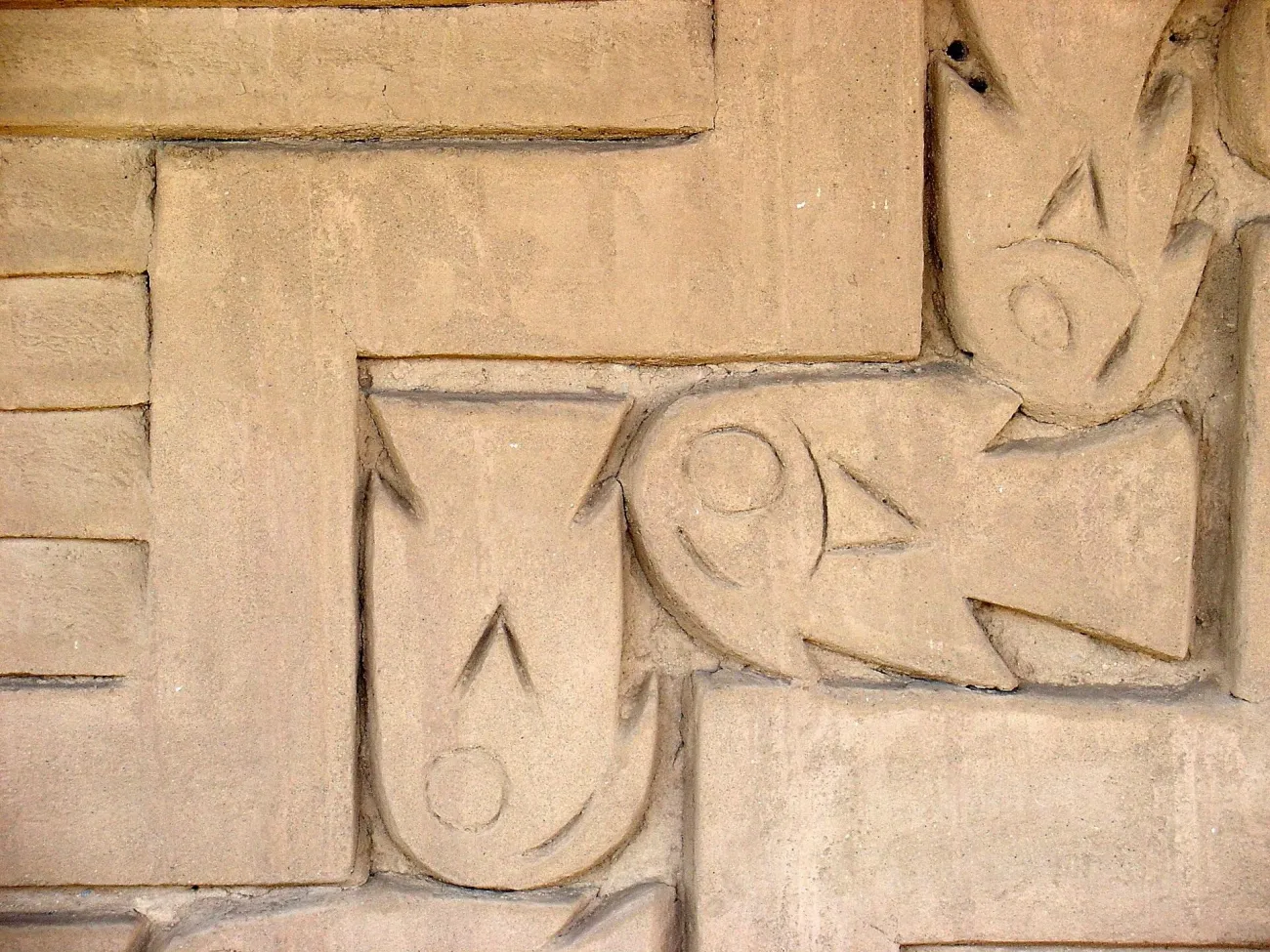

Trujillo is a good alternative when you want archaeology beyond the southern Inca route. Chan Chan introduces Chimú adobe architecture, while Huaca de la Luna and its museum explain a different Moche context. They should not be treated as interchangeable pyramids or as a quick detour between Cusco and Lima. Give the north its own stay and transport plan.
For Chan Chan, confirm which archaeological circuit and museum are open, then arrange the journey on the Huanchaco side of Trujillo. The Ministry of Culture’s museum listing identifies the site museum on Avenida Chan Chan, on the road toward Huanchaco. Do not assume a museum’s opening hours describe every surrounding archaeological sector.
Huaca de la Luna is approached through the Museo Santiago Uceda Castillo in Campiña de Moche. The official visitor page sells tickets there and lists Tuesday–Sunday opening with the last archaeological group at 15:30. Carry cash as instructed and verify the current guided-group arrangement. A half-day for each site allows questions and museum time; if combining them, avoid an itinerary that reaches the second gate at closing.
Shopping with context: textiles and a measured pisco tasting


If your Sacred Valley plan includes Pisac, allow time to browse the craft shops pictured above. For a dedicated weaving demonstration, use the separately listed Cusco textile centre and verify its current schedule.
For a concrete textile stop, visit the Centro de Textiles Tradicionales del Cusco at Avenida El Sol 603-A, beside the Qorikancha area. The center’s own information lists the shop, weaving demonstrations and its free-entry Weaving Lives museum. Plan it with a central-Cusco day; the published schedule closes on Sunday. Ask about the community, fiber, technique and care of a piece rather than judging an “alpaca” claim by softness alone.
For a pisco introduction, Museo del Pisco’s Cusco location is Santa Catalina Ancha 398. It is a commercial bar and tasting venue, despite the museum name. Confirm the tasting format, price and reservation directly, and choose it after you have settled into the altitude rather than on a strenuous arrival day. A nonalcoholic evening is an equally good choice; a tasting should support the trip, not interfere with the next morning’s transport.
Festivals and events: choose the dates before the hotel
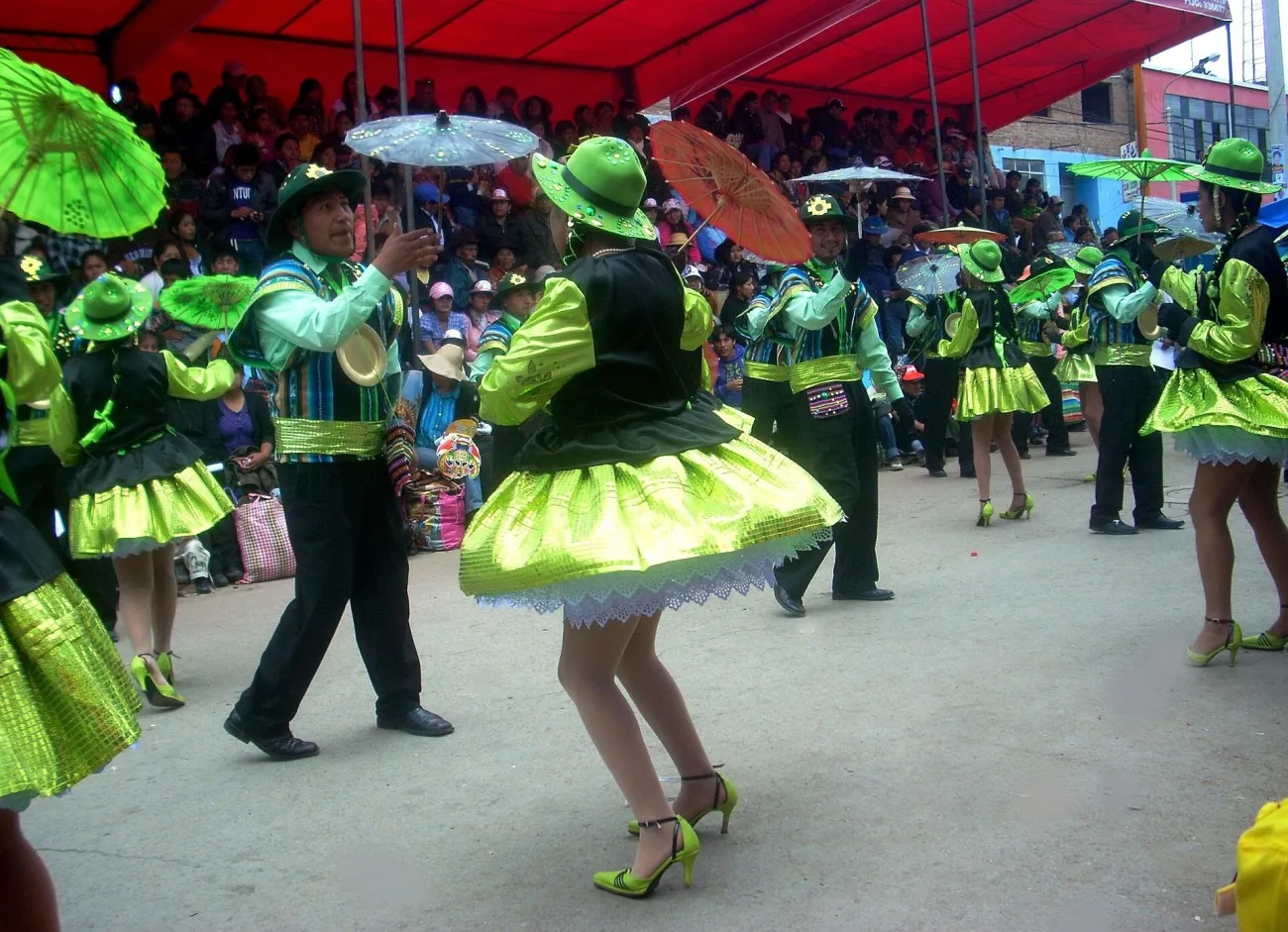

For Inti Raymi, the central date in Cusco is 24 June. Decide whether you want the formal ceremony, the surrounding city atmosphere or both. They involve different positions, tickets and time commitments. Check the current official programme before booking seats or a pickup, and leave acclimatization time before the event. PROMPERÚ's Inti Raymi guide explains the celebration; its date does not guarantee access to every performance area.
In Puno, the Virgen de la Candelaria celebration takes place in February and includes religious observance, music and dance. It is a living community event, not simply a show arranged for visitors. UNESCO's account explains its cultural setting. Obtain that year's parade and competition programme before committing to a particular arrival day, and allow for crowds, rain and high elevation.
Fiestas Patrias on 28 and 29 July can affect demand, office opening and transport arrangements. The government holiday calendar provides the dates; individual services publish their own holiday arrangements. If a journey depends on an office, museum or particular bus, verify its operating position rather than assuming that every attraction closes or every service runs normally.
For any major event, choose accommodation with a practical walking or pickup plan. Ask how road closures affect access and how late you can check in. Carry the essentials you need for the event, but keep valuables modest and leave room in the programme to stop, eat and rest. Watching from an unsuitable crowded edge is not a worthwhile substitute for a confirmed viewing arrangement.
Questions about choosing things to do in Peru
Should I try to visit all these places on one trip?
No. These are choices across different regions. A short first trip can concentrate on Lima, the Sacred Valley, Machu Picchu and Cusco. Add or substitute a region according to your interests and available travel days.
Is Taquile one of the floating islands?
No. Taquile is a natural inhabited island with its own paths and textile tradition. The Uros floating reed islands are a different visit. Check which islands your boat actually includes and how much time remains ashore.
Can I land and walk on the Ballestas Islands?
The described Ballestas product is a boat-based excursion, not a walking landing. Check suitability, weather arrangements and fees before booking, and follow the crew’s wildlife-viewing instructions.
Do I have to take a buggy tour in Huacachina?
No. The oasis and dunes can be the reason for visiting. Confirm safe, permitted pedestrian access before leaving the developed area; treat any motorized or sandboarding activity as a separate choice requiring proper operator and safety checks.
Is the Sacred Valley tourist ticket the same as Machu Picchu admission?
No. COSITUC’s Sacred Valley circuit and Machu Picchu use separate ticket arrangements. Check your chosen valley sites and validity dates, then arrange the specific Machu Picchu route and entry time separately.
Some links on this page are affiliate links to GetYourGuide. Photos4Travel may earn a commission if you book through them.
Last updated: