
Sign in
For Photos4Travel editors and team members.
Peru · Beaches
Peru Beaches: Choose Your Coast, Base and Kind of Break
A beach stay in Peru can mean a northern surf town, a quiet bungalow outside Máncora, a seaside afternoon near Lima or a desert-reserve landscape at Paracas. These choices give very different holidays. Decide first whether you want to swim, learn to surf, watch wildlife or simply slow down beside the sea. Then choose the coast and accommodation around that purpose.
The northern beaches are a deliberate extension to a Cusco-and-Machu Picchu journey, with their own travel days. They are not a quick detour from the Sacred Valley. Paracas fits a southern coastal route more naturally, although it should be chosen for its landscapes and reserve as much as for time in the water. The Peru map and regions guide shows how these areas relate.
Choose a beach base by the holiday you want
On smaller screens, swipe or scroll horizontally to read the full table.
| Base | Best fit | Check before booking | Useful stay |
|---|---|---|---|
| Máncora | Restaurants, a lively town and surf arrangements | Noise, property position and lesson location | Three or more nights |
| Vichayito | A quieter stay close to the beach | Meals, access road and transport after dark | Three or four nights |
| Los Órganos | A small coastal base and seasonal marine excursions | Boat operator, departure point and current conditions | Three or more nights |
| Punta Sal | Couples or families choosing a beach property | Exact beach stretch, pool and inclusions | Three or four nights |
| Zorritos | A longer, unhurried northern coast stay | Property location and ground transfer | Three or more nights |
| Huanchaco | Surf culture combined with the Trujillo area | Instruction level, wetsuit and onward sightseeing | Two or three nights |
| Lima coast | A coastal walk or organised surf lesson within a city stay | Water quality, shore access and daily swell | An afternoon or activity block |
| Paracas | Reserve viewpoints, birds and coastal desert | Which beaches are open and where swimming is permitted | Two or three nights |
Máncora and Vichayito: choose town life or a quieter frontage
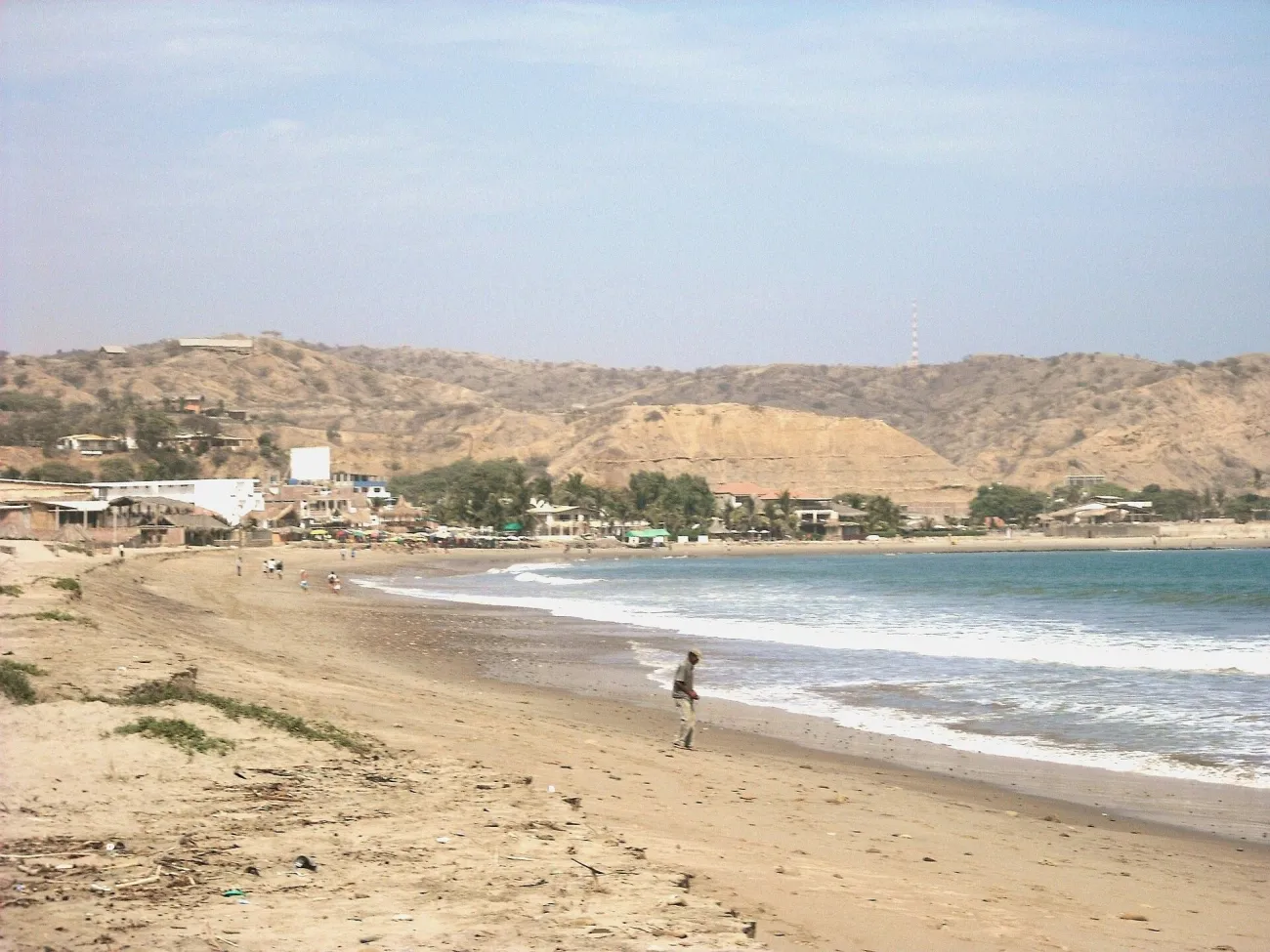

Máncora suits travellers who want choices close at hand: somewhere to arrange a lesson, compare menus and decide the evening as they go. Vichayito is a better starting point when the accommodation itself is the main part of the holiday. PROMPERÚ's northern beach overview distinguishes Máncora's livelier atmosphere from the quieter stays around Vichayito.
Look at the actual property pin before choosing between them. A listing that uses Máncora as its destination name may be outside the central town. Ask whether you can walk to dinner on a safe, practical route, whether the approach road suits your transfer vehicle and whether meals are available when you return late. A remote room rate can become less attractive once every meal requires a ride.
For a surf lesson, tell the school your experience, swimming confidence and any children in the group. Ask where the lesson will take place that day, how many people share an instructor and what happens if conditions are unsuitable. A famous surf destination is not a promise that every section of its beach is appropriate for a beginner. Keep a second activity available so that the lesson can move rather than forcing it into poor conditions.
A three-night stay gives you room to arrive, settle in and have two largely usable days. One night can leave you spending more time on the airport road than on the sand. Choose a longer stay if the purpose is rest after a busy inland route; there is little value in turning a beach break into another sequence of hotel changes.
Punta Sal and Zorritos: book the property as carefully as the destination
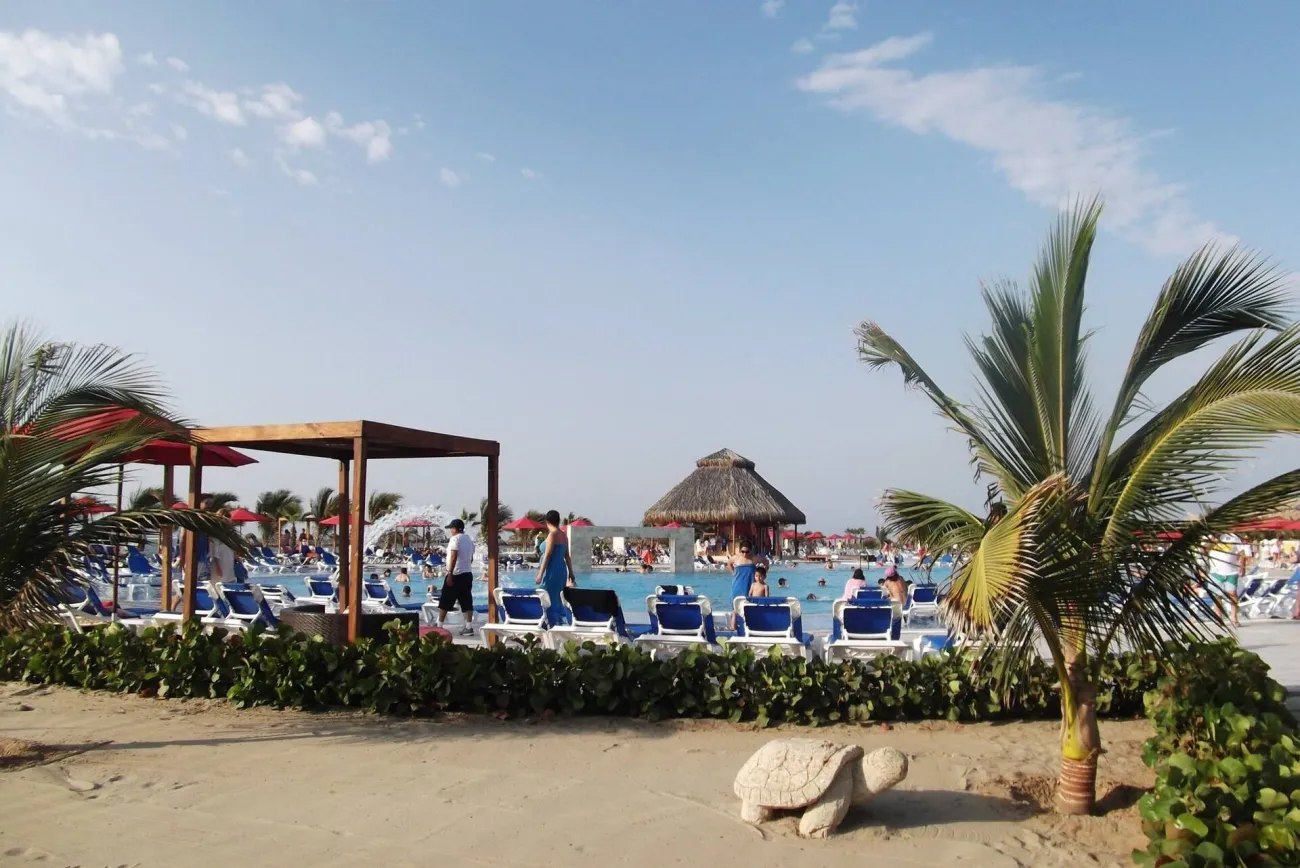

Punta Sal and Zorritos are useful names to investigate when you want a quieter northern coast base. The official northern coast introduction places both in the beach route through Tumbes. Within either area, compare the accommodation's immediate surroundings rather than assuming every property offers the same experience.
For a family, ask about the pool, shade, room arrangement and the distance from the room to the shore. Check whether the beach access involves steps and whether a child can leave the property unsupervised through an open frontage. For a couple, ask about restaurant hours, nearby building work and whether a wedding or group event will occupy the public spaces. These details often matter more than a room category called “premium”.
A beachfront booking is not a swimming guarantee. Swell, currents, water quality and local restrictions can change. A usable pool and a comfortable shaded area are valuable alternatives if entering the sea is not advisable. Confirm cancellation terms and transfer costs in writing, especially when combining the coast with separate domestic flights.
Do not add Zorritos, Punta Sal and Máncora as three compulsory stops just because they share a regional label. For a short break, choose one base and enjoy it. A day out can be arranged after arrival if conditions and transport make it worthwhile. Moving accommodation every night sacrifices the flexibility that makes a coast stay enjoyable.
Los Órganos and seasonal whale watching
Los Órganos can suit a stay built around the coast and a marine excursion. Humpback whale watching is seasonal, not an everyday feature of any northern beach visit. MINCETUR opened the 2026 season in Los Órganos in July; SERNANP describes the usual northern observation period as July to October. Wildlife sightings and departures remain subject to nature and sea conditions.
Before paying, ask for the departure point, expected time afloat, lifejackets in suitable sizes, passenger limit and cancellation policy. Tell the operator about children, mobility needs and concerns about seasickness. Find out whether the trip is focused on observation or mixes several activities that do not interest you. A low headline price is not useful if the boat or programme does not suit the group.
Choose an operator that explains how it avoids disturbing animals. Do not support chasing, touching, feeding or crowding wildlife to obtain a photograph. MINCETUR's marine wildlife good-practice guidance sets out the conservation purpose of responsible observation. A memorable encounter does not require a promise of close contact.
Huanchaco: a surf base with a cultural setting
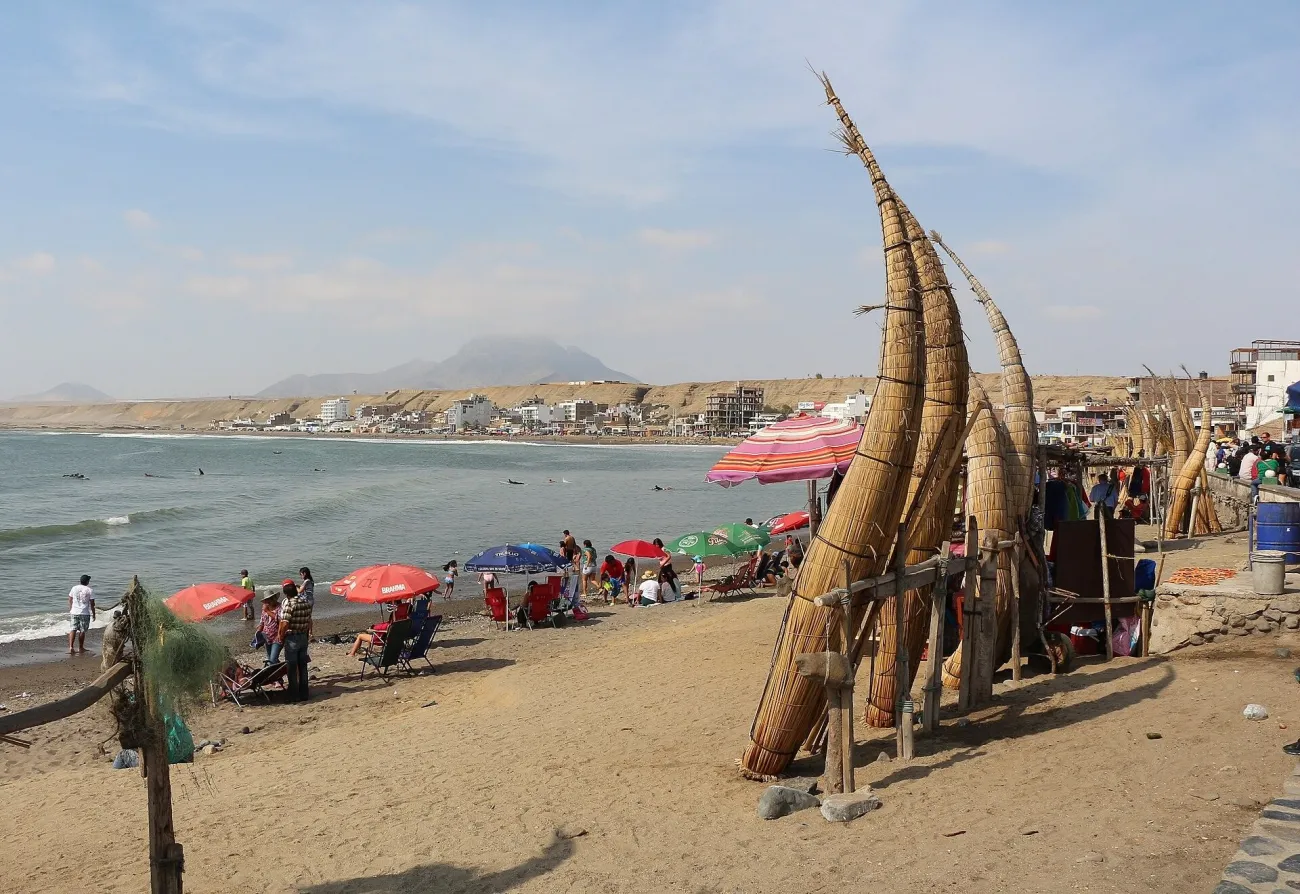

Huanchaco offers a different coast stay from a northern resort. It works well when the sea forms part of a wider visit to the Trujillo area. The town is associated with surfing and the traditional reed fishing craft known as caballitos de totora; PROMPERÚ's Huanchaco guide introduces both.
Choose accommodation around the days you want to have. A room close to a lesson meeting point is convenient for a surf-focused visit; an archaeology-focused stay needs a practical pickup arrangement for excursions. Ask the school about wetsuits and board suitability, and confirm whether equipment is included. The Pacific coast here should not be confused with a uniformly warm-water tropical holiday.
If photographing fishing craft or people at work, ask permission and keep out of the way. Do not climb onto equipment left on the beach or treat it as an unattended photo prop. A quiet conversation with a local operator can explain what an offered demonstration includes and who receives payment.
Lima: keep the coastal activity inside your city plan
In Lima, the coastal promenade and the beaches below the cliffs perform different jobs. A walk above the sea can fit an ordinary sightseeing day; reaching a particular shore activity needs an exact meeting point and a plan for getting back up. Confirm that the address is the beach access itself, rather than a point on the clifftop road.
For visitors with little spare time, an organised lesson may be a more practical choice than chasing a distant beach described online as “near Lima”. Include traffic and the return journey before reserving dinner or an airport transfer afterward. If your main goal is sustained beach relaxation, allocate nights on a coast base instead of trying to turn every Lima day into a swimming day.
Paracas: desert scenery first, swimming in the right place
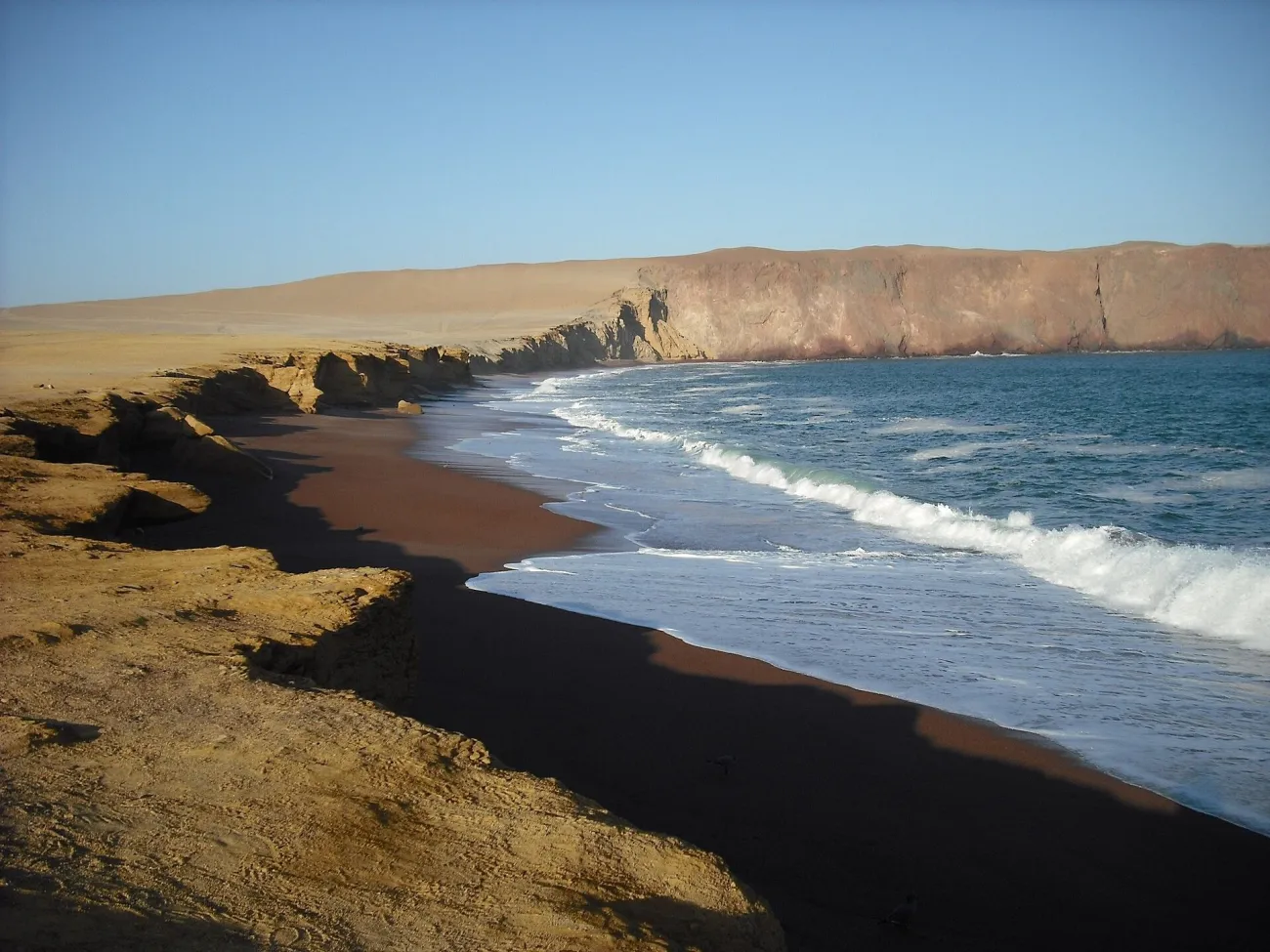

Paracas brings desert headlands, birdlife and strongly contrasting coastlines into one reserve visit. A view of Playa Roja does not mean it is a bathing beach. SERNANP's current reserve visitor page identifies the northern circuit and its viewpoints, while the official circuit map distinguishes viewpoints from bathing areas. Ask rangers which sites and activities are permitted on the day.
La Mina and Raspón are the established bathing-beach names to discuss with your guide or the reserve staff, subject to current access and sea conditions. Keep reserve sightseeing and swimming as separate decisions. Follow marked routes, carry your rubbish out and do not descend an unmarked cliff path to imitate a photograph. A coastal wind can make a long stop exposed even when the sun looks strong.
Plan a reserve outing as a real block of time with water, sun protection and agreed stops. A marine excursion and a land circuit can both be worthwhile, but putting them into one compressed morning leaves little room for weather changes. Check the operator's cancellation or rescheduling terms before making the next hotel or bus booking inflexible.
Compare the airport and the final transfer together
For the northern coast, compare Talara, Tumbes and Piura against your exact property and the flights actually sold for your dates. The airport operator confirms the separate Talara, Tumbes and Piura terminals. Máncora is a beach town, not the name of the airport to select without further checks.
Request a written transfer quotation from the property before choosing a cheaper flight. Confirm whether it covers the whole group, luggage, late arrival and a delayed flight, and whether the driver meets you inside the terminal or elsewhere. Compare the flight plus road journey and the time you reach the room. Keep the return transfer equally clear: an early departure needs a confirmed driver, rather than an assumption that one can be found on the beach.
Use the Airports & Transfers guide for airport planning, and book a coastal break with enough nights to absorb those journeys. A property can be excellent yet a poor match for the particular arrival and departure flights available to you.
Check the season and the conditions separately
Central-coast summer generally offers a different atmosphere from the cooler, cloudier months, while the north is the stronger starting point for a warm coast stay. Regional weather still varies, and heavy rain can affect northern access. Use the Best Time to Visit guide for the regional comparison and SENAMHI's Piura and Tumbes forecast service for current climate information.
Check three things before entering the sea: whether bathing is permitted, whether lifeguards consider the conditions suitable and whether the beach has a recent satisfactory sanitary assessment. DIGESA's Verano Saludable service reports water quality, cleanliness, facilities and the last inspection. A healthy sanitary classification does not certify that the swell or currents are safe.
Travel Tip: Ask your accommodation to confirm the exact airport transfer and the beach's current conditions before the free-cancellation deadline. Keep a pool, a coastal walk or another land activity as a usable alternative.
Peru beach questions
Which coast should I choose for a beach holiday?
Start with the north for a dedicated beach stay, then compare Máncora, Vichayito, Los Órganos, Punta Sal and Zorritos by atmosphere and property location. Paracas is particularly useful for coastal landscapes and its reserve.
Is Máncora or Vichayito better for a quiet break?
Vichayito is the more natural starting point for a quiet property-focused stay. Máncora suits travellers who want more town activity. Check the exact accommodation position and evening transport in either case.
Can I swim at Playa Roja?
Treat Playa Roja as a viewpoint visit and follow current reserve instructions. Ask staff about permitted bathing areas such as La Mina and Raspón and the day's sea conditions.
Are whales visible throughout the year?
No seasonal sighting should be promised every day. The usual northern humpback observation season is July to October, and trips remain dependent on conditions and wildlife.
Does a beach health rating mean the sea is safe?
No. A sanitary assessment concerns water quality, cleanliness and facilities. Check bathing permissions, lifeguard advice, swell and currents separately.
Last updated: