
Sign in
For Photos4Travel editors and team members.
Peru · Health & Safety
Peru Health & Safety: Altitude, Travel Preparation and Help
A safer Peru trip begins with three choices: a route that allows for altitude, medical preparation for the regions you will actually visit, and transport arrangements that still work when a service is delayed. Risks differ between a Lima restaurant evening, a high Andean pass and a remote forest lodge. Use the information below to prepare for those situations, then check your government's current regional advice shortly before departure and during the journey.
Peru is not a place where one national label can tell you whether every district, road and activity suits your plans. Nor does sensible preparation make a traveller responsible for someone else's crime. Choose services carefully, protect the essentials and know whom to contact when you need help. Read U.S. travel advice or your own government's equivalent before finalising the route; restrictions and warnings are regional.
Make altitude part of the itinerary
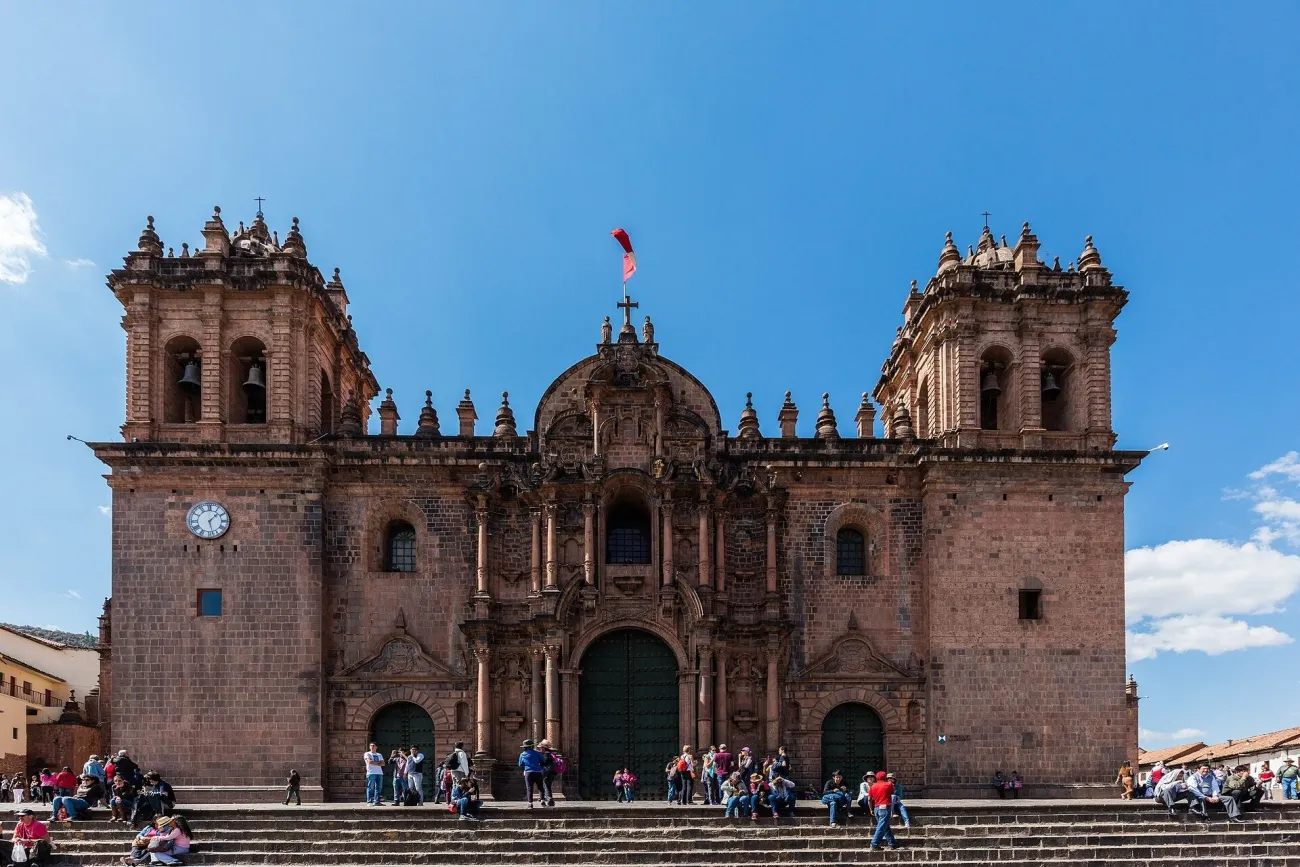

Flying to Cusco from the coast creates a rapid change in elevation. The city is approximately 3,400 metres above sea level, and Lake Titicaca is higher still. Being fit does not remove the need to acclimatize. The CDC's Peru chapter identifies Cusco, Titicaca and high Andean trekking as altitude-risk settings.
Keep the arrival day gentle and protect the next day's flexibility. A lower first sleeping base in the Sacred Valley may help a suitable itinerary, although it does not eliminate the risk. Avoid booking a demanding high-altitude excursion immediately after landing. Discuss your route with a clinician before travel, especially if you have a heart or lung condition, are pregnant, take regular medication or have previously been ill at altitude. Preventive medicine is a medical decision, not something to copy from a fellow passenger. The CDC altitude chapter explains staged ascent and individual assessment.
Headache with nausea, dizziness or unusual fatigue after ascent deserves attention. Stop ascending while unwell. Worsening symptoms, confusion, loss of coordination or breathlessness at rest require urgent help and descent; a hotel oxygen cylinder is not permission to continue higher. Follow CDC's traveller guidance on altitude illness and your clinician's instructions. Do not allow a prepaid tour or a companion's enthusiasm to overrule symptoms.
Make that decision possible before setting off. Ask your walking operator how a participant can turn back, who accompanies them, where the vehicle can meet the group and how a rescue is requested. For a remote trek, find out which communication device is carried. A reassuring phrase such as “we have oxygen” leaves all of those practical questions unanswered.
Take the full route to a travel-health appointment
Arrange a travel-health appointment at least a month before departure when possible, following the CDC Peru preparation advice. If you leave sooner, seek advice promptly rather than assuming preparation is no longer useful. Bring the names of overnight stops, forest lodges and planned walks: a city-only visit and a lowland Amazon stay require different conversations. Include the countries visited before and after Peru, since a later country’s entry rules can matter too, and take your vaccination record.
The CDC Peru destination page provides a current regional reference for vaccines and malaria prevention. Yellow fever vaccination is recommended for specified risk areas, including many lowland forest areas; it is not recommended solely for Lima, Cusco city, the Inca Trail or Machu Picchu. CDC lists no yellow fever vaccination requirement for entry to Peru. Recommendation and entry requirement are different questions. Ask a clinician about your personal suitability rather than treating every yellow fever recommendation as universal.
Do not obtain preventive medication solely on a lodge's generic packing advice. Tell the clinician whether you will be far from medical care, and whether a change of route is possible. If you add a forest extension after the appointment, revisit the advice before paying for it. Record the generic names of regular medicines and carry the prescription information with them.
Prepare for mosquitoes, animals and remote stays
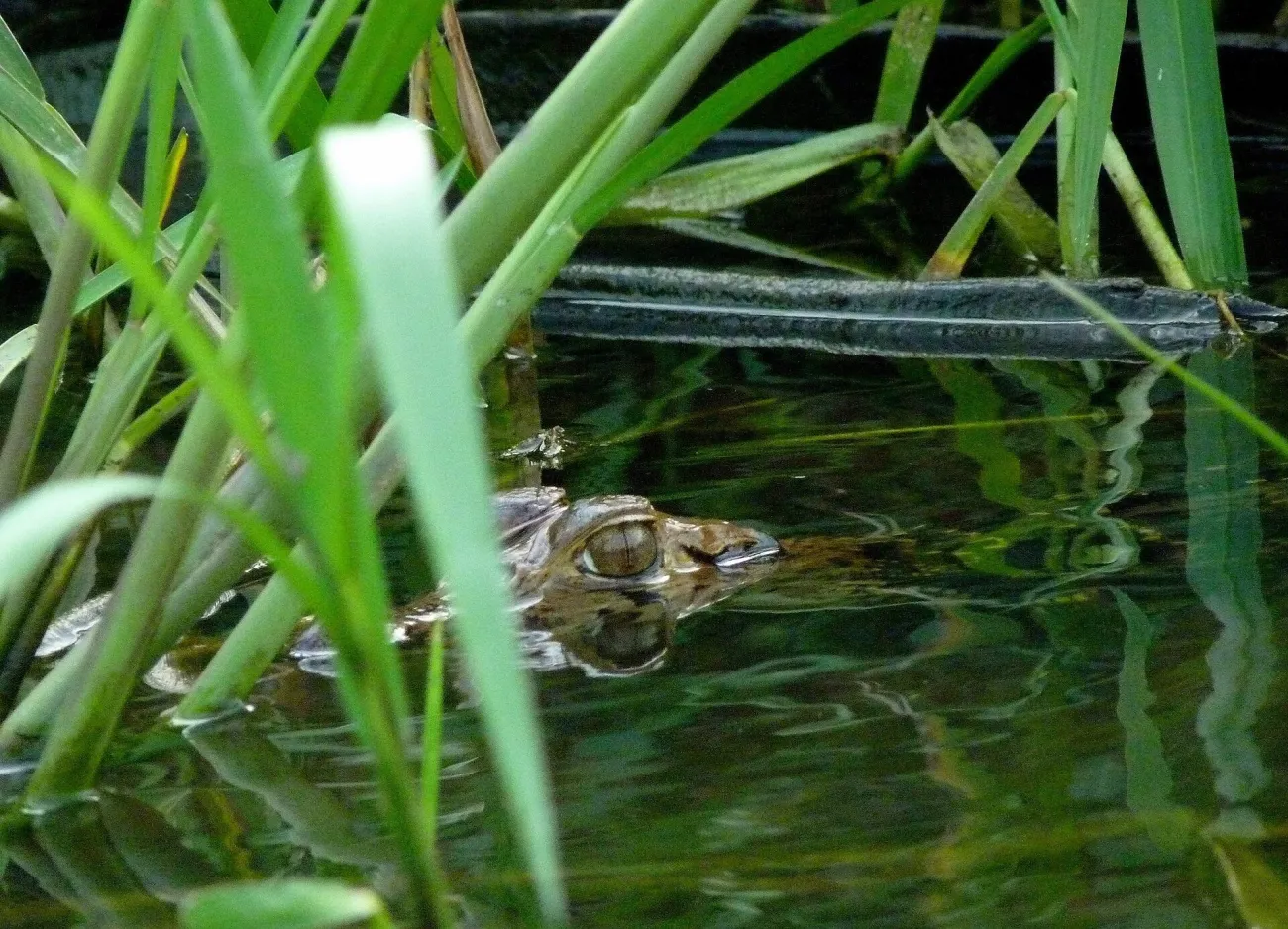

Mosquito precautions belong in coastal and forest planning, rather than only on a jungle packing list. Use an appropriate registered repellent according to its label, cover exposed skin where practical and choose screened or otherwise protected sleeping accommodation. Ask how the lodge handles bed nets and ventilation before arrival. CDC's bite-prevention guidance explains repellent and clothing choices, including precautions for children.
Give wildlife space. Do not feed monkeys, handle bats or pet unfamiliar dogs for a photograph. If an animal bites or scratches you, wash the wound thoroughly with soap and running water and seek medical care immediately. Previous rabies vaccination does not remove the need for assessment and further care after an exposure. The CDC animal-safety guidance also notes that appropriate treatment is not available everywhere.
Water and flood precaution, checked 17 November 2026: CDC reports increased leptospirosis cases in Peru, especially in the north and Amazon. Avoid swimming or wading in freshwater that may be contaminated by animal urine, and avoid unnecessary contact with floodwater. Cover cuts with waterproof dressings and use suitable waterproof clothing and boots when exposure is possible. Include river or wetland activities in the travel-clinic conversation; a boat ride and entering the water are different choices.
For a remote lodge, ask where the nearest medical facility is, how an ill guest is transported and who pays the initial costs. Keep the insurer's assistance details offline. If you develop a fever during or after travel, tell the clinician exactly where you stayed, including forest areas and dates. A photograph of the lodge's location or your route can be more useful than the broad description “Peru”.
Eat well while managing food and water risk
Choose food that is freshly prepared and served hot, and use water that is safe to drink. Be cautious with ice of uncertain origin, raw produce you cannot peel and food that has been standing at ambient temperature. Ceviche is raw seafood: lime juice does not make it equivalent to a cooked dish. People who are pregnant, immunocompromised or otherwise advised to avoid raw food should follow their clinician's advice. The CDC's food and drink guidance explains safer choices.
Carry oral rehydration supplies and ask your clinician or pharmacist how to use them. Take illness seriously if you cannot keep fluids down, become markedly weak, have blood in your stool or develop a significant fever; seek professional advice rather than trying to finish the next excursion. When travelling with children or someone medically vulnerable, agree earlier thresholds for getting help before departure.
Keep food preferences separate from allergy instructions. Explain a serious allergy clearly in Spanish and ask about ingredients, sauces and shared preparation equipment. A vegetarian symbol does not tell you whether a dish contains your allergen. The Food & Drink guide helps with ordering decisions, while medical advice should come from a qualified professional.
Protect documents and plan the journey home
Carry the cash and cards you need for the outing, with a separate backup secured elsewhere. Keep a copy of your passport details and the insurer's number accessible without relying on a single phone. Use a small bag that closes securely, and avoid leaving it hanging behind a chair. These habits reduce the consequences of theft; they do not guarantee that it will not happen.
Arrange an airport or late-night transfer through a service you can identify and contact. Confirm the vehicle and driver before getting in. After dinner or a music event, wait for collection in a suitable staffed place rather than wandering while watching the phone. Keep control of your drink and leave with a trusted companion if you feel unexpectedly unwell. The FCDO safety guidance discusses crime and drink-spiking risks.
If robbed, prioritise your safety and do not resist. Once in a safe place, contact the police, block affected cards and tell the insurer. For a stolen passport, contact your own embassy or consulate and ask the airline which replacement document it accepts before arranging domestic travel. Keep reports, booking records and receipts together; they may be needed for the replacement process or an insurance claim.
Allow for closures, sea conditions and rescue limits

Demonstrations and strikes can interrupt roads, railways and airport access with little notice. Avoid protests and roadblocks, and seek information from the operator and local authorities before leaving your accommodation. An old social-media post does not establish that today's route is open. The current FCDO advice describes these disruptions; check the regional advice before travelling into a new area.
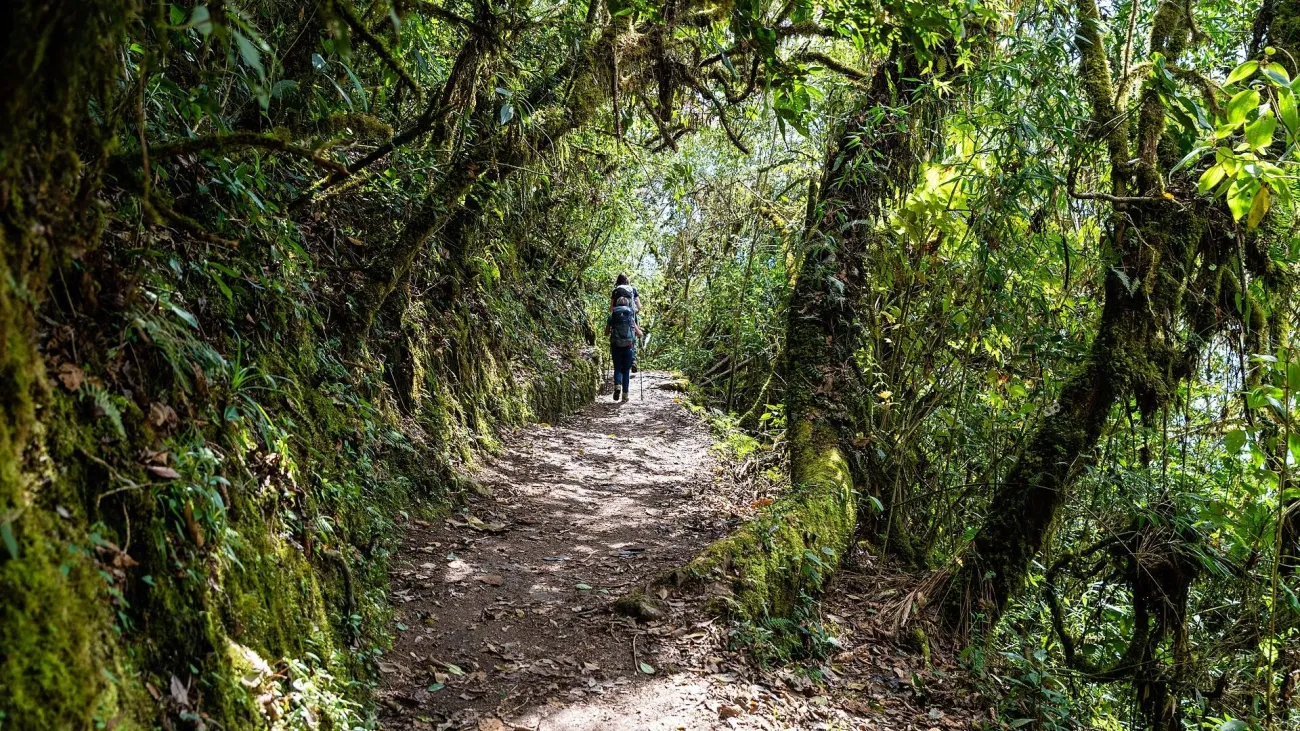
On walking days, follow the signed route and current park instructions. Check the forecast, carry layers and water, and turn back when conditions require it. A route advertised as a day trip can still be remote, high and physically demanding. Compare the actual walking distance, elevation and support in the Walking & National Parks guide.
At the coast, a beach's name or attractive appearance does not establish that it is suitable for swimming. Follow lifeguard directions and local flags, and check the latest sanitary assessment through DIGESA's official beach service. Its health classification and the sea's currents or swell are separate matters. If conditions are unclear, choose a walk or another activity instead of entering the water.
Check cover against the activities you booked
Ask the insurer about the highest elevation on the actual route, trekking, guided activities, search and rescue, evacuation and repatriation. Check regional exclusions and whether travelling against your government's advice affects the policy. A general holiday policy may not match a high-pass trek or an extended remote stay. Keep the emergency assistance number and policy reference where a companion can find them.
Also ask how treatment is authorised and paid for. You may need accessible funds before an insurer reimburses a claim. The FCDO health guidance explains the limits of care outside Lima and the importance of treatment and evacuation cover. Give the insurer accurate information about existing conditions and planned activities before buying the policy.
Travel Tip: Save one offline emergency note with your accommodation address, next destination, medical conditions, medicines, insurer assistance number and a trusted contact. Keep a paper copy separate from your phone.
Useful contacts: choose the right service
The numbers below were checked against official sources for this guide. Give your location first, including the town, road or nearest landmark. Say what happened, how many people need help and how you can be called back. Ask your hotel or guide to help communicate if necessary. Mobile coverage and response capability vary; a phone number is not a guarantee that a rescue vehicle can reach a remote trail.
On smaller screens, swipe or scroll horizontally to read the full table.
| Situation | Contact | What to know |
|---|---|---|
| Police emergency | 105 | Give the precise location and immediate risk. |
| Fire and rescue | 116 | Ask for the appropriate emergency response. |
| Medical emergency | SAMU 106 | Official coverage is regional; ask your accommodation about the local medical arrangement in advance. |
| Tourism information or service assistance | IPERÚ WhatsApp +51 944 492 314 | Visitor guidance, not a replacement for an emergency call. |
| Lost passport or consular help | Your own embassy or consulate | Use the contact on your government's official website. |
The Peruvian government's emergency directory lists police, firefighters and SAMU, including the regions served by 106. IPERÚ's official page confirms its visitor-assistance role and WhatsApp number. For a booking dispute, keep the seller's name, receipt, reservation and a short description of what was promised. For an emergency, call the relevant emergency service first.
Peru health and safety questions
Can fit travellers get altitude sickness?
Yes. Fitness does not remove altitude risk. Plan a gradual introduction to elevation, avoid ascending while unwell and discuss your route with a clinician before departure.
Do I need yellow fever vaccination for Machu Picchu?
CDC does not recommend it solely for Machu Picchu, Cusco city or the Inca Trail. A lowland forest extension can change the advice. Take the full route to a travel-health appointment.
What should I do if an animal bites me?
Wash the wound thoroughly with soap and running water and obtain medical care immediately. Seek assessment even if the wound looks small or you had rabies vaccination before travel.
Is IPERÚ an emergency ambulance service?
No. It provides tourism information and assistance. For an immediate emergency use the relevant emergency number and ask your hotel or guide to help with location and communication.
Does ordinary travel insurance cover a high trek?
Check the policy's exact activity and altitude limits, rescue and evacuation provisions, existing-condition terms and regional exclusions. Get confirmation for your booked route rather than relying on the word “trekking”.
Last updated: