
Sign in
For Photos4Travel editors and team members.
Peru · Getting Around
Getting Around Peru: Flights, Buses, Trains and Regional Transfers
Peru works best as a sequence of regional journeys. Use flights to protect limited time, buses where the road is part of the route, and a separately planned rail journey for Machu Picchu. The difficult part is usually the connection between them: reaching the right bus terminal, meeting a lodge boat, or leaving enough space between a train arrival and the next flight.
Build your route around the nights you will spend in each place. A night on a bus is transport time, not the same thing as a comfortable hotel night, and an early arrival does not automatically create a full sightseeing day. The main Peru itineraries keep transfer days visible; use them as a starting point, then check the live schedules for your dates.
Flights, buses, trains or a driver?
Swipe or scroll horizontally to compare the transport choices.
| Journey or need | A practical starting choice | The planning trade-off |
|---|---|---|
| Lima to Cusco on a short trip | Flight | More usable time; airport formalities and altitude still need room |
| Lima to Paracas | Scheduled coastal bus | Confirm the Lima terminal and whether the arrival permits a next-morning boat trip |
| Arequipa to Cusco | Compare a flight with the long bus journey | The bus operator lists around 10–11 hours, largely overnight departures; weigh fatigue and road conditions |
| Sacred Valley with luggage and several stops | Prearranged driver or small-group excursion | Private flexibility costs more; agree route, waiting and final drop-off |
| Machu Picchu | Ticketed train or an authorized trek | Site ticket, rail, approach transfer and hotel nights must fit together |
| Amazon lodge | Lodge-arranged airport and river transfer | Boat programme and arrival cutoffs can decide the flight you should book |
The table is a planning comparison, not a universal ranking. Two people with a week in Peru and two people with a month can reasonably choose different transport. Compare the full cost of moving: terminal transfers, baggage charges, meals on the road, a hotel night saved or lost, and how you are likely to feel on arrival.
Domestic flights: protect the useful days
A flight is particularly useful when you would otherwise devote most of a day and night to moving between distant regions. Search the precise city pair and travel date rather than assuming every regional airport has a convenient direct service. Read whether the fare includes a cabin bag, checked luggage, seat selection or changes. The lowest initial price may suit a light traveller and be less attractive once a family’s bags are added.
When connecting through Lima, distinguish a single supported booking from two independent tickets. Leave extra room if the second carrier can treat a late arrival as a missed flight. For terminal transfers, the new Lima terminal and the difference between international and domestic connections, use the Airports & Transfers guide.
A good route also accounts for the day after the flight. Flying to Cusco saves time on the road, but it does not provide acclimatization. Keep the first day gentle and avoid treating immediate exhaustion as something to solve with a strenuous excursion. Changing to a bus does not guarantee protection from altitude illness either.
Intercity buses: book the terminal as well as the seat
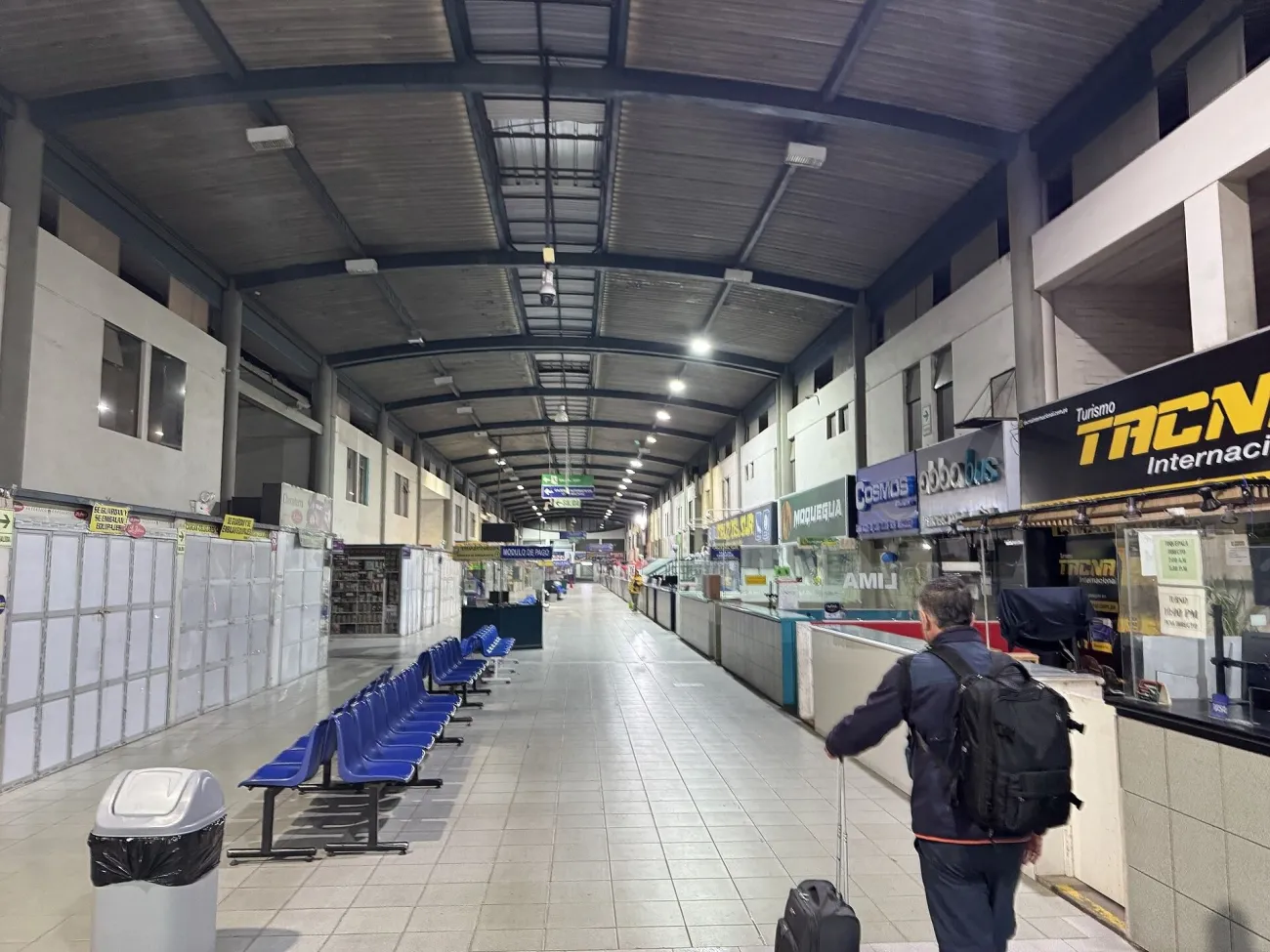

Lima does not have one departure point that serves every company and route. Read the terminal printed on your ticket, save its address and allow time to cross the city. A hotel-to-terminal transfer can be a material part of the cost, especially if you are travelling alone or leaving before dawn. Check the arrival terminal too; “Cusco” or “Arequipa” on the search screen does not identify your hotel drop-off.
As a concrete coastal example, Cruz del Sur’s Lima–Paracas route lists departures from Javier Prado, at Avenida Javier Prado Este 1109, and arrival at its Paracas terminal on the approach to El Chaco. Its published journey range is approximately 3 hours to 4 hours 45 minutes. Confirm your selected departure: road traffic can change the result, and a same-day morning Ballestas excursion needs a much earlier arrival than an afternoon hotel check-in.
For a highland example, the operator’s Arequipa–Cusco page lists a journey around 10–11 hours, with most departures overnight. That is a substantial transfer. If you use it, avoid attaching a demanding hike or a non-refundable timed tour immediately after arrival. Compare flight availability before deciding that saving a hotel night is the better value.
Take your passport, essential medication, valuables and a warm layer in your small bag. For luggage placed in the hold, keep the identification tag and check the bag at collection. Check the booked operator’s current baggage and boarding conditions; allowances are not interchangeable between bus companies, trains and airlines.
Trains to Machu Picchu: match four separate bookings
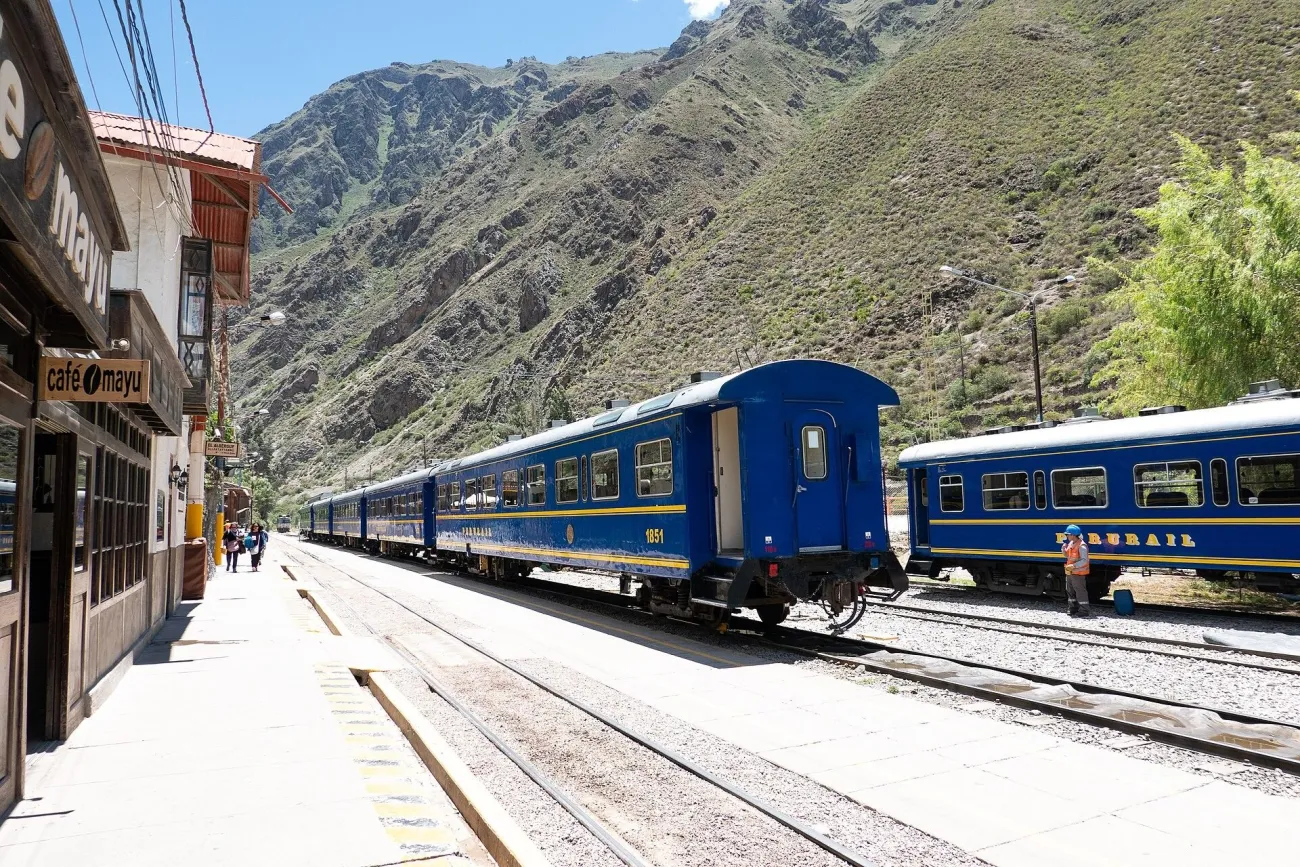

The ordinary rail approach ends at Machu Picchu Pueblo, also called Aguas Calientes. The archaeological site is another step beyond the town. A train ticket alone does not reserve a citadel circuit, a guide, the uphill bus or a hotel. Read the Machu Picchu planning guide before committing to the transport.
Start with the site date, circuit and entry slot you actually want. Then fit the train, the road or operator-bus approach, and the overnight plan around it. Check the named departure station and whether the product includes a road section. “From Cusco” can describe a combined bus-and-train journey; it does not always mean walking onto a train in central Cusco. PeruRail currently publishes notices that selected bimodal services change between bus and train at Pachar, so use the ticket’s current instructions.
PeruRail’s luggage page distinguishes a backpack and a carry-on option on its listed Machu Picchu services, with service-specific dimensions and excess-bag arrangements. Check the actual booking rather than relying on a copied old allowance. Travelling with a small overnight bag often makes the journey easier; arrange any larger-bag storage and collection hours before you leave it behind.
If you stay in Ollantaytambo before the train, confirm the walking or driving approach from the accommodation to the station. After a late return, a nearby bed can be more useful than another road transfer. An early flight the following morning deserves a separate calculation, including how much sleep and contingency the plan leaves you.
Drivers, excursions and local shared vehicles
A private driver can make sense for a Sacred Valley day that finishes at a different hotel or train station. Give the company the exact stops and final destination. Ask whether quoted time includes waiting, extra stops, parking and the return journey, and whether an English-speaking guide is included or available separately. A driver and a qualified archaeological guide perform different jobs.
On a group excursion, check whether the day genuinely fits your interests. A route with several ruins, lunch and shopping visits can feel rushed if photography is your priority. If the tour finishes near your train, obtain a clear drop-off commitment and allow a buffer; a rough “back by the afternoon” is not a rail connection guarantee.
Colectivos and other shared vehicles can be inexpensive, but the departure point, route, space for luggage and final stop matter. They are easier to use when you already know the geography and can discuss the journey locally. For the first transfer after a long flight, with children or with several large bags, a prearranged vehicle may justify its higher cost.
Lima: walking districts and using public transport
Plan a walk within one district before joining several distant areas into a single day. The Miraflores malecón is a different outing from the historic centre; Barranco’s streets and museums make another useful cluster. Cross-city traffic can make a sequence of short-looking map legs slow. Use a licensed or hotel-arranged car for awkward connections, and keep your phone and camera secure at the roadside.
For the Metropolitano bus system and complementary corridors, check the current route and payment instructions with ATU. Metropolitano and Lima Pass transport cards remain part of the system; digital top-up options have expanded, but a visitor should not assume a foreign bank card or overseas phone wallet will work directly at every gate. Establish where you will buy or recharge the card before heading for a platform.
Match the stop to your destination’s entrance and consider the final walk, especially after dark or with luggage. Crowded public transport is not a convenient place to unpack camera equipment. If you need step-free access, ask about the specific station and vehicle rather than relying on a general claim that a whole city network is accessible.
Amazon transfers and boat journeys
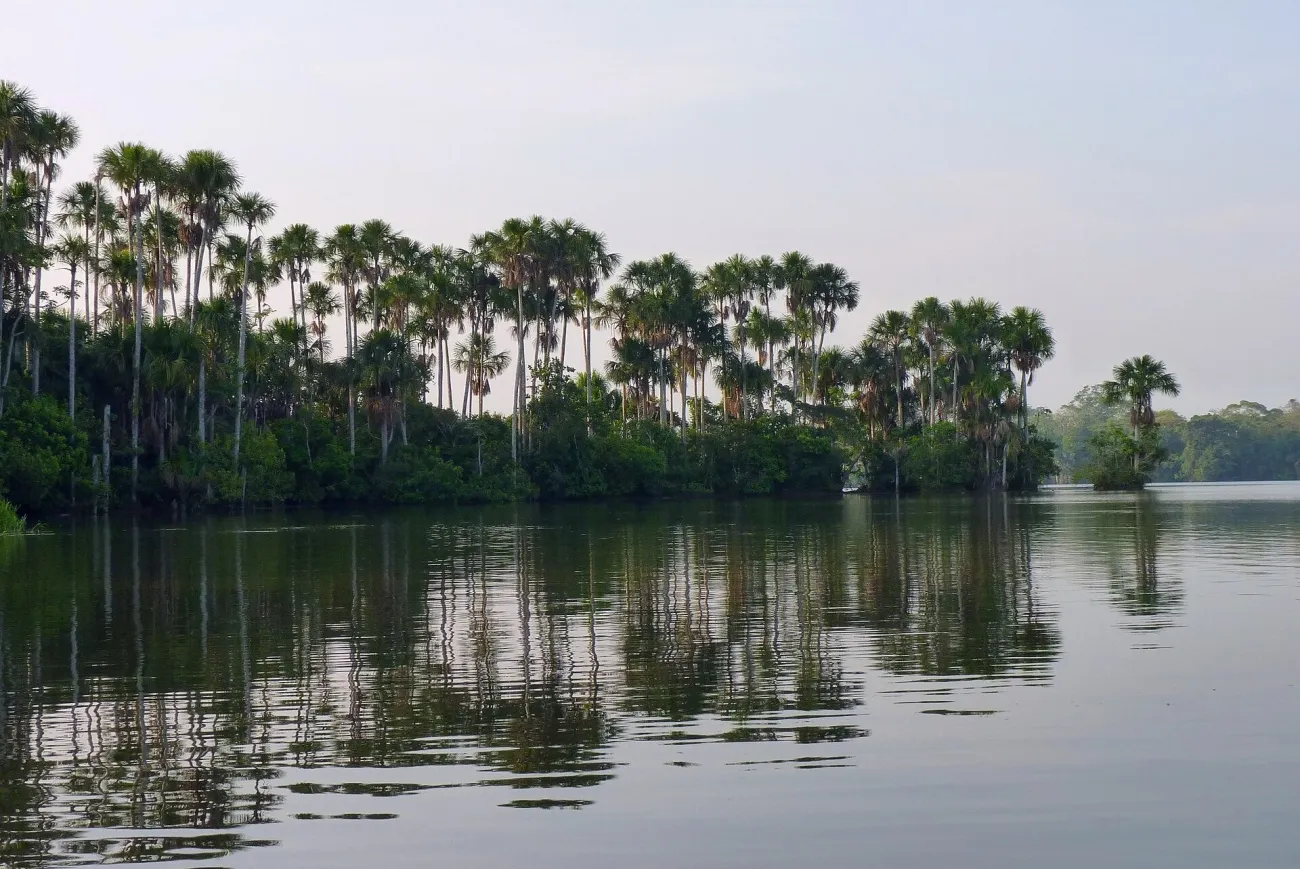

Book the airport, road and river stages as a coordinated lodge transfer where possible. Ask for the meeting time, realistic boat duration, baggage handling and what happens if the flight is late. Bring rain protection for the contents of your bag, not only a jacket for yourself. Keep documents and medication where you can reach them without opening the main luggage on a wet landing stage.
A lodge described as “near Puerto Maldonado” may involve very different access from a city hotel. SERNANP describes the Sandoval sector as a river approach followed by a 3 km trail, while other Tambopata sectors involve longer journeys. Confirm the exact itinerary and use the reserve’s visitor information alongside your operator’s instructions. Do not count arrival and departure days as two full wildlife days.
Road conditions, strikes and a workable backup
Check your operator’s service status and SUTRAN road information before a long transfer. Rain, landslides and protests can interrupt routes with little notice. A closure is a reason to reassess the plan with local providers, not to seek an informal route around a blockade. Keep enough flexibility to change a hotel night or defer an excursion.
The FCDO transport guidance recommends reputable operators and avoiding unnecessary overnight journeys on mountainous or remote roads where possible. For self-drive travel, check licence requirements, insurance, road conditions and the rental firm’s restrictions. A private car is not essential for the standard Lima–Cusco first trip, and a hired driver is often a more useful option for a single complicated sightseeing day.
Getting around Peru FAQ
Is it better to fly or take buses in Peru?
Flights help when time is limited or the road journey is very long. Buses can suit coastal stages and slower itineraries. Compare door-to-door cost, baggage, fatigue and the next day’s plans, rather than the ticket price alone.
Do I need to rent a car for Peru?
Most first trips using Lima, Cusco, the Sacred Valley and Machu Picchu can be arranged with flights, trains and transfers. A driver can be useful for a particular valley day without committing to a rental for the entire holiday.
Does a Machu Picchu train ticket include entry to the ruins?
A standalone rail ticket does not include the archaeological entrance. Check every component of a package, and coordinate the actual circuit and entry time with your train and approach transfer.
Can I bring my full suitcase on the train?
Read the current allowance for the specific operator and service. Larger luggage may require a separate arrangement or fee. Confirm storage location and collection hours if you plan to travel with an overnight bag.
Does arriving by overnight bus solve acclimatization?
No transport method guarantees protection from altitude illness. An overnight ride can also leave you tired. Plan a gentle arrival and follow the health guidance for your sleeping altitude and intended activities.
Last updated: