
| Food or label | Ask about | Reason |
|---|---|---|
| Laksa | Regional broth and toppings | Seafood, spice and recipe vary |
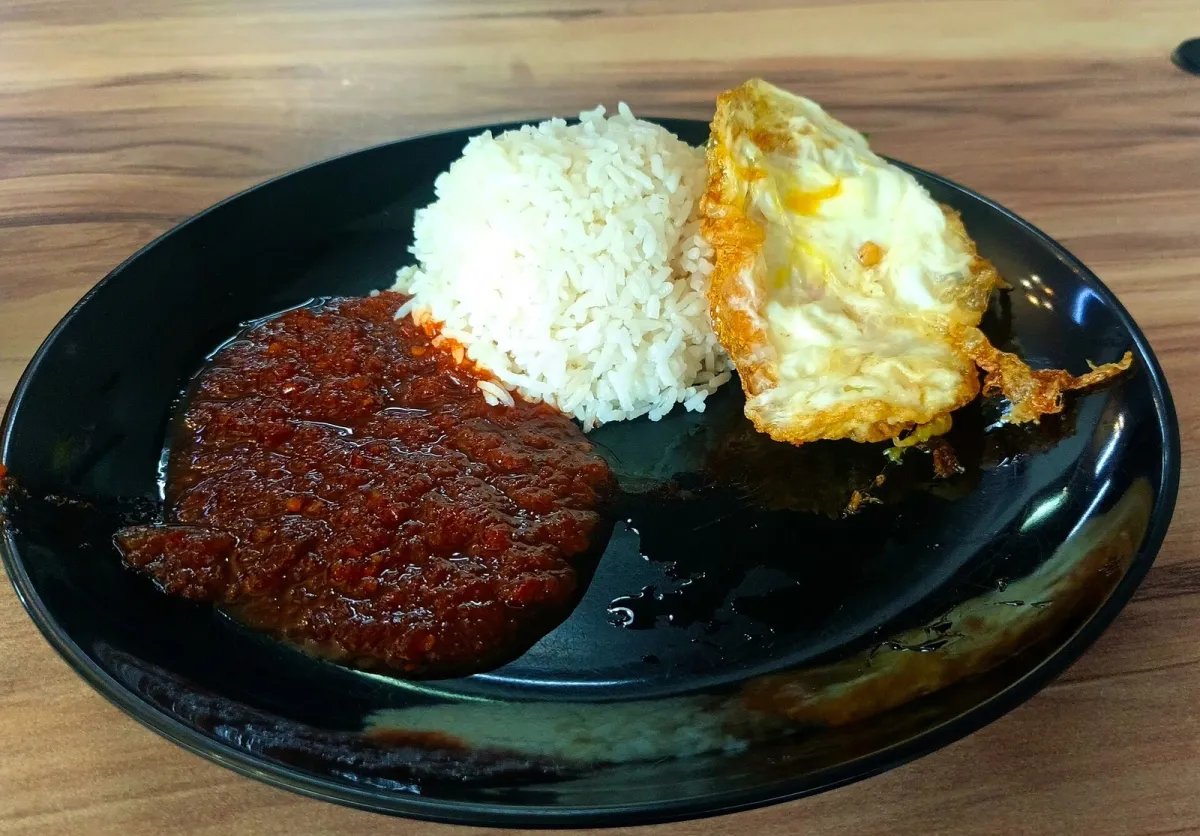
| Nasi lemak | Sambal and side dishes | Fish, nuts, egg and protein choices |
| Roti canai | Dough, curry and shared equipment | Vegetarian and allergy needs |
| Pork-free | Certification and preparation | It is not the same as halal-certified |
Swipe or scroll the table sideways if needed.
The Essence of Malaysian Cuisine
Malaysian food is all about balance — spicy yet sweet, creamy yet tangy, traditional yet inventive. You’ll find coconut milk-based curries, aromatic herbs like lemongrass and galangal, and sauces bursting with chili, shrimp paste, and tamarind. Meals are often shared, reflecting Malaysia’s communal spirit and its melting pot of cultures. What makes Malaysian food special is not just the ingredients, but the stories behind them — passed down from generations and flavored by centuries of trade, migration, and cultural exchange.
Top Malaysian Dishes You Must Try
Nasi Lemak – The National Dish
No visit to Malaysia is complete without trying Nasi Lemak, the country’s most beloved dish. Served traditionally on banana leaves, it consists of coconut rice, spicy sambal, crispy anchovies, roasted peanuts, and a boiled egg. Variations may include fried chicken, beef rendang, or cuttlefish sambal. You’ll find it everywhere — from roadside stalls to fine dining restaurants — symbolizing Malaysia’s diversity on a plate.
Char Kway Teow – Stir-Fried Perfection
Originating from Penang, Char Kway Teow is a smoky, savory noodle dish made from flat rice noodles stir-fried with prawns, Chinese sausage, eggs, bean sprouts, and soy sauce. The key is the wok hei — the “breath of the wok” — which gives the noodles their signature charred aroma. It’s one of Malaysia’s most iconic street foods and a must-try for anyone visiting Penang.
Laksa – A Bowl of Spicy Soul
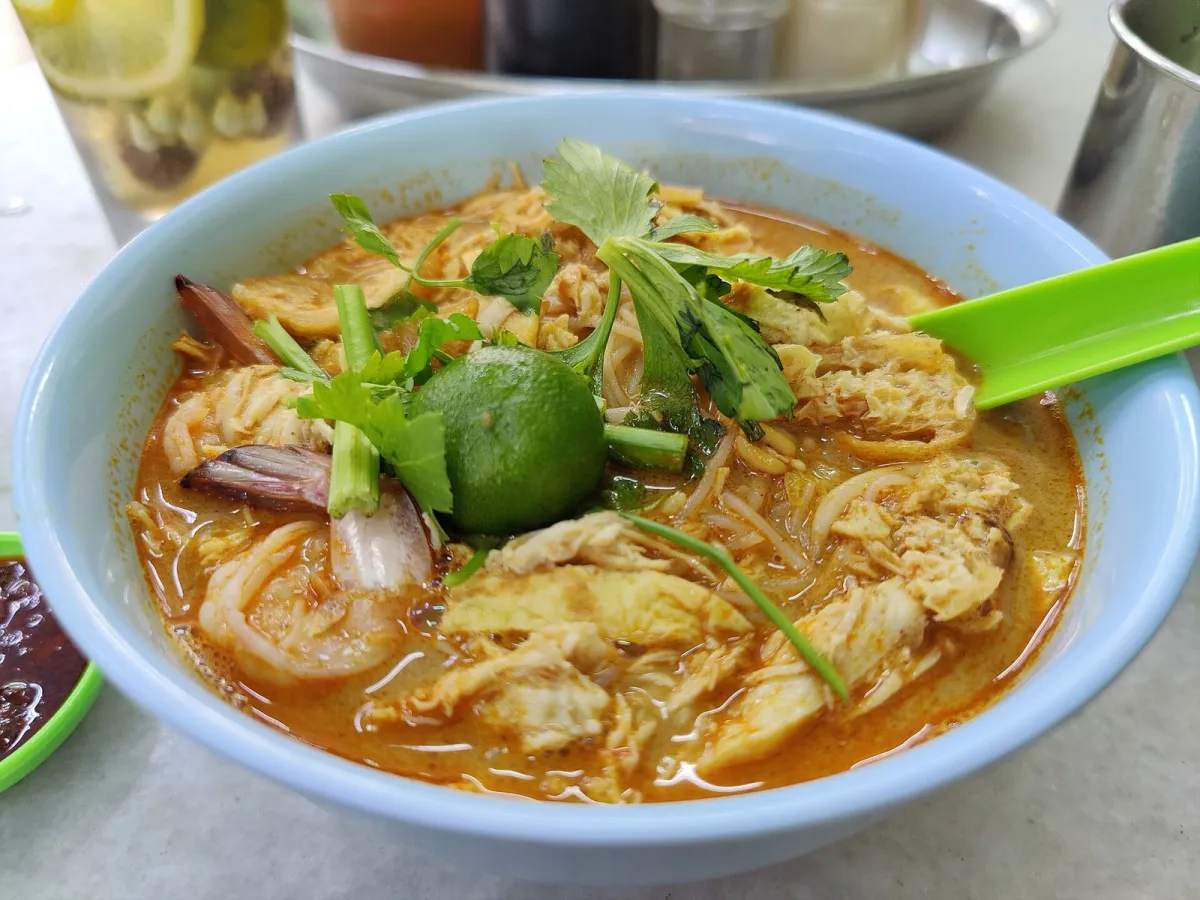
Laksa describes several regional dishes rather than a choice of only two national types. Penang asam laksa commonly uses a tangy fish-based broth, while curry laksa is a different coconut-rich style. Sarawak laksa has its own character. Ask about broth, seafood, toppings and local preparation rather than assuming the same name means identical ingredients.
Satay – Grilled Street Delight
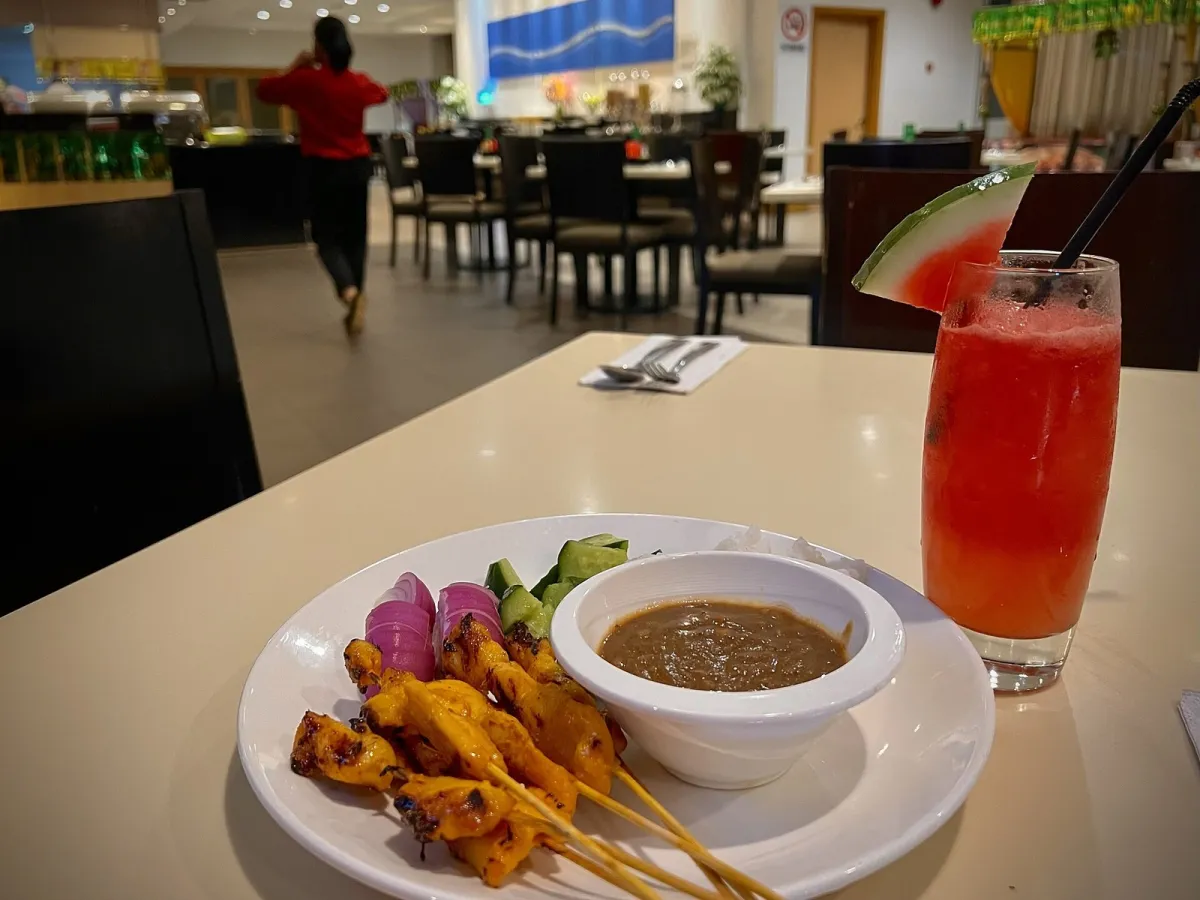
Perhaps Malaysia’s most internationally recognized dish, Satay consists of marinated meat skewers (usually chicken or beef) grilled over charcoal and served with a rich peanut sauce, cucumber, and onions. You’ll find satay everywhere from night markets to upscale restaurants, often paired with Nasi Impit (compressed rice cakes).
Roti Canai – Flaky Layers of Heaven
Influenced by Indian cuisine, Roti Canai is a flaky, crispy flatbread served with dhal (lentil curry) or chicken curry. It’s a popular breakfast and late-night snack that showcases Malaysia’s love for simple yet flavorful comfort food. Watch street vendors expertly toss and flip the dough in the air — it’s an art form in itself!
Nasi Kandar – Penang’s Iconic Meal
Born in Penang, Nasi Kandar is a rice dish served with an array of curries and side dishes — from fried chicken and okra to fish roe and beef rendang. The key lies in the “banjir” technique, where multiple gravies are poured over the rice, creating an explosion of flavors. It’s spicy, aromatic, and endlessly customizable.
Mee Goreng Mamak – The Street Food Favorite
A classic of Malaysia’s Indian Muslim community, Mee Goreng Mamak is a fried noodle dish with egg, tofu, potatoes, and sometimes squid or chicken. Tossed in a rich soy-chili sauce, it’s a flavorful comfort meal found at mamak stalls across the country — the beating heart of Malaysia’s street food culture.
Hainanese Chicken Rice – Simple, Subtle, and Perfect
Steamed chicken served with fragrant rice cooked in chicken broth — Hainanese Chicken Rice may look simple, but it’s deeply satisfying. Accompanied by chili sauce and ginger paste, this dish is a staple in Chinese-Malaysian communities and can be found in nearly every food court and hawker center.
Rendang – A Festive Favorite
Beef Rendang is a slow-cooked dry curry made with coconut milk, lemongrass, and spices. Originally from Indonesia’s Minangkabau region, it’s been fully embraced by Malaysians as a dish served during festivals like Hari Raya. Its rich, caramelized flavors make it one of the most indulgent meals you can have in Malaysia.
Street Food Culture – The Soul of Malaysia
Street food is where Malaysia’s culinary heart beats loudest. Every city and town has its own signature dishes and night markets. In George Town, hawker stalls serve legendary flavors; in Kuala Lumpur, the Jalan Alor night market buzzes with energy late into the night. Here, locals and tourists share plastic tables, ordering plates of satay, noodles, and iced drinks under colorful lights.
Other must-visit food hubs include:
- Gurney Drive Hawker Centre (Penang) – A waterfront food paradise.
- Alor Setar Night Market – Authentic northern Malay cuisine.
- Central Market, Kuala Lumpur – Perfect for sampling traditional snacks and sweets.
Malaysian Desserts – Sweet, Colorful, and Refreshing
Desserts in Malaysia are just as diverse as its savory dishes. Many use coconut milk, palm sugar, and pandan leaves to create refreshing treats ideal for the tropical heat.
- Cendol: Shaved ice topped with coconut milk, palm sugar syrup, and green jelly noodles.
- Ais Kacang: A mountain of shaved ice with red beans, corn, grass jelly, and sweet syrups.
- Kuih: Traditional bite-sized snacks made from rice flour and pandan, often steamed in vibrant colors.
- Pisang Goreng: Fried banana fritters — a simple but addictive street snack.
Drinks in Malaysia – Cool Down, Local Style
Malaysia’s tropical climate makes cold drinks a staple of everyday life. Some of the most iconic beverages include:
- Teh Tarik: Malaysia’s national drink — strong milk tea poured back and forth to create a frothy top. The name literally means “pulled tea.”
- Kopi: Local-style coffee brewed with condensed milk — strong, sweet, and addictive.
- Sirap Bandung: A pink rose-flavored milk drink, popular during celebrations and Ramadan.
- Air Mata Kucing: A refreshing drink made with dried longans and winter melon, perfect for hot days.
- Coconut Water: Served straight from the shell, a natural and hydrating choice available everywhere.
Fine Dining & Fusion Experiences
Malaysia also has contemporary dining that interprets local ingredients and traditions in a formal setting. Choose by the current menu, dietary fit and reservation terms rather than an old award ranking. The Restaurants guide compares named places and dining areas without duplicating the dish explanations here.
Regional Food Highlights
Malaysia’s geography influences its cuisine in fascinating ways:
- Penang: Famous for street food — Char Kway Teow, Asam Laksa, and Hokkien Mee.
- Kelantan: Known for sweet, coconut-rich dishes like Nasi Dagang and Ayam Percik.
- Sabah: Try Hinava (raw fish salad) and fresh seafood near Kota Kinabalu.
- Sarawak: Home to Sarawak Laksa and Kolok Mee — noodle dishes with a distinctive local flair.
Tips for Food Travelers in Malaysia
- Eat like a local: Don’t skip roadside stalls — they often serve the most authentic meals.
- Mind the spice: Malaysian food can be fiery! Start mild and work your way up.
- Use your hands: In traditional Malay and Indian meals, eating with your right hand is common.
- Stay hydrated: The tropical heat calls for constant refreshment — coconut water is your best friend.
- Respect halal culture: Malaysia is a Muslim-majority country; pork and alcohol may not be available in all areas.
Order with the region in mind
Sarawak laksa has its own character and should not be reduced to either Penang asam laksa or a generic coconut curry soup. In Kuching, compare local breakfast dishes and noodle traditions rather than looking only for the peninsula’s best-known food names. Sabah likewise offers distinct local and Indigenous dishes alongside widely familiar meals.
For drinks, ask what sweetness and milk options are available. Kopi and teh orders can vary by style and stall, so a short question is better than assuming the same English label means the same drink everywhere. “Less sweet” is a useful request, but it is still worth checking whether condensed milk or another sweetener is part of the preparation.
Allergens, vegetarian choices and halal questions
Look beyond the main ingredient. Shrimp paste, dried seafood, fish stock, peanuts, egg, soy and dairy can appear in sauces, soups or garnishes. Vegetarian-looking rice and noodles are not necessarily vegetarian, and removing a visible prawn does not remove seafood from a stock.
Explain a serious allergy clearly and ask about shared equipment. If staff cannot answer confidently, choose another dish or place. Pork-free and halal-certified are different descriptions; ask about current certification and preparation when this affects your choice.
Build a food day without over-ordering
Choose a small breakfast, one or two lunch dishes to share and a different style of evening meal. Food centres often have separate drink vendors and different ordering arrangements, so ask before taking a table. Keep small cash and confirm prices for seafood sold by weight.
Leave room for regional discoveries instead of trying to complete every famous dish in one day. A named dish can be a useful starting point, but the meal is better when the ingredients, setting and portion size suit the people actually eating it. Use the Restaurants guide when the decision is where to reserve a table rather than what to order.
For venue choices and reservations, use the Malaysia Restaurants guide.
Travel Tip:
Save the relevant address, operator contact and return plan offline before leaving a reliable connection.
Planning sources
Use the current authority or operator information for details that can change.
- Kebaya Dining Room reservations and dietary notes
- De.Wan: The LINC location
Frequently Asked Questions
Are Penang and Sarawak laksa the same dish?
No. They have distinct regional recipes and ingredients. Ask about the broth, seafood and garnishes rather than assuming one familiar laksa name describes every version.
Does pork-free mean halal-certified?
No. Ask about current certification and preparation if this matters to your choice. A short menu label does not answer every dietary question.
How should I explain a serious allergy?
Ask about sauces, stocks, oils and shared equipment as well as the main ingredient. If staff cannot answer clearly, choose another dish or venue.