
Shopping in Malaysia: Crafts, Local Products and Where to Buy
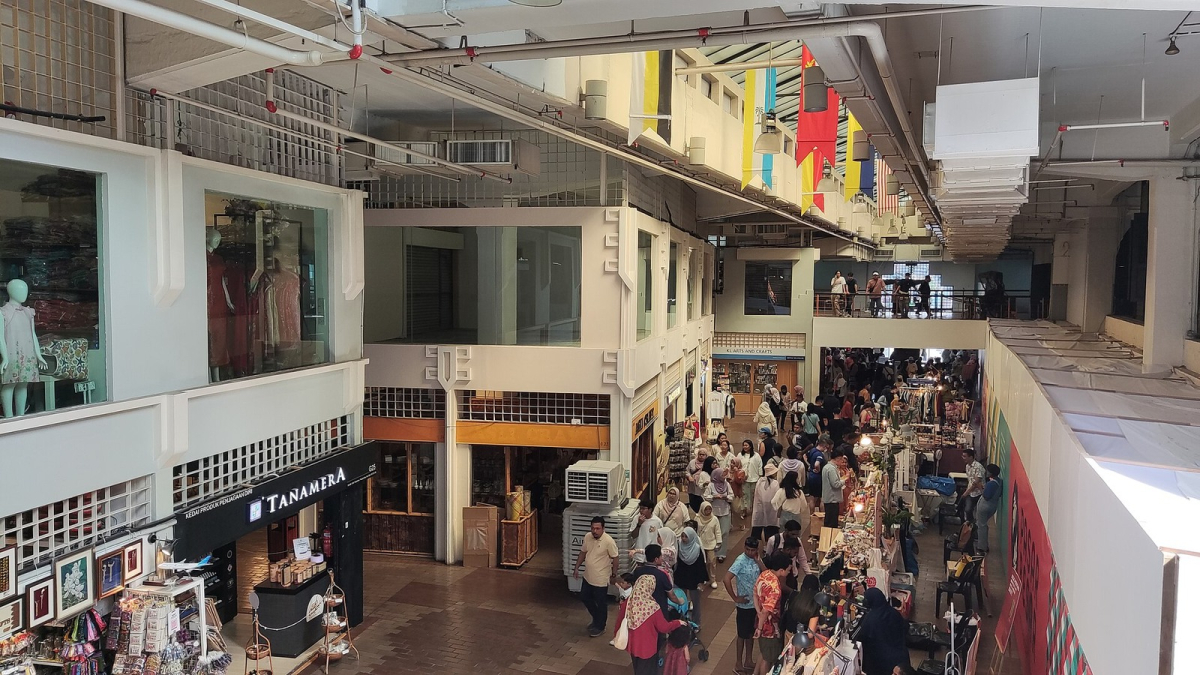
Malaysia shopping is most rewarding when you know what you want to bring home and how you will use it. A piece of batik, a woven basket, a small pewter object and a bag of coffee have different questions about origin, quality and transport. This guide focuses on local products and practical buying decisions. International-brand malls can be convenient for everyday purchases, but a location in Malaysia does not make every item a Malaysian craft.
Start with a modest shortlist and leave time to compare materials and ask who made the piece. A useful gift fits the recipient, the budget and the luggage. There is no universal mark that guarantees the origin of every craft sold in every market. Ask for clear product information and a receipt, especially for an expensive item, and avoid unsupported claims about authenticity or guaranteed tax savings.
| Product | Ask about | Transport consideration |
|---|---|---|
| Batik | Fabric, technique, maker | Care and colour transfer |
| Songket | Fibre and weaving origin | Delicate thread and folding |
| Pewter | Named maker, intended use | Weight and surface protection |
| Sarawak weaving | Maker and material | Shape, moisture, import rules |
| Coffee / packaged food | Ingredients and shelf life | Sealed packaging and home-country rules |
Swipe or scroll the table sideways if needed.
Batik: cloth, clothing and practical gifts
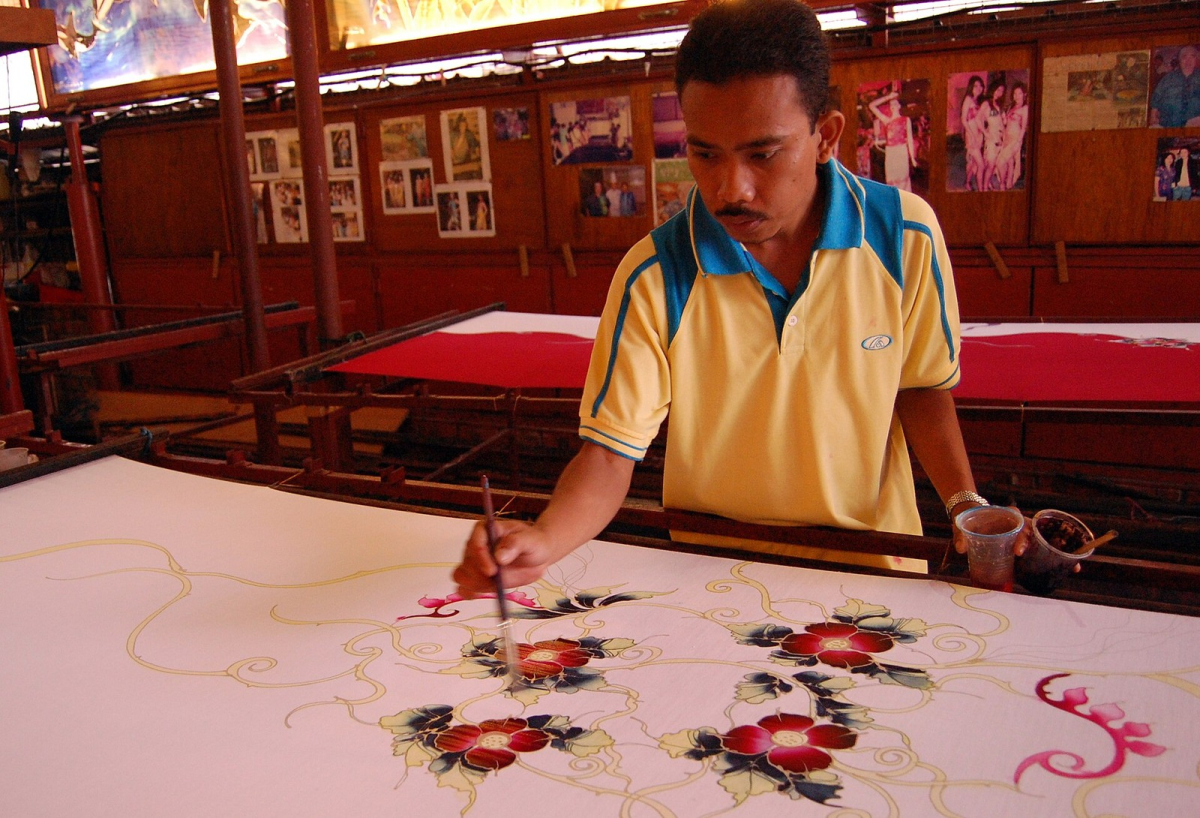
Batik can be a wearable gift or a decorative textile, with Malaysian production associated particularly with the east coast as well as contemporary designers elsewhere. Look at the fabric, colour, finishing and intended use rather than buying only by the word batik. Ask whether a piece is hand-drawn, block-printed or mechanically printed and where it was made. A printed item can still be useful and attractive, but it should be described and priced honestly.
For clothing, examine seams, sizing and washing instructions. For fabric, check the usable width and length and whether the recipient will actually sew or display it. Light cloth packs well, but protect it from moisture and separate strong colours until you understand the care instructions. A workshop or specialist shop can explain technique better than a stall with little product information. If a demonstration is part of a tour, distinguish the educational visit from any obligation to buy; compare the item on its own merits.
Songket and other woven textiles
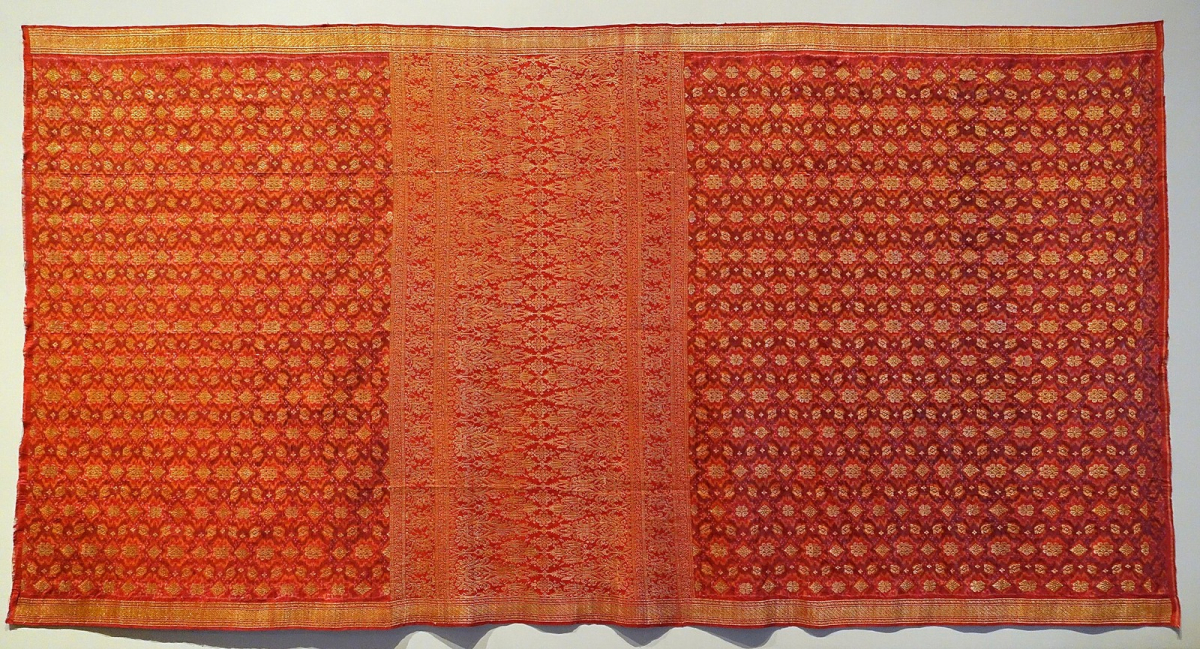
Songket is valued for weaving and decorative supplementary threads. A ceremonial textile, a small accessory and a machine-made souvenir fulfil different purposes, so begin with what you need. Ask about the fibre, weaving method, maker and region and examine the reverse as well as the display side. Fine work may justify more time and expense than a casual gift purchase, but a high price alone does not establish provenance.
A long textile should be measured and protected before packing. Check whether folding, hanging or dry cleaning is advised for that particular piece; metallic-looking threads and delicate finishing can need different care from ordinary cotton. Choose a colour and format the recipient can use rather than assuming a ceremonial style is suitable for daily wear. Specialist craft outlets and a maker who can explain the product offer a different buying experience from a general souvenir stall. Ask for the description on the receipt when the material or origin matters to the purchase.
Pewter: choose a useful object and a named maker
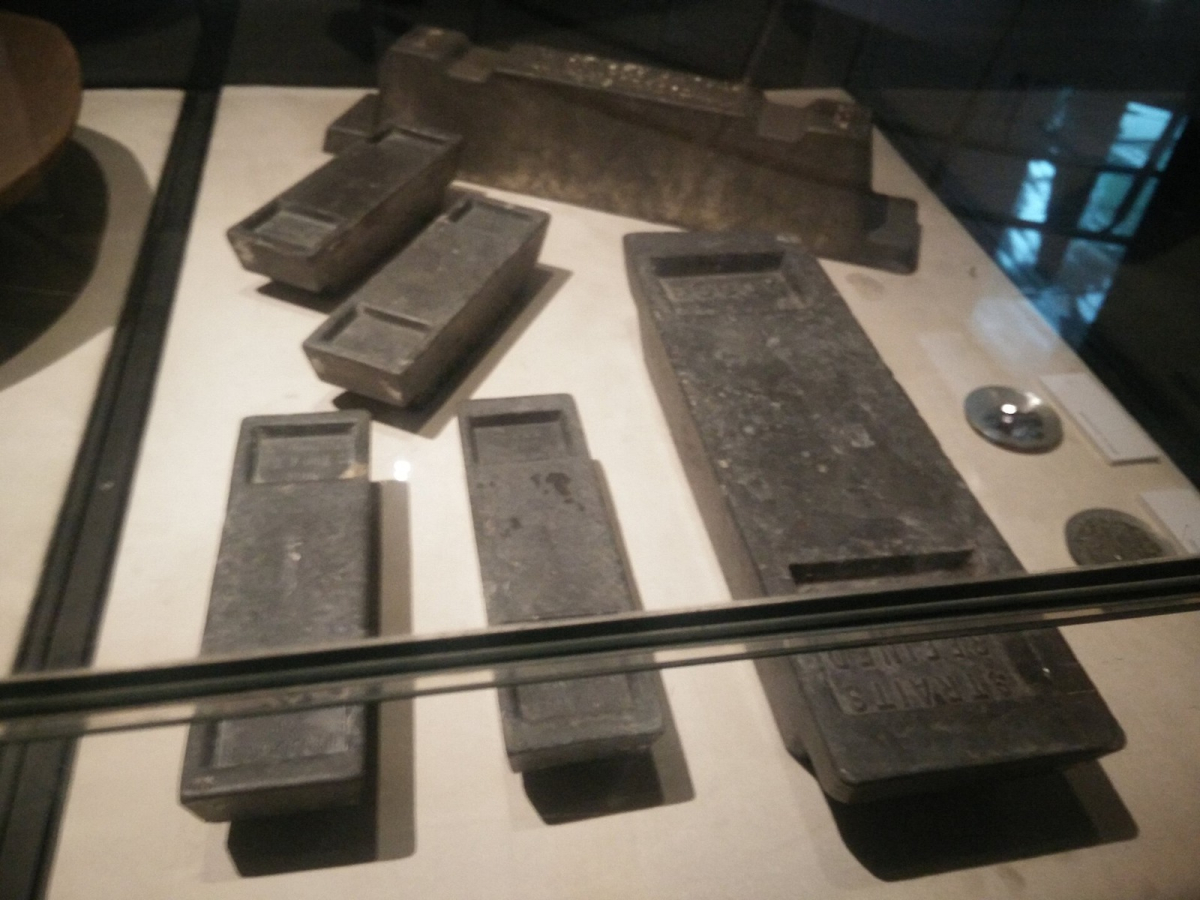
Pewter objects range from small gifts to tableware and display pieces. Royal Selangor is a recognised Malaysian maker with its own visitor and retail channels; that does not mean every silver-coloured souvenir in a market is from the same producer. Buy by the actual maker and product description. Ask which items are intended for food or drink and how they should be cleaned rather than assuming all decorative pieces are suitable for that use.
Consider weight and purpose before choosing a large object. A compact item that the recipient will use may be a better purchase than an impressive but awkward display piece. Retain the packaging and receipt, and ask about any warranty or after-sales service attached to the specific item. A factory or visitor-centre demonstration can help explain production, while the final buying decision should remain independent. Do not generalise one brand’s assurance or certificate to unrelated sellers. Allow room in the luggage and protect the surface from rubbing against harder objects.
Sarawak weaving, baskets and contemporary craft
Kuching is a useful place to look for woven goods and crafts with clear links to Sarawak. Ask which community or maker produced the item, what the material is and whether it was made for everyday use or sale as a decorative piece. A basket, mat and textile can have distinct cultural and practical meanings. Avoid treating every pattern sold in Borneo as belonging to one undifferentiated tradition.
Choose a size and construction that will travel well. Flexible baskets can still be damaged by compression, while rigid pieces need more space than their weight suggests. Ask about moisture, storage and cleaning and keep the maker’s information with the gift if it adds meaningful context. Buy legally traded contemporary goods rather than wildlife products or objects of uncertain age and origin. Export and home-country import rules may apply to plant or animal materials. When uncertain, choose a clearly described modern product that is easier to document and carry.
Coffee, tea and packaged food gifts
Ipoh-style white coffee, Malaysian tea and regional packaged foods can be practical gifts, but origin and contents still matter. Read the label for the producer, ingredients, best-before date and storage conditions. A coffee sachet with sugar and creamer is different from plain ground coffee; a recipient with a dietary restriction may prefer the latter. The name on a souvenir package does not guarantee the ingredient was grown in the town where you bought it.
Keep gifts sealed and choose products that tolerate the journey. Ask before buying anything that needs refrigeration or is likely to leak. Liquid sauces add baggage and security considerations, while plant, meat or dairy ingredients can trigger import restrictions at home. Check the destination authority rather than accepting a seller’s general assurance that tourists carry it all the time. Grocery shops can provide clearly labelled options, while specialist producers may explain provenance in more detail. Compare final weight and suitability, not simply the apparent discount on a bundle.
Where to shop: match the district to the purpose
In Kuala Lumpur, Central Market and the surrounding heritage area offer a practical starting point for comparing craft and souvenir categories. Ask about the actual maker and origin at each outlet rather than treating a market address as a quality certificate. For a named pewter product, use the maker’s own retail or visitor information. Mall shopping around KLCC or Bukit Bintang serves a broader purpose, including practical clothing and international brands, and should be described that way.
In George Town, look for independent shops and house-museum retail where the product has an explanation beyond a generic souvenir label. In Melaka, the Jonker Street area provides a walkable shopping context, but temporary markets and individual shop hours need current checks. In Kuching, the Main Bazaar and nearby heritage streets can fit a craft-focused outing. Visit in daylight first if you want to inspect materials carefully, then return later for atmosphere only if transport and opening arrangements suit the day.
A realistic shopping walk and safe purchase
For a Kuala Lumpur half-day, begin with Central Market, compare a small number of outlets and take a proper break before deciding what to buy. Add nearby heritage streets only if the heat and road crossings suit the group. A specialised maker outside the immediate area is a separate transport decision, not an automatic walking extension. In Kuching, combine a short craft circuit with the waterfront and a meal, leaving enough time to ask about origins rather than rushing between stalls.
Compare like with like: material, dimensions, technique, maker and what is included. Agree the price before paying, understand card charges or currency conversion and retain a receipt for a significant purchase. Do not assume a universal tourist tax refund or a customs allowance. For valuable jewellery or an alleged antique, obtain specialist advice and the documents required for the actual item; ordinary sightseeing research is not an appraisal. Pack purchases so that breakage, humidity or a security check will not ruin the gift, and leave room for the return journey before buying something bulky.
Travel Tip:
Compare material, maker and dimensions before price, and leave room in your luggage.
Continue planning: Food & Drink · Travel Essentials.
Planning sources
Official information checked on 28 October 2026. Confirm changing conditions for your own visit.
Frequently Asked Questions
How do I know whether batik is hand-made locally?
Ask about the maker, place, technique and fabric and request a clear description. The word batik or a market address alone does not establish origin.
Is a tourist tax refund guaranteed?
No. Check the current official rules for the actual purchase and departure. Do not assume an old tax-free claim still applies.
Can I carry any woven or food souvenir home?
Check your home-country import rules for the material and ingredients. Keep food sealed and retain useful product information and receipts.
