
Things to Do in Malaysia: Experiences Worth Planning Around
Choose a Malaysian experience by the time, access and physical effort it needs. A short heritage walk can fit around a city stay; a wildlife river trip or mountain climb deserves a dedicated place in the itinerary. This guide compares ways to spend your days, while Top Destinations helps choose the regions and towns where those experiences belong.
The suggestions below are editorial planning ideas. Confirm current access, tickets, guiding and weather conditions with the relevant operator. Wildlife sightings, clear viewpoints and open outdoor facilities are never guaranteed by a photograph or a past visitor’s account.
Walk George Town in short heritage sections
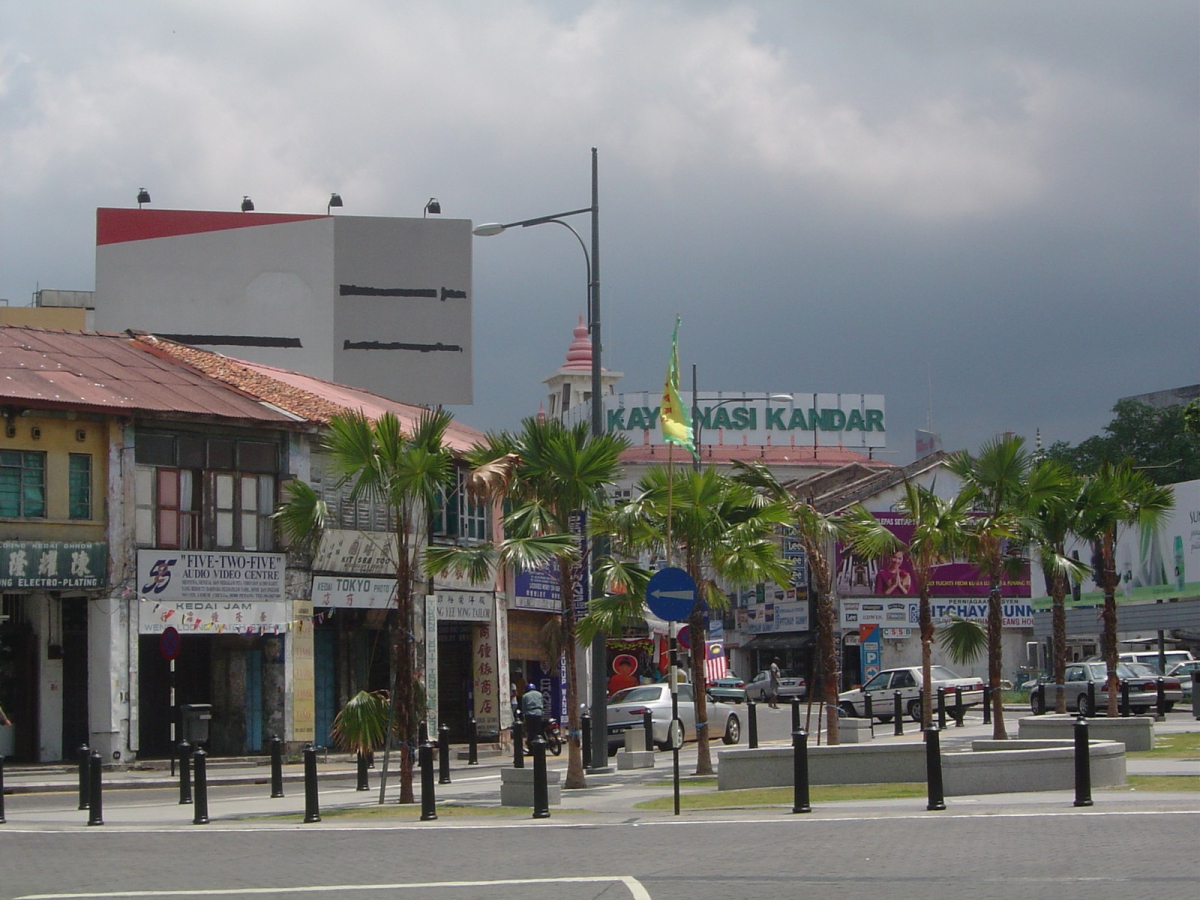
George Town rewards attention to street detail: shophouse frontages, religious buildings, courtyards and everyday food businesses. Build a walk around one compact area, then take a shaded meal break instead of trying to cover the whole heritage zone in the midday heat. A self-guided outing works well for independent visitors; a knowledgeable local guide adds context to the communities behind the buildings.
Allow time to enter a museum or heritage property rather than treating every building as a quick exterior photograph. Follow the visiting rules for religious spaces and ask before photographing people at work. Uneven pavements, steps and road crossings make the route more demanding than its distance alone suggests.
For rain, shorten the outdoor portion and use an indoor stop. If mobility is limited, choose specific accessible entrances in advance and connect them by vehicle when necessary. A compact route can still provide a rich visit without requiring several hours of continuous walking.
See Kuala Lumpur through its neighbourhoods

The skyline is one part of Kuala Lumpur, but a satisfying day also includes contrasting street-level areas. Pair one major viewpoint or museum with a neighbourhood meal, then leave a break before an evening outing. Book a timed attraction only after checking its current visitor rules and the journey from your hotel.
KLCC, the old centre, Chinatown and Brickfields offer different settings. Trying to visit all of them in rapid succession can turn the day into a sequence of transport changes. Choose two that match your interests and use the city’s rail network where it genuinely simplifies the route.
This is a flexible choice for a first or final full day. Keep exposed viewpoints movable if thunderstorms develop, and avoid treating an outdoor terrace as the only reason a non-refundable booking will be worthwhile. A good city day should still work when the weather changes.
Visit Batu Caves with respect for its purpose
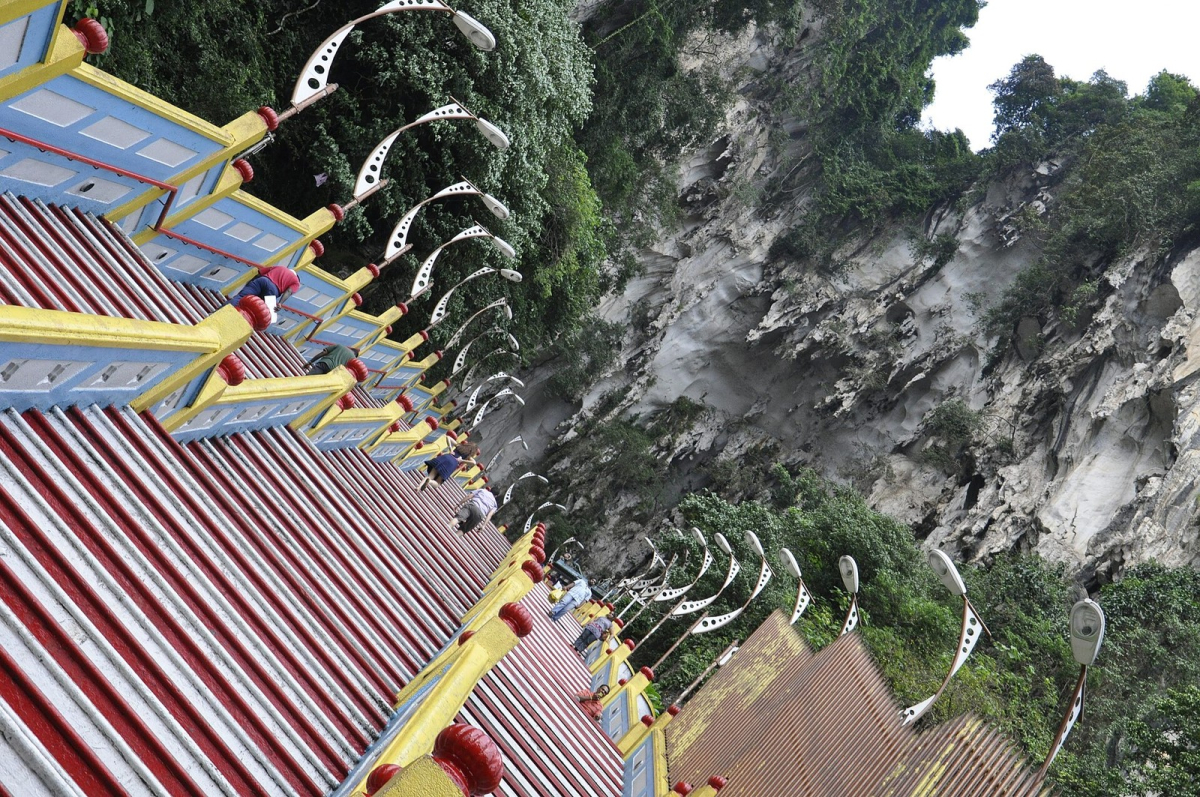
Batu Caves is a Hindu religious site as well as a landmark. The well-known stairway is physically demanding in tropical heat and does not represent a step-free route. Decide whether the climb is appropriate for everyone in the party, and plan a less strenuous alternative when it is not.
Dress according to site requirements, keep food secure around monkeys and follow staff instructions. The place should not be approached merely as a colourful staircase for posed photographs. Give worshippers space, ask before close portraits and avoid obstructing the flow of people at narrow points.
Festival conditions differ greatly from an ordinary visit. During Thaipusam, crowds and transport arrangements can transform access, and a photograph from that period should not be presented as a typical weekday scene. Confirm the current arrangements if the festival is your reason for travelling.
Spend time in the Cameron Highlands landscape
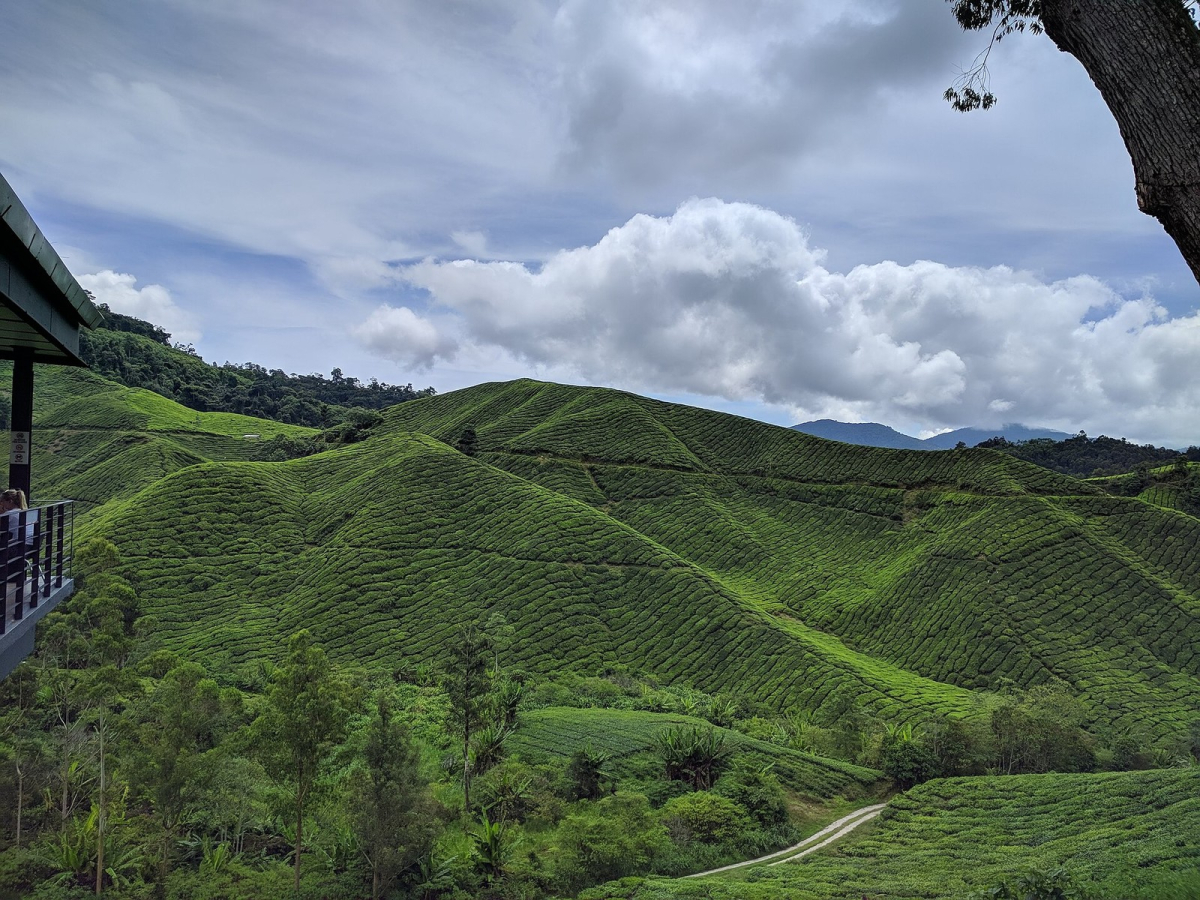
The highlands offer a change of temperature and scenery from coastal cities. A tea-estate visit works best when you check the particular property’s opening arrangements and combine it with a realistic road plan. A distant view of cultivated hills is different from permission to walk through working fields.
Base the day on a small number of stops rather than a long circuit of roadside attractions. Narrow roads and weekend traffic can consume much of the available time. Travellers without a car should compare a guided outing with independent transfers and establish how they will return.
For a forest walk, use current local trail advice. Rain can make paths slippery and cloud can remove a viewpoint’s visibility. Wear suitable footwear and leave the route flexible; cooler air should not be mistaken for a guarantee of easy walking conditions.
Observe wildlife around Sepilok or the Kinabatangan
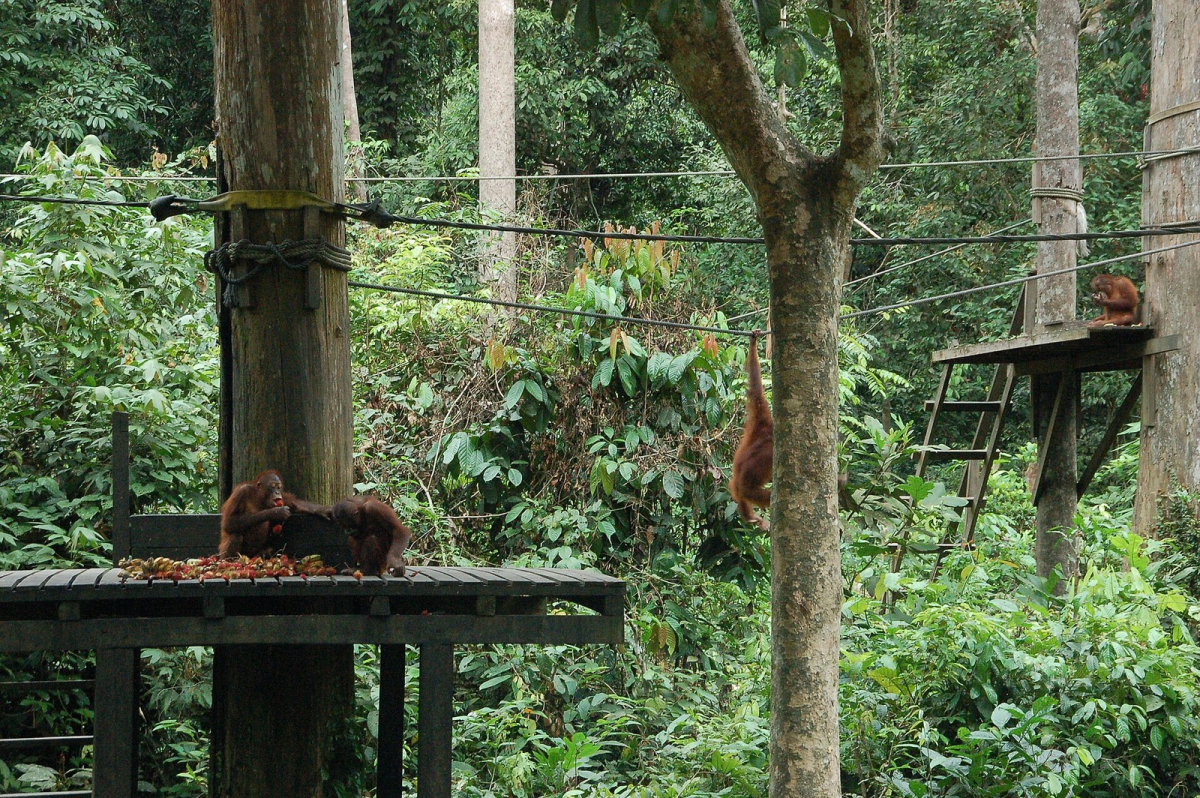
Sabah wildlife visits deserve time and quiet observation. Sepilok’s rehabilitation setting differs from a river lodge on the Kinabatangan: one is a managed conservation visit, the other involves scheduled boat outings and a rural stay. Choose according to the experience you want and the transfer plan you can support.
Ask a provider about guiding, group size, boat safety, included meals and the arrival and departure arrangements. A low package price may exclude the long transfer that makes the journey possible. Wildlife is not a performance, so avoid operators promising close handling or guaranteed encounters with wild animals.
Keep distance, follow instructions on food and flash, and accept an animal’s choice to remain out of view. Binoculars and patience often help more than moving closer. Save the lodge contact offline and include the exact location when checking your insurance and current regional travel advice.
Explore Sarawak’s forests and caves
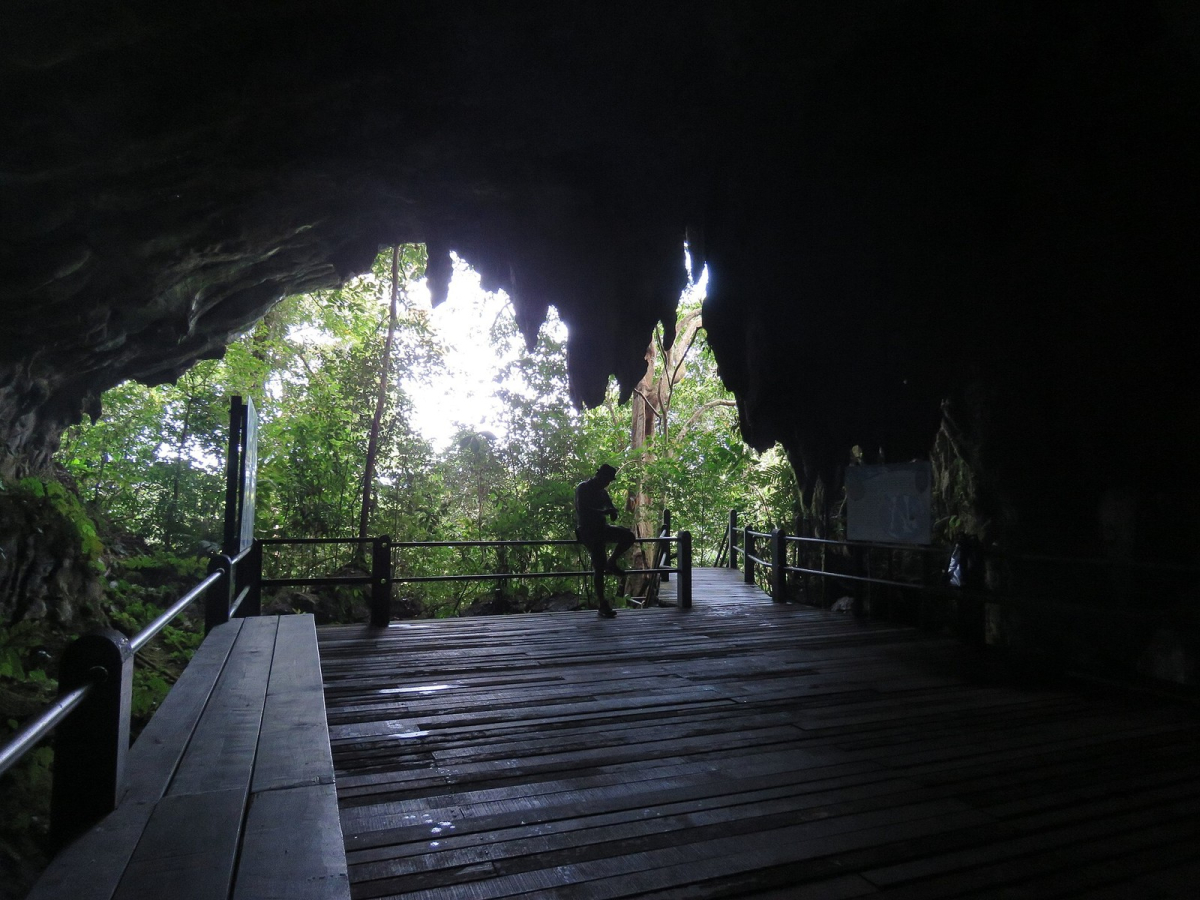
Kuching can be a base for selected nearby nature outings, while Mulu is a separate destination requiring its own journey. Choose between them by the available days, physical requirements and the kind of landscape you want to experience. A cave visit, a forest trail and a strenuous expedition are different activities even within the same national park.
For Bako, confirm the current boat and trail arrangements and the last return plan. For Mulu, use the national park’s current visitor information for show caves, guided activities and accommodation. Do not assume every published route can be undertaken independently or added after arrival without a reservation.
Rain and water conditions can change access. Keep alternative plans and avoid transferring directly from an uncertain boat outing to a tightly timed flight. Paying for a local guide can add both interpretation and practical support where access or navigation is complex.
Snorkel or dive with a suitable operator
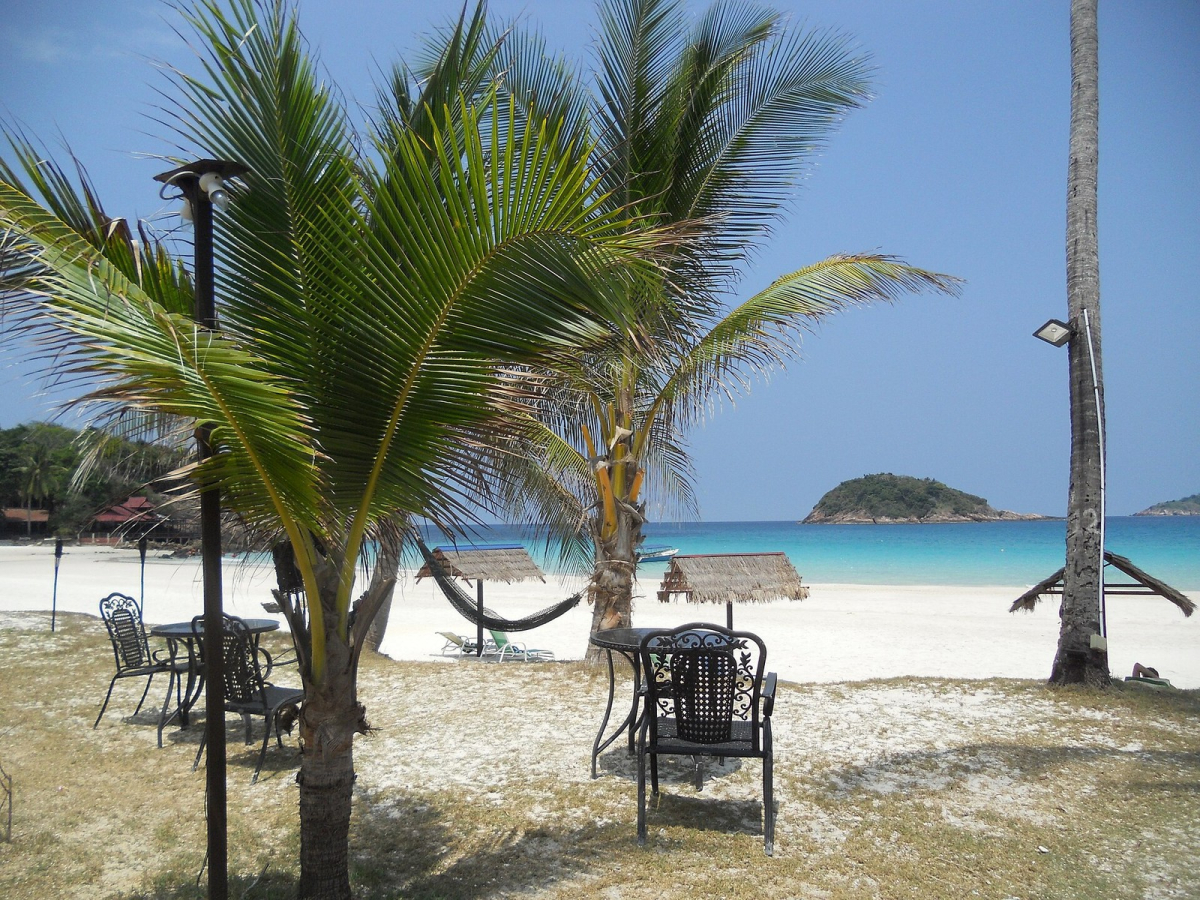
Malaysia has several marine destinations, but the best choice depends on season, experience and logistics. Perhentian, Redang and Tioman involve different gateways; Sabah’s offshore sites require their own permit, advisory and insurance checks. A generic “island hopping” listing does not establish that the activity suits a novice swimmer.
Ask about equipment, instruction, group size, emergency oxygen where relevant and the procedure if sea conditions change. Establish whether the boat has suitable life jackets and whether the outing includes people with your level of experience. For diving, check credentials and the terms of activity cover before paying.
Keep fins and feet clear of coral, do not touch marine animals and avoid feeding fish for photographs. A responsible operator should be comfortable explaining its approach. Return to land with enough margin before an onward flight, and follow professional guidance on the interval after diving.
Walking & National Parks
Choose among six park settings with route, guiding, terrain and return planning. Read the Walking & National Parks guide.
Family Travel
Build a family route around suitable bases, rest, age-specific needs and realistic transport. Read the Family Travel guide.
Accessibility
Ask providers about the complete route rather than one accessible feature. A museum with a lift can still have a difficult pavement approach, while a hotel’s accessible lobby does not establish the bathroom layout of a particular room. Describe the assistance or step-free route you need and obtain a specific answer before committing to a restrictive booking.
For island and forest outings, establish boarding, steps, toilets, seating and the return arrangement. A short distance can be demanding where paths have roots, uneven surfaces or steep gradients. Choose an alternative city, waterfront or cultural visit when it offers a more comfortable shared day.
Choose the right regions with the top destinations comparison.
Travel Tip:
Save the relevant address, operator contact and return plan offline before leaving a reliable connection.
Planning sources
Use the current authority or operator information for details that can change.
Frequently Asked Questions
Is Mount Kinabalu an easy add-on from a city hotel?
No. A summit climb needs advance arrangements, a registered mountain guide, suitable preparation and weather clearance. It should replace other activities in the itinerary rather than be squeezed between flights.
Are wildlife sightings guaranteed at Sepilok or a river lodge?
No. Choose the conservation purpose, guiding and setting, and accept that animals may remain out of view. Avoid providers promising handling or staged encounters.
How should a family choose an activity?
Check child ages, steps, toilets, seating, boat equipment and the return plan. A short, well-matched outing with time to rest can be more useful than a famous but unsuitable experience.
