
Malaysia History & Culture: Communities, Trade and Heritage
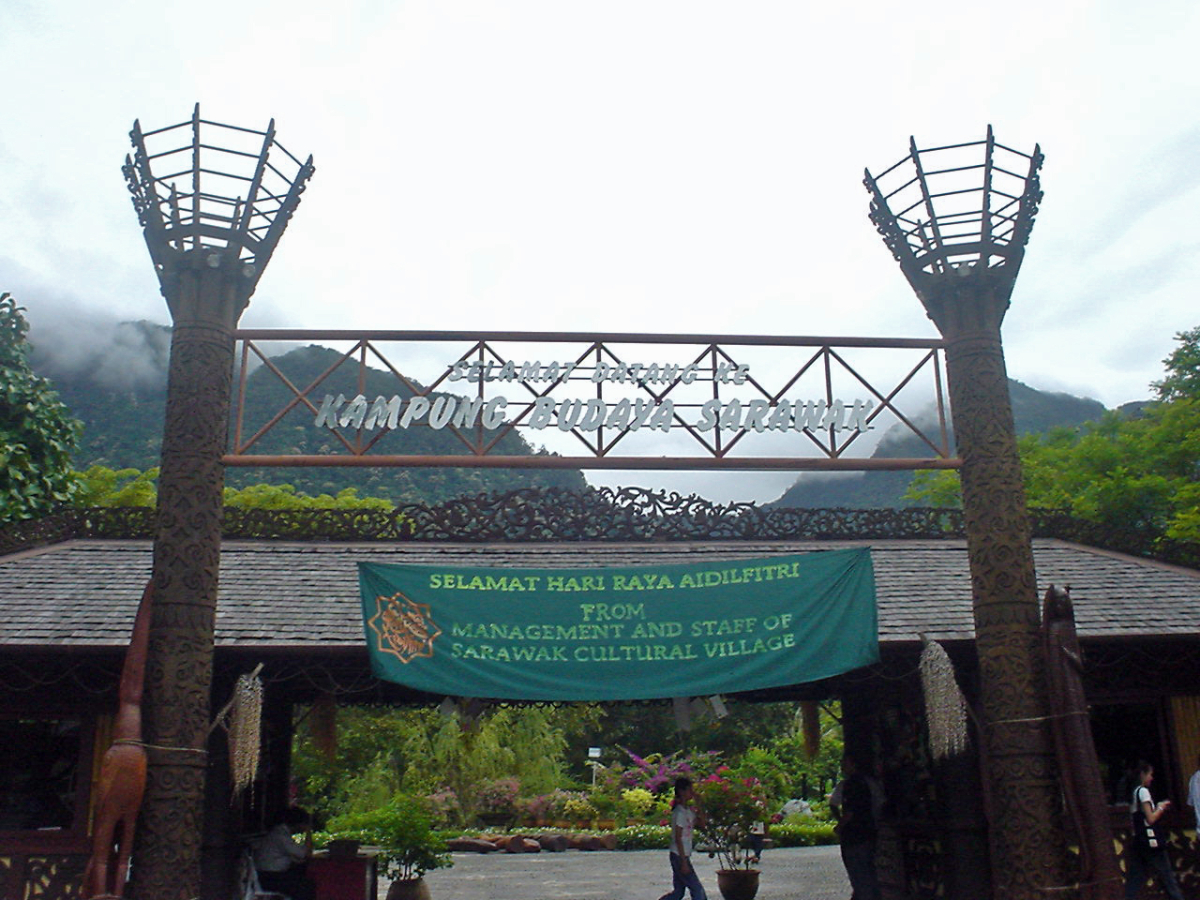
Understanding Malaysia means looking beyond a single national story. The peninsula, Sabah and Sarawak have distinct histories and communities, and visitors encounter these differences in architecture, languages, religious life and food. Use this background to interpret the places you visit; the destination and itinerary guides handle the practical choice of route.
Quick Facts
Use the Fast Facts page for national basics and the Map & Regions guide to understand the sea gap between the peninsula and Borneo. Current population, economic rankings and political officeholders are deliberately not presented as timeless travel facts here.
Geography and Regions
Malaysia is geographically divided into two main regions:
- Peninsular Malaysia (West Malaysia): The economic and cultural core, home to major cities like Kuala Lumpur, Penang, and Johor Bahru.
- East Malaysia (Borneo): Comprising the states of Sabah and Sarawak, known for biodiversity, mountains, and rainforest adventures.
Between them lies the South China Sea, connecting vibrant cities, pristine beaches, and lush jungles. Each region offers a unique travel experience — from island-hopping in Langkawi to climbing Mount Kinabalu or diving in Sipadan.
History and Cultural Heritage
The Federation of Malaya became independent in 1957. Malaysia was formed in 1963 with Sabah, Sarawak and Singapore joining Malaya; Singapore later separated in 1965. These dates explain why independence celebrations and Malaysia Day refer to different milestones. Melaka’s trading-port history and the experiences of Sabah and Sarawak should not be collapsed into one uniform colonial narrative.
Visit heritage places with attention to whose history is being told. George Town and Melaka reflect maritime trade and several communities, while Borneo’s cultural life includes many Indigenous identities. A historic building can be both an architectural subject and part of a living neighbourhood.
People and Language
Malay is the national language, while English, Chinese languages, Tamil and numerous Indigenous languages are used in different communities. Do not assume one language or custom represents everyone in Sabah, Sarawak or the peninsula. English can be useful in many visitor settings, but a saved address and a few courteous words still help.
Orang Asli refers to Indigenous peoples of Peninsular Malaysia; Sabah and Sarawak include distinct peoples with their own names and traditions. Ask how a host or community describes itself rather than applying a generic label to everyone. Arrange cultural visits through hosts who welcome them and explain the expectations clearly.
Economy and Modern Development
Malaysia’s urban and rural landscapes include manufacturing, services, plantations, fishing, tourism and other activities. A visitor sees only part of that economy. Avoid assuming a resort’s sustainability label describes the whole country, or that a striking city skyline tells you how every household lives.
For travellers, the useful distinction is practical infrastructure: city rail and services may be convenient, while remote stays still depend on road, boat and local arrangements. Plan the route using current operators rather than a general claim of effortless access.
Nature and Biodiversity
Malaysia includes lowland rainforest, mountain forest, wetlands, mangroves and marine environments. Conservation sites have different purposes: a national park, a rehabilitation centre and a private resort reserve are not interchangeable. Check who manages the place and what the visitor programme actually involves.
Support quiet observation and trained local guiding. Wildlife sightings remain uncertain, and a conservation setting does not justify touching or feeding animals. Avoid unverified claims about a percentage of the world’s species or a guaranteed encounter with rare mammals.
Climate and Best Time to Visit
Rainfall varies by coast, terrain and region. METMalaysia distinguishes northeast and southwest monsoons, with important differences within Sabah and Sarawak. Consult the Weather guide for regional climate context, then use current forecasts and operator advice for the days you will travel.
Culture, Arts, and Traditions
Malaysia’s culture is as dynamic as its cuisine. Traditional music features instruments like the gamelan and kompang, while dance forms like Joget and Mak Yong express grace and storytelling. Handicrafts such as batik, songket, and wood carving showcase artisanal skill passed through generations.
In cities, art galleries and street murals (especially in Penang and Ipoh) celebrate Malaysia’s creative spirit. Meanwhile, festivals such as the Rainforest World Music Festival in Sarawak attract global audiences who come to experience the country’s musical diversity.
Religion and Spirituality
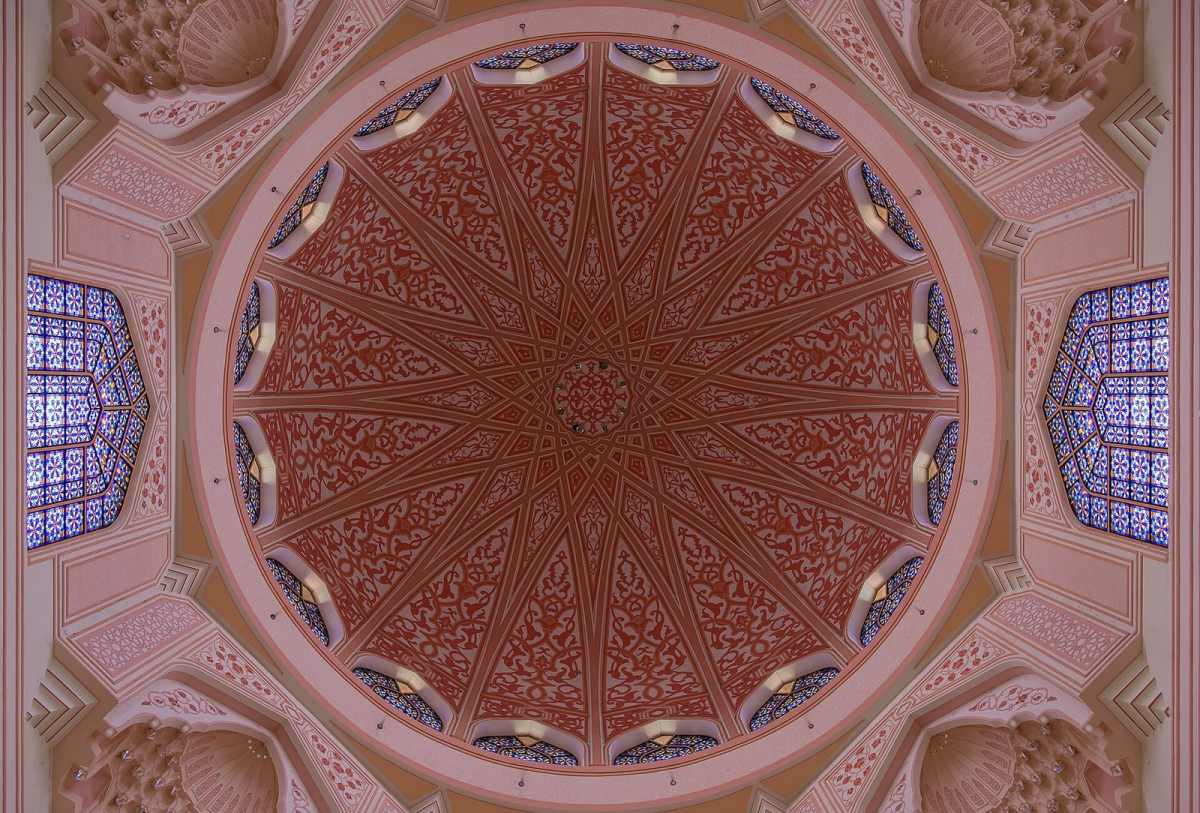
Mosques, temples, churches and other places of worship are living religious spaces. Check visiting hours, dress requirements, shoe removal and photography rules at each entrance. A site admitting visitors does not make every room or ceremony available for sightseeing.
Be patient around prayer and festivals, and ask before a close portrait. Follow the person responsible for the site rather than assuming that rules at one temple or mosque apply everywhere. A respectful visit can include learning when to put the camera away.
Food and Culinary Heritage
Malaysian cuisine is the country’s most delicious expression of diversity. Signature dishes like Nasi Lemak, Char Kway Teow, and Roti Canai bring together flavors from Malay, Indian, and Chinese traditions. Street food is an essential part of the experience — a lively, affordable, and flavorful introduction to the nation’s heart.
Tourism and Popular Attractions
Malaysia offers something for every traveler. Adventure seekers climb Mount Kinabalu or explore Taman Negara’s jungles; history lovers stroll through Malacca and George Town; beach lovers relax on Langkawi or Redang. Urban explorers enjoy shopping, rooftop bars, and fine dining in Kuala Lumpur.
The country’s efficient transportation network makes it easy to combine multiple destinations — from highlands to islands — within a single trip.
Society and Lifestyle
Malaysia’s communities are diverse in language, religion and daily routine. Avoid broad claims about a national personality or a uniform pace of life. Listen to local instructions, use people’s preferred names and make space for ordinary work and family activity in the places you visit.
Safety and Health
Use current official travel advice and the Health & Safety guide for practical risk planning. Seek individual medical advice for the itinerary and follow local warnings. A cultural overview cannot establish vaccine needs, safe water or the insurance conditions for a particular activity.
Responsible and Sustainable Tourism
Choose providers that can explain their employment, wildlife and waste practices. A word such as “eco” does not verify a programme. Ask who hosts a community visit, whether photography is welcome and how the visit supports the people whose time and space you are using.
Festivals & Events
Plan public celebrations, religious observances and ticketed performances using the full event guide. Read the Festivals & Events guide.
Museums
Choose collections, compare house museums and plan current gallery access in the dedicated guide. Read the Museums guide.
Shopping for local crafts
Compare local products, makers, shopping districts and practical packing decisions in the dedicated guide. Read the Shopping guide.
Planning sources
Use the current authority or operator information for details that can change.
- UNESCO: Melaka and George Town
- Tourism Malaysia Events & Happenings
- Islamic Arts Museum Malaysia: visit information
- Sarawak Government: Borneo Cultures Museum visitor information
Frequently Asked Questions
Why do Malaysia Day and independence celebrations differ?
Malaya became independent in 1957; Malaysia was formed in 1963. The dates refer to different milestones and should not be treated as interchangeable.
Is Borneo one cultural or travel region?
Borneo is shared by Malaysia, Brunei and Indonesia, and Malaysian Sabah and Sarawak contain many distinct communities and journeys. Ask about the specific place and host.
Can I enter a private festival gathering?
Only when invited. Public events, religious observances and private open-house hospitality have different expectations. Follow the host and site’s guidance, including photography rules.
