
Malaysia Photos & Photo Spots: Light, Locations and Practical Access
Malaysia offers city skylines, heritage streets, tea-covered hills, coastlines and rainforest scenes. Plan a photograph around the location’s actual access, the direction of light and the time needed to reach it. A national route built entirely from famous images often misses the travel days and weather that lie between them.
The examples below are location and fieldcraft suggestions, not promises of a clear sky or exclusive access. Respect worshippers, residents and working businesses. Follow local restrictions on tripods, drones, commercial photography and entry, and ask permission when a close image involves an identifiable person.
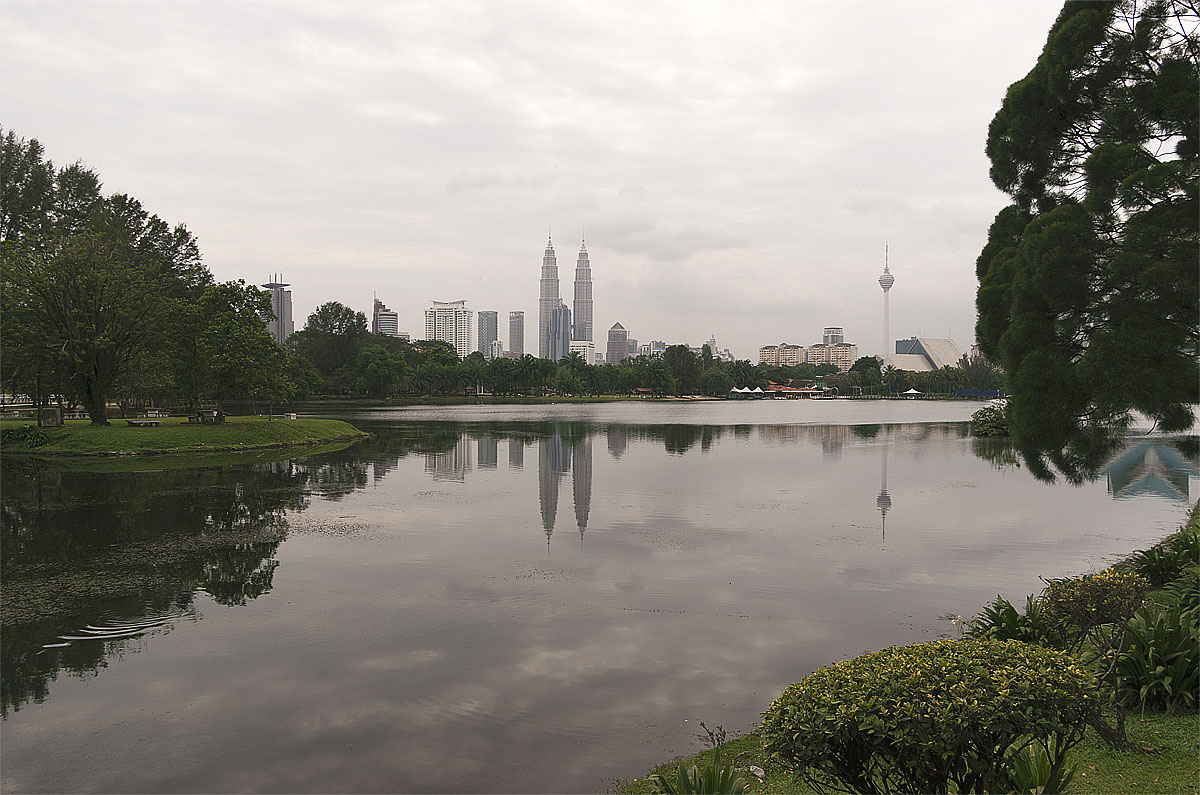
Kuala Lumpur: layers of the skyline
A good skyline photograph needs a foreground, a clear sightline and a practical viewing position. Compare a park-level view with an observation platform rather than assuming the highest point produces the strongest image. A distant platform can show the wider city but may put glass, haze or reflections between you and the subject.
Arrive with time to establish a safe position before the light changes. For blue hour, keep the return journey simple and use only a permitted tripod position. Do not obstruct a pedestrian route or climb a barrier for a cleaner frame. If lightning develops, leave exposed areas rather than waiting for a dramatic photograph.
A wet evening can still provide reflections and street detail, but protect equipment from heavy rain and keep the scene accurate in the caption. Avoid describing a view as sunrise if it was photographed after sunset simply because the colours look similar.
George Town: shophouses and daily life
Choose one street or small area and look for repetition, signs, shutters and the relationship between buildings and people. Early light can make a quieter walk comfortable, but shops may not yet be open. A later session can show more activity while also requiring patience around traffic and customers.
Keep vertical lines intentional and avoid stepping into a live road to correct the angle. Ask before photographing a trader closely and buy or move on when your presence obstructs work. A heritage street is an inhabited place, not a studio set available indefinitely to a visitor.
For interiors, check admission and photography rules. Some museums restrict flash, tripods or particular rooms. A small camera and a respectful pace often make better photographs possible than trying to carry every lens through a crowded building.
Melaka: river edges and heritage detail
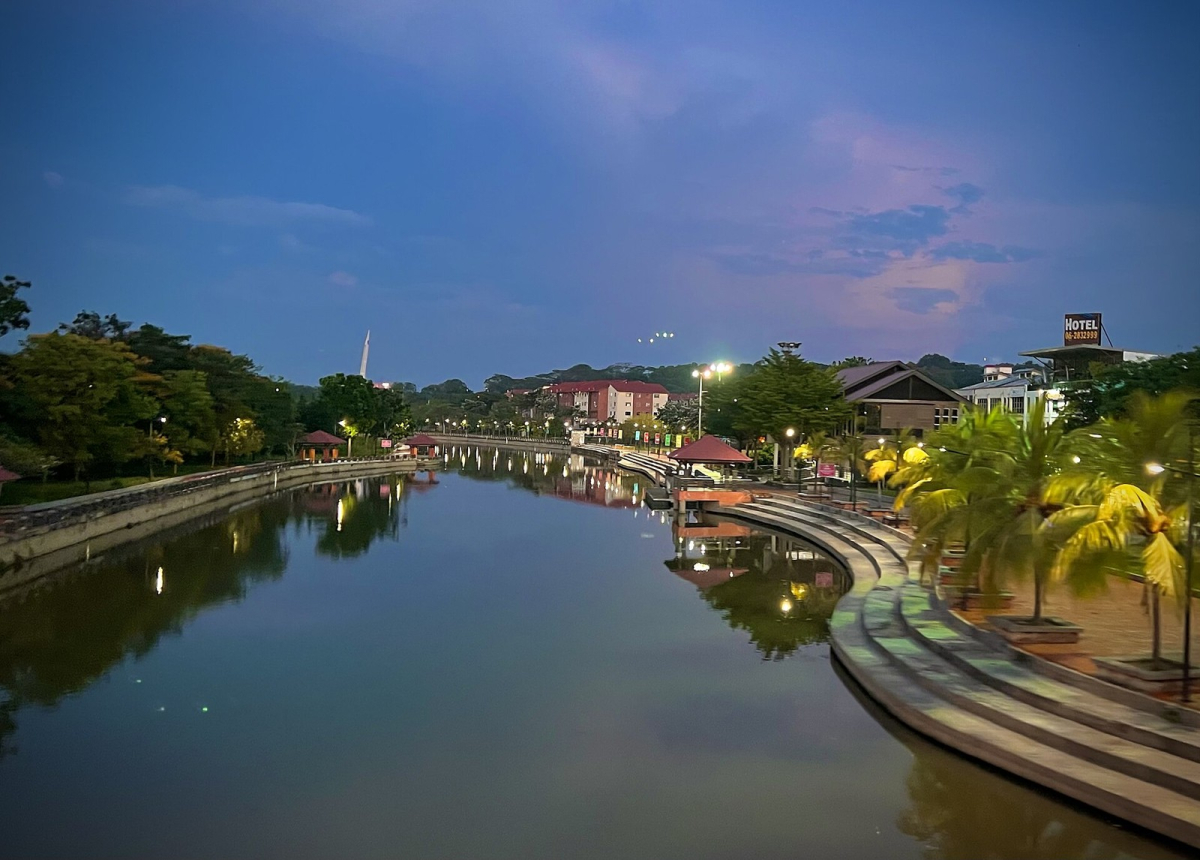
The river provides changing angles and reflections, while the historic centre offers colour, doors and layered street scenes. Walk the route in daylight before choosing a night position so you understand the ground, railings and safe return path. Keep equipment clear of the water and of passing pedestrians.
Reflections depend on weather, boat movement and lighting. A long exposure can change the appearance of moving water, so do not present the resulting image as proof that the river is always still or the street permanently empty. Captions should describe the place rather than invent an experience.
Combine a short morning session with an evening one instead of standing outdoors through the hottest hours. Keep an indoor visit between them and leave room to change plans if a storm arrives. One overnight stay can provide more useful light than an overfilled day excursion.
Cameron Highlands: tea landscapes
Tea estates photograph best when the viewpoint, cloud and foreground work together. Use a visitor area or authorised route and avoid entering working rows without permission. The green slopes in a photograph do not establish public access to every hill visible from the road.
Cloud can soften the scene or remove the distance entirely. Work with nearby layers and details when a wide panorama disappears. A telephoto view may simplify patterned slopes, while a wider composition benefits from a carefully chosen foreground rather than merely including more sky.
Road access and traffic matter. Arrange a safe stop and do not stand on a blind bend to capture a view. A guide or driver should have a clear plan for waiting and returning; the end of good light is a poor time to discover there is no ride back to your accommodation.
Langkawi and the east-coast islands
On a beach, consider tide, sea state and where the sun will actually sit relative to the shore. Not every beach faces sunset. Ask locally about safe access and avoid walking across slippery rocks or exposed edges for a composition that can be made from a safer position.
Keep a simple kit for boat travel, with dry protection and a secure way to carry it while boarding. Spray and wet landings can be more damaging than an ordinary rain shower. Confirm the operator’s baggage arrangements and do not place equipment where it blocks a life jacket or escape route.
Underwater photographs require suitable skills and equipment. Protect coral, avoid touching animals and do not chase a subject until it changes behaviour. A good wildlife image should not depend on damaging the place it celebrates.
Sarawak and Sabah: forest photography
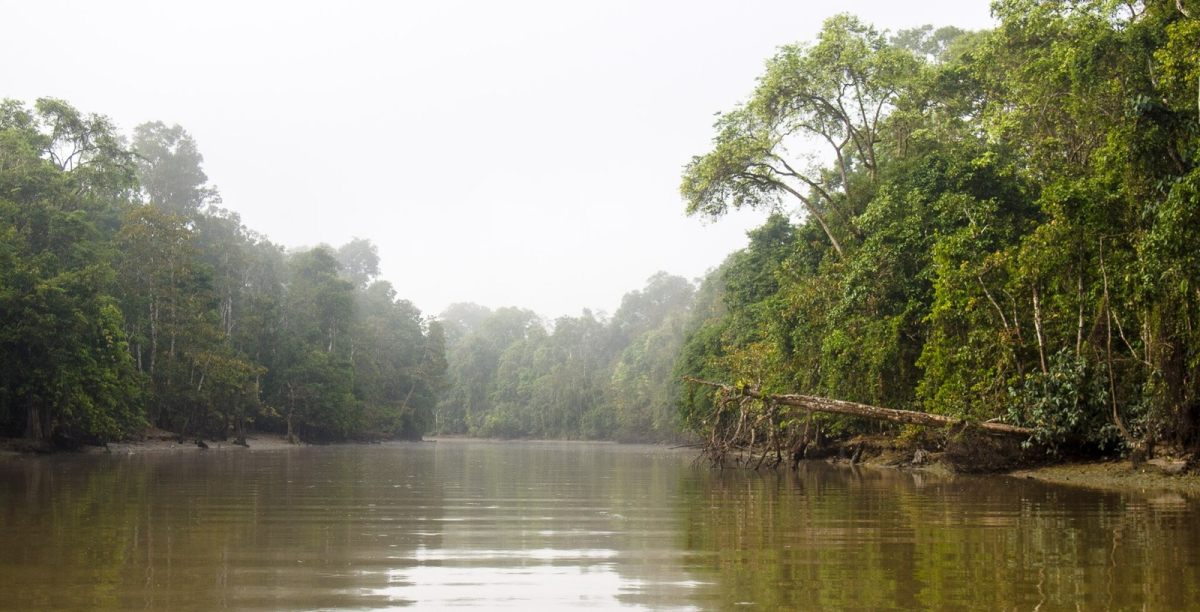
A rainforest offers detail as well as dramatic landscapes: leaves, water, textures and the scale of the canopy. Light can be low even during the middle of the day. Stabilise the camera only where permitted, watch the path and avoid stopping where a group must pass on a narrow boardwalk.
For wildlife, distance and patience are central. Binoculars help you locate a subject without moving closer, while a longer lens can preserve space. Follow the guide’s instructions on silence, positioning and flash; a photograph is never a reason to approach, feed or block an animal.
Humidity can cause condensation when moving between air-conditioned rooms and warm outdoor air. Give equipment time to adjust, keep dry storage organised and back up images when a connection and power are available. A remote lodge may not have the same charging arrangement as a city hotel.
Plan a photographic day without exhausting the trip
Allow one main early or late session rather than promising dawn and midnight every day. Travel fatigue, heat and the rest of the group’s interests matter. A slower route with two or three nights in a place creates more chances to respond to light than a sequence of one-night stays.
Save a detailed map, meeting point and return plan offline. Distinguish the photograph’s viewpoint from the landmark itself: a pin on a tower may not identify the platform from which a city view was taken. Check the current entrance and rules before carrying a large tripod there.
Image use, captions and permissions
For publication, identify the actual place, source, photographer and licence. A scenic image from Borneo should not be captioned as a particular park unless the source establishes that location. An illustrative food photograph should not imply that the dish was served by a named restaurant elsewhere in the guide.
If you plan paid, commercial or drone work, consult the relevant land manager and aviation authority. General visitor access does not automatically include every kind of filming. Keep written permissions and follow any restrictions on people, sensitive sites and wildlife.
This page’s photographs have their own credits and are used as editorial location examples. Historical views may show conditions that have changed. Plan your own visit using present access information, and keep the image’s story separate from assumptions about what every traveller will find.
Travel Tip:
Several nights in one place provide more chances at good light than a sequence of rushed one-night stops.
Planning sources
Use the current authority or operator information for details that can change.
Frequently Asked Questions
Can I fly a drone wherever visitors are allowed?
No. Visitor admission does not establish aviation or land-manager permission. Check the relevant authority and site rules for the actual equipment and purpose.
Should I use flash for forest wildlife?
Follow the guide and site’s instructions. Keep distance and avoid changing an animal’s behaviour for a photograph; observation and a longer lens are better starting points.
Do I need a different base every night for good photographs?
Several nights in one area give more chances to respond to light and weather. A slower route often produces better opportunities than repeated travel days.
