
Walking & National Parks in Malaysia: Choose the Right Terrain
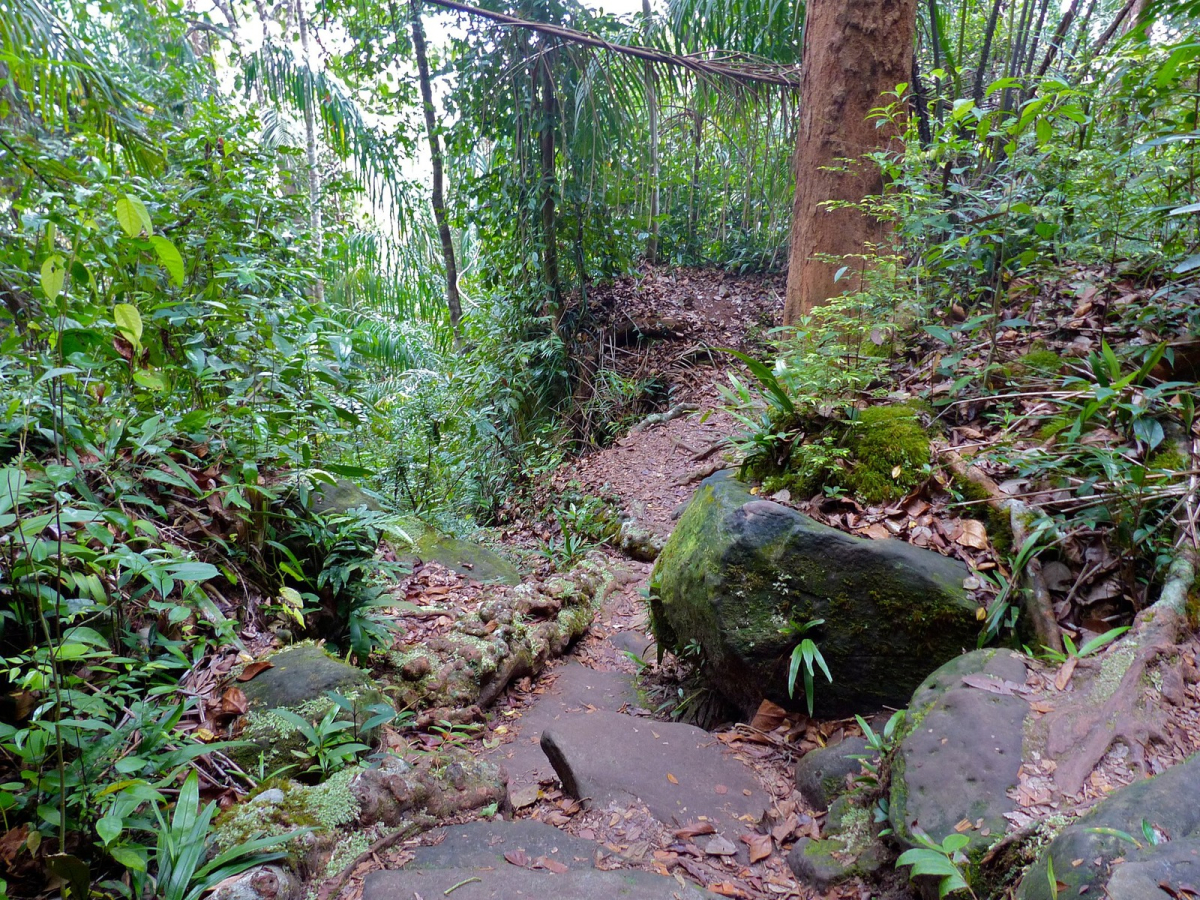
Malaysia’s outdoor trips range from a short urban-edge walk to controlled mountain climbs and multi-day cave approaches. Choose the terrain, gateway and support before choosing a famous name. A national park label does not tell you whether a route is flat, guided, open or close to a road. Heat, humidity, rain and the time needed to get back can make a short distance more demanding than expected.
Use the comparisons below to match an outing to your group. They describe trip styles, not current trail-clearance notices. Obtain the latest route, permit, guide and boat information from the managing authority or a suitable operator. A visitor centre’s admission ticket is not automatically a permit for every trail. Keep protected-area decisions separate from the general travel advisory and from the activity cover in your insurance policy.
| Place | Trip style | Main planning dependency |
|---|---|---|
| Taman Negara | Forest base and chosen trails | Registration, current route |
| Penang National Park | Coastal forest walk | Trail access and return |
| Bako | Boat and forest trails | Sea, tide and walking time |
| Mulu | Show caves or specialist routes | Separate transport and guided booking |
| Kinabalu | Lower trails or summit climb | Different permits and preparation |
| Niah | Cave and archaeology outing | Approach, light and route access |
Swipe or scroll the table sideways if needed.
Taman Negara: forest walks from Kuala Tahan
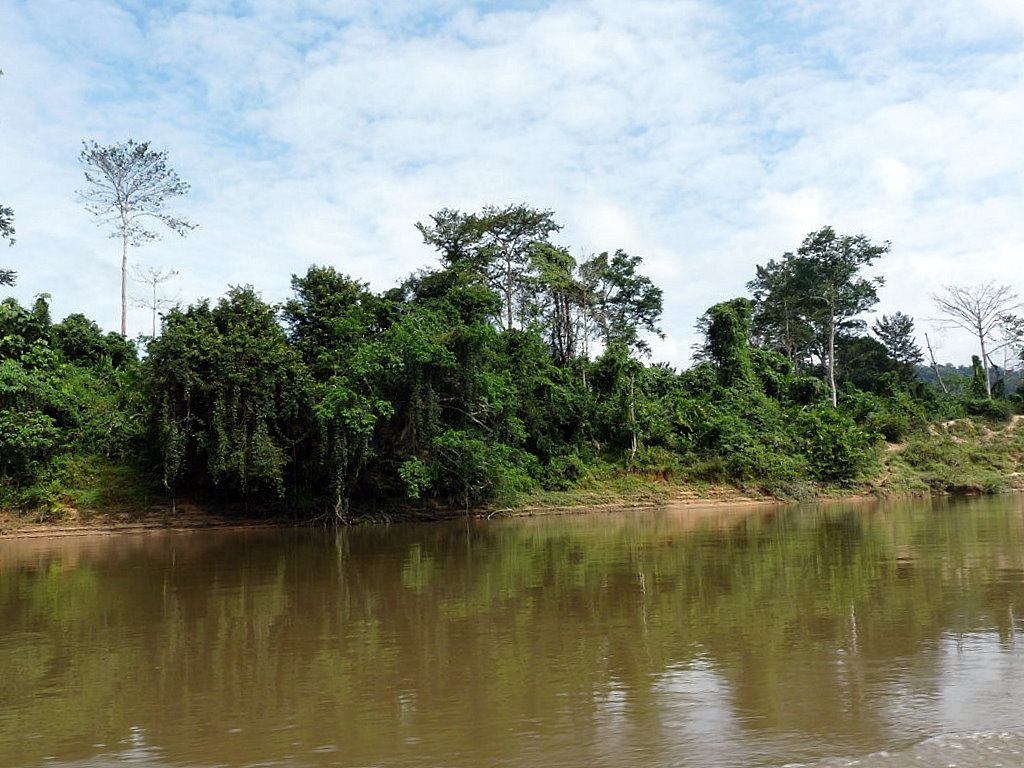
Kuala Tahan is a practical gateway for a forest stay in Taman Negara. Shorter trails and guided interpretation can introduce the environment without committing to a long expedition. Think in terms of a base, the correct crossing or access point and the specific route, rather than expecting every attraction shown in an old itinerary to be operating. A canopy walkway has its own access and maintenance conditions and should not be the only reason for a non-refundable journey.
Arrange the return stage before setting out. Wet roots, steps and muddy sections can slow even experienced walkers, and tropical humidity changes water and rest needs. Ask which parts need registration or a guide and where the group must turn back. A river activity is a separate decision involving water and boat conditions. The quieter value of a forest visit can be learning to recognise sounds, plants and tracks; it does not require a promise of large-animal sightings or a difficult overnight trek.
Penang National Park: coastal trails from Teluk Bahang
Penang National Park offers an outdoor option from the island’s northwestern side. It is different from a resort beach day: reaching a coastal destination on foot can involve heat, roots, uneven ground and a return that feels harder than the outward walk. Confirm which trails and facilities are open at the park entrance. Do not infer present access from an old Monkey Beach or Pantai Kerachut tour listing.
Decide whether you will walk both ways or use a currently permitted boat arrangement, and understand what happens if the sea changes. A one-way boat plan is not a guaranteed rescue from fatigue. Keep enough drinking water, sun protection and daylight for the route agreed with the park. Shoreline swimming needs separate local advice; reaching an attractive beach does not establish that entering the water is appropriate. If the group mainly wants a gentle coast afternoon, a road-accessible beach may be a more suitable choice than a forest trail ending at the sea.
Bako National Park: boat access and varied paths
Bako combines forest, coastal landforms and wildlife observation within an outing that normally depends on boat access from the Kuching area. Start with the current registration and boat instructions, including the landing and return. Sea and tide conditions can alter the practical day. A route should fit the time available after arrival rather than being selected only by its advertised distance. Ask the ranger or guide which trail is suitable that day.
The park’s paths are not uniformly easy. Roots, steps, exposed rock and humidity can make a short walk strenuous for a visitor expecting a level promenade. Wildlife should be observed at a distance; keep food secured and do not feed animals for photographs. A guide can add interpretation and help match the pace to conditions, but does not guarantee a particular sighting. Keep a fallback day in Kuching if boat access is unsuitable and avoid an essential flight immediately after a weather-sensitive return.
Gunung Mulu: show caves and more demanding routes
Mulu deserves its own transport and accommodation plan. It is not an easy excursion from Kuching simply because both places are in Sarawak. Distinguish managed show-cave visits and boardwalks from adventure caving and longer routes such as the Pinnacles. These involve different equipment, fitness, timing and guiding requirements. Book the activities that matter through the park or an appropriate operator and confirm how they connect to your arrival and departure.
Even a managed route can include slippery surfaces, stairs and periods of standing. Ask about the actual cave, walk length and light conditions if anyone has mobility, balance or enclosed-space concerns. Bat emergence is a natural event, not a scheduled performance with guaranteed visibility. Allow flexibility for weather and park decisions. Carry a suitable light when instructed, protect electronics from moisture and follow restrictions that protect cave formations and wildlife. Do not touch or collect features merely because a path brings them within reach.
Kinabalu Park: lower trails and the summit are different trips
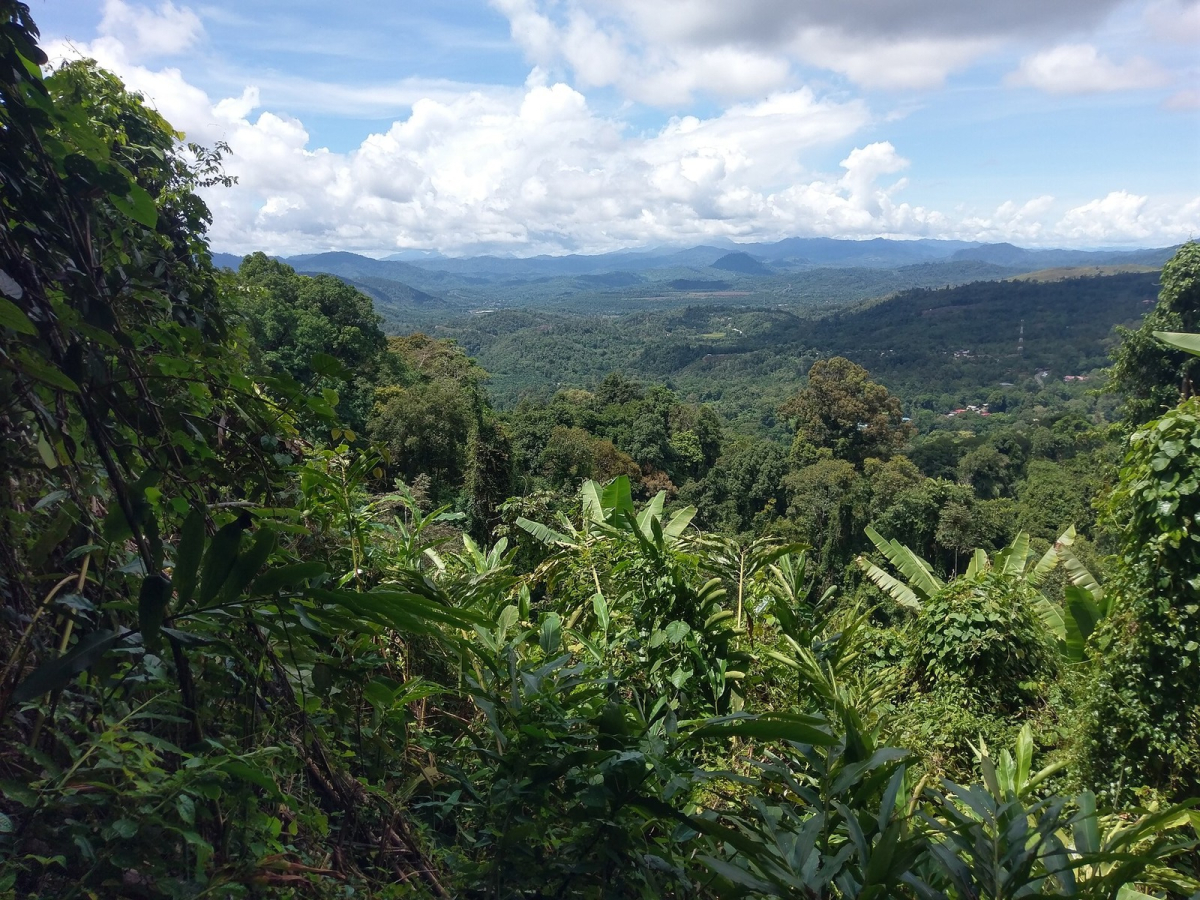
Kinabalu Park can be worthwhile without a summit climb. A visitor interested in mountain vegetation and a less strenuous outing should ask about currently open lower-level trails and guided interpretation. A cooler setting than the coast does not remove rain or make every path dry. Plan road transport from the actual Sabah base and allow time for a meal and changing conditions rather than treating the journey as a brief city transfer.
Climbing Mount Kinabalu is a separate undertaking requiring advance arrangements, a registered mountain guide, appropriate preparation and park clearance. The summit route is not an extension you can casually add after an afternoon walk. Accommodation availability, altitude, weather and turnaround decisions all matter. Check the policy’s altitude and evacuation conditions before paying. A clear forecast for Kota Kinabalu does not determine summit access. Visitors who choose the park’s lower routes should not feel that they have missed the destination by declining a specialist climb.
Niah: archaeology, caves and a real walking allowance
Niah offers a different emphasis from a scenic viewpoint: the relationship between caves, archaeology and human history is central to the visit. Use the managing authority’s current route and guide information to plan the approach from the Miri area. The walk, any crossing and movement through cave areas make this more than a quick stop beside a car park. Ask which spaces are open and which require additional arrangements.
Prepare for humidity, variable light and surfaces that may be slippery. Bring the equipment the operator recommends and keep hands free where balance matters. A torch on a phone may not be an adequate substitute for a suitable light on a route that requires one. Give interpretation time rather than rushing through for a photograph of a cave entrance. Visitors uncomfortable with darkness or longer walks should discuss a shorter realistic option before travelling. Respect archaeological and cultural restrictions, stay on the permitted route and never remove objects or disturb deposits.
Choose equipment, a guide and a turnaround plan
For a short walk, start with footwear that grips, sufficient water, a rain layer and a way to protect essentials from moisture. The exact kit depends on the site and route; a mountain climb and a short boardwalk should not share an automatic packing prescription. Tell the guide about relevant limitations before setting off. Agree on pace, breaks, turnaround time and what the group will do if a participant needs to stop. Save the operator contact and accommodation address offline where signal may be limited.
Longer or remote routes need more preparation, current local knowledge and a communication plan. Do not rely on a map line as evidence that a trail is maintained or permitted. Follow closures even when an old review describes an attractive shortcut. Leave wildlife space, carry rubbish out and use appropriate sanitation arrangements. A shorter well-interpreted outing can be the more rewarding choice in poor conditions. Change the day’s plan early rather than allowing a prepaid activity or a social-media photograph to determine a safety decision.
Travel Tip:
Ask about the actual terrain, current access and turnaround plan before choosing a route.
Compare Bako day tours on GetYourGuide
We may earn a commission when you book through this GetYourGuide link.
This opens GetYourGuide results with the relevant listing highlighted. Select the matching activity and check current dates, pickup or meeting point, admission, equipment and cancellation terms. A search result is not a confirmed booking.
Continue planning: Health & Safety · Getting Around.
Planning sources
Official information checked on 28 October 2026. Confirm changing conditions for your own visit.
Frequently Asked Questions
Do short park routes always mean easy walking?
No. Roots, steps, humidity and rain can make a short distance demanding. Ask about the actual terrain and current trail condition.
Is Kinabalu Park the same as a summit booking?
No. Lower park trails and the summit climb are different outings. A climb needs its own arrangements, guide, preparation and current park clearance.
Will a Bako or Mulu visit guarantee wildlife?
No. Observe patiently and follow the guide or park instructions. Boats, trail access and natural events can change with conditions.
