
Sign in
For Photos4Travel editors and team members.
Dominican Republic · Itineraries
Dominican Republic Itineraries: 7, 10, 14 & 21 Days
A Dominican Republic itinerary needs to account for the nights between the attractions. These routes use seven, ten, fourteen and twenty-one calendar days, with arrival on day one and departure on the final day. They therefore contain six, nine, thirteen and twenty nights respectively. Match that convention to your actual flight dates before reserving rooms.
The routes are editorial planning models, not guided-tour timetables. They use the geography and destination roles described by the national tourism authority. Transfer days are deliberately visible; road times, departures and activity availability must be checked for your dates. Use Map & Regions alongside them.
Compare the four routes
Swipe or scroll sideways to compare the full table.
| Trip length | Overnight allocation | Total nights | Suggested flight framework |
|---|---|---|---|
| 7 days | Santo Domingo 2 + Bayahibe 4 | 6 | Arrive SDQ; compare PUJ or SDQ departure |
| 10 days | Santo Domingo 2 + Bayahibe 3 + Punta Cana 4 | 9 | Arrive SDQ; depart PUJ |
| 14 days | Santo Domingo 2 + Samaná 5 + Jarabacoa 3 + Cabarete 3 | 13 | Arrive SDQ; compare POP departure |
| 21 days | Santo Domingo 3 + Barahona 2 + Pedernales 3 + Santo Domingo 1 + Jarabacoa 3 + Cabarete 3 + Samaná 4 + Santo Domingo 1 | 20 | Arrive and depart SDQ |
7 days: Santo Domingo and Bayahibe
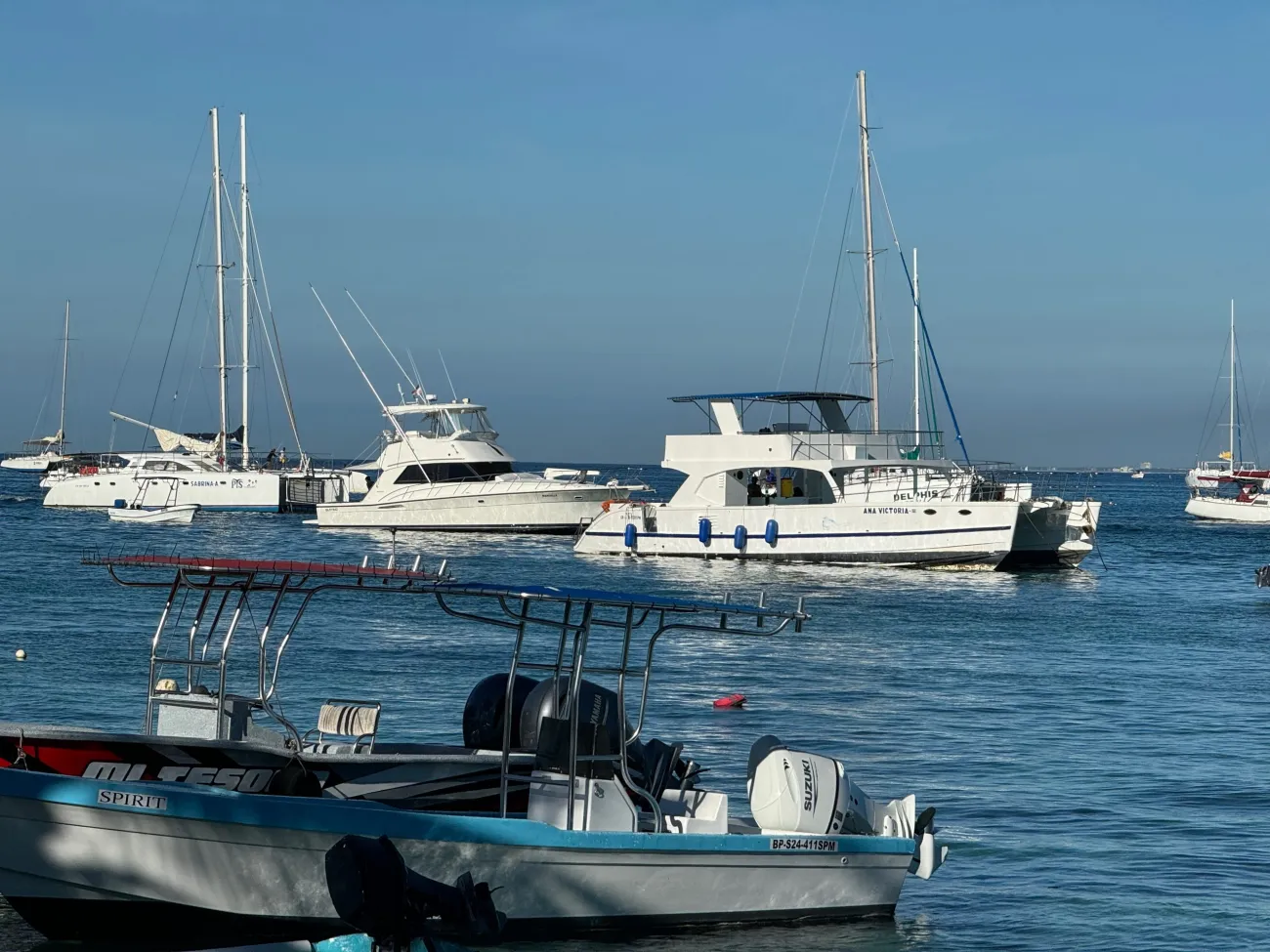
Photo: Oleg Yunakov · 2023 - Bayahíbe - 06.jpg · CC BY-SA 4.0. Resized.
Days 1–2, nights 1–2: Santo Domingo. Arrive, settle in and keep the first day realistic for your flight. Use the full second day for the Colonial City, with a museum or guided walk that matches your interests. If arrival is late, do not make an important paid booking that evening.
Day 3, night 3: move to Bayahibe. Treat this as a transfer and orientation day. Check in, find the beach entrance or village restaurants and confirm the meeting point for the next excursion. This is not the day to depend on fitting a boat departure after an uncertain road journey.
Days 4–6, nights 4–6: Bayahibe. Reserve one day for a Saona excursion if you want the boat experience. Keep another for the mainland beach or a separately arranged dive, and leave the third flexible. The official Saona guide identifies Bayahibe as the usual departure area, but individual products differ.
Day 7: departure. Compare the full transfer to your actual airport with the flight time. If the departure is too early for a comfortable same-day journey, move the sixth night closer to the airport; take that night from Bayahibe rather than adding an uncounted seventh hotel night.
This route suits travelers who want history and beach time without repeatedly packing. If the entire purpose is an all-inclusive break, six nights in one resort may be a better use of the week. Choose the city because you want it, not because every itinerary appears to include it.
10 days: the capital, an island gateway and Punta Cana
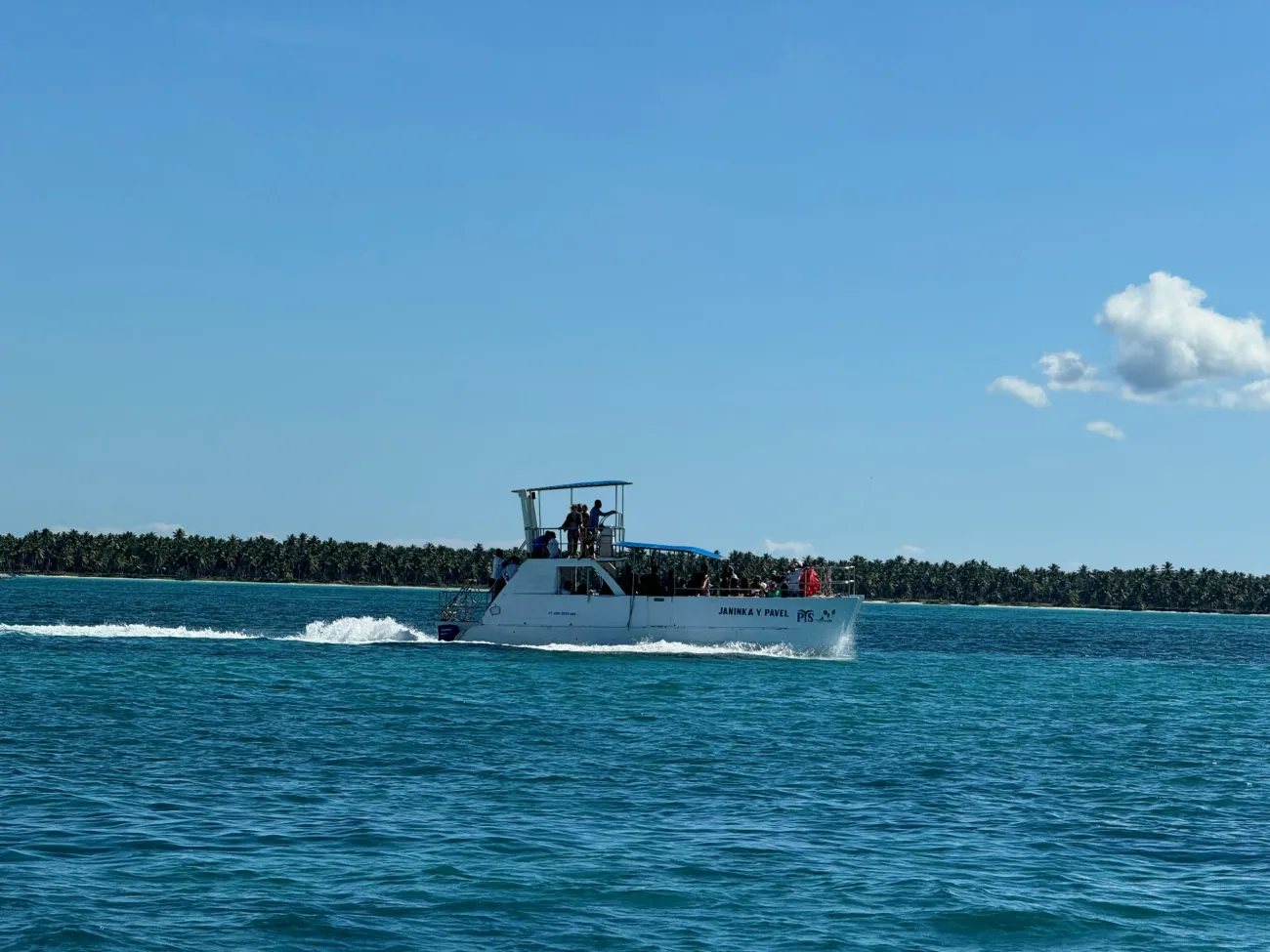
Photo: Oleg Yunakov · 2023 - Catuano, Dominican Republic - 01.jpg · CC BY-SA 4.0.
Days 1–2, nights 1–2: Santo Domingo. Use the same city start, allowing a proper sightseeing day after arrival. Book accommodation for the district you want to explore, not simply a broad capital-city address.
Days 3–5, nights 3–5: Bayahibe. Transfer on day three. Use day four for the main island or marine excursion and day five for a lower-key beach, village or mainland-park plan. Decide whether the booked experience requires equipment, swimming ability or a particular early meeting point.
Days 6–9, nights 6–9: Punta Cana. Make day six the hotel-transfer day. The remaining three full days can focus on the resort and one selected outing rather than another collection of long road pickups. Check the accommodation's included activities before buying duplicates outside it.
Day 10: depart through PUJ. Arrange the transfer from the actual resort location. A hotel using the Punta Cana name can be some distance from another property with the same destination label.
Bayahibe and Punta Cana both offer coastal stays. Keeping both makes sense when island-departure convenience and a particular resort are distinct priorities. If they would serve the same purpose for you, use two nights in Santo Domingo and seven in one coastal base instead. The total remains nine nights, with one fewer move.
A different ten-day holiday can combine two nights in Santo Domingo with seven on the Samaná Peninsula, using SDQ flights if they fit. This is an alternative route, not an extra northeast detour within the southeast plan.
14 days: Samaná, mountains and the north coast
Days 1–2, nights 1–2: Santo Domingo. Start with the city and recover from the journey. Confirm your onward transport while you have a flexible city day.
Days 3–7, nights 3–7: Samaná Peninsula. Travel on day three and choose one peninsula base for all five nights. Use the following days for a beach outing, Los Haitises or El Limón and time near your accommodation. The official peninsula overview helps distinguish the experiences. During the usual whale season, make an authorized whale trip a priority and keep another day available if conditions change.
Days 8–10, nights 8–10: Jarabacoa. Reserve day eight for the move inland; do not build it around a fixed afternoon adventure departure. Use the two full days for a suitable waterfall outing, rafting or a guided activity chosen for your group. This stay does not contain an automatic Pico Duarte trek.
Days 11–13, nights 11–13: Cabarete. Move to the north coast on day eleven. The two full days can hold a surf or kite lesson, beach time or a separately planned Puerto Plata visit. Stay near the activity you intend to repeat and arrange transport for anything farther away.
Day 14: departure. This route works best when a suitable POP flight is available. If your return must use SDQ, reassess the final stage. One option is to reduce Cabarete to two nights and spend night thirteen in Santo Domingo, keeping the total at thirteen rather than relying on a long transfer before an early flight.
This is a varied four-base trip. If you prefer a slower pace, drop Jarabacoa and distribute those three nights between the two coastal regions. Do not keep the same number of excursions simply because the hotel changes disappeared.
21 days: add the southwest without hiding the long journeys
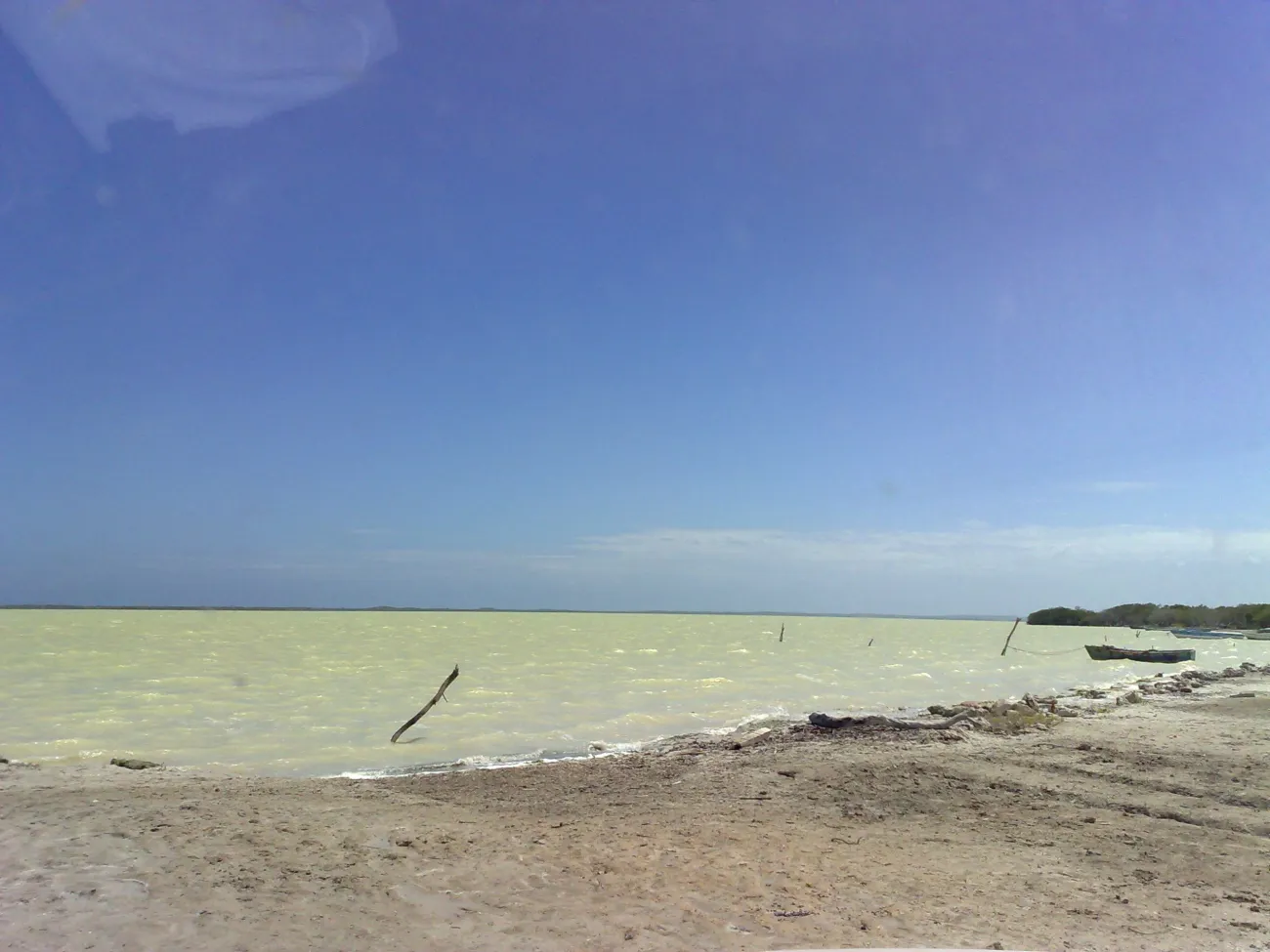
Photo: Scmjht · Laguna de Oviedo.jpg · CC BY-SA 3.0.
Days 1–3, nights 1–3: Santo Domingo. Allow two full city days after arrival. Use the extra time for a museum, food or another outing that interests you rather than rushing to leave immediately.
Days 4–5, nights 4–5: Barahona. Travel southwest on day four. Use day five for a selected coastal or river outing with local advice on access and water conditions. The Barahona guide describes a stone-coast and mountain setting that differs from eastern resort beaches.
Days 6–8, nights 6–8: Pedernales area. Move farther southwest on day six. Reserve one full day for authorized Bahía de las Águilas arrangements and keep the other for a suitable nature outing or a weather alternative. Check accommodation, supplies and transport rather than expecting resort services on the protected beach.
Day 9, night 9: Santo Domingo. Make this a deliberate return-and-rest stage. It breaks the journey before heading into a different part of the country; do not fill it with an inflexible paid program.
Days 10–12, nights 10–12: Jarabacoa. Transfer on day ten and allow two full mountain days. Choose activities after discussing suitability and conditions. A guided multiday summit trek requires rewriting this allocation, not quietly inserting camp nights into hotel nights already assigned.
Days 13–15, nights 13–15: Cabarete. Move north on day thirteen. Use the next days for the sports, beach or city experiences that make this region worthwhile for you.
Days 16–19, nights 16–19: Samaná Peninsula. Transfer on day sixteen and allow three full days in one base. Choose two principal outings and leave the rest adjustable.
Day 20, night 20: Santo Domingo; day 21: departure. Return near the departure gateway before the final day. Choose the twentieth-night location for the actual airport and transfer, while allowing enough time on day twenty to arrive without another ambitious excursion.
The twenty nights are three plus two plus three plus one plus three plus three plus four plus one. This is the broadest route here and contains several substantial travel days. If the southwest is not a main interest, spend the recovered nights in fewer bases instead of replacing every removed stop with another destination.
Adapt the route before you reserve it
Check transport, accommodation and the hardest-to-arrange activity together. A route that looks neat on paper is incomplete until the arrival times and booking conditions work. Compare the complete budget in Travel Costs & Money, and use Getting Around for the transport choices.
Families and anyone who finds frequent changes tiring can keep the same number of nights while reducing bases. Photographers may prefer a second morning in one place over reaching another coast. For a specialist sport or trek, build around that commitment and accept seeing fewer regions.
Itinerary questions
How many nights are in these routes?
Seven, ten, fourteen and twenty-one days contain six, nine, thirteen and twenty nights here. Arrival is day one and departure the final day; check your actual flight dates.
Must I use different arrival and departure airports?
No. Compare the flights and complete transfer cost. If returning to the original airport, move the final overnight when necessary and keep the total count correct.
Is Pico Duarte included in the mountain nights?
No. These are base-stay allocations. A guided summit trek needs its own camp nights, equipment and logistics, replacing other days in the route.
Can I do the southwest from Punta Cana as a day trip?
Do not treat it as a convenient extra beach outing. The southwest route needs dedicated travel time and overnight planning.
What should I remove if the route feels rushed?
Remove a whole region or base before shortening every stay. Keep the experiences that motivated the trip and retain a flexible day around weather-sensitive plans.
Last updated: