
Food & Drink in the Dominican Republic
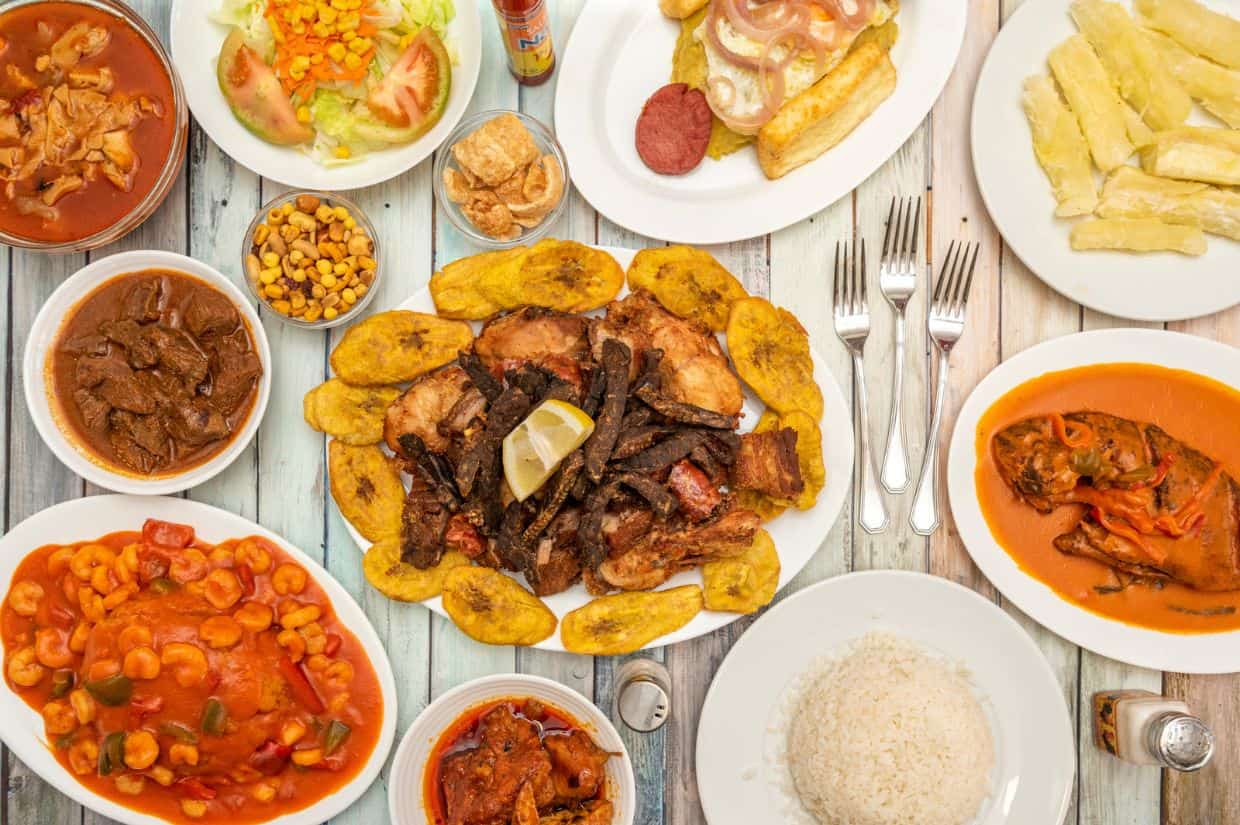
Food and drink in the Dominican Republic reflect the country’s cultural roots, climate and agricultural richness. Dominican cuisine is based on simple ingredients, slow-cooked dishes and strong family traditions, offering travelers an authentic and comforting food experience rather than fine-dining formality.
This guide explores what to eat and drink in the Dominican Republic, from everyday local meals to regional specialties, street food and traditional beverages.
Understanding Dominican Cuisine
Dominican food is shaped by Spanish, African and indigenous Taíno influences. Meals often revolve around rice, beans, plantains, meats and fresh vegetables, prepared in hearty and satisfying ways.
Portion sizes are generous, flavors are balanced rather than spicy, and meals are typically enjoyed slowly, often shared with family or friends.
Traditional Dominican Dishes
Several dishes form the backbone of Dominican cuisine and are commonly eaten across the country.
La Bandera Dominicana is considered the national dish. It consists of rice, red beans and meat, usually chicken or beef, served with salad or fried plantains. It represents the colors of the national flag and is widely eaten as a midday meal.
Sancocho is a rich stew made with multiple meats, root vegetables and plantains. Often prepared for special occasions, it is one of the most traditional and filling Dominican dishes.
Mangu, made from mashed green plantains, is a breakfast staple typically served with eggs, cheese or salami. It is simple, nourishing and deeply rooted in daily life.
Seafood and Coastal Specialties
Given its extensive coastline, seafood plays an important role in Dominican cooking. Fresh fish, shrimp, lobster and shellfish are widely available in coastal regions.
Popular seafood preparations include grilled fish, seafood stews and fried fish served with rice and tostones. Coastal towns often offer the freshest seafood, prepared in straightforward, flavorful ways.
Street Food and Casual Eating
Street food provides insight into everyday Dominican life. Vendors sell snacks such as fried empanadas, pastelitos, roasted corn and plantain-based treats.
Street food is generally affordable and widely enjoyed by locals. Travelers should choose busy stalls with high turnover for the best experience.
Fruits and Fresh Ingredients
Tropical fruits are abundant in the Dominican Republic. Mangoes, papaya, pineapple, bananas and passion fruit are widely consumed fresh or blended into juices and smoothies.
Fruit stands and local markets offer seasonal produce and provide a colorful and authentic food experience.
Drinks in the Dominican Republic
Beverages play an important role in daily life. Fresh fruit juices are common and often made to order. Coffee is widely consumed, particularly locally grown varieties from mountainous regions.
The Dominican Republic is internationally known for its rum. Local rum is used in cocktails or enjoyed on its own, often during social gatherings.
Beer is also popular, with light lagers commonly served ice-cold in bars and restaurants.
Dining in Cities vs Resort Areas
In cities such as Santo Domingo and Santiago, travelers can find a wider variety of dining options, including traditional eateries, international cuisine and modern restaurants.
Resort areas often focus on international menus, though local dishes are usually available. Exploring restaurants outside resort complexes offers a more authentic culinary experience.
Food Safety and Dining Tips
Food hygiene standards vary by location. Established restaurants and busy local eateries generally maintain good standards.
Travelers with sensitive stomachs may prefer bottled water and cooked foods. Basic precautions help ensure a comfortable dining experience.
For broader health and safety considerations, see Is the Dominican Republic Safe for Tourists?.
Food Experiences and Cultural Connection
Food is closely connected to Dominican hospitality. Meals are social events, often accompanied by music, conversation and shared time.
Trying local dishes, visiting markets and engaging with food traditions allows travelers to connect more deeply with Dominican culture.
Combining Food with Travel Experiences
Food experiences vary by region. Coastal areas highlight seafood, while inland regions focus on stews, fresh produce and traditional cooking.
For regional context, explore Top Destinations in the Dominican Republic and activity ideas in Things to Do in the Dominican Republic.