
User login
Sustainable Tourism in the Dominican Republic
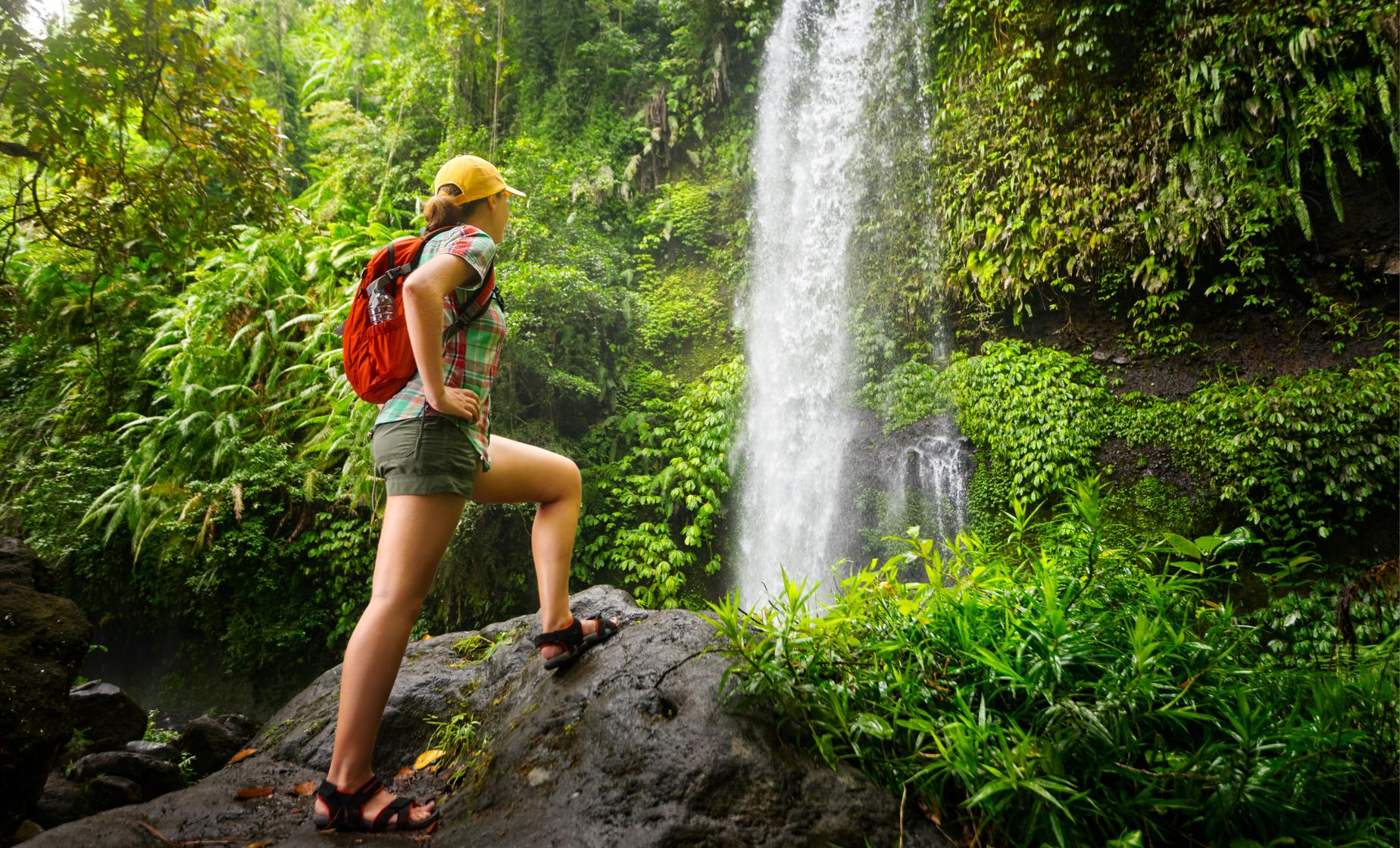
Sustainable tourism in the Dominican Republic focuses on protecting natural landscapes, supporting local communities and encouraging responsible travel practices. As one of the Caribbean’s most visited destinations, the country balances tourism growth with the need to preserve ecosystems, cultural heritage and everyday local life.
This guide explains how sustainability is approached in the Dominican Republic and how travelers can make thoughtful choices that benefit both the destination and their travel experience.
Why Sustainable Tourism Matters
The Dominican Republic is home to diverse environments, including coral reefs, tropical forests, mountain ranges and coastal wetlands. Tourism plays a major role in the national economy, but unmanaged travel can place pressure on natural resources and local infrastructure.
Sustainable tourism helps protect these environments while ensuring that tourism benefits local communities rather than replacing them.
Protecting Natural Environments
Many of the country’s most valuable natural areas are protected through national parks, marine reserves and conservation zones. These areas help preserve biodiversity and support eco-friendly travel experiences.
Visitors are encouraged to respect wildlife, avoid damaging coral reefs, stay on marked trails and follow local guidance when exploring natural areas.
Responsible Beach and Marine Tourism
Beaches and marine ecosystems are central to tourism in the Dominican Republic. Sustainable practices include reducing plastic waste, respecting nesting areas and choosing operators that follow responsible boating and snorkeling guidelines.
Travelers can learn more about coastal environments in Beaches in the Dominican Republic.
Community-Based and Local Experiences
Supporting locally owned businesses is one of the most effective ways travelers contribute to sustainability. Family-run guesthouses, local guides, small restaurants and craft markets help keep tourism revenue within communities.
Participating in community-based experiences offers deeper cultural insight and promotes respectful interaction between visitors and residents.
Sustainable Accommodation Choices
Accommodation plays a key role in sustainable travel. Eco-lodges, small guesthouses and properties that reduce energy and water use contribute to lower environmental impact.
Travelers can explore responsible stay options and region-based guidance in Accommodation in the Dominican Republic.
Reducing Environmental Impact While Traveling
Simple actions significantly reduce environmental impact. Using refillable water bottles, limiting single-use plastics and conserving water and electricity help protect local resources.
Choosing shared transportation or combining destinations to reduce travel distances also supports sustainability.
Transportation and Sustainability
Transportation choices affect carbon footprint and congestion. Using organized transfers, shared transport and efficient routing reduces unnecessary emissions.
For practical guidance on moving responsibly, see the Transportation Guide for the Dominican Republic.
Respecting Culture and Local Life
Cultural respect is a key component of sustainable tourism. Learning basic local customs, supporting cultural sites and engaging respectfully with communities strengthens positive tourism relationships.
Music, food and traditions are integral to Dominican identity. Participating respectfully allows travelers to enjoy authentic experiences without disrupting daily life.
Food Choices and Sustainability
Eating locally sourced food supports farmers and reduces the environmental impact of imported goods. Traditional Dominican cuisine relies on regional ingredients and seasonal produce.
Travelers can explore local culinary traditions in Food & Drink in the Dominican Republic.
Wildlife and Nature Experiences
Nature-based activities such as whale watching, hiking and snorkeling are popular in the Dominican Republic. Responsible operators follow guidelines designed to protect animals and habitats.
Travelers should choose licensed guides and avoid activities that exploit wildlife or damage ecosystems.
How Travelers Can Make a Positive Impact
Sustainable travel does not require perfection, but conscious decision-making. Travelers can make a positive impact by supporting local businesses, respecting nature and remaining informed.
Even small actions contribute to preserving the Dominican Republic for future visitors and local communities.
Building a Sustainable Travel Experience
Combining beach stays with inland exploration, cultural experiences and community-based activities creates a more balanced and meaningful journey.
For ideas on responsible activities, explore Things to Do in the Dominican Republic and regional highlights in Top Destinations in the Dominican Republic.