
GREECE · ATHENS GUIDE
About Athens: History & Culture
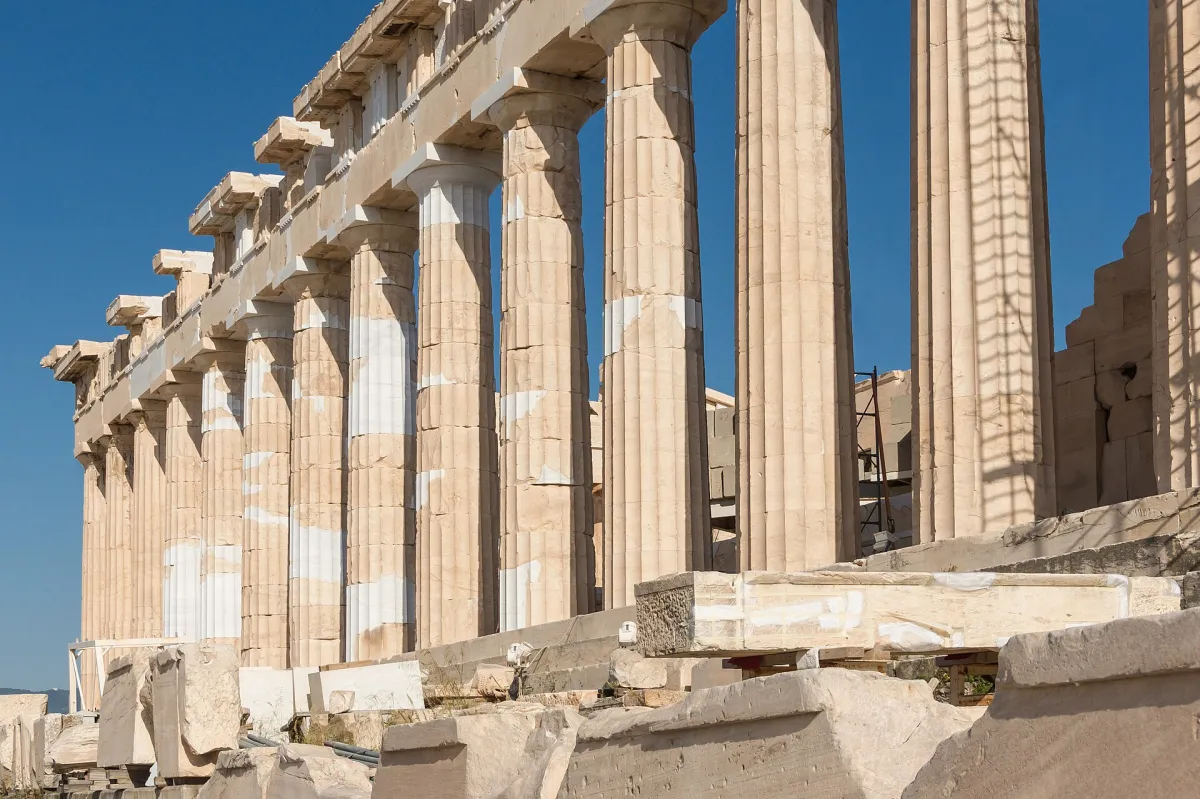

Athens is easier to appreciate when its history becomes a way to read the city rather than a list of dates. Ancient monuments, later religious buildings, nineteenth-century institutions and contemporary neighbourhood life occupy the same urban landscape. What survives is only part of the story: museums and interpretation explain what is missing or has changed.
Use this page for context. Attractions covers the practical choice of places to visit, while Itineraries turns those choices into realistic days.
The Ancient City and Its Civic Life
The Acropolis was a sacred centre, while the Agora served civic, commercial and social functions below. Seeing both helps avoid treating ancient Athens as one isolated temple. The Parthenon belongs to a wider complex with different buildings and successive uses.
Ancient Athenian democracy was influential but did not include all residents on equal terms. Women, enslaved people and many others were excluded from political participation. Museum interpretation is a better guide to those distinctions than a simple claim that the whole city shared modern democratic rights.
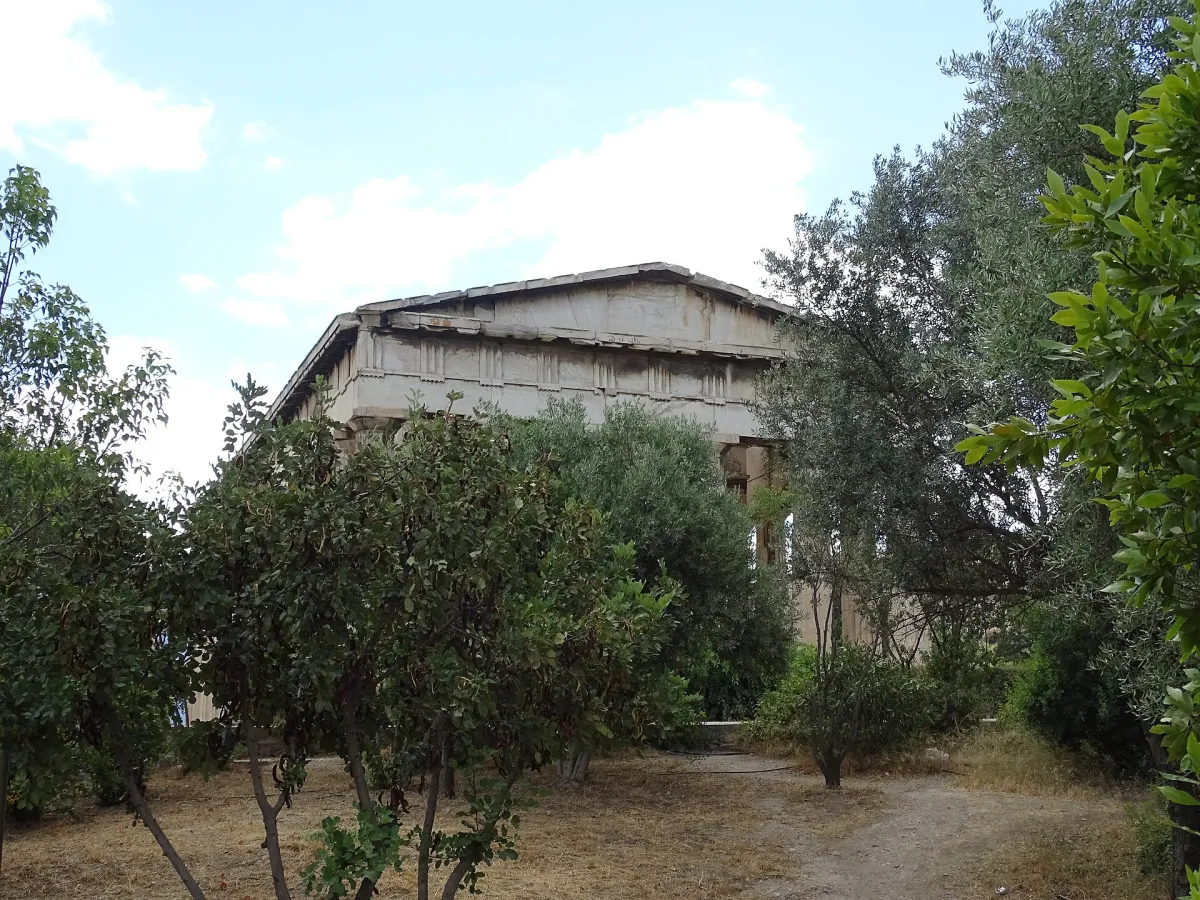

Roman and Byzantine Layers
Athens continued to change after the classical period. Roman-era buildings and later churches show a city adapted by different communities and political systems. Rather than assuming that every column or ruined wall belongs to the same century, use the site labels to identify what you are seeing.
Kapnikarea church, in the middle of Ermou’s shopping-street setting, is a useful example of a later religious layer within the modern city. The official cultural-venues index lists it alongside other churches and institutions. Look for these layers during a short central walk, then use a specialist museum if the subject interests you. A single museum visit with time to read the interpretation can be more useful than hurried stops at several unrelated buildings.
The Modern Capital
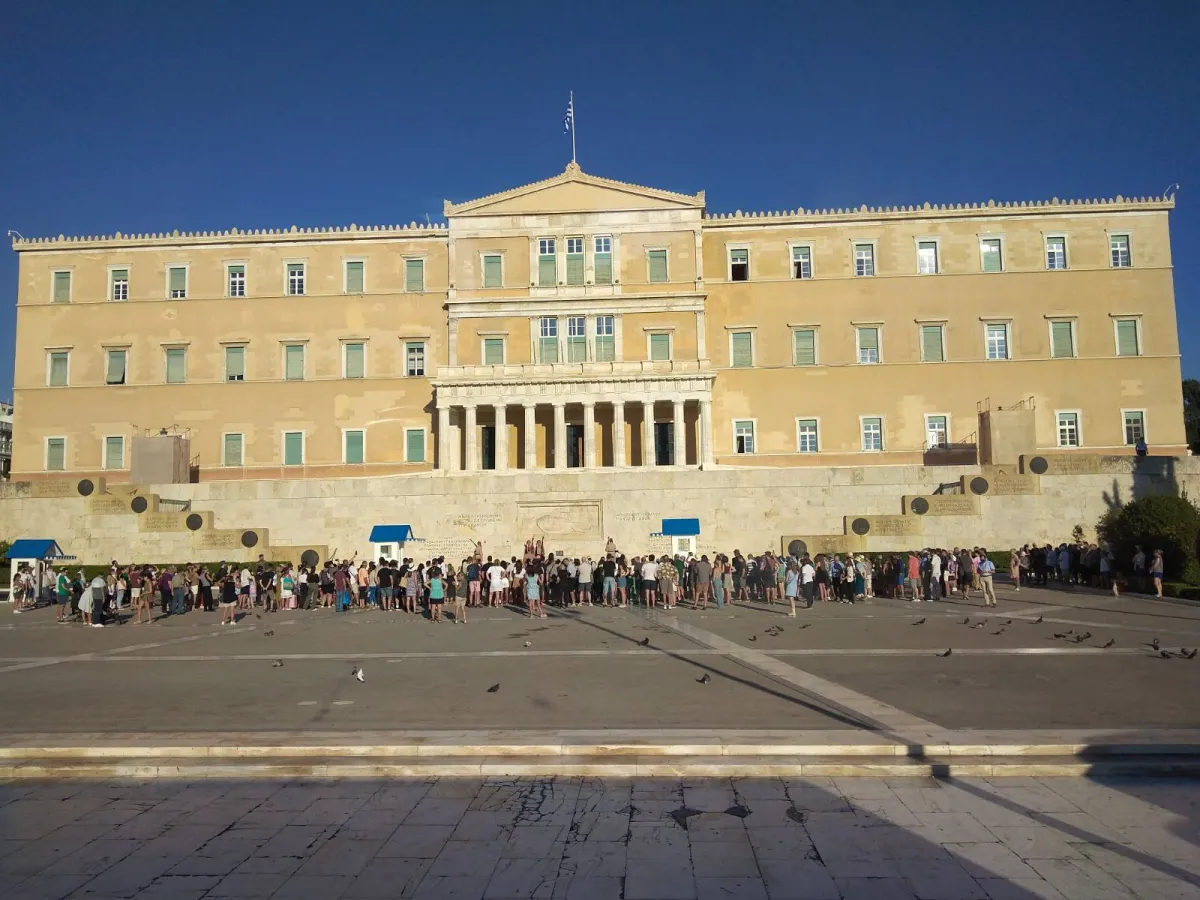
The modern state’s institutions and public spaces add another scale to the city. Syntagma and the surrounding streets are useful places to consider the relationship between government, public gathering and everyday movement. The city extends well beyond the small area most first-time visitors see.
Avoid judging contemporary Athens only through its ancient reputation. Neighbourhood businesses, design, performance and food are part of the visit, as are the practical realities of traffic, housing and local work. Food & Drink and Shopping offer ways to explore that living city.

Choose Museums for the Questions You Have
The Acropolis Museum focuses on material from the Acropolis and its slopes; the National Archaeological Museum offers a broader archaeological perspective. Other institutions introduce Greek culture, modern art or a particular collection. Select by interest rather than assuming that all museums tell the same story.
The official museums guide is a useful starting point. Check each institution’s own visitor information for current exhibitions, tickets and access.
Visit with Context
Restoration, conservation and research can change what is open. An older photograph may show a view or entrance that is no longer available. Follow current signs and do not climb ruins or cross barriers for a better angle.
For the practical geography, use Map & Neighbourhoods. For camera planning and local etiquette, continue with Photos & Photo Spots and Responsible Travel.
Plan with Official Information
Details checked on 15 October 2026. Recheck schedules, entry arrangements and operating conditions before travelling.