
GREECE · ATHENS GUIDE
Athens Travel Guide
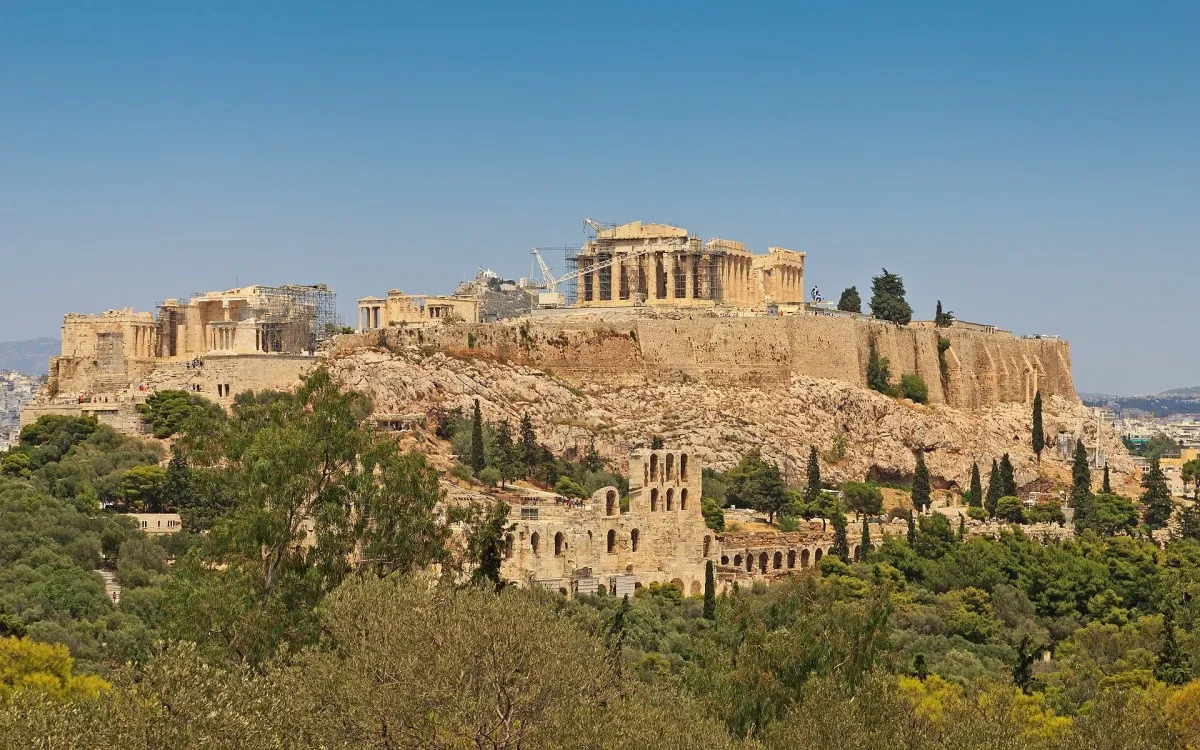

Athens is a city of layers: ancient sanctuaries above a busy modern capital, neighbourhood markets beside archaeological sites, and a coast that needs its own space in the itinerary. A good first visit combines a few important bookings with time to walk, eat and notice how the city changes between districts. The Acropolis matters, but it is only one part of the trip.
Use this guide to choose how long to stay, where to sleep and which journeys are worth making. Attractions helps with individual sights; Things to Do focuses on experiences. For travel beyond Athens and Attica, start with the Greece Travel Guide.
Athens at a Glance
| Decision | A useful starting point |
|---|---|
| Time | Two or three full sightseeing days for a first visit; add time for museums, the coast or a day trip. |
| Base | Compare a historic-centre address with a convenient metro connection and the final walk to your entrance. |
| Arrival | Athens International Airport (ATH); choose the airport-to-door journey for your actual hotel. |
| Getting around | Walk within small areas and use metro, tram or bus for longer links. |
| Money | Euro (€). Accommodation, paid sights and transport choices shape the total. |
| Planning | Book your priority visit, then build nearby activities around it. |
What to Do in Athens
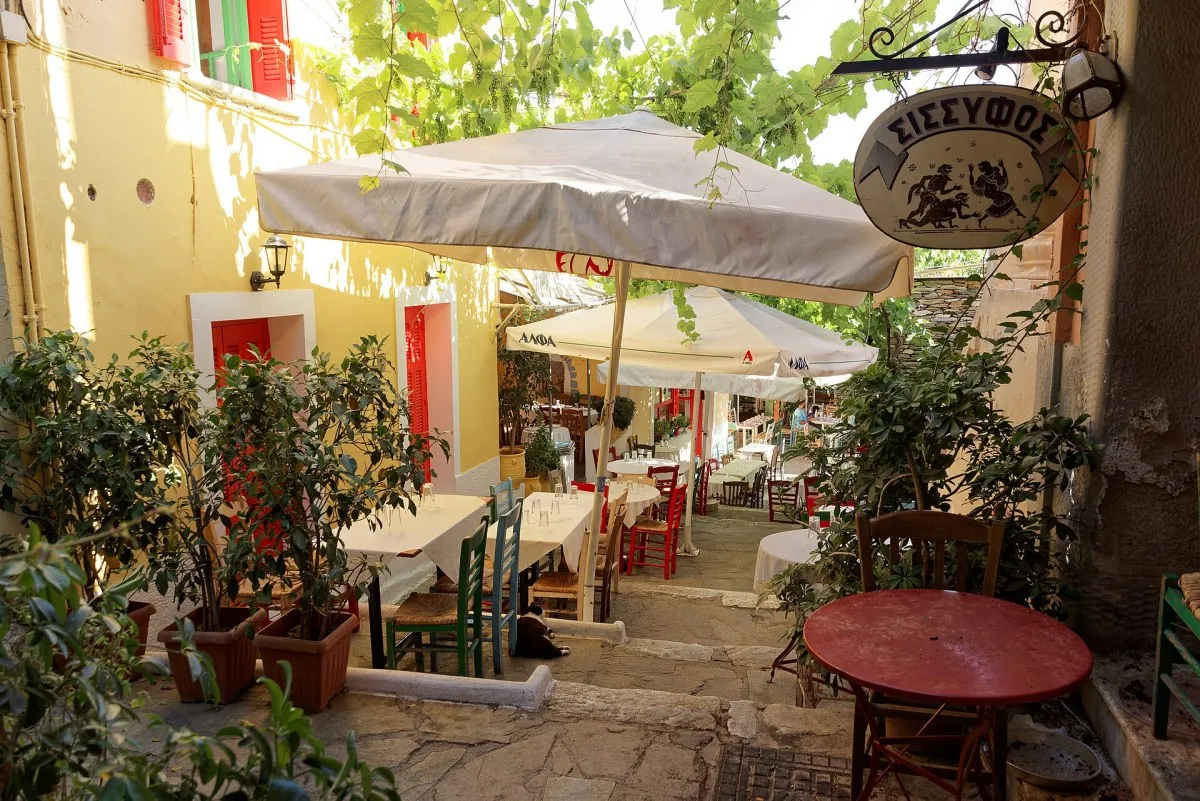
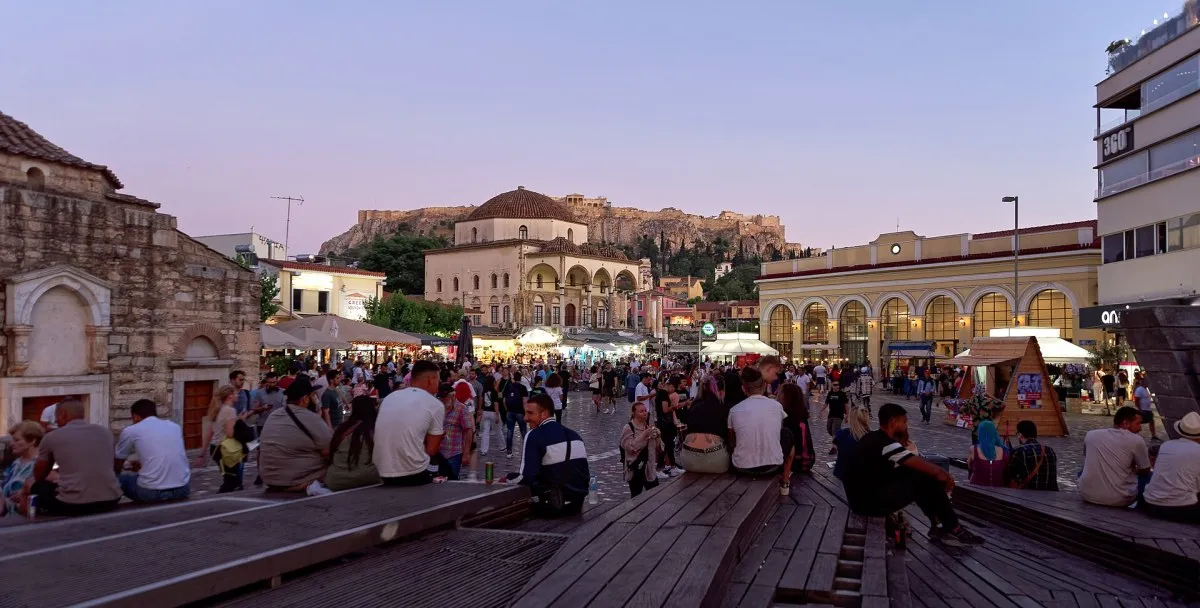
Choose one ancient-site focus, one museum and one neighbourhood walk before adding more. The Acropolis and the Acropolis Museum have different entrances and ticketing arrangements. The Ancient Agora offers another perspective on the historic city, while Plaka, Monastiraki and Psirri introduce a more everyday mix of shops, food and public space.
Leave room for an experience that changes the pace: a market visit, a cooking class, a shaded garden stop or an evening performance with a verified programme. Our experience guide separates these decisions from the list of monuments. Map & Neighbourhoods shows the relationships between the central areas.
How Many Days in Athens?
With one full day, concentrate on the historic centre and one priority booking. Two days allow ancient sights and a substantial museum without treating meals as gaps between appointments. Three days give room for another neighbourhood or a specialist interest.
Allow an additional day for a coastal outing or a journey outside the city. An airport arrival, ferry connection or long-haul departure reduces usable sightseeing time. The one-, two- and three-day itineraries are flexible sequences rather than fixed schedules.

Best Time to Visit Athens
Outdoor sightseeing is a different experience in hot summer weather, a mild shoulder-season spell or a wet winter day. Consider exposed archaeological sites, afternoon rest and the amount of daylight you need. Indoor culture gives the trip flexibility when conditions change.
Use Best Time to Visit for seasonal tradeoffs and Festivals & Events for the event-planning sources. Do not assume that an annual festival uses the same dates or venues every year.
Where to Stay in Athens
Choose a base for the journeys you expect to repeat. Plaka and the Acropolis side of the centre can simplify historic sightseeing; Syntagma can suit visitors who value transport connections. Monastiraki and Psirri make busy evenings easy, but the exact street and room position matter.
Where to Stay compares areas and accommodation types. Athens Hotels then looks at individual properties. Confirm room access, noise, sleeping arrangements and the final route from a station before booking.
Getting to and Around Athens
ATH is the city’s international airport. Compare public transport and an appropriate direct transfer using the whole journey, including baggage, waiting and the last stretch to the hotel. See Airports & Transfers for arrival planning.
Within Athens, group nearby places into walking sections and use public transport for longer journeys. The Getting Around guide covers tickets and route choices. A car can complicate a city-focused stay; consider collecting one only for an onward journey that needs it.

Travel Costs and Practical Essentials
Start the budget with the room total, then add the visits and journeys you actually plan. Compare like-for-like prices, including meals, taxes and optional services. Travel Costs & Money explains a budget framework without pretending that one daily figure suits everyone.
Check Visa & Entry for the official nationality-specific starting points, save safety and useful contacts, and use Accessibility for route-specific questions. Families can begin with Family Travel.
Photography and Responsible Visits
Athens offers skyline views, street detail and a changing relationship between monuments and the modern city. Photos & Photo Spots helps you plan the view and access rather than chase the same image everywhere.
Stay on permitted paths, respect residents and treat conservation closures as part of visiting a working city. Responsible Travel connects those choices with archaeological sites, neighbourhoods and the coast.
Frequently Asked Questions
Can I combine Athens with a beach visit?
Yes, if you allow for the journey and return rather than treating the coast as part of a short central walk. Compare Beaches Near Athens before committing a day.
Do I need to stay beside the Acropolis?
No. A suitable room, realistic final walk and useful transport connection can matter more than a famous district name.