
GREECE · ATHENS GUIDE
Athens Accessibility: Routes, Transport & Visitor Planning

Accessible travel in Athens depends on the exact route and the assistance or facilities you need. A station, museum and hotel can each offer useful features while the journey between them remains difficult. Plan the complete chain rather than relying on one broad accessibility badge.
Describe your requirements in concrete terms when contacting operators. Wheelchair dimensions, transfer needs, walking tolerance, sensory needs and the bathroom arrangement can affect different parts of the visit.
| Part of the day | Questions to confirm |
|---|---|
| Airport journey | Assistance process, vehicle type, baggage and the final drop-off. |
| Metro / public transport | Lift status, boarding, platform gap and the exact exit. |
| Walking route | Slope, paving, crossings, steps and places to rest. |
| Attraction | Accessible entrance, internal route, toilets and assistance conditions. |
| Accommodation | Entrance, lift dimensions, room approach and bathroom layout. |
Start with a Route, Not a District Label
The official Ancient Athens accessibility itinerary describes a particular historic-centre route, including surfaces and gradients. Use it to understand the kind of detail that matters, then confirm current conditions. Its description of a pedestrian street does not establish access to every site reached from it.
A short detour can change the practical route substantially. Ask the destination for the entrance you should use and compare the whole approach from the station or drop-off. Do not follow a stair shortcut simply because a generic navigation app recommends it.
Museums and the Acropolis Area
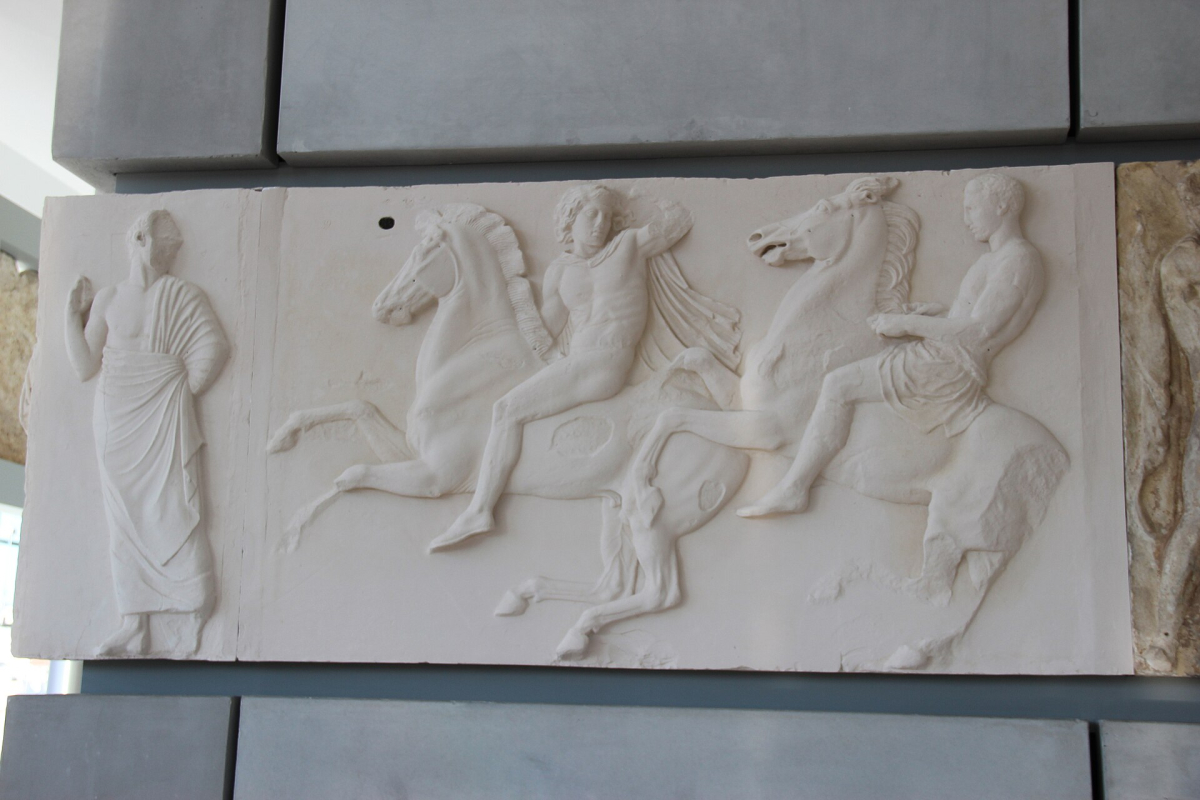
The Acropolis Museum visitor information describes services and admission arrangements. Check the exact assistance, equipment and documentation you require with the museum before travelling. Museum access and access to the Acropolis archaeological site are separate questions.
For the hill, contact the current site operator about lift operation, assistance, weather restrictions and the permitted route. Do not infer that every part of a historic site is reachable because one accessible entrance or lift exists. Leave flexibility if equipment or conditions change.
Public Transport and the Final Walk
Verify lifts and the usable station exit with the operator close to travel. Platform gaps, boarding arrangements and the route from the pavement can vary. If assistance needs booking, confirm the process and the time allowance directly.
The last few metres to a hotel may matter more than the length of the rail ride. A pedestrian street can still have uneven paving or steps at the door. Getting Around helps with route choice, and Airports & Transfers with arrival.

Choose the Room with Specific Questions
Ask whether the entrance is step-free, which floors the lift reaches and what the bathroom actually contains. Request dimensions or photographs where they help you assess your own needs. A room category described as accessible is a starting point, not a complete specification.
Check the route to breakfast, common areas and the drop-off too. Confirm that the promised arrangement applies to the room you are booking, and keep the correspondence with your reservation. Hotels and Where to Stay cover the wider accommodation choice.
Plan a Day with Useful Breaks
Choose fewer fixed stops, identify suitable toilets and allow time to rest. A comfortable museum block and a short nearby walk can be more rewarding than a route with repeated transfers. Families with pushchairs can also use the surface and entrance questions, while recognising that their needs may differ.
For a performance or paid activity, confirm the actual event’s seating, queue, assistance and toilet arrangements before buying. Follow current staff and safety instructions. Emergency contacts are in Travel Essentials.
Plan with Official Information
Details checked on 15 October 2026. Recheck schedules, entry arrangements and operating conditions before travelling.


.jpg)
,_August_2012.jpg)