
GREECE · ATHENS GUIDE
Athens Photos & Photo Spots
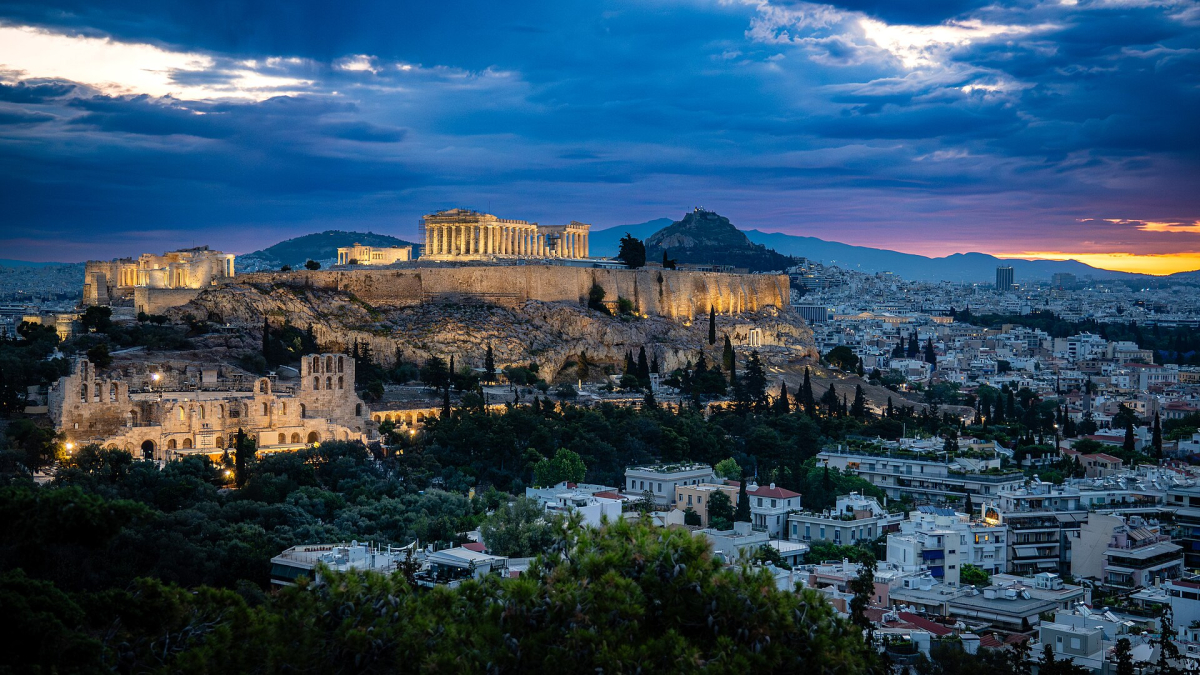
Athens rewards photographs that explain its layers: a monument above the modern city, a small church within a busy square, or the detail of a neighbourhood street. Choose the viewpoint and lawful access before choosing a time of day. A good skyline photograph does not require standing inside the archaeological site.
The ideas below describe different kinds of picture, not guaranteed weather, empty streets or unrestricted access. For the geography use Map & Neighbourhoods; for entry arrangements use the actual site or venue.
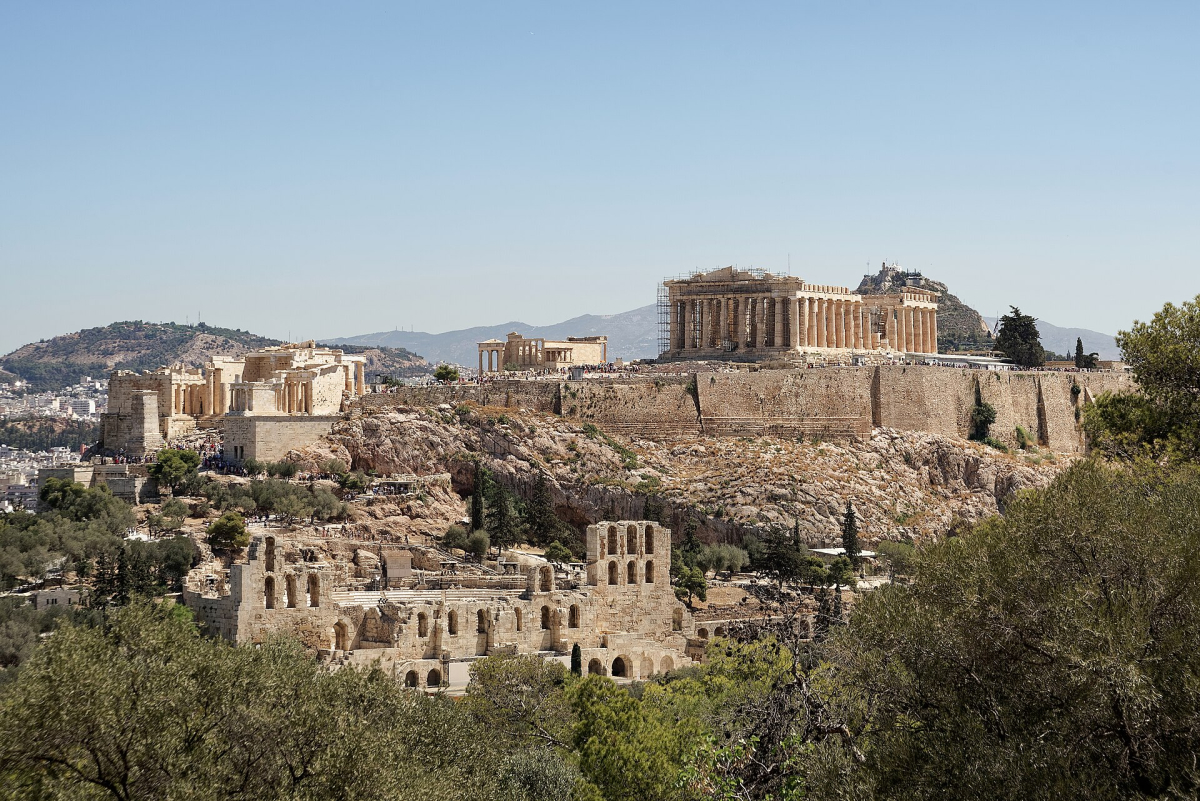
Philopappos: Put the Acropolis in the City
A permitted viewpoint around Philopappos can frame the Acropolis with the surrounding urban landscape. Consider the direction of the light and the amount of modern city you want in the frame. Use a short focal length for context or a longer one to simplify the composition.
Check the current access and surface for your route. Uneven paths and darkness change the return journey. Stay behind barriers and allow other visitors room to enjoy the view; a photograph is not a reason to step onto protected ground.
Lycabettus: A Broader Skyline
Lycabettus offers a different relationship between the centre and the wider city. Haze and distant visibility can matter as much as the colour of the sky. Scout the legal viewing area and keep enough room around your frame to show the setting.
Check the way up and down for the conditions and your mobility. Do not assume that a transport service gives step-free access to every final viewpoint. A sunset plan still needs a safe return after the light fades.
Plaka and Monastiraki: Street Detail
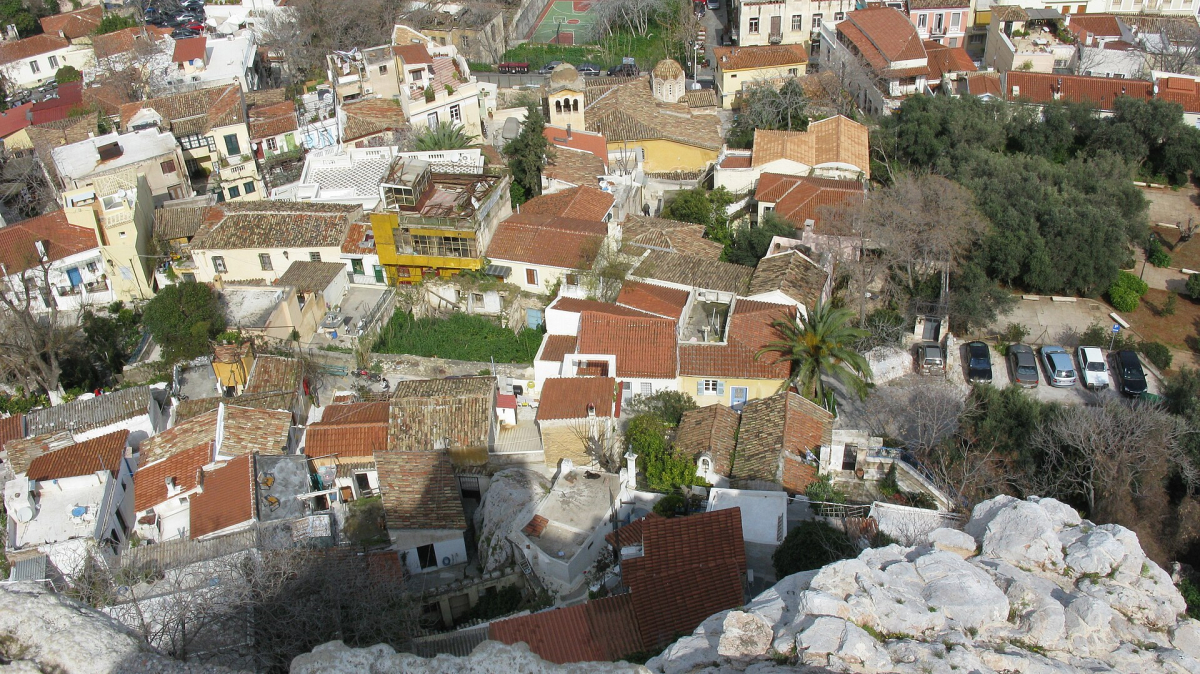
In Plaka, look for the relationship between slopes, older buildings and everyday use. Around Monastiraki, a wider composition can show a public square, its religious buildings and the changing movement of people. Avoid blocking a shop entrance or turning a narrow pavement into a photography queue.
Ask before making a person the main subject, especially in a workplace or private setting. Do not describe a past photograph as evidence of today’s crowd level or an open business. The Athens photo archive retains individual landmark photographs for visual context.
Museums, Sites and Camera Rules
The Acropolis Museum FAQ permits amateur photography outside the Archaic Acropolis Gallery, prohibits flash and additional professional equipment such as tripods, and requires written authorisation for professional photographic publication. These rules were checked on 15 October 2026; follow current signs and staff instructions. Other venues can have different conditions. Permission to enter with a camera is not permission for every type of shoot.
Check before carrying a large setup through security or relying on a tripod for the planned image. At museums, keep labels and other visitors in mind and avoid touching exhibits or barriers. A handheld detail can tell the story without obstructing the room.
A Practical Photography Sequence
Start with one viewpoint when access and light suit, then continue to a nearby neighbourhood for street scenes. Leave the indoor collection for its confirmed opening period. Adapt the sequence to the ticket you hold rather than assuming all locations open at dawn.
For a coast-led image, plan the transport and return separately using Beaches Near Athens. Respect swimmers and residents. Keep drones out of the plan unless you have checked the applicable aviation and location-specific permissions through the competent authorities.
Plan with Official Information
Details checked on 15 October 2026. Recheck schedules, entry arrangements and operating conditions before travelling.



.jpg)