
AUSTRIA · VIENNA GUIDE
Vienna Attractions: Sights, Museums and Booking Choices
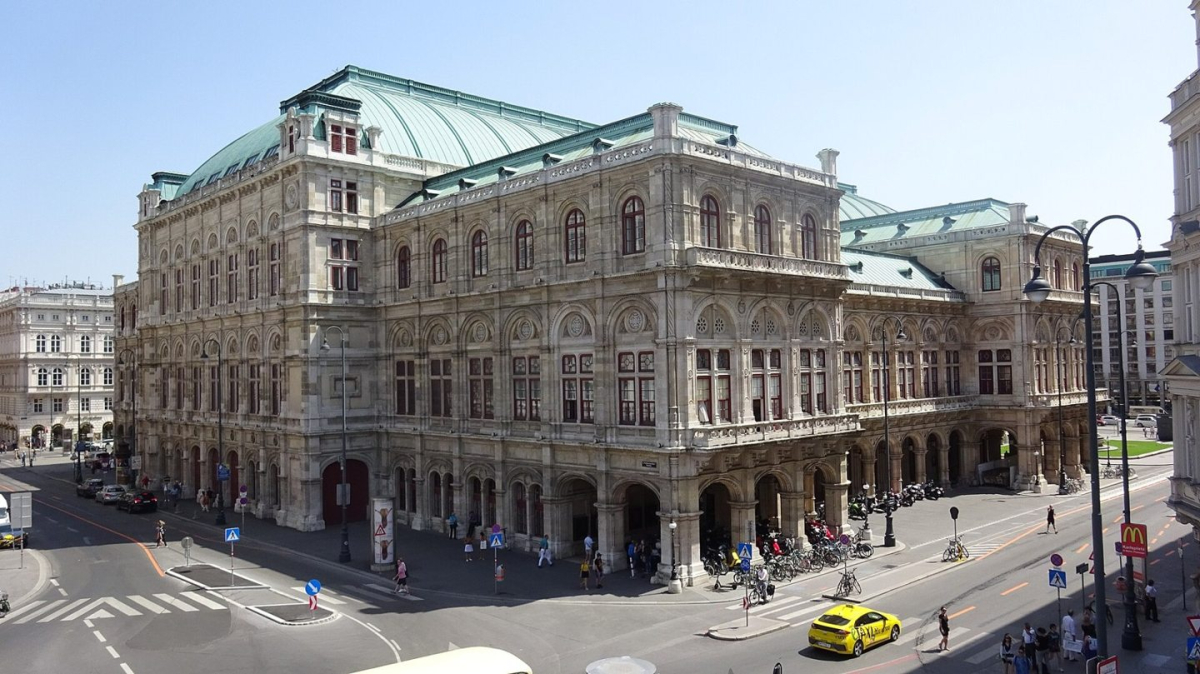
Choose Vienna’s sights by the experience you want inside them. A palace-room tour, an art collection, a church and a Ferris-wheel ride use time differently. For a first visit, reserve one demanding interior per half-day at most and leave space to reach the entrance, use the cloakroom and rest. The durations below are editorial planning estimates, not official tour lengths.
| Place | Plan for | Main decision |
|---|---|---|
| Schönbrunn | Half-day for palace and a selective garden walk | Rooms, special gardens and zoo are different products |
| Upper Belvedere | About 2–3 hours with garden time | Choose the correct location and time-slot ticket |
| Kunsthistorisches Museum | About 2–4 hours | Choose collections before trying to cover the whole building |
| Hofburg collections | About 1.5–3 hours for a selected institution | An apartment ticket is not a treasury or library ticket |
| St. Stephen’s Cathedral | About 45–90 minutes, longer with a tower | Worship area, tours and towers differ |
| Prater Giant Ferris Wheel | About 1–2 hours including local time | The park is not one all-inclusive admission |
Schönbrunn Palace and Gardens
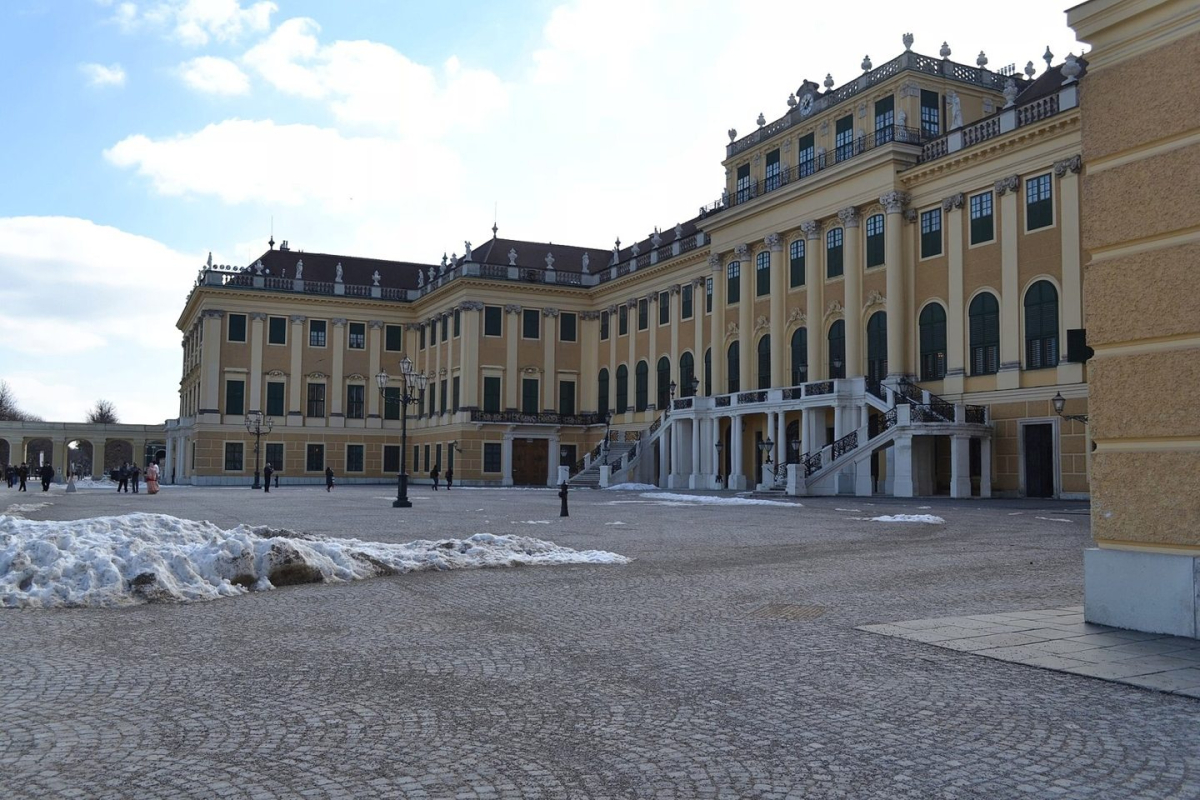
Choose Schönbrunn for court rooms in a broad garden setting. It is west of the centre, so treat the journey as part of the half-day. A room tour and a walk up toward the Gloriette are different levels of physical commitment. Choose the palace route and special attractions you actually want before comparing packages.
The general park is free during opening hours; special gardens, the maze, viewing terrace and zoo have separate conditions. The operator publishes seasonal gate times. In winter the fountains may be off, so a summer photograph is not a promise of the scene you will find.
Check the official visitor information before reserving.
Optional paid guided palace-and-gardens tour; the general palace park can be visited separately without this tour. GetYourGuide may open a Vienna results list; select the named option and confirm its inclusions. We may earn a commission if you book through this GetYourGuide link.
Upper Belvedere and the Garden Axis
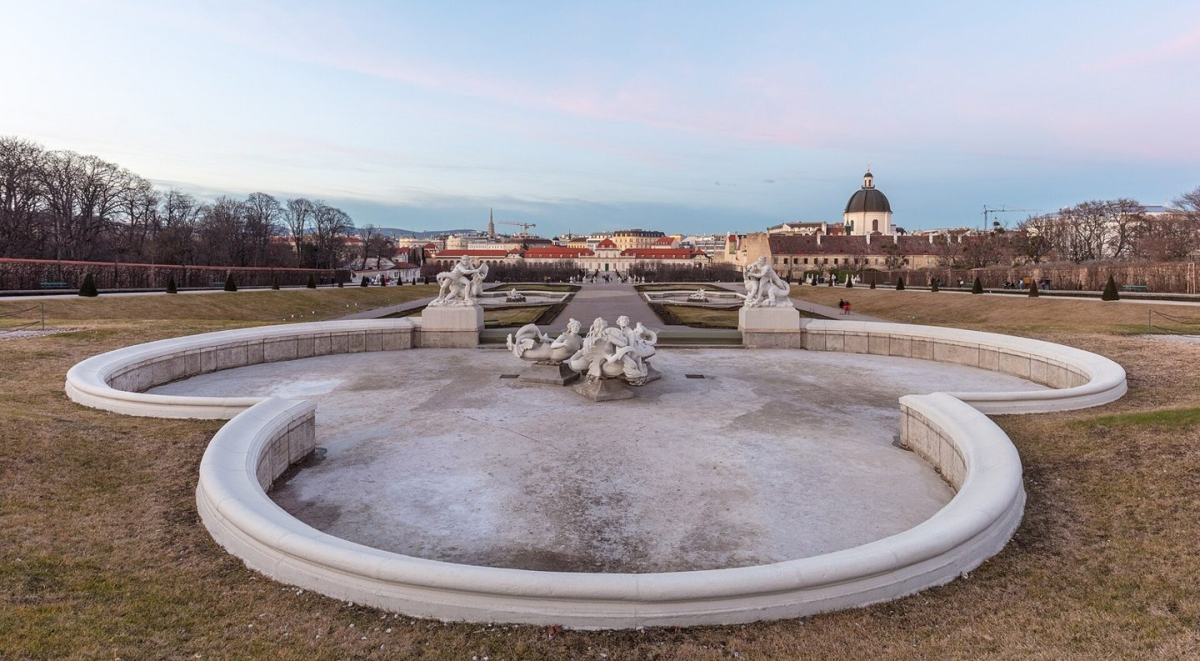
Choose the Upper Belvedere for Austrian art in a palace setting, rather than assuming that every Belvedere ticket covers every building. The Lower Belvedere and Belvedere 21 have different programmes. Garden time can make a useful pause around an indoor visit.
The operator requires time-slot tickets for ordinary Upper and Lower Belvedere visits, with exceptions for listed pass and membership holders. Combination products use specific conditions. Select your location carefully and check the current collection display; an artwork can be moved or lent.
Check the official visitor information before reserving.
Optional Upper Belvedere permanent-collection ticket; confirm the selected date and current product inclusions. GetYourGuide may open a Vienna results list; select the named option and confirm its inclusions. We may earn a commission if you book through this GetYourGuide link.
Kunsthistorisches Museum
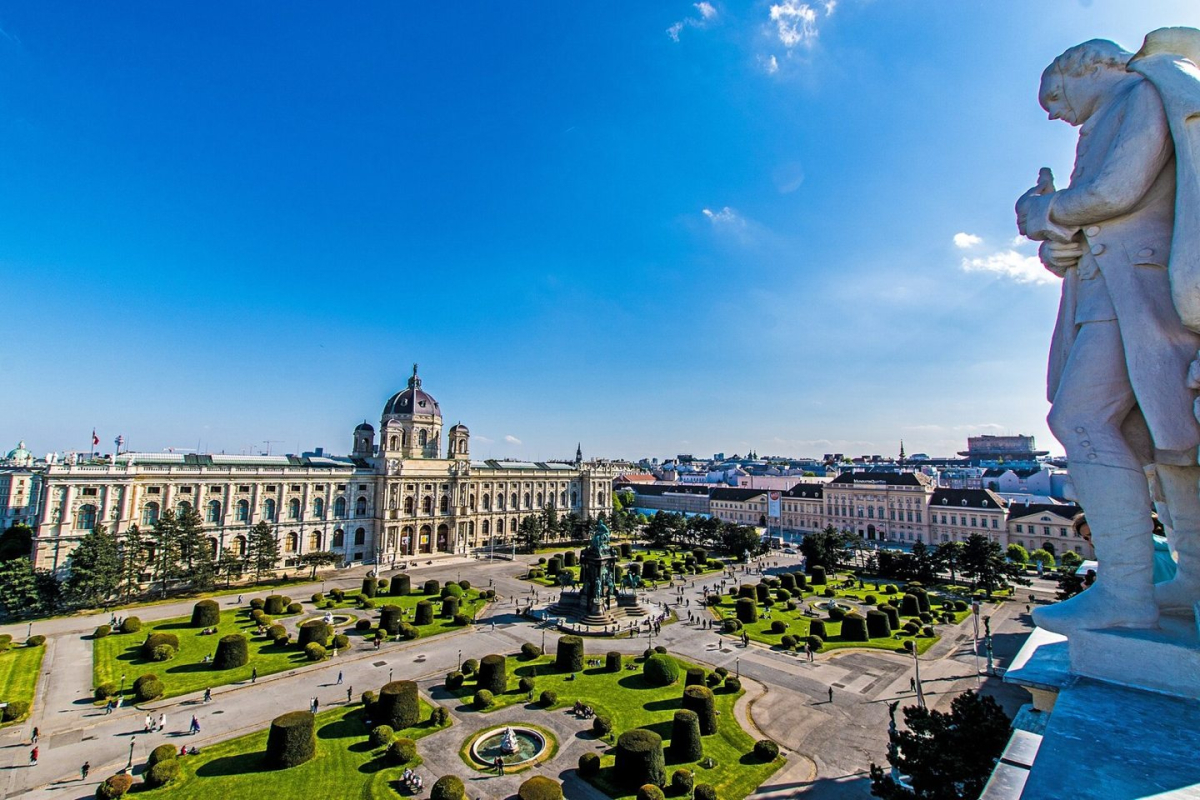
This is the choice for a substantial art-and-collections visit, rather than a quick decorated staircase photograph. Decide whether paintings, antiquities or the Kunstkammer matter most to you. Trying to cover everything can turn the afternoon into a race between galleries.
Build a route from the museum’s current floor plan and check any special-exhibition arrangements. The Maria-Theresien-Platz setting pairs naturally with the museum quarter, but a second large museum immediately afterwards may be too much.
Check the official visitor information before reserving.
Hofburg: Choose a Collection
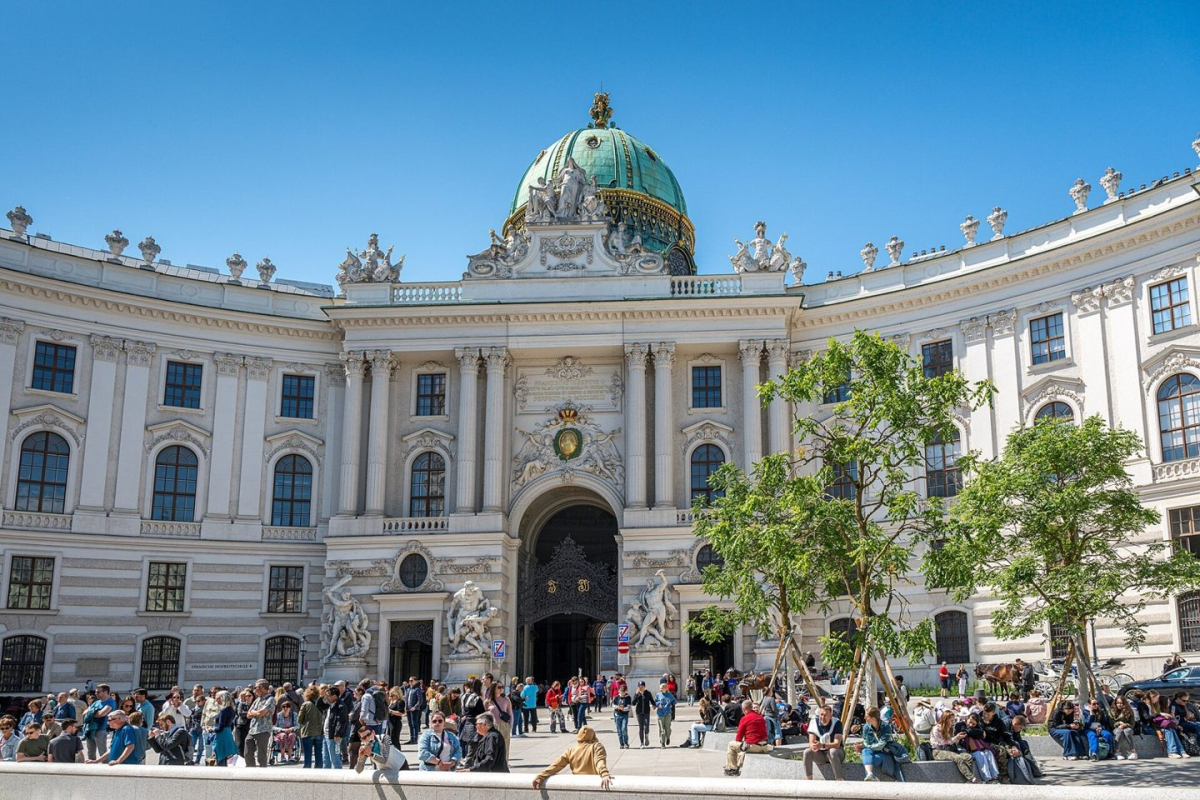
The Hofburg is an urban palace complex, not a single ticketed interior. Court apartments, the Sisi Museum, the Imperial Treasury, the Spanish Riding School and the National Library answer different interests. Select the institution first, then locate its entrance.
Do not assume a courtyard walk includes a performance or collection. A riding-school training session differs from a full performance, and library entry differs from a treasury visit. Keep the rest of the day nearby around the old centre.
Check the official visitor information before reserving.
St. Stephen’s Cathedral
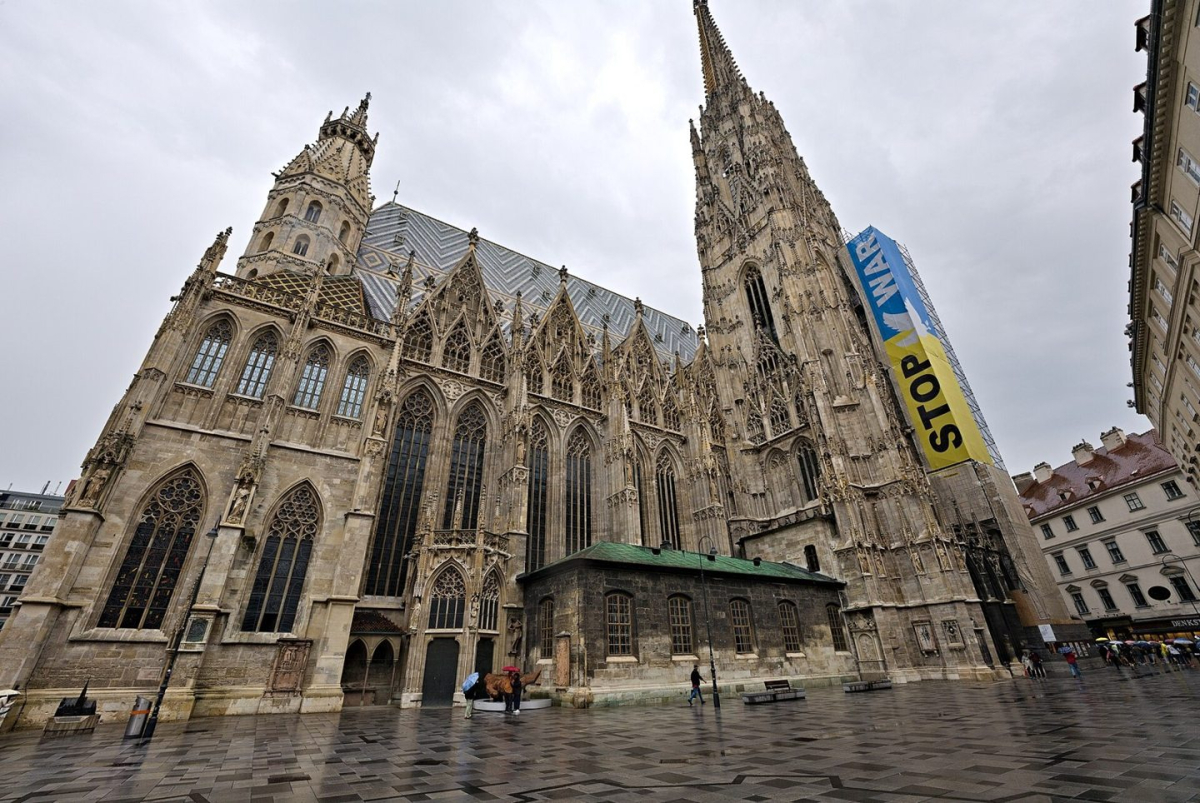
The cathedral anchors the historic centre and works well at the start of a central walk. Its towers, roof and surrounding streets offer different viewpoints. A church interior and a tower ascent require different time and mobility choices.
Respect worship and posted visitor routes. Confirm the tower’s access method and the ticket you need; a lift serving one part does not make every tower or crypt route step-free. The dedicated photo guide considers street-level alternatives.
Check the official visitor information before reserving.
Vienna State Opera
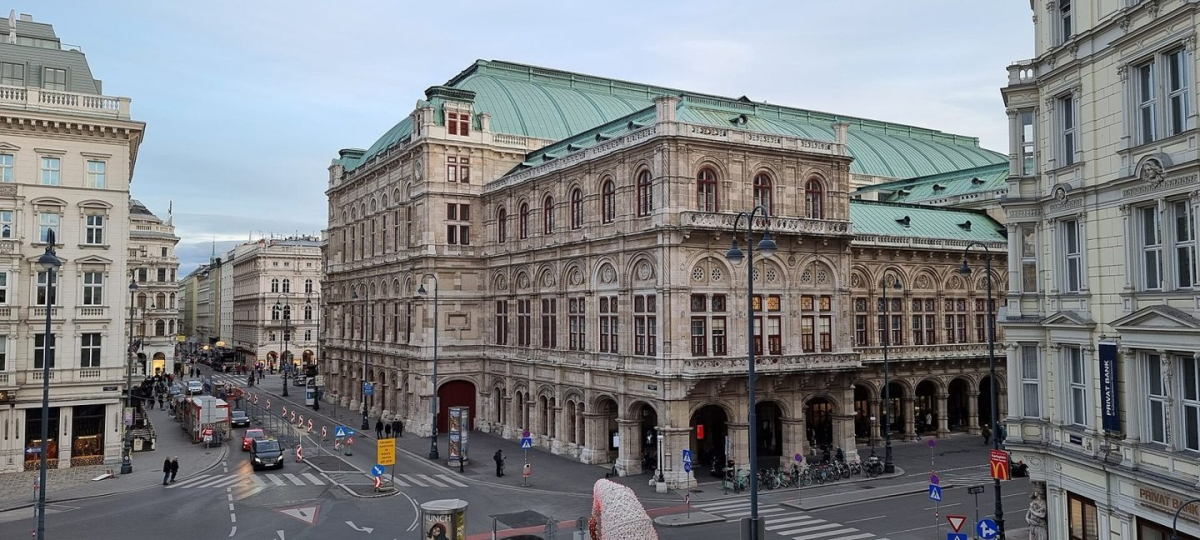
Choose between seeing a performance and taking an available guided building tour. A tour does not recreate the experience of an opera, while a ticket to a performance does not guarantee access to every room shown in a photograph. Match language, running time and seating to your interests.
Use the opera’s current programme and official booking channels. Check whether a tour runs on your date and allow time for cloakrooms and entry. Do not promise a standing-room place or last-minute price without checking the current rules.
Check the official visitor information before reserving.
Karlskirche and Karlsplatz
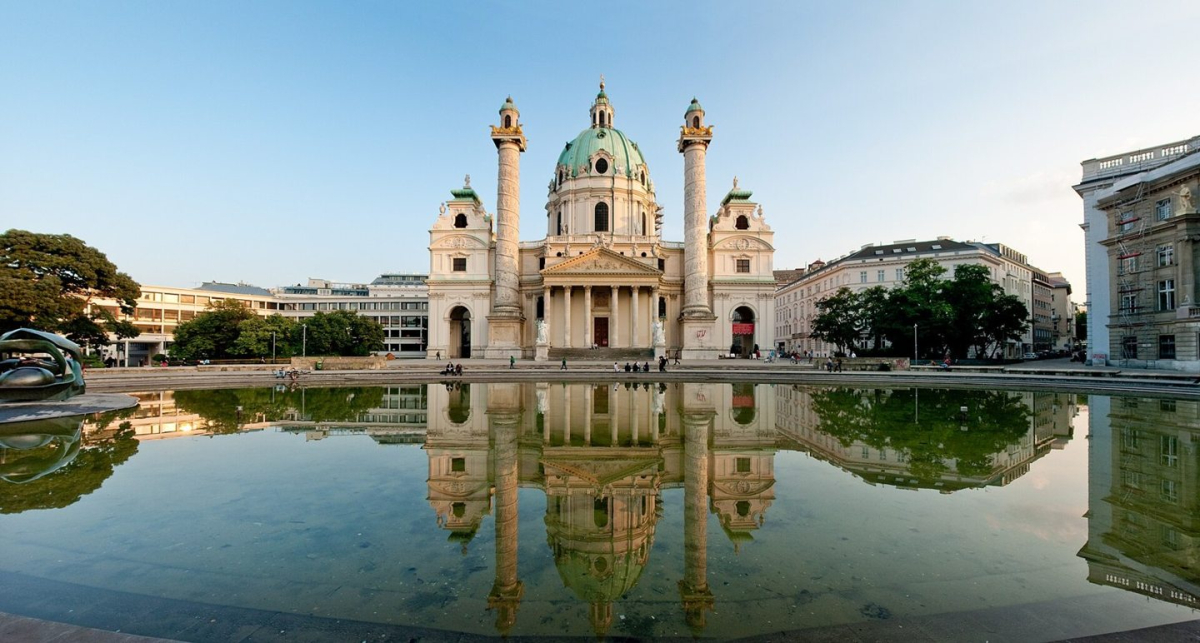
Karlskirche offers a strong architectural stop on the south side of the centre. Compare a focused interior visit with a walk around Karlsplatz and a nearby museum. The square’s wide space changes the pace after the denser streets around Stephansplatz.
Interior, elevated viewpoints and events can have different access conditions. Use the church’s current visitor information, and keep pools and paths in their present condition in mind when planning a reflection photograph.
Check the official visitor information before reserving.
The Prater and Giant Ferris Wheel
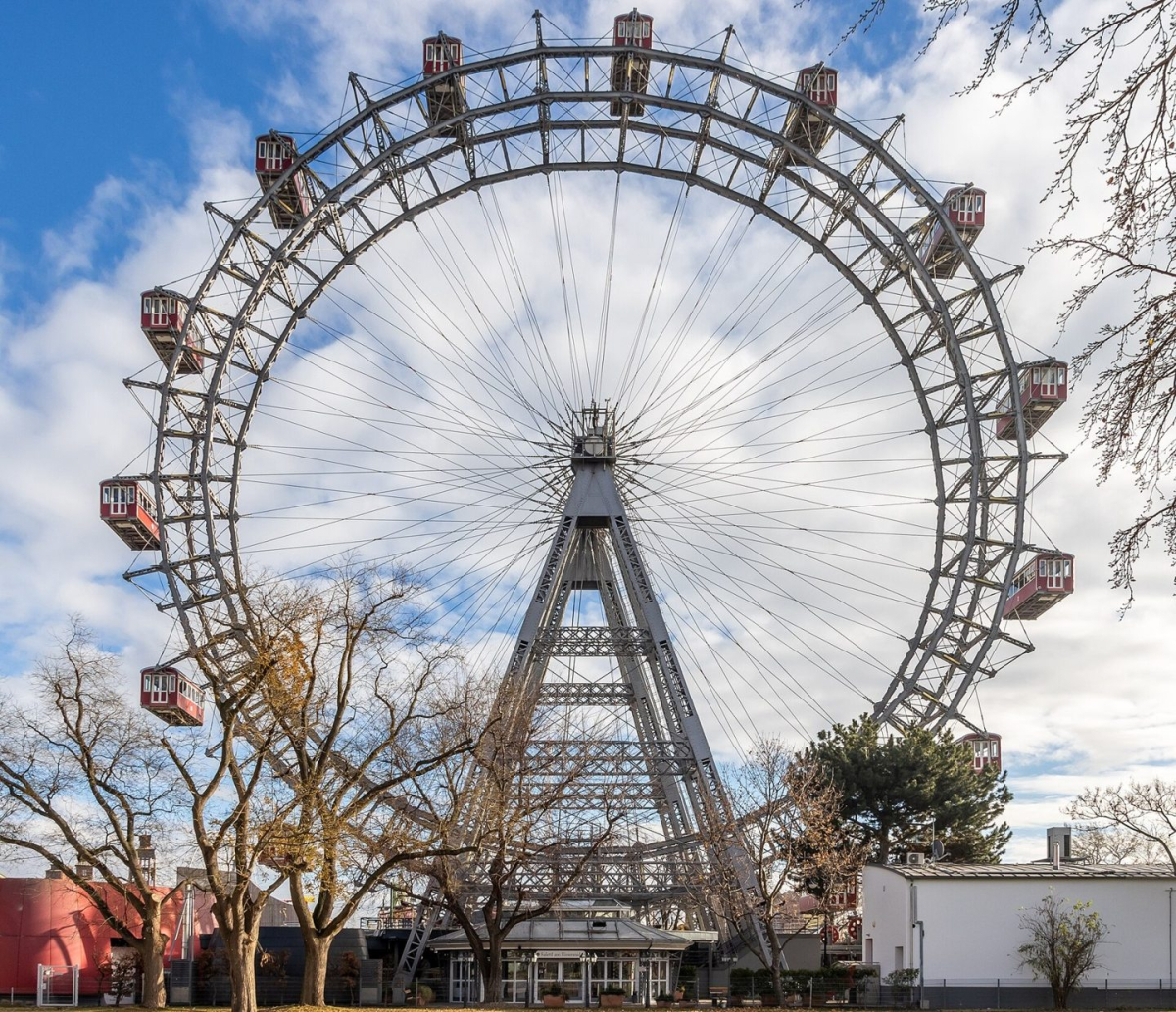
Choose the Prater for a break from palaces and museums. The amusement area and the long green park are different experiences: you can plan a ride, a family outing or a walk without treating them as a single package.
Individual rides have their own admission, opening times and age or height conditions. Check the Giant Ferris Wheel directly if it is your priority, especially outside the main outdoor season. Leave room for queues and the journey home after dark.
Check the official visitor information before reserving.
Museums & Culture: Choose by Collection
Vienna’s museums tell different stories: imperial collecting, the artistic upheavals around 1900, experiments after the Second World War, everyday design and the history of the city itself. Choose the subject you want to understand, then the building. A nearby entrance is a useful pairing, not a reason to buy another ticket.
For Old Masters and historic collections, start with the Kunsthistorisches Museum; for Austrian painting in a palace setting, use the Upper Belvedere section above. The options below widen the choice without repeating those visits.
| Museum | Choose it for | Allow |
|---|---|---|
| Albertina | Classical modernism and a specific temporary exhibition | 2–3 hours |
| Leopold Museum | Schiele, Klimt and Viennese Modernism | 2–3 hours |
| mumok | Postwar avant-garde and contemporary art | 1.5–2.5 hours |
| MAK | Applied arts, furniture, objects and design | 1.5–2.5 hours |
| Natural History Museum | Minerals, meteorites, dinosaurs and evolution | 2–3 hours; choose fewer galleries with children |
| Wien Museum | How Vienna became the city you are exploring | 1.5–2 hours |
| Secession | Klimt’s Beethoven Frieze and contemporary exhibitions | 45–90 minutes |
Albertina: Classical Modernism, with the Right Venue
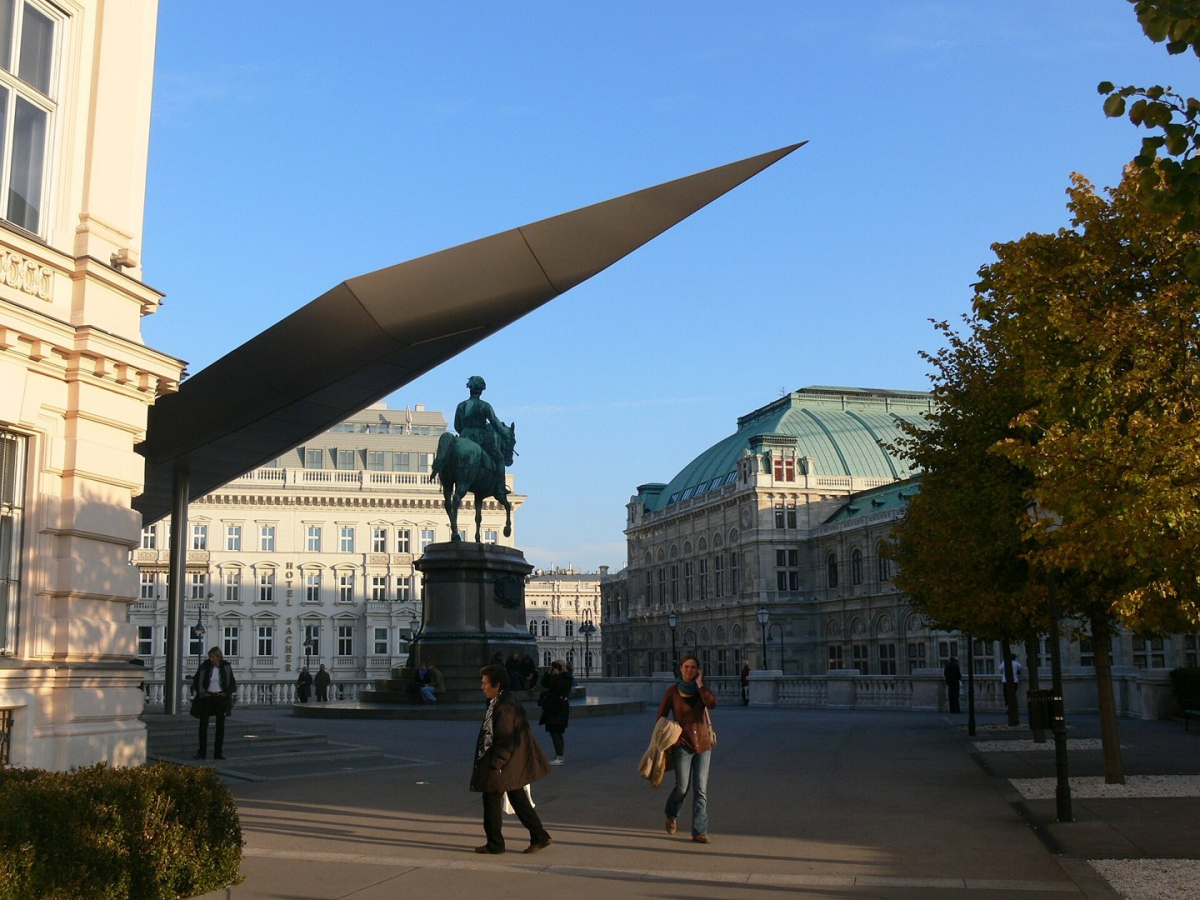
The Albertina suits a visitor who wants painting across the transition from Impressionism to modernism, or one substantial temporary exhibition. Its Batliner Collection is presented under the title Monet to Picasso; the institution also holds drawings, prints, photography and architectural material. A collection’s fame does not mean every fragile work or favourite artist is on display, so choose from the current programme rather than a list of names.
Plan the entrance: the main Albertina is at Albertinaplatz 1, beside the Opera side of the old centre. ALBERTINA MODERN is a separate venue at Karlsplatz; confirm the location printed on your ticket. The main museum currently lists late opening on Wednesdays and Fridays, useful for an art-led evening after an outdoor day. Check the official hours and ticket inclusions by location before booking.
Leopold Museum: Vienna Around 1900
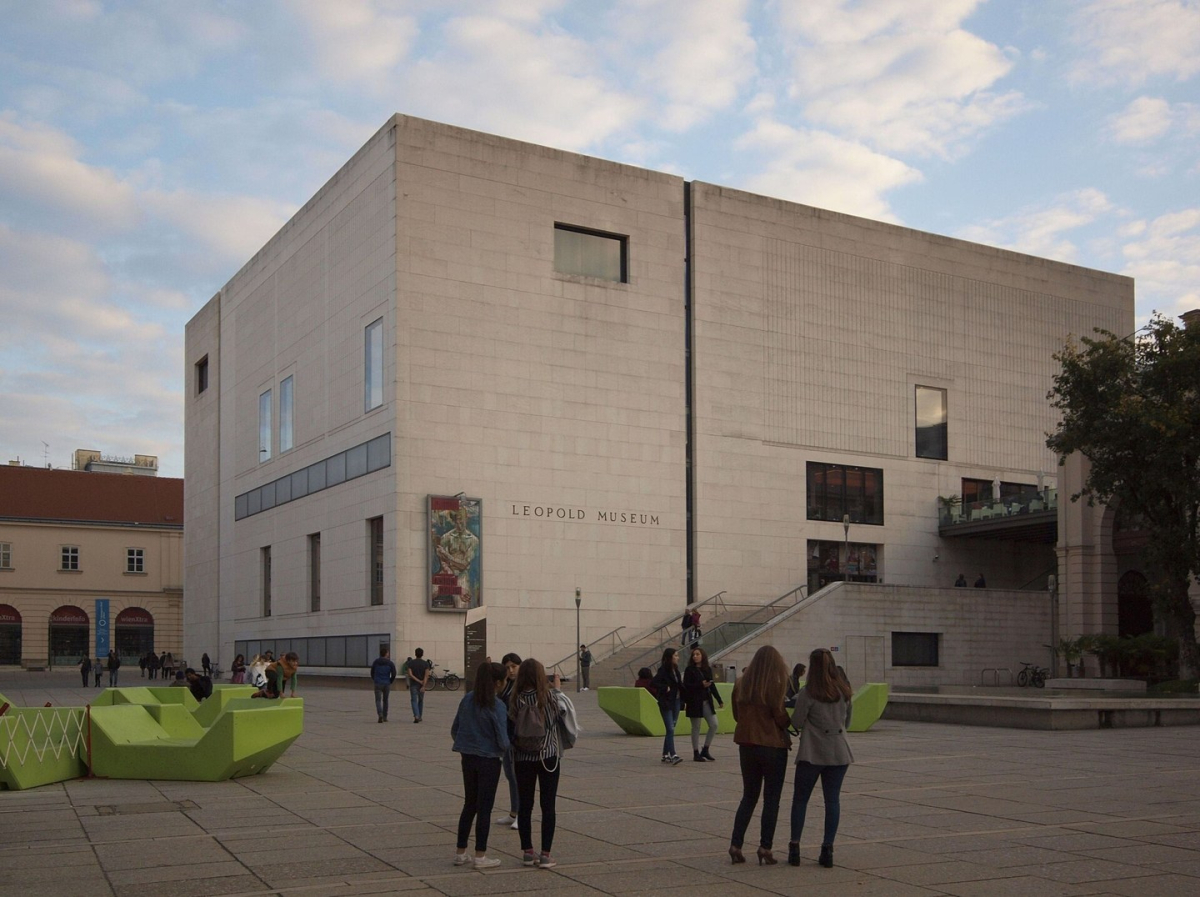
Choose the Leopold Museum for a concentrated encounter with Viennese Modernism. Egon Schiele is a major strength, alongside Gustav Klimt, Richard Gerstl and Oskar Kokoschka. Furniture and decorative objects help connect the paintings to the ambitions of the Wiener Werkstätte. The useful question is how this period changed the representation of bodies, private lives and the modern city, rather than how many famous works you can collect in one visit.
Plan the day: the pale limestone building is in the MuseumsQuartier. Give it a proper morning or afternoon, then use the courtyard for a break. The current regular schedule closes on Tuesdays, with holiday exceptions; do not assume it follows mumok’s calendar. Check the collection and exhibition information for what you want to see. A major temporary show can justify more time than the allowance above.
mumok: A Different Kind of Modern Art
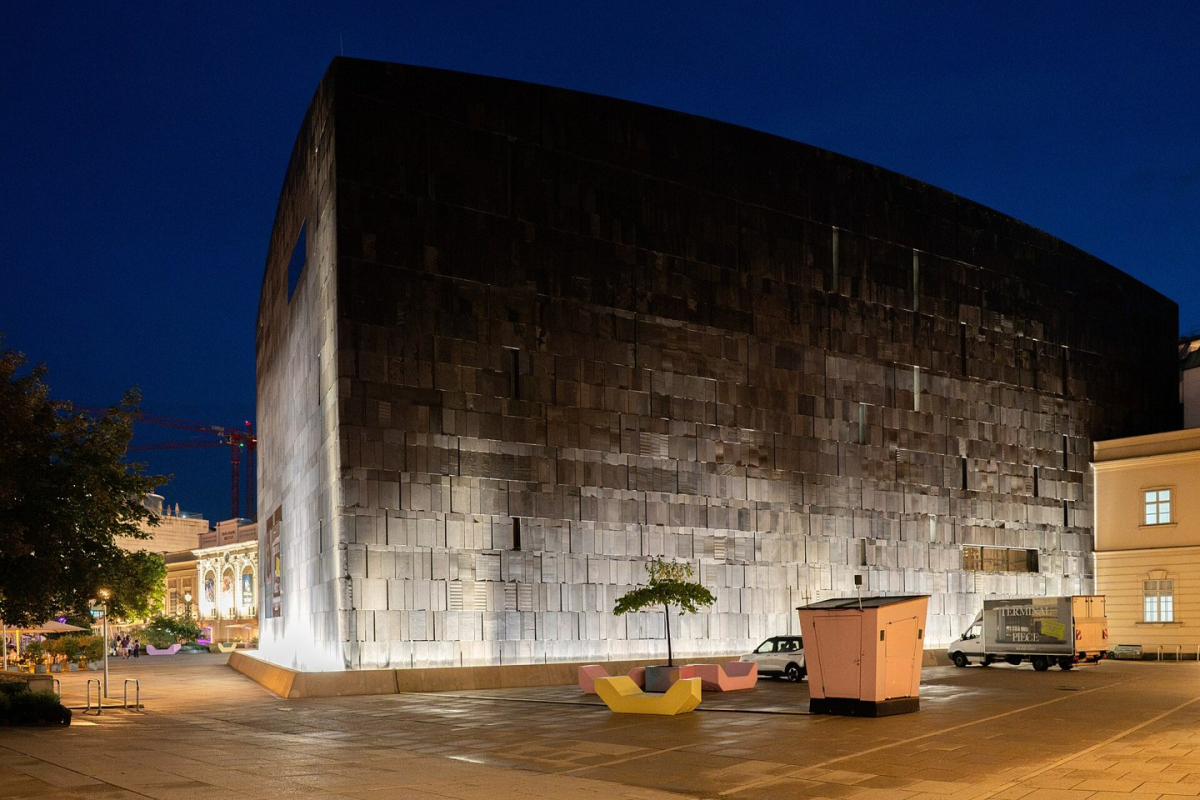
The dark stone building across the MuseumsQuartier courtyard is the museum of modern art, not another branch of the Leopold. Its collection reaches through postwar avant-garde, Vienna Actionism and contemporary practice, including photography, film and installations. Choose it when a current exhibition or an experimental approach interests you; someone seeking a conventional sequence of Klimt paintings should make a different first choice.
Plan the ticket: check the collection’s scope against the programme actually on view. mumok’s visitor page currently lists Tuesday–Sunday opening and free admission for visitors under 19. It also lists a mumok–Leopold combined ticket sold at the mumok counter. Compare that option only if both museums fit your interests and date; proximity alone does not make two long indoor visits a good day.
MAK: Design, Objects and Everyday Life
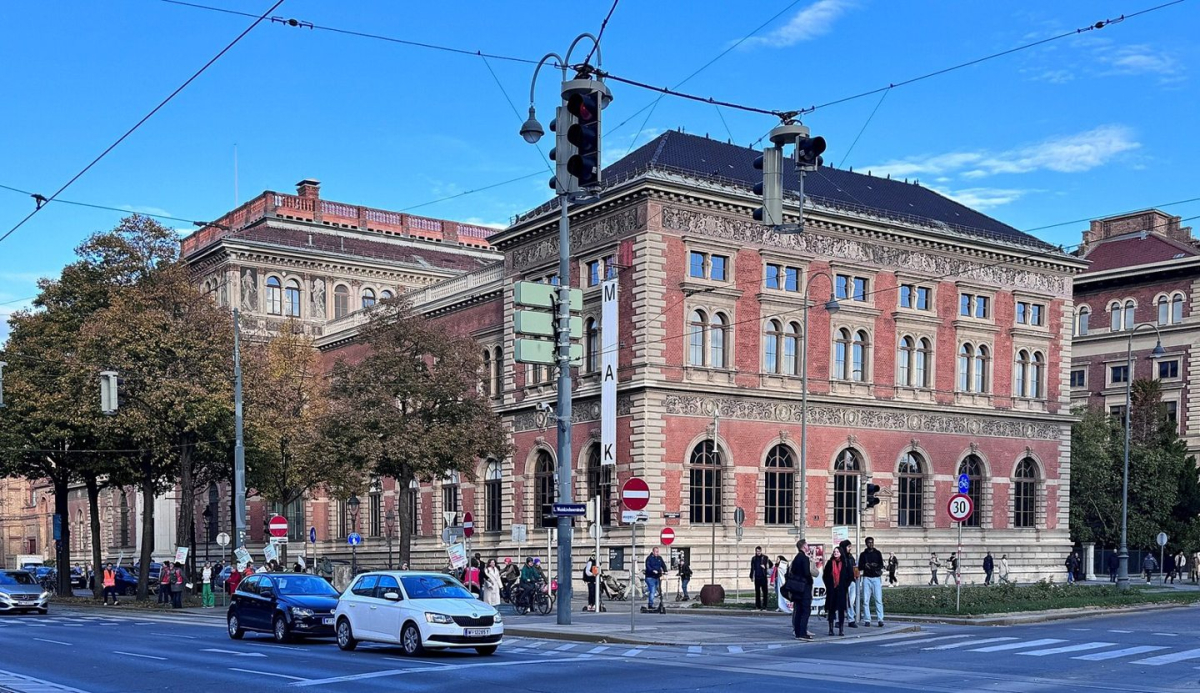
The MAK changes the emphasis from a painting’s subject to how an object is made, used and lived with. Furniture, textiles and decorative arts make it a useful choice for design-minded travellers. Vienna around 1900 is a central strength: compare the artistic everyday objects associated with the Wiener Werkstätte with different ideas about decoration, function and modern living. The museum’s collection overview gives that context before you enter.
Plan the approach: the main museum is at Stubenring 5, near Stubentor, making a Stadtpark break more natural than an immediate journey back to the MuseumsQuartier. The official visitor information identifies the main entrance as the step-free access point and explains lift access. Its photography rules allow private photographs without flash or tripod; commercial use needs advance permission. Check exhibition-specific instructions as well, rather than applying the MAK’s policy to every museum in Vienna.
Natural History Museum: Follow a Question, Not Every Room
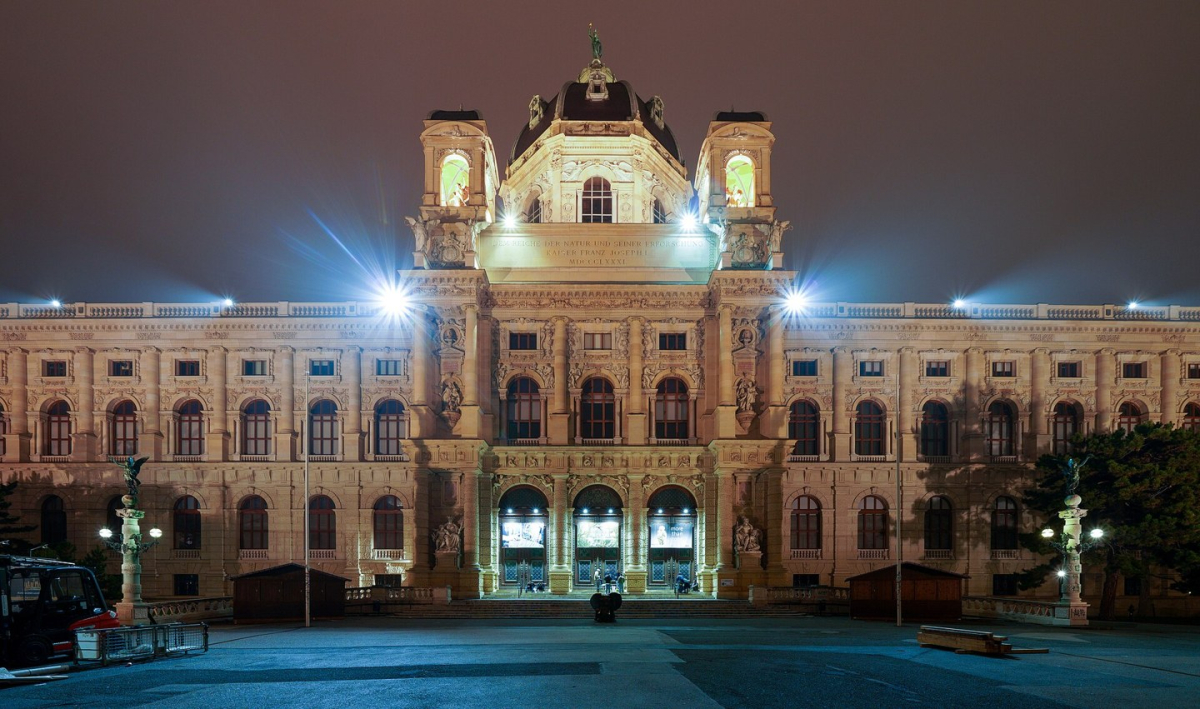
Across Maria-Theresien-Platz from the Kunsthistorisches Museum, the Natural History Museum is a different visit entirely. Its displays follow the natural world through minerals, meteorites, dinosaurs and evolution. With children, choose two or three subjects that already interest them, then let those guide the route. Adults interested in science can give one collection a longer look without turning the museum into an exhaustive checklist.
Plan the correct entrance: the main entrance faces Maria-Theresien-Platz; the museum identifies Burgring 7 as the step-free side entrance, with staff assistance. Current official visitor information lists free admission for under-19s and a regular Tuesday closure, with holiday arrangements to check separately. The exhibition overview helps you select galleries before arriving. Do not confuse a separate Narrenturm visit or combined product with time inside this building.
Wien Museum: Put the City in Context
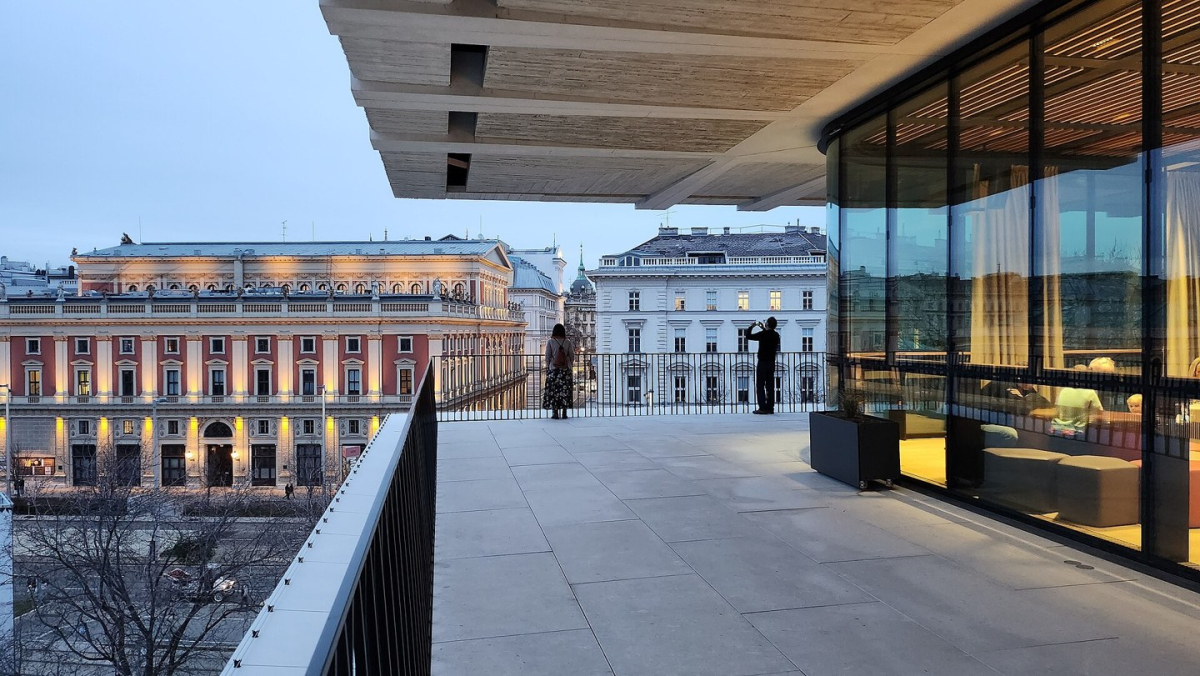
At Karlsplatz, the Wien Museum is the strongest starting point here for understanding Vienna as a lived city rather than only an imperial capital. Its permanent presentation, Vienna. My History, links objects and art to urban change. It can make later neighbourhood walks more rewarding: look for the relationship between the city’s buildings, social life and the people who used them.
Plan a lower-cost visit: the permanent exhibition is free; temporary exhibitions and other Wien Museum sites have their own arrangements. The building is at Karlsplatz 8 and normally closes on Mondays. The terrace photograph shows the relationship with Karlsplatz, not a promise of today’s weather or café availability. Combine the museum with the square or Karlskirche exterior, and check the exact programme if adding a paid exhibition. For additional context, use the guide’s History & Culture page.
Secession: Klimt’s Frieze and Art Being Made Now
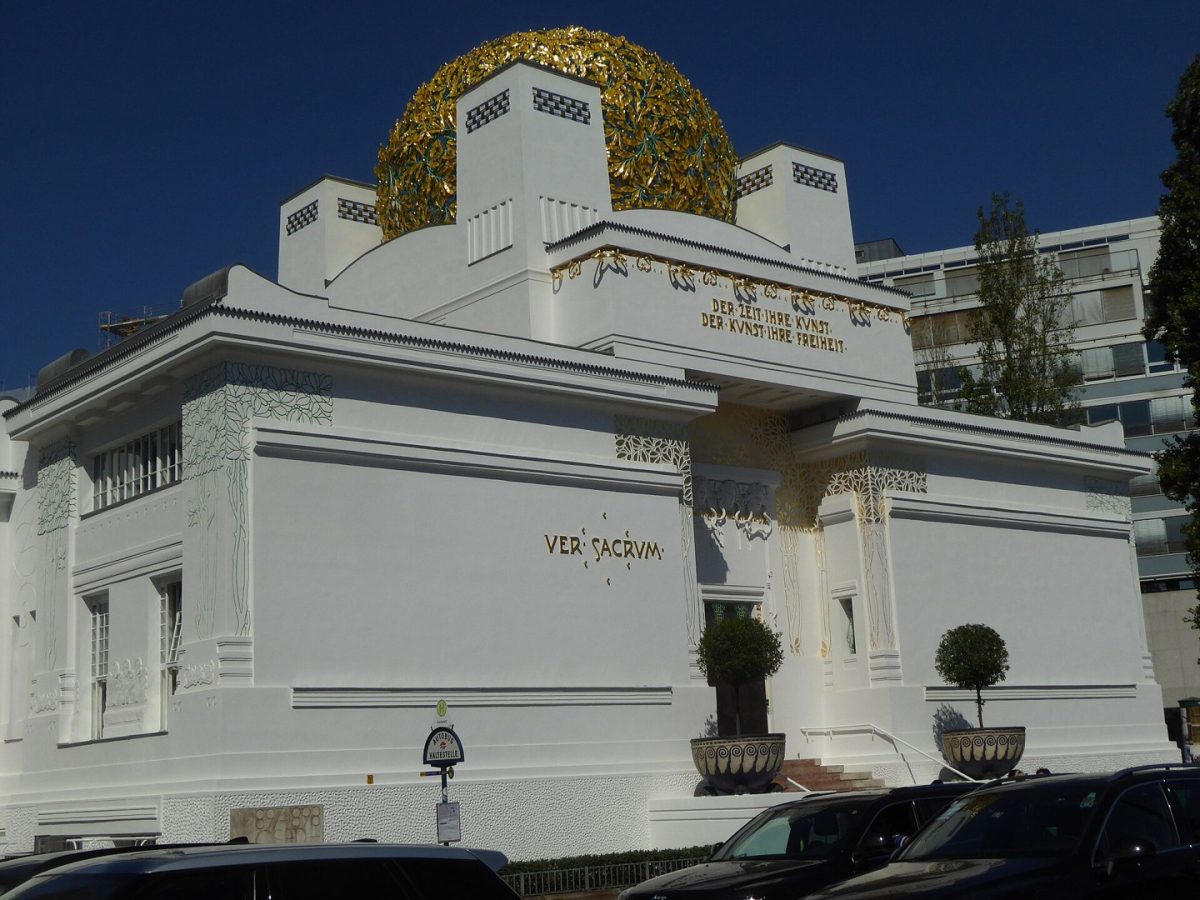
The gilded leaf dome is an architectural landmark, but a visit has two distinct reasons: Gustav Klimt’s Beethoven Frieze and the changing contemporary exhibitions. The frieze connects painting with the ambition to bring several art forms together; the programme upstairs introduces a different conversation with the present. This is a more focused stop than a large general art museum, especially if the frieze is your main interest.
Plan the programme: the Secession is at Friedrichstraße 12, near Karlsplatz and the Naschmarkt. The official information notes that only the Beethoven Frieze is available during installation periods for contemporary exhibitions. Check that distinction before paying or setting your visit length. It also describes lift access on the left side of the building, with a bell or front-desk assistance. The current first-Wednesday free-admission scheme is another option to check against your dates, rather than assuming every Wednesday is free.
Build a Museum Day That Leaves Time to Look
MuseumsQuartier: choose Leopold for the world of Viennese Modernism or mumok for a later, more experimental emphasis. Add the second only when its programme gives you a clear reason, with a courtyard and meal break between visits. Their usual closure days differ: Tuesday at Leopold, Monday at mumok. Check both calendars before relying on a combined ticket.
Karlsplatz: begin with the Wien Museum’s city history, then choose the Secession’s frieze and current exhibition as a shorter paid stop. Keep time for the public square or the Naschmarkt side. This pairing connects an overview of Vienna with one focused art visit, without requiring a full day of consecutive museum interiors.
Before buying: match the named building, exhibition, date and entry time; compare the price after any age reduction or pass benefit. Free child admission does not make the accompanying adult free. Check cloakroom rules and the complete step-free route, including the entrance and toilet; the accessibility section links the city’s planning tools. For passes, use City Passes & Tickets after choosing your actual visits.
Visitor conditions checked 20 October 2026. Regular opening patterns, combined products and free-entry schemes can have exceptions. Use the linked museum calendars for your day. Photographs show particular exterior or terrace views, not the current exhibition layout.
Museum Questions Worth Settling Before You Go
Which museum should I choose if I only have one art afternoon?
Choose by the work you want to see: KHM for older European painting, Upper Belvedere for Austrian art in its palace setting, Leopold for Viennese Modernism, Albertina for classical modernism and a selected show, or mumok for its current postwar/contemporary programme. The MAK is the stronger alternative when objects and design interest you more than paintings.
Are the Albertina and ALBERTINA MODERN the same entrance?
No. They are separate venues. Check the exhibition’s address and the ticket’s location before planning the walk or assuming admission is interchangeable.
Can I have a useful museum visit without paying?
The Wien Museum’s permanent exhibition is free. Other concessions and selected free-entry days have specific conditions; check the museum and date rather than assuming that all temporary shows or adult companions are included.
Group Nearby Sights
For the old centre, combine Stephansplatz, Michaelerplatz and one Hofburg institution. For an art day, choose the Kunsthistorisches Museum or a MuseumsQuartier collection, with an outdoor pause between them if you add a second. For the south side, the Belvedere and Wieden make a coherent area, while Schönbrunn deserves its own block west of the centre.
Use Itineraries for full-day sequences and Things to Do when you want an experience rather than another ticketed interior.
Frequently Asked Questions
Do I need to book everything in advance?
Reserve the visit or performance you would most regret missing, particularly where time slots apply. Keep some walks and neighbourhood time flexible.
Can I visit Schönbrunn and the Belvedere in one day?
You can, but they are separate sites with substantial interiors. For most first visits, choose one as the main commitment and allow the other a different day.
Which museum is best with children?
Choose by age and interest. Natural history or an interactive session may suit your family better than a long painting collection. Check the family section and the venue’s current programme.



