


Sign in
For Photos4Travel editors and team members.
USA · LAS VEGAS GUIDE
Best Time to Visit Las Vegas: Weather, Seasons & Trip Planning
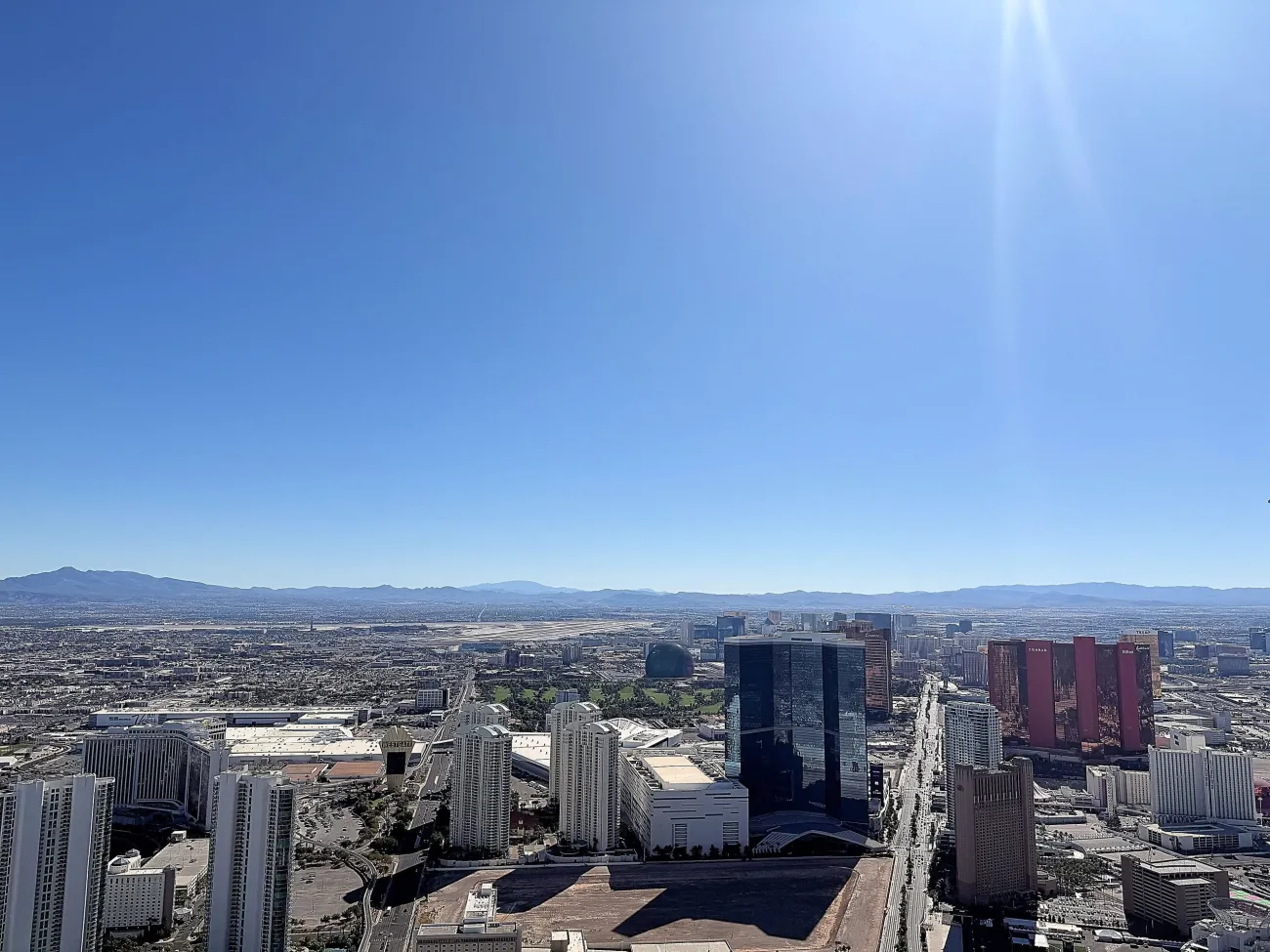
For a first visit with plenty of walking and outdoor sightseeing, we would start by comparing spring and autumn dates. Summer can suit an indoor-and-evening programme but needs a different pace, while winter works well for museums, dining and shows if you pack for colder nights. The best month is the one that fits your activities, actual room quote and current event schedule.
This guide separates long-term climate patterns from the weather for your stay. The National Weather Service 1991–2020 climate normals describe a baseline, not a forecast or a guarantee of comfortable conditions. Check the latest forecast and alerts before travelling, especially for a desert outing.
Choose the season for your trip
On smaller screens, swipe or scroll horizontally to read the full table.
| Your priority | Dates to compare first | What to check |
|---|---|---|
| Long outdoor sightseeing days | Spring and autumn | The actual forecast, event dates and hotel total |
| Pools and mostly indoor entertainment | Warmer months | The booked pool season, operating policy and heat exposure |
| Museums, dining and shows | Any season with suitable bookings | Production dates, closures and the journey between venues |
| Desert walks and independent outdoor trips | Cooler periods rather than peak summer heat | The specific destination forecast, trail conditions and reservations |
| A lower trip cost | Several exact date combinations | Complete hotel and transport quotes rather than a cheapest-month claim |
Las Vegas month by month
The table below summarises typical planning patterns, not numerical weather forecasts. Weather can vary from the long-term average. The surrounding desert and higher-elevation destinations can have different conditions from the city.
On smaller screens, swipe or scroll horizontally to read the full table.
| Month | Typical planning pattern | A useful approach |
|---|---|---|
| January | Cool days and colder evenings | Plan indoor highlights and pack a warm outer layer |
| February | Cool conditions with variable days | Leave flexibility for outdoor sightseeing and check the evening forecast |
| March | A transition toward warmer weather | Compare walking-focused trips; keep layers and a weather alternative |
| April | A stronger starting point for an outdoor-heavy city programme | Keep sun protection and check desert-trip conditions separately |
| May | Heat becomes a more important part of planning | Shift longer outdoor sessions earlier and check pool details |
| June | Hot and generally very dry conditions | Build the day around indoor breaks and shorter outdoor outings |
| July | Peak summer heat | Reduce exposed walking and use the current heat guidance |
| August | Strong summer heat continues | Keep plans flexible for heat and any storm alerts |
| September | Summer warmth can persist | Do not assume an early-autumn date means cool afternoons |
| October | A useful period to compare for mixed indoor and outdoor travel | Check the actual forecast and event-driven room quotes |
| November | Cooling days and colder evenings | Pack layers and check seasonal attraction schedules |
| December | Cool days with colder nights | Choose winter-friendly plans and verify holiday openings |
Spring: a flexible choice for a first visit
Spring is a useful starting point when you want to walk between resort landmarks, spend time in Downtown and add an outdoor activity. Treat the season as a range rather than one uniform climate: an early-spring evening and a late-May afternoon can call for different clothing and a different pace.
Keep one indoor alternative in the itinerary. A show, museum or longer meal can replace an exposed outdoor session when the forecast makes that a better choice. For a desert trip, check the actual destination and land-manager notices, not only the temperature shown for Las Vegas.
Good outdoor weather does not guarantee a lower hotel rate. Compare the total quote for the dates you can travel and check any event that would affect the area where you plan to stay.
Summer: design the trip around heat
Summer requires more deliberate choices about when and how long to be outside. A route that looks simple on a map can involve hot pavements, exposed crossings and waits at transport stops. Make your indoor breaks part of the plan rather than a last-minute response to an exhausting walk.
Keep outdoor photography and sightseeing in shorter sessions when conditions allow, and use transport for the gaps that would otherwise become long exposed walks. Pool time still involves sun and heat; check shade, access rules and the booked property's operating arrangements.
Follow the National Weather Service heat guidance and current alerts. Do not extend a hike or outdoor schedule merely because it was booked. Children, older visitors and people with particular health needs may require a more conservative programme.
Autumn: compare the dates within the season
Autumn offers another useful window for a mixed city trip, but summer warmth can continue into its earlier part. Use the actual forecast to decide how much walking belongs in the day. Later evenings can call for warmer clothing even when the afternoon feels comfortable.
Seasonal displays and evening events can add interest. Check the precise programme and its changeover periods, especially when a seasonal installation is one of the reasons for the visit. Book around the experience you want rather than assuming all advertised features operate continuously.
Winter: museums, shows and shorter outdoor outings
Winter can work well for a city-and-entertainment visit. Plan indoor highlights, leave room for daylight outings and carry a warmer layer for after dark. Air-conditioned indoor spaces and chilly outdoor evenings can make flexible clothing more useful than packing only for a desert stereotype.
Holiday opening times need individual checks. A venue that normally opens daily may have exceptions, and a scenic drive can use shorter seasonal hours. If you travel into higher terrain or onward to a park, examine that destination's road and weather conditions separately.
Events, conventions and room prices
Choose weather and budget together. Compare complete hotel totals for several date combinations with the same room conditions, then add the cost of your planned transport and tickets. A broad season label cannot tell you the price for a specific weekend or conference period.
The LVCVA convention calendar can help identify relevant events, but it describes a sample rather than every gathering in the city. Confirm important event details with the organiser and venue. See Travel Costs & Money for the full booking comparison.
What to pack and how to plan each day
- For walking: comfortable footwear and a route with places to sit or go indoors.
- For warm weather: appropriate sun protection and access to drinking water; reduce the exposed programme when needed.
- For cooler evenings: layers suitable for the forecast rather than relying on the daytime maximum.
- For photography: plan the light and check each venue's equipment rules before taking extra gear.
- For a desert trip: use the destination's forecast, access rules and return plan, not the city conditions alone.
Our Las Vegas itineraries can be rearranged around your weather and reservations. Keep the outdoor portions flexible and protect the time needed for an important show, meal or flight.
Travel TipKeep your desert outing movable until the forecast is clear. Fixed show tickets and flexible outdoor plans usually make a more workable combination than locking every day to the same weather assumption.
Frequently asked questions
What is the best month to visit Las Vegas?
There is no single best month for every trip. Spring and autumn are our starting points for outdoor-heavy first visits; compare exact dates against your activities, current weather and full accommodation quote.
Is Las Vegas too hot in summer?
Summer heat can materially change a trip. Reduce exposed walking, schedule indoor breaks and follow current heat alerts. Choose another period if long outdoor days are central to your plans.
Is winter a bad time to visit?
No. It can suit museums, dining and shows, with shorter outdoor outings and warmer evening clothing. Check holiday hours and the conditions at any destination beyond the city.
What is the cheapest month?
A month alone is not enough to establish the cheapest trip. Compare current full quotes for your actual dates and room conditions, and check events that may affect demand.
Can I use average temperatures as my travel forecast?
No. Climate normals describe a long-term baseline. Use a current forecast and alerts for the dates and places you will visit.
Tours, Tickets & Experiences
Las Vegas Travel Tips & Inspiration