

Sign in
For Photos4Travel editors and team members.

USA · LAS VEGAS GUIDE
Las Vegas Travel Guide
Las Vegas rewards a little planning. A well-placed hotel, a realistic walking route and one or two experiences booked in advance can make more difference than a long checklist. This guide helps you combine the Strip's landmark resorts with Downtown, museums, shows and desert scenery, with practical photography stops along the way.
On this page · 9 sections ShowHide
Start with three decisions: how much time you have, where your evenings will end, and whether you want to leave the city. Then choose your base, build an itinerary and compare the full travel costs.
Las Vegas at a glance
On smaller screens, swipe or scroll horizontally to read the full table.
| Decision | A practical starting point | Read next |
|---|---|---|
| Trip length | Allow three full days for a first look at the Strip and Downtown; this is our planning recommendation, not a minimum stay. | Las Vegas itineraries |
| Where to stay | Choose the area around your main evening plans rather than the lowest room-only quote. | Where to stay |
| Transport | Walk within one area and use transport between areas; a car is more useful for independent desert trips. | Getting around |
| When to visit | Balance outdoor comfort with your actual hotel and event dates. | Best time to visit |
| Budget | Compare the total room charge, transport and tickets, then add meals and discretionary spending. | Costs and money |
Choose your version of Las Vegas
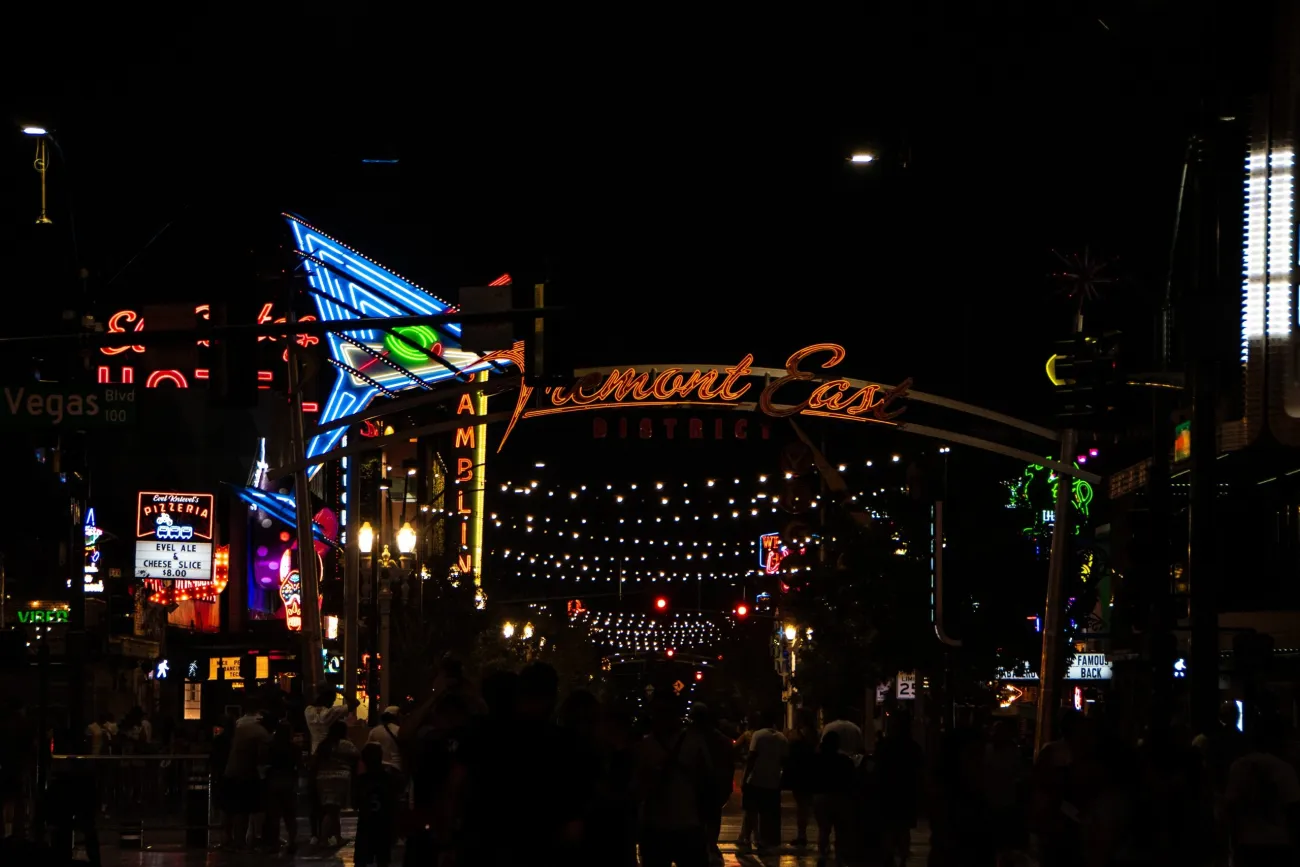
For a first visit, start with a focused section of the Strip rather than trying to inspect every resort. Combine a free public feature such as the Fountains of Bellagio with an indoor visit, a proper meal break and one evening reservation. The Things to Do guide helps you decide which attractions deserve your time.
Downtown makes a different day: museum time, smaller-scale streets around Fremont, and an evening under the lights. The Arts District adds galleries, murals and independent dining; it is a separate stop rather than another name for Fremont Street. Our map and neighbourhood guide explains how these areas fit together.
You can enjoy Las Vegas without gambling. Build a trip around design, live performance, food, museums or photography, and choose hotel features that support that trip. Families should check age, height and evening-entry rules for each venue rather than assuming that every attraction or pool has the same policy.
How many days should you allow?
Our suggested first-trip plan uses three full days: one for the central Strip, one for your chosen ticketed experience and another Strip area, and one for Downtown. Arrival and departure days are useful bonuses, but flight delays, baggage and hotel check-in make them unreliable foundations for expensive reservations.
With two days, choose either a broader Strip experience or a Downtown visit instead of compressing both into every day. With four or more, keep the city programme relaxed or add one carefully chosen day trip. Compare the destination, transport and return plan before treating a distant park as a spare afternoon.
Where to base yourself

A central Strip base is our straightforward starting point for a first visit centred on resort landmarks and shows. A south Strip base can suit a trip built around venues in that part of the corridor. Downtown works well when Fremont and museums are the main focus; allow a separate transfer for Strip evenings.
Off-Strip covers very different locations. Check the actual entrance, walking route and transport connection of each hotel. A lower nightly rate can lose its advantage if you repeatedly pay for rides. Choose your area first, then compare specific hotels.
When to go
Spring and autumn are sensible starting points for visitors who want to spend substantial time outdoors, but they are not a promise of mild weather or low hotel prices. Summer requires a different pace: shorter outdoor sessions, indoor breaks and attention to the current forecast. Winter suits a city-and-show itinerary, with warmer layers for evenings.
The National Weather Service publishes Las Vegas climate normals; these describe a long-term baseline, not conditions for your dates. Use the month-by-month planning guide alongside current weather and the event calendar.
Arrival and moving around
Harry Reid International Airport uses code LAS. Arrange your first transfer around the correct terminal, baggage and hotel entrance; see airport and transfers. For the rest of your stay, use walking for nearby stops and transport for the jumps between Strip sections, Downtown and off-Strip attractions.
The Las Vegas Monorail serves seven stations between MGM Grand and SAHARA. It is one part of the transport network; it does not take you directly from the airport to your hotel or to Downtown. See which transport fits your route before buying a pass.
Budget and booking priorities
Set aside money for the experiences that matter most to you, then balance them with free sights. Check the final hotel total, included facilities, parking, cancellation terms and any deposit before paying. Our budget guide separates unavoidable trip costs from optional upgrades.
Book timed or date-specific experiences before building meals and photo stops around them. Avoid two tightly spaced bookings on opposite sides of the city. Leave room for queues, resort corridors and a slower return after a show.
Photography and the desert
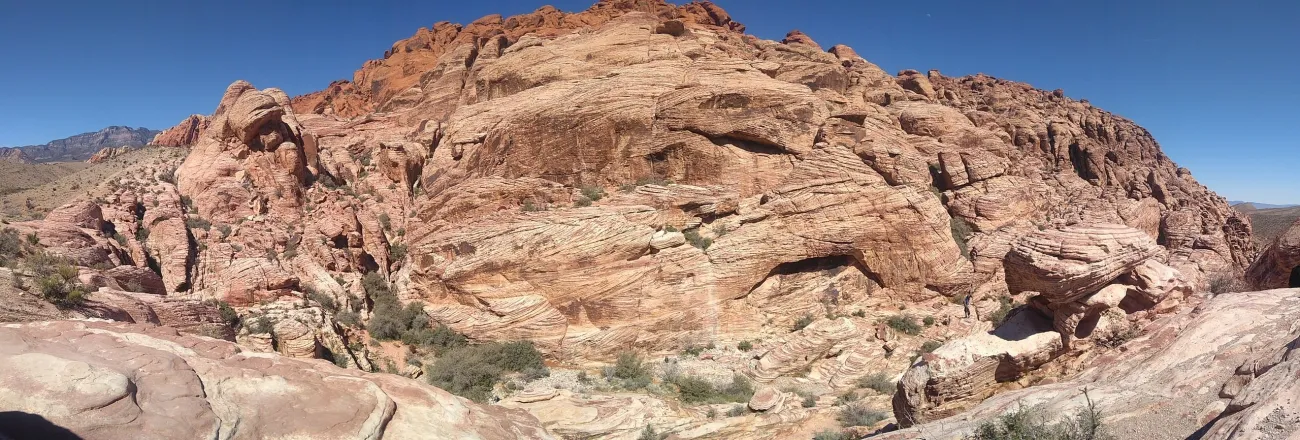
Las Vegas changes character as daylight fades. Choose a small number of viewpoints and give them time; moving continuously between famous names often means missing the light. Use the Photo Spots guide for viewpoint access, camera-equipment rules and photography permissions before booking a camera-focused visit.
A desert outing needs its own transport, weather and reservation checks. Start with the day-trip comparison rather than adding a distant destination to a city day already full of bookings.
Travel TipChoose your hotel area around the journeys you will repeat. A better location can save more useful holiday time than adding another attraction to the schedule.
Frequently asked questions
Is Las Vegas worthwhile if I do not gamble?
Yes. Choose the trip around shows, museums, architecture, food, photography or outdoor excursions. The strongest plan starts with your interests and treats the casino floor as optional.
Should I rent a car for the whole trip?
Not automatically. A Strip-and-Downtown itinerary can use walking and paid transport. Compare the extra cost of parking and rental days with the trips you actually need; use our transport guide.
Can I fit a Grand Canyon visit into three days?
It depends on which part of the canyon you mean and how much city time you are willing to give up. Treat it as a separate itinerary decision and compare the day-trip options before booking.
What should I organise first?
Choose your dates and accommodation area, then book the one or two date-specific experiences you would be most disappointed to miss. Fill the remaining space with nearby sights and photo stops.
Tours, Tickets & Experiences
Las Vegas Travel Tips & Inspiration