
ASIA · CHINA GUIDE
China Photos & Photo Spots: Light, Viewpoints & Access
Plan photography around the route you can actually travel and the access available on the day. A memorable image depends on viewpoint, light, weather and patience, not simply reaching a famous name. The places below cover the subjects from the older China photo pages, now brought together with useful planning context.
The Hong Kong skyline section is explicitly separate from mainland entry planning. The other sections cover Beijing, Guangxi and Shanghai. Photographs identify the scenes and their credited sources; they do not claim a personal visit, a recorded camera position or permission to stand in a restricted area.
Choose a photographic theme
On smaller screens, swipe or scroll horizontally to read the full table.
| Subject | Useful visual approach | Main limitation |
|---|---|---|
| Great Wall | Ridge lines and a clear foreground | Steps, weather and legal managed access |
| Li River | Layered hills with a simple foreground | Visibility, water and viewpoint access |
| Beijing Olympic buildings | Structure, scale and changing light | Event controls and separated entrances |
| National Centre for the Performing Arts | Shape and reflections | Wind, barriers and current security arrangements |
| Pudong skyline | Tower spacing and river foreground | Haze, crowds and changing illumination |
| Shanghai streets | Human scale and architectural layers | Traffic, privacy and pedestrian space |
Choose one main subject for a session and arrive with enough time to observe. A photograph from the river, a public promenade and an elevated deck can show similar buildings from very different positions. Check the actual viewpoint before buying transport or an admission ticket.
Keep a second composition in mind when conditions change. Low cloud may remove a distant ridge but leave a useful foreground; wind may break a reflection but reveal texture. Do not turn a photographic plan into a reason to ignore barriers, staff instructions or a safe return.
Great Wall: ridge lines and scale
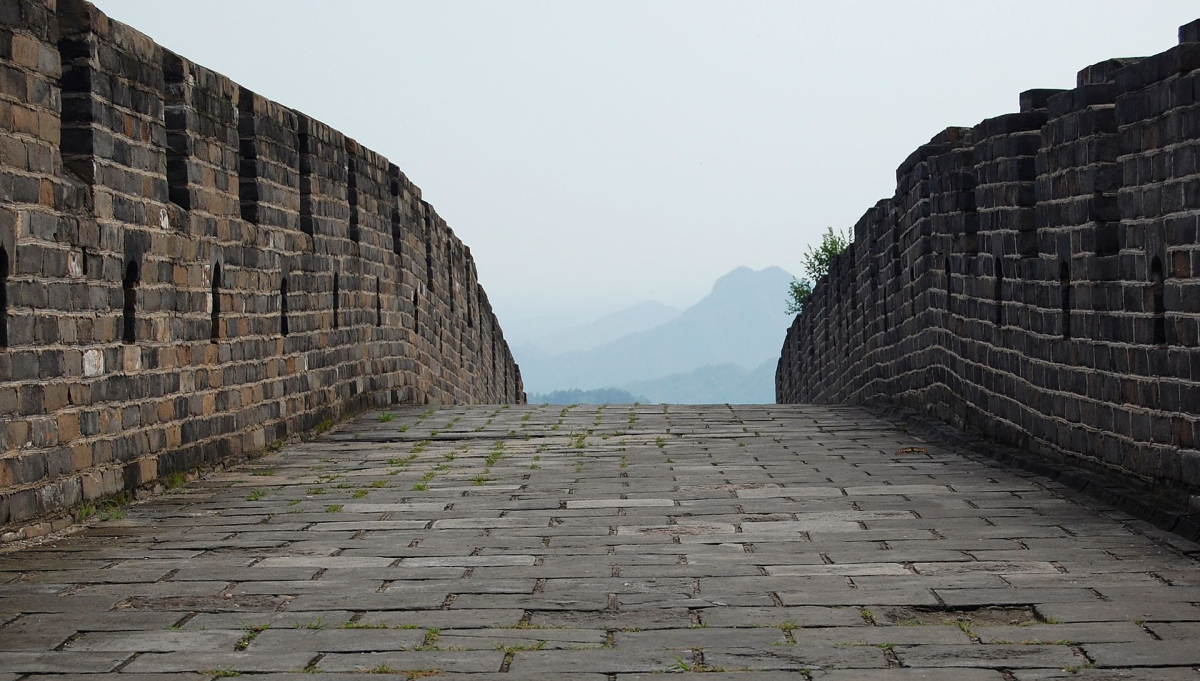
The wall’s strongest visual feature is its relationship with the ridge. Look for a foreground curve, a sequence of towers and a background that does not merge into featureless haze. A wider view can explain scale better than filling the frame with one watchtower.
At a managed section such as Mutianyu, choose a walking distance that leaves energy for the return. The most dramatic distant tower is not automatically the best practical destination for your group. Steps, wind and slippery surfaces affect the session, and cable transport does not remove every climb.
Light and foliage vary by season, but there is no guaranteed “empty wall” hour. Stay within authorised access and do not enter an unrestored section to reproduce a photograph. Leave room for other visitors to pass rather than spreading equipment across narrow stairs. The Great Wall experience notes cover the wider excursion decision.
Li River: layers, weather and river access
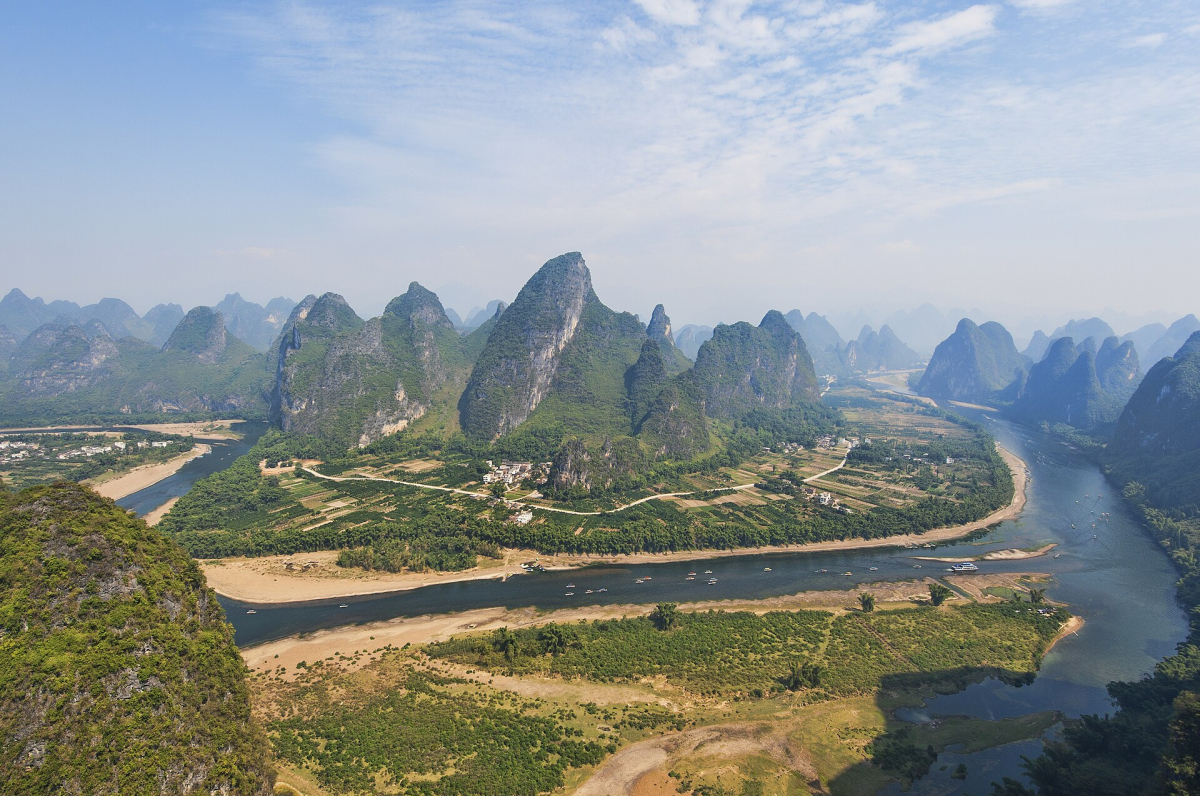
The Guilin–Yangshuo region rewards simple compositions: a river bend, a group of limestone hills and a modest foreground can be enough. Haze can create layers, while heavy cloud or rain can obscure the forms entirely. Allow several opportunities if landscape photography is the trip’s main purpose.
Distinguish the Li River from the Yulong River and other local waterways. Similar karst scenery does not make every photograph the same place. A boat outing, roadside stop and village path also provide different access, movement and equipment constraints.
Do not step onto working docks, private land or unstable river edges for a familiar composition. Confirm the legal approach and return, especially before dawn or after dark. A paid photographic scene should have clear terms and should not be presented as spontaneous daily life if it is staged. Keep weather and water conditions above the desire to obtain a particular reflection.
Beijing National Stadium: structure and human scale
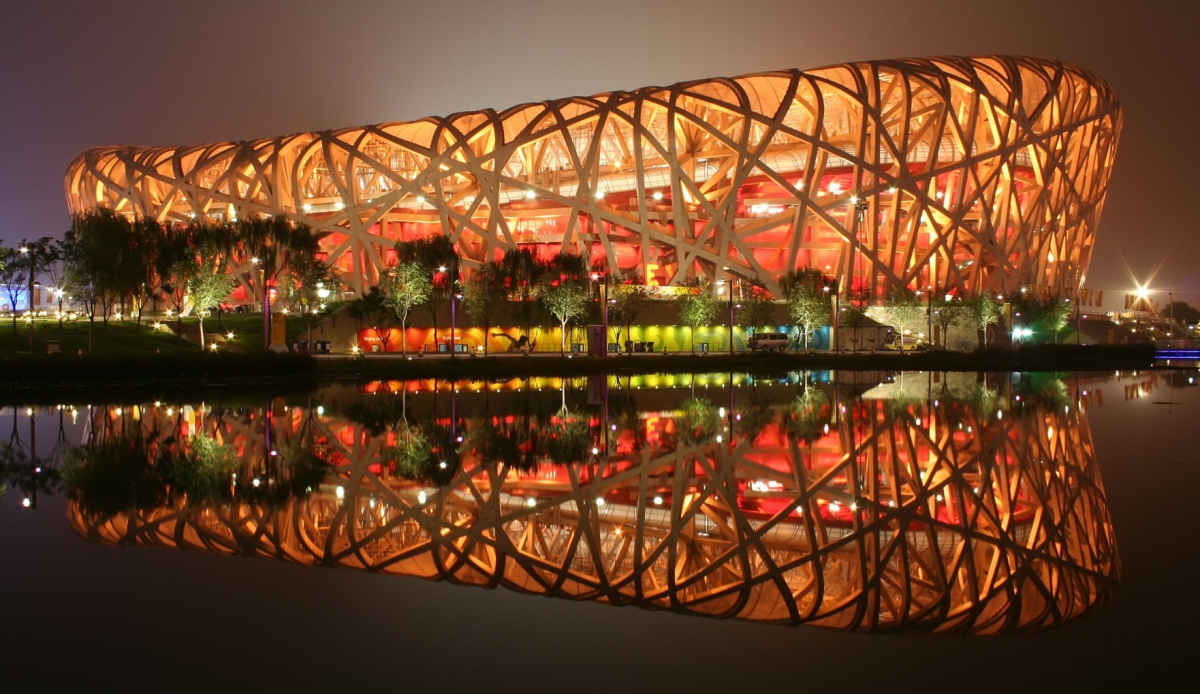
The National Stadium, often called the Bird’s Nest, offers an architectural subject built around its interlaced outer structure. A broad view can show its shape, while a closer authorised viewpoint can emphasise the pattern. Including a small human figure can communicate scale without needing an extreme wide-angle lens.
Choose the light for the effect you want. Daylight can show material and structural detail; dusk can separate the building from the sky if illumination is operating. Do not assume a particular lighting pattern from an older image.
Check current event controls and public approaches. An exterior photograph does not establish that the interior is open or that a ticket provides free movement around the surrounding area. Keep equipment out of pedestrian routes and plan the return from the actual end point of the session.
National Aquatics Centre: surface and colour
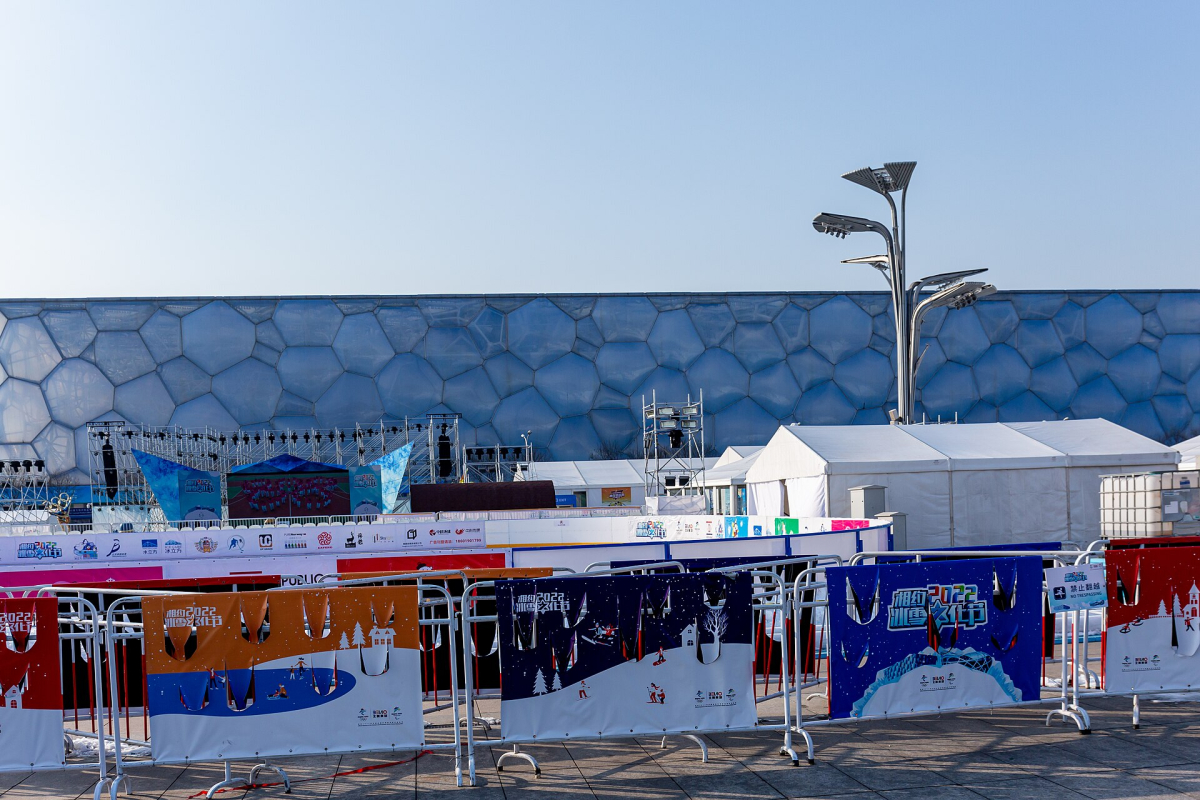
The National Aquatics Centre, commonly known as the Water Cube, has a different visual language from the National Stadium. Its surface, colour and geometric pattern can support a closer composition rather than another distant building panorama. Keep the subject distinct even when both are part of the same area visit.
Light changes the appearance of the exterior, and evening illumination is an operating condition rather than a permanent photographic guarantee. Use the current scene instead of forcing a previous image’s colour palette. A small amount of surrounding space can explain the building’s scale.
The building’s Olympic history does not establish its current visitor activities or interior access. Check the specific product or event if entering matters. For an exterior session, respect barriers and avoid assuming a reflective water edge is a public standing point. Combine nearby subjects only when the walking and return route remain comfortable.
National Centre for the Performing Arts: form and reflection
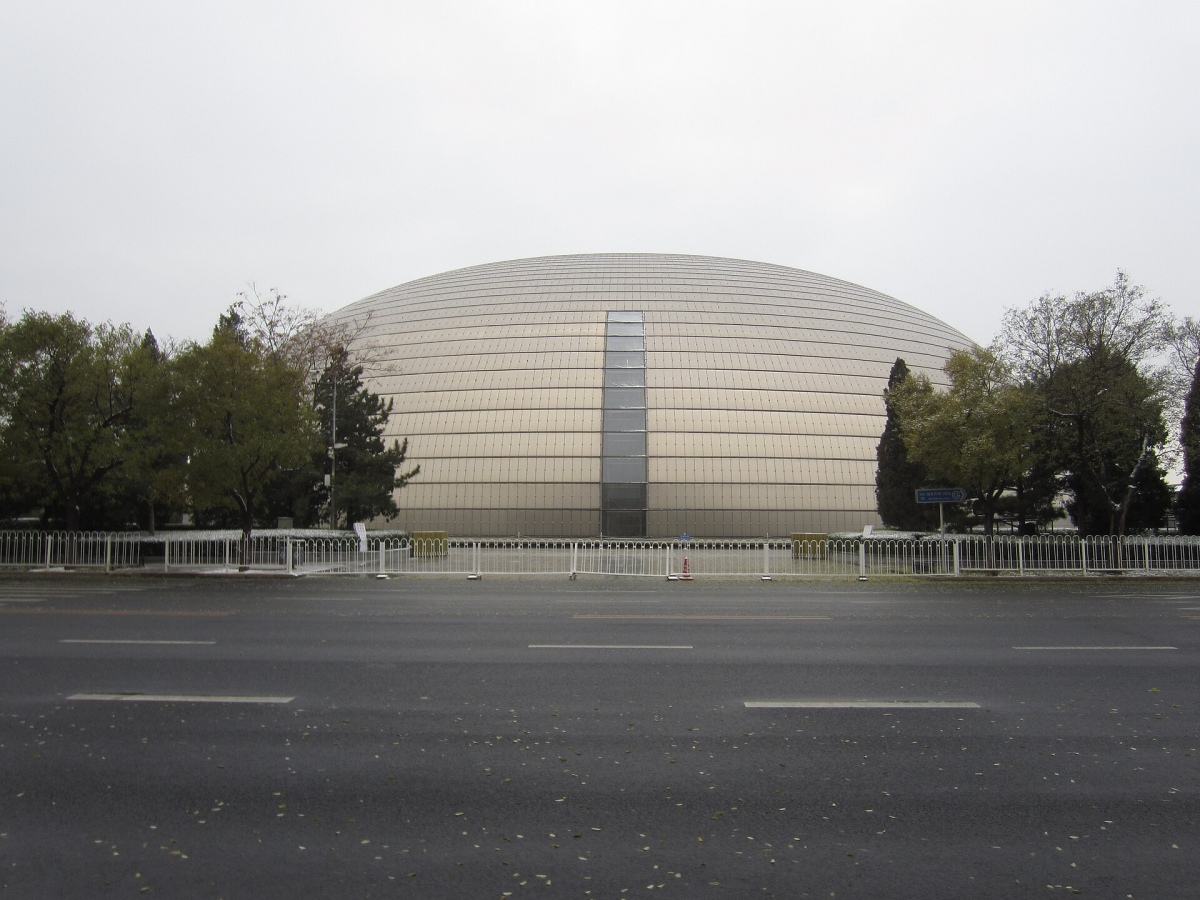
The National Centre for the Performing Arts offers a curved form that can be balanced against water, sky and a carefully chosen foreground. Reflections depend on wind and surface conditions, so a symmetrical image should be an option rather than the only reason to visit.
Watch the horizon and avoid excessive correction that makes the architecture look unnatural. A wider composition may explain the setting; a tighter one can emphasise the contrast between metal, glass and water. Choose from the viewpoints available to the public on the day.
Current security arrangements and event operations can affect access. An exterior visit and a performance ticket are separate decisions. Do not move into controlled space or assume that an older photograph records a currently permitted camera position. The Beijing evening guide explains the related performance-planning questions.
Pudong: skyline spacing and blue hour
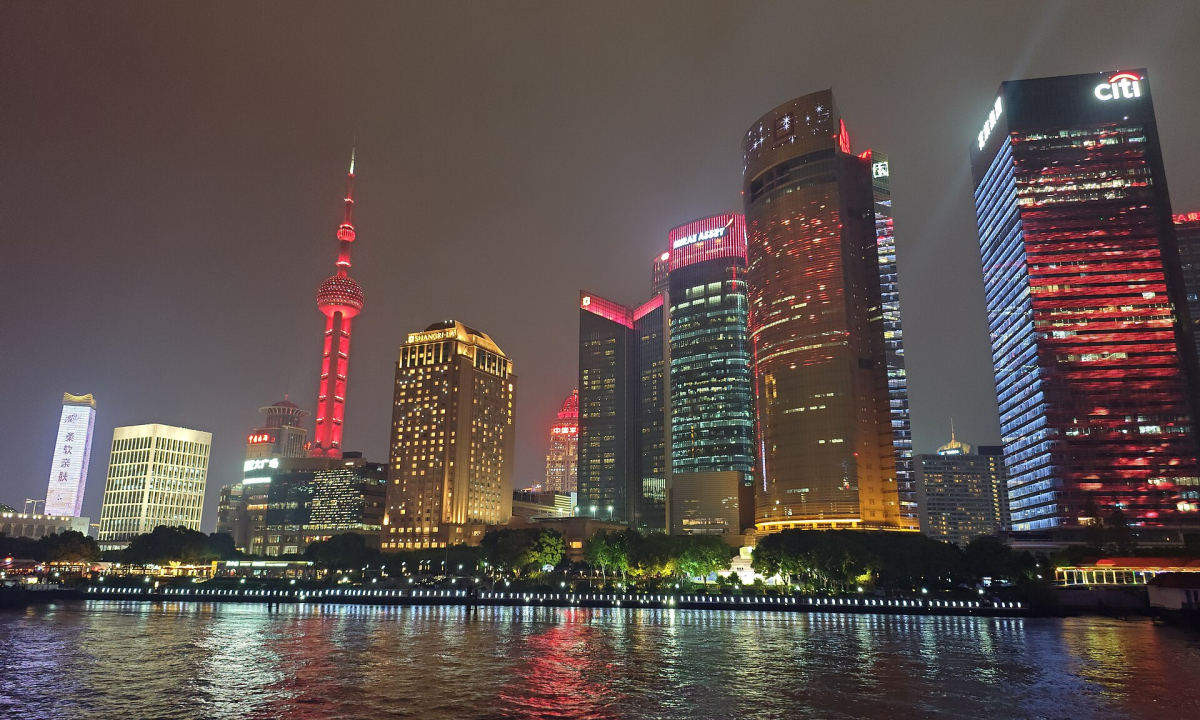
From the Bund, Pudong’s towers can be organised by their spacing rather than treated as one undifferentiated line of buildings. Move within the permitted promenade to see how overlaps change, then choose a clear foreground and horizon. A slightly longer lens can simplify the scene when a very wide view feels crowded.
Blue hour can balance building lights with the remaining sky, but haze, rain and illumination schedules affect the result. Do not promise a fixed nightly display or assume every tower will be lit as in the photograph. Protect the camera from weather and keep a practical return route.
A boat produces a moving viewpoint and different exposure demands. An observation deck can introduce glass reflections and its own rules. Compare those formats with a public riverfront session before buying access. None guarantees the same angle or conditions.
Shanghai: streets beyond the skyline
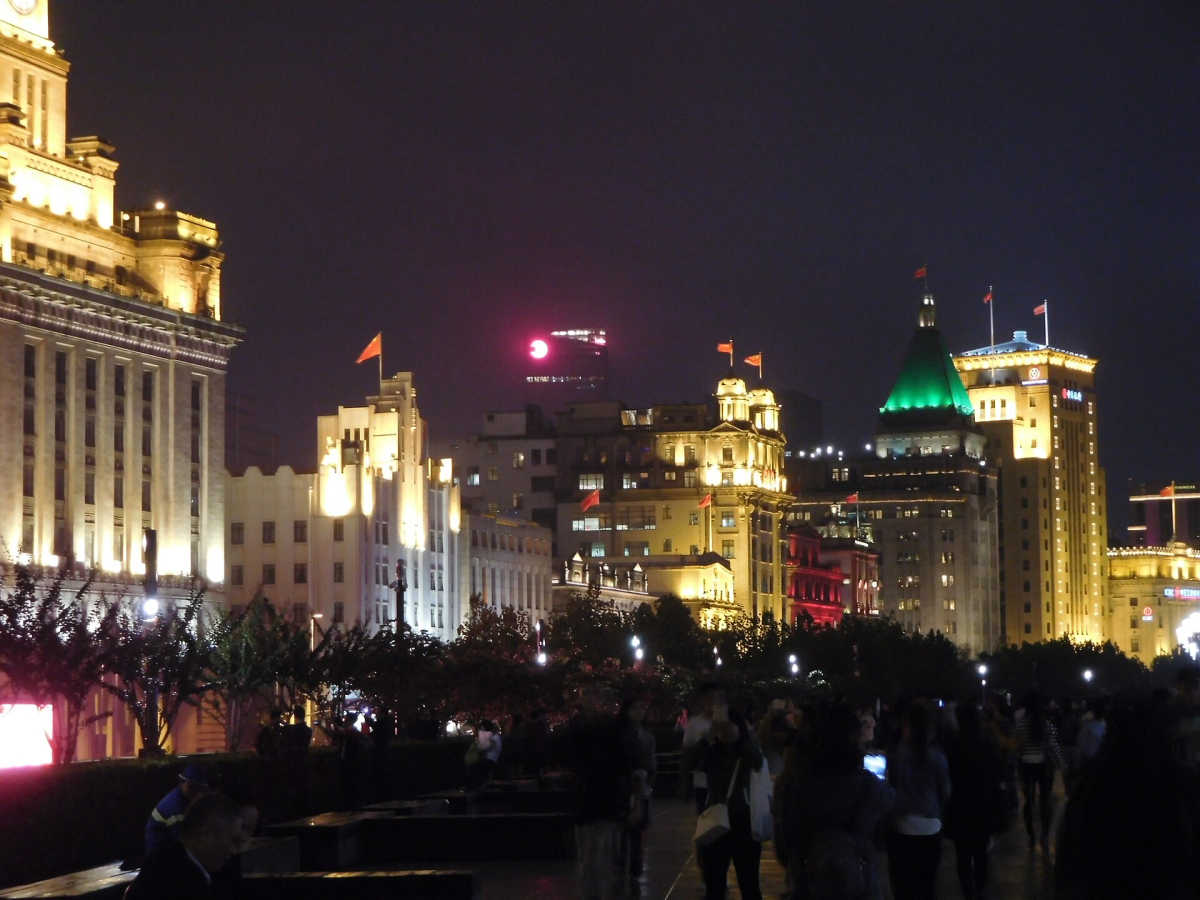
Use Shanghai’s streets, façades and river relationships to create a different set of photographs from the Pudong panorama. Look at a doorway, a line of buildings or the scale of pedestrians against architecture. A coherent small series can say more than several nearly identical skyline views.
Choose a walk that respects traffic and people’s privacy. Stay out of working entrances and ask before close portraits. A café window or indoor viewpoint may require permission, and a purchase does not automatically grant the right to use professional equipment.
Historic-looking buildings can contain modern uses or altered interiors. Describe what the photograph actually shows rather than inventing a date, owner or unchanged historical function. The China cultural-context guide helps distinguish Shanghai’s urban layers from the imperial themes of Beijing and Xi’an.
Hong Kong: Bank of China Tower skyline note
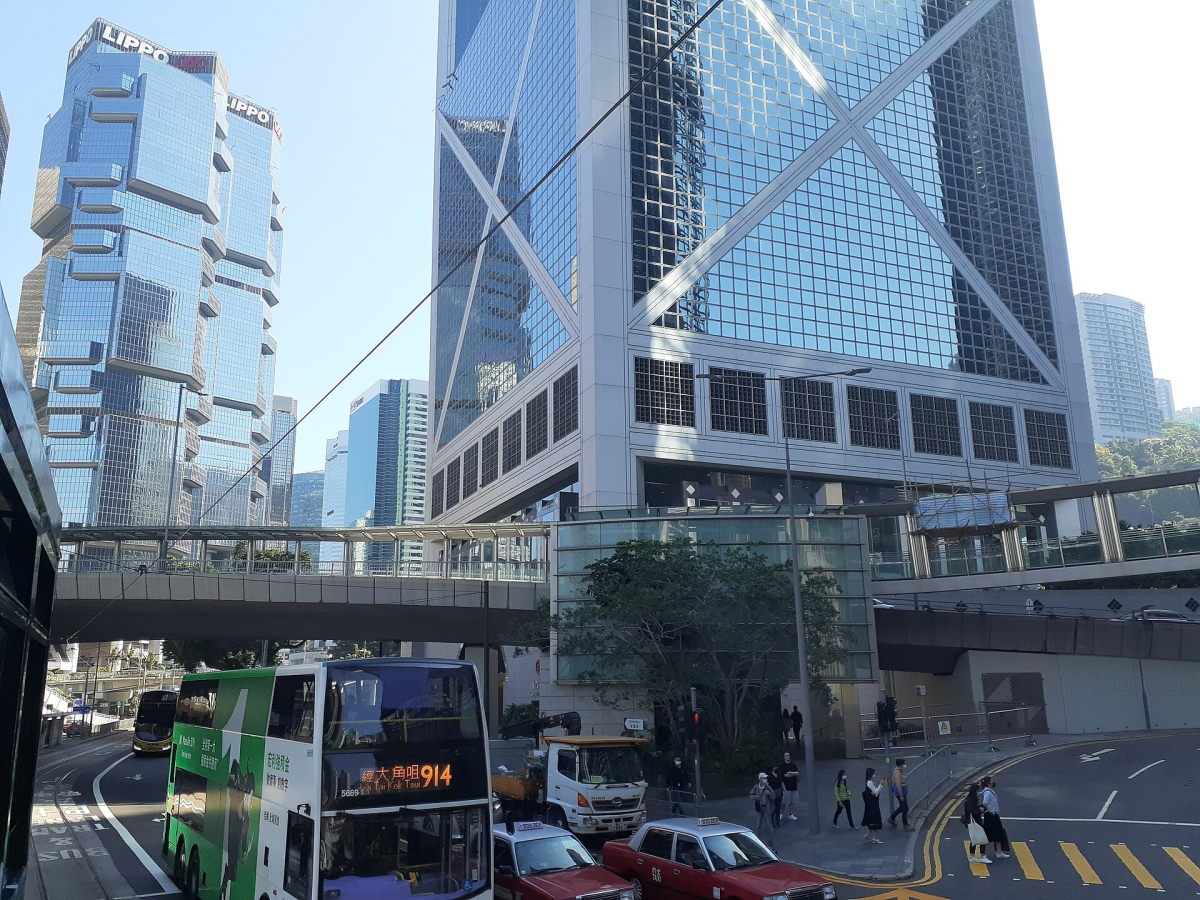
The Bank of China Tower subject in the older collection is a Hong Kong skyline scene, not a mainland Beijing building. Keep that geographic distinction explicit. The tower’s triangular structure can be framed within the wider Central skyline rather than isolated without context.
Choose a public viewpoint and confirm the approach and return using current Hong Kong information. A harbour view, an elevated viewpoint and a close street-level composition are different sessions. The source photograph does not establish a precise camera position or present-day lighting schedule.
Do not add Hong Kong to a mainland route without checking its separate entry arrangements and any return to mainland China. Use the existing Hong Kong Travel Guide as a separate planning starting point. This section preserves the photographic subject while avoiding the impression that every practical mainland rule applies there.
Equipment, access and a workable session
Carry only equipment you can manage through public transport, security and the full walking route. A tripod is useful only where permitted and where it does not obstruct others. Keep a small weather-protection plan and enough power for navigation as well as photography.
Use the current site rule for flash, tripods, drones and interior photography. Do not infer permission from the absence of a sign or another visitor’s behaviour. Sensitive infrastructure, performances and commercial shoots can require additional approval.
Finish with time to return safely and protect the following day’s travel. A late skyline session should not quietly turn an early station transfer into a sleep-deprived rush. The transport guide and seasonal guide help make the photographic plan part of a practical trip.
Photos & Photo Spots FAQs
Are these exact camera coordinates?
No. The guide describes subjects and practical visual approaches. It does not invent recorded camera locations or guarantee access to a position shown in a source photograph.
Is the Bank of China Tower section in mainland China?
It concerns Hong Kong, which has separate entry arrangements. The section explicitly distinguishes it from mainland travel and preserves the older collection’s subject.
Can I use a tripod or drone at every location?
No. Check the current site and local rules. Public access, an admission ticket or another visitor’s behaviour does not automatically grant equipment permission.



