
Sign in
For Photos4Travel editors and team members.
Bahamas · Is the
Is the Bahamas Safe? Practical Health & Safety Advice
The U.S. Department of State advises travellers to exercise increased caution in The Bahamas (Level 2) because of crime. Most crime occurs in Nassau and Freeport, but violent crime can occur anywhere in the country. Check the current travel advisory before you go.
On this page · 8 sections ShowHide
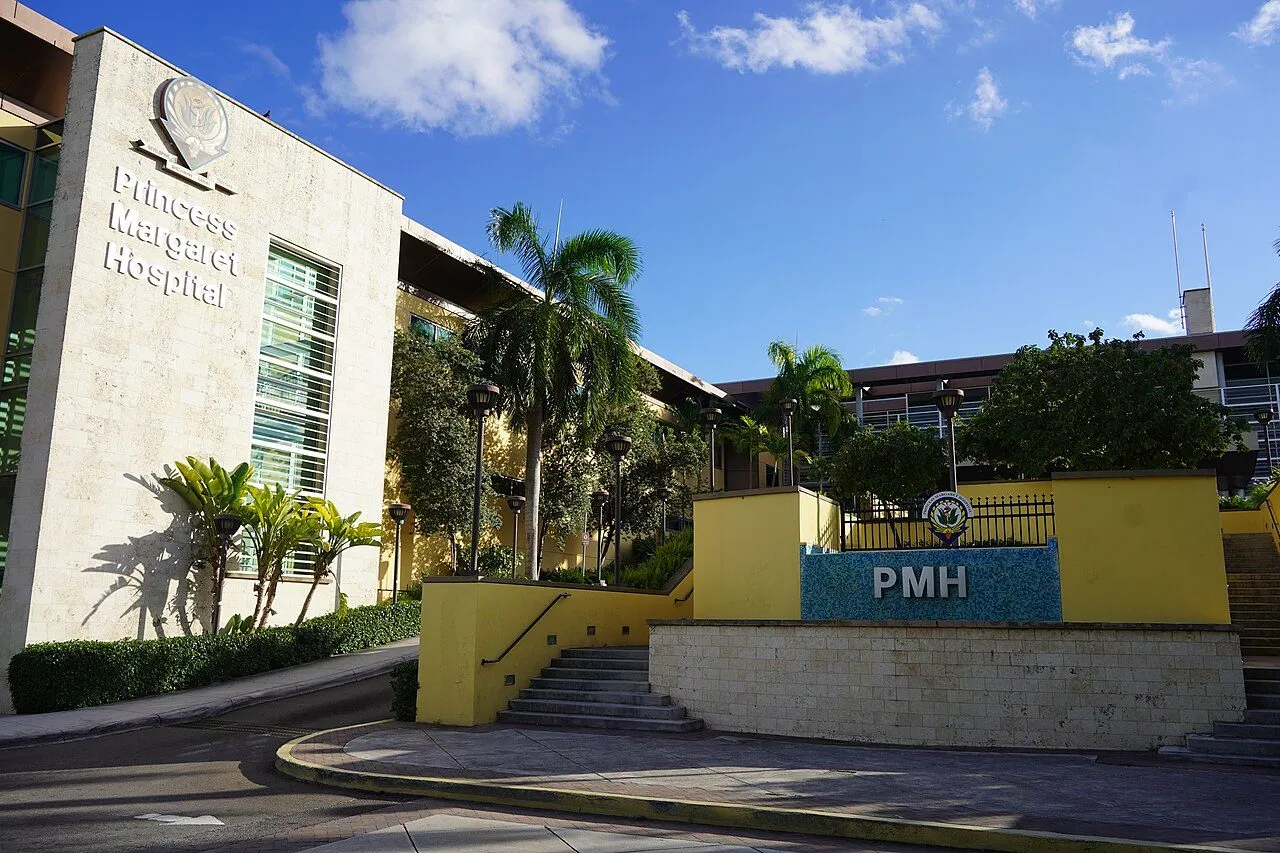
Use current official travel advice alongside local instructions. This guide focuses on the choices a visitor can make before and during a trip, without treating every island or activity as equally risky. For entry paperwork and route-dependent vaccination certificates, see the separate Bahamas visa and entry guide.
Editorial responsibility: Photos4Travel · Research and editorial standards.
Is the Bahamas safe to visit?
The US State Department’s Bahamas advisory, checked on 17 November 2026, advises increased caution because of crime. It identifies Nassau and Freeport as the main concentrations and specifically calls for alertness in Nassau's Over the Hill area, south of Shirley Street. That is a specific area to consider when planning a route, not a direction to avoid the whole city or a guarantee about other neighbourhoods. The advisory also covers vacation-rental security, watercraft standards and beach risks.
Choose accommodation partly for how you will return to it. A room described as “near downtown” can still require a vehicle for the evening journey you want to make. Ask about the entrance, reception arrangements and reliable transport after dark. Check doors and balcony access on arrival, and report a broken lock promptly rather than assuming someone else has noticed it.
On a daytime walk, carry only what you need and keep the return route simple. Arrange transport before a late meal or event, travel together and avoid isolated beaches after dark. A quiet beach can be appealing in daylight without being a sensible route home at night. If confronted by an armed robber, do not resist; personal safety matters more than property.
Everyday decisions that are worth making in advance
| Situation | Ask or arrange | Reason to change the plan |
|---|---|---|
| Dinner away from your hotel | A recognised taxi and the return pickup | No clear way home, an isolated walk or an impaired driver |
| Boat or snorkelling excursion | Named operator, suitable life jackets, weather decision and return time | Missing equipment, overloading or pressure to ignore an alert |
| A remote beach | Access, current conditions, company, water and a return route | Rough surf, an unsafe approach or no suitable place to enter |
| Family Island stay | Nearest medical help and evacuation insurance cover | The location cannot support an essential medical need |
| Rental car collection | Insurance, tyres, lights, seat belts and emergency contact | An unsafe vehicle or unresolved damage disagreement |
Keep a little flexibility in the budget for a safer decision. An extra taxi, a cancelled outing or a replacement night may feel wasteful after prepaying for the holiday. They are still preferable to continuing with an unsuitable plan simply because money has already been spent.
Beaches, currents and snorkelling
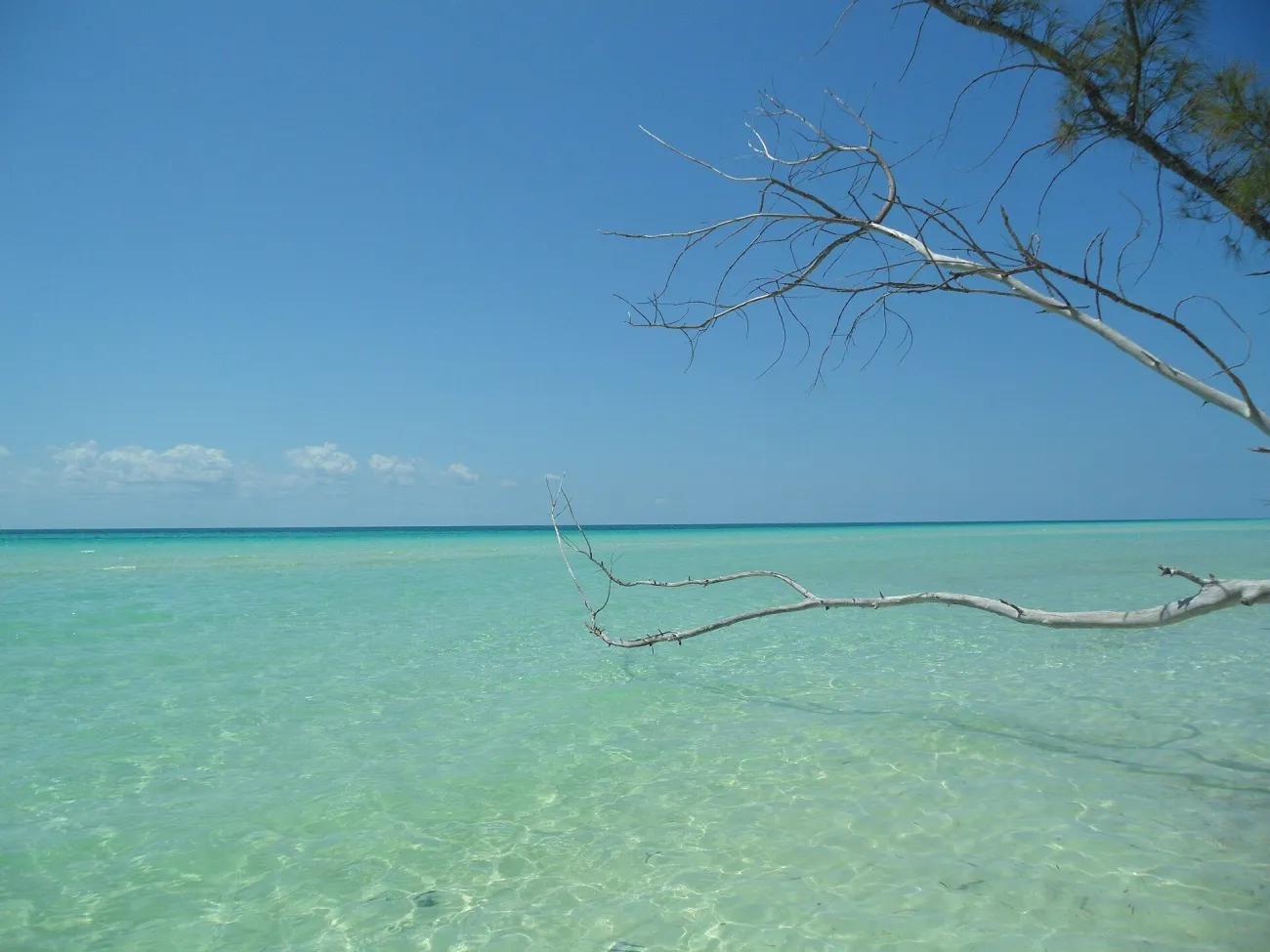
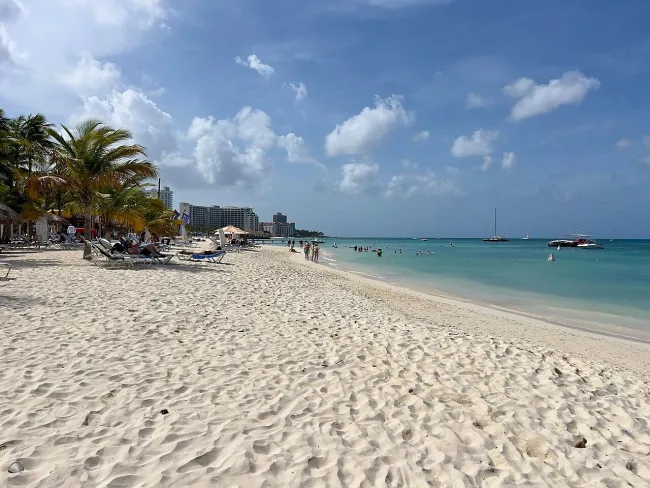
Clear water can hide depth changes, currents and a difficult exit. Choose a designated swimming area where possible, follow warning flags and ask locally about that day’s conditions. Stay clear of boat channels and active watercraft. A beach described as family-friendly in a guide still needs a fresh assessment when you arrive.
For a snorkelling tour, tell the operator about your actual ability and any health issue that could affect participation. Ask how beginners are supervised and whether you can remain on the boat. Equipment is only one part of the decision: you also need an entry, an exit and conditions appropriate to your fitness. Children need direct adult supervision, even beside a shallow-looking shore.
The UK’s Bahamas safety advice warns about shark attacks, night swimming and entering water where marine life has been attracted with bait. Do not join an encounter because a photograph makes it look controlled. Stay out of baited water and follow local warnings. For remote coves or exposed rock pools, low tide alone does not establish safety.
A blue hole or underwater cave is not an ordinary swimming pool. Avoid jumping where depth and submerged obstacles have not been established. Overhead diving environments require appropriate specialist training and equipment; watching another swimmer enter a cave does not make the same route suitable for you.
Choose the operator before choosing the photograph
Ask a boat company for its legal business name, departure dock, passenger arrangements, safety equipment and weather cancellation policy. Check that there is a suitable life jacket for each traveller, including children. Be willing to leave if the actual boat differs materially from the booking or the operator dismisses a serious concern.
Official advisories flag poor regulation and reports of sexual assaults involving some jet ski operators. The issue deserves more care than a quick purchase from someone approaching you on a beach. Book through a provider you can identify and contact, and assess whether the activity is worth its risks for your group. A hotel referral is useful background rather than a substitute for the checks above.
Make the boundaries of a wildlife encounter clear to children before arriving. Do not chase, lift or corner animals for a picture. Keep distance from feeding activity and leave the water if instructed. An advertised close encounter is not a reason to touch a wild animal or ignore the guide’s safety instructions.
Health preparation: mosquitoes, food, water and heat
Review the CDC’s Bahamas travel-health guidance with a healthcare professional before departure. It covers routine vaccinations and itinerary-dependent prevention, including mosquito-borne dengue and Zika. Pregnancy, immune conditions, a long visit or a remote itinerary can change the advice you need.
Use suitable insect repellent according to its label, cover exposed skin when practical and choose screened or air-conditioned sleeping areas. Pack the protection you intend to use rather than hoping a small shop will stock your preferred product. A sea breeze at the beach does not remove the need to think about mosquitoes at your accommodation or beside mangroves.
Ask your accommodation about its drinking-water supply and any local advisory. Where water safety is uncertain, use sealed bottled water or properly treated water, including when brushing teeth if advised. Choose freshly prepared food, wash hands before eating and take extra care with raw seafood. Keep a supply of drinking water for a long beach outing; finding none at the destination is a planning problem you can avoid.
Schedule demanding walks early, take shade breaks and drink regularly. Alcohol is a poor substitute for water on a hot boat trip. If someone becomes seriously unwell, seek medical help rather than trying to complete the itinerary. For illness after returning home, tell the clinician where you travelled and what activities or exposures were involved.
Medical care and insurance on the Family Islands
Call 911 or 919 for an ambulance. The FCDO health page explains that emergency facilities are limited on the Family Islands and serious cases may need an air ambulance to Nassau, Freeport or Miami. Medical care can be expensive, so check both treatment and evacuation cover before choosing a remote stay.
Ask the insurer about your actual activities: snorkelling, scuba diving, boat excursions, golf carts or other rentals may have conditions. Also ask about an evacuation to the United States if that possibility would affect coverage. Keep the policy and assistance number accessible to another person in your party.
Bring enough essential medication for the visit and plausible travel delays, in appropriate original packaging with the prescription details. Verify any restrictions with the relevant authority. If you need refrigeration, electrical equipment or regular specialist care, ask the property and clinician about the arrangements before paying. A description such as “private island escape” is not a medical-access plan.
Roads, payment security and changing weather
Traffic drives on the left. Rehearse the first roundabout with your rental company, use seat belts and leave unfamiliar rural driving for daylight. For a beach outing, plan the return before setting off: rough access tracks, a missing sign and fading light are a difficult combination. The Bahamas transport guide helps distinguish places where a car is useful from stays where taxis are simpler.
Before packing, empty and inspect any bag previously used for hunting or shooting. The same US advisory's local-law guidance, checked on 17 November 2026, warns that firearms and ammunition, including small amounts left in luggage by mistake, can lead to arrest. It also says marijuana and its derivatives, including CBD products, are illegal; a cannabis prescription or medical card does not create an exemption. Leave those products out of your travel bag.
Use a recognised ATM in a bank or established business, shield your PIN and monitor transactions. The Canadian travel advice flags card and ATM fraud. Carry a backup payment method separately, and avoid exposing every card and all your cash during a routine purchase.
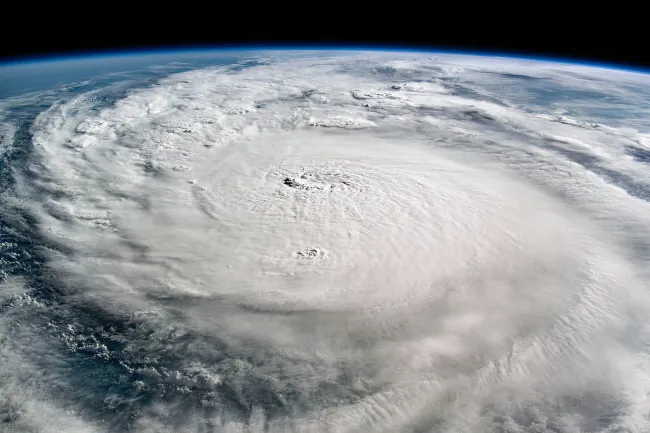
During hurricane season, monitor Bahamian weather alerts and follow local instructions. Check your accommodation’s arrangements for power or water disruption. Keep devices charged and know how the operator will contact you about a cancelled flight or sailing. Read the weather guide when choosing dates; daily marine conditions remain a separate check in every season.
Bahamas safety questions
Is the Bahamas safe for a first-time visitor?
Read current official advice, choose accommodation and transport carefully, and assess water activities separately from the resort stay. Conditions differ across the islands; avoid treating either a reassuring review or an alarming headline as a complete trip assessment.
Can I swim anywhere the water looks calm?
No. Check the local warnings, designated areas, currents, depth and boat traffic. Clear or shallow-looking water does not establish safety, and conditions can change during the day.
What emergency number should I save?
Save 911 and 919, your accommodation contact and your travel insurer’s assistance number. Also know the address or location you would give when asking for help.
Do I need insurance for an Out Island holiday?
Check cover for medical treatment, evacuation and your activities. Limited emergency facilities make this especially relevant for a Family Island stay; a standard policy may exclude an activity or impose conditions.
Should I book a jet ski from a beach vendor?
Official advisories flag operator and safety concerns. Use an identifiable, reputable provider, check equipment and supervision, and decline if you are uncomfortable. A spontaneous low price is not a useful measure of safety.
Tours, Tickets & Experiences
Bahamas Travel Tips & Inspiration