
User login
Bahamas Airport
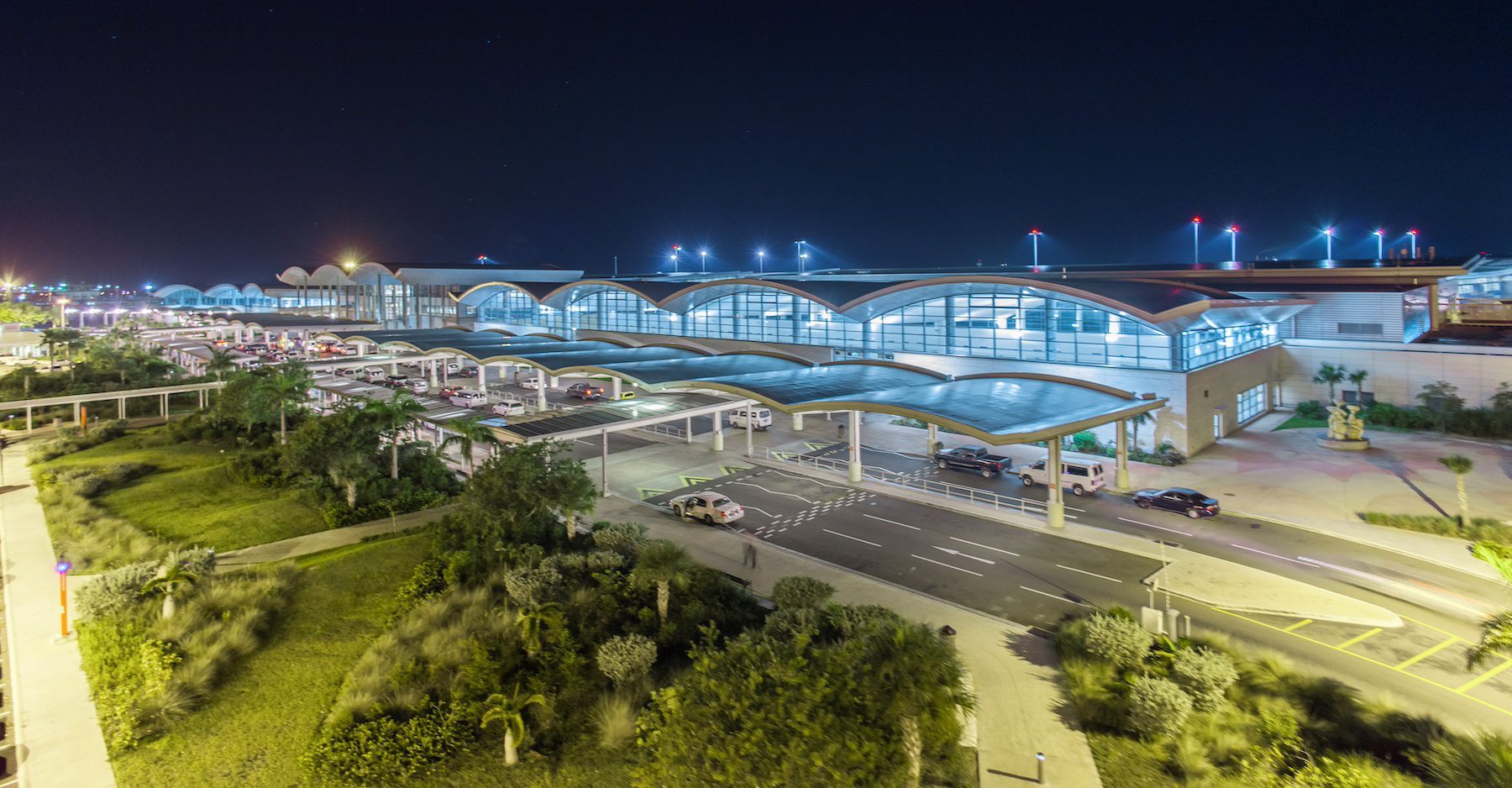
Bahamas Airports – Main Gateways to the Islands
For most travelers, the first glimpse of the Bahamas is from the air: ribbons of white sand, shallow sandbanks and electric-blue water stretching in every direction. The country is made up of more than 700 islands and cays, and its airport network reflects that geography. A few well-connected international airports welcome long-haul flights, while a wider web of smaller domestic airports and airstrips makes island-hopping possible. Understanding how these airports work will make your journey smoother and help you build a smart itinerary around flight schedules, connections and seasonal routes.
This guide focuses on what to expect when flying into the Bahamas, how to move between islands and which airports are most useful for different types of trips. For a broader overview of the destination, including culture, neighborhoods and key regions, see the main Bahamas Travel Guide and the detailed About the Bahamas page.
Overview of Flying to the Bahamas
The Bahamas lies just off the coast of Florida, which makes it one of the easiest Caribbean destinations to reach from North America. Daily flights operate from major U.S. hubs such as Miami, Fort Lauderdale, Atlanta, New York and Charlotte, as well as seasonal services from Canada and Europe. Many visitors fly directly into Nassau, the country’s capital and main entry point, then continue by domestic flight or ferry to islands like Exuma, Eleuthera or Abaco.
If you are planning a multi-island holiday, it is helpful to think of Bahamas airports in three groups:
- Major international gateways that handle long-haul and regional flights.
- Domestic hubs that link popular Out Islands to Nassau and, in some cases, to Florida.
- Smaller local airstrips serving boutique resorts and remote cays, often with limited schedules and small aircraft.
Flight schedules can be highly seasonal, especially on smaller islands, so it is wise to book well in advance and double-check connections before confirming accommodations. On some routes, ferries or water taxis may be a useful alternative; the Bahamas Transportation Guide explains how to combine flights with sea travel.
Main International Gateways
Several airports in the Bahamas welcome international flights, but a few stand out as the primary entry points for leisure travelers.
- Lynden Pindling International Airport (NAS – Nassau) – Located on New Providence Island, this is the country’s largest and busiest airport. It handles most long-haul services, including flights from major U.S. and Canadian cities as well as seasonal connections from London and other European hubs. The terminal complex is modern, with dedicated facilities for U.S. pre-clearance, duty-free shopping, lounges and a range of dining options.
- Grand Bahama International Airport (FPO – Freeport) – Serving Grand Bahama Island, this airport offers flights from Florida and other regional gateways. It is a convenient arrival point if your trip focuses on Freeport’s resorts, beaches and water-based activities.
- Exuma International Airport (GGT – Great Exuma) – A smaller but important gateway for travelers heading directly to the Exuma island chain. There are regular flights from Miami and seasonal services from other North American cities. From here, travelers can continue by boat or short domestic flights to smaller cays.
- Marsh Harbour Airport (MHH – Abaco) and North Eleuthera Airport (ELH – Eleuthera) – These airports primarily serve regional and domestic routes, but they also receive flights from Florida. They are ideal gateways if you plan to spend most of your holiday on the Abaco Islands or Eleuthera instead of transiting through Nassau.
When comparing flights, consider not only the price but also the total travel time and the reliability of connections, especially if you are switching from an international carrier to a small domestic airline on the same day.
Arrivals, Customs and Immigration
On arrival in the Bahamas, all passengers must pass through immigration and customs. You will need a valid passport and, in most cases, proof of onward or return travel. The exact entry conditions depend on your nationality and the length of your stay, so it is important to confirm visa rules before departure; the dedicated Bahamas Visa and Entry Requirements page provides up-to-date guidance.
At major airports such as Nassau, immigration is usually well organized, with separate queues for residents and visitors. Wait times can be longer during holiday periods and on weekends, when multiple flights arrive close together. After immigration, you will collect your checked baggage and pass through customs, where officers may ask about items such as high-value electronics, large quantities of alcohol or food products.
Travelers flying back to the United States from Nassau benefit from U.S. customs and immigration pre-clearance, meaning you complete U.S. entry formalities before boarding your flight. This can save time on arrival but requires you to be at the airport earlier than you might be used to.
Travel Tip
For international departures from Nassau, plan to arrive at the airport at least three hours before your flight, especially if you need to use U.S. pre-clearance. Lines for security, immigration and customs can build quickly when several North America–bound flights depart around the same time.
Domestic Flights and Island-Hopping
One of the most rewarding ways to experience the Bahamas is by visiting more than one island. Domestic flights connect Nassau with many Out Islands, including Exuma, Abaco, Eleuthera, Long Island, Cat Island and the Berry Islands. Routes are typically operated by smaller regional airlines using turboprop aircraft, with flight times ranging from 20 minutes to just over an hour.
Schedules can change seasonally, and some routes operate only on certain days of the week. When planning an island-hopping itinerary, consider the following:
- Try to keep at least one night in Nassau on either the inbound or outbound leg to protect against missed connections due to weather or schedule changes.
- Allow generous layover time between international and domestic flights, especially if tickets are on separate bookings.
- Pack light where possible. Many domestic airlines have lower baggage allowances and strict weight limits for small aircraft.
If your focus is on beaches, boutique resorts and snorkeling, islands such as Exuma, Eleuthera and the Abacos are especially appealing; the dedicated Top Destinations in the Bahamas guide and Bahamas Beaches page can help you match each airport to the style of holiday you want.
Transfers From the Airport
Once you land, your experience will vary depending on the island and the size of the airport. At Nassau and Freeport, you will find taxi ranks, shuttle services and car-rental desks directly outside the arrivals area. Many large resorts operate their own shuttle transfers, which should be booked in advance, particularly if you are arriving late in the evening.
On smaller islands, transportation may be more limited. Some airports have just a handful of taxis or rental cars, and in certain cases your hotel or guesthouse will arrange a private transfer or water taxi. Confirm these details before you travel, as services may not operate after dark or on certain days. For more detail on ground transportation options, including ferries and domestic flights, see the Bahamas Transportation Guide.
Facilities and Services at Major Airports
Facilities at Bahamas airports range from fully equipped terminals with lounges and duty-free shopping to simple buildings with only basic services. At larger airports such as Nassau and Freeport, you can expect:
- Free or paid Wi-Fi, depending on the terminal.
- Duty-free shops selling perfume, alcohol, tobacco and local products such as rum cake or hot sauce.
- Cafes, quick-service restaurants and bars, including both international chains and local options.
- Car-rental counters and information desks for tours and excursions.
- ATMs and currency-exchange services, though using local ATMs in town often gives better rates.
- Designated areas for ride pickups, hotel shuttles and tour operators.
Smaller Out Island airports may offer only a basic waiting room, restrooms and a small kiosk or bar. In these cases, it is smart to bring water, snacks and any essentials you might need during a delay. If you are traveling with mobility needs, contact your airline and hotel in advance to confirm what assistance is available at your arrival airport.
Practical Tips for a Smooth Airport Experience
A little preparation goes a long way when flying to and within the Bahamas. Consider the following tips:
- Check entry requirements early. Even if you do not need a visa, your passport usually must be valid for the duration of your stay and sometimes longer. The Visa and Entry Requirements page explains the latest rules.
- Monitor weather and seasonality. Tropical storms can disrupt flight schedules, particularly during the Atlantic hurricane season. If you are traveling at this time of year, build extra flexibility into your itinerary and consider travel insurance.
- Label and secure your baggage. Clearly tag bags with your contact details and keep medications, travel documents and valuables in your carry-on, especially when taking small domestic planes where bags may occasionally arrive on a later flight.
- Keep important documents handy. Immigration forms, hotel addresses and return-flight details are often requested on arrival. Having them ready speeds up the process for you and for the travelers behind you.
- Plan your first and last nights carefully. Booking your first night near your arrival airport and your final night close to your departure airport can reduce stress, particularly if your international flight leaves early in the morning.
For broader safety advice, including health considerations, hurricane-season planning and tips for solo travelers or families, refer to Bahamas Safety. If you are still deciding when to travel or how to structure your time, the dedicated Bahamas Travel Tips guide is a helpful companion to this airports overview.
With the right routing, enough connection time and realistic expectations about small-island infrastructure, flying to the Bahamas can be part of the adventure rather than just a logistical step. Whether you are arriving for a quick Nassau city break, a Grand Bahama resort stay or a multi-island journey across remote cays, the country’s airports are your link between the modern world and some of the most beautiful water on earth.