
User login
Bahamas Fast Facts
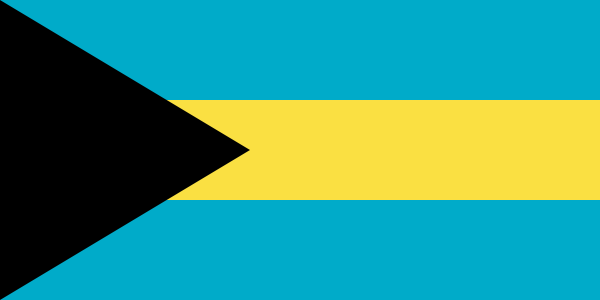
Bahamas Fast Facts – Essential Quick Information for Travelers
The Bahamas is a tropical archipelago of over 700 islands and 2,400 cays scattered across the Atlantic Ocean, just southeast of Florida. Known for its crystal-clear waters, picture-perfect beaches, vibrant marine life and welcoming island culture, it remains one of the Caribbean’s most iconic travel destinations. Whether you're planning your first visit or returning for another island escape, these essential fast facts give you a complete overview of the country—including geography, climate, transportation, culture, safety, currency, language and travel logistics.
Travel Tip: The Bahamas uses U.S. dollars alongside Bahamian dollars, making payments simple for travelers from many countries.
Geography & Location
The Bahamas sits in the Atlantic Ocean, stretching over 800 km from the southeast coast of Florida toward the northern Caribbean. Its position blends Caribbean warmth, Gulf Stream clarity and Atlantic breezes.
- Region: Atlantic Ocean
- Total islands & cays: 700+ islands and 2,400 cays
- Major islands: New Providence, Grand Bahama, Exuma, Eleuthera, Abaco, Andros
- Capital: Nassau (on New Providence Island)
- Famous destinations: Paradise Island, Exuma Cays, Harbour Island, Bimini
For a deeper overview of geography and culture, visit the About Bahamas page.
Population & Language
The Bahamas has a population of around 407,000 people, with the majority living in Nassau. The islands are English-speaking, friendly and culturally diverse.
- Official language: English
- Local dialect: Bahamian English
- Cultural influences: African, Caribbean, British and American
Currency & Payments
The Bahamas uses both the Bahamian dollar (BSD) and U.S. dollar (USD) at a fixed 1:1 exchange rate.
- Accepted currencies: BSD & USD
- Credit cards: Widely accepted
- Tipping: 10–15% is common
For practical money tips, see Bahamas Travel Tips.
Weather & Climate
The Bahamas enjoys tropical marine weather with warm temperatures and steady breezes year-round.
- Average temperature: 23–31°C (74–88°F)
- Dry season: November to April
- Wet season: May to October
- Hurricane season: June to November
For monthly climate insights, visit Bahamas Weather.
Time Zone & Communication
- Time zone: Eastern Time (GMT-5)
- Electricity: 120V, plug types A/B
- Internet: Fast in Nassau and tourist areas
Travel Tip: Download offline maps before exploring smaller islands where reception may vary.
Government & Safety
- Government type: Constitutional monarchy
- Safety level: Moderate; tourist areas are generally safe
- Emergency services: well-developed in major islands
For detailed safety advice, visit Bahamas Safety.
Transportation Overview
Inter-island travel relies mostly on domestic flights and fast ferries. Within major islands, taxis, buses, scooters and rental cars are commonly used.
- Main airport: Lynden Pindling International Airport (NAS)
- Inter-island travel: Plan ahead for ferries and small flights
- Taxis: Common in urban and hotel zones
For more guidance, see Bahamas Transportation Guide.
Tourism Facts
- Annual visitors: 7+ million
- Top visitor origins: U.S., Canada, U.K., Europe
- Top activities: snorkeling, beaches, island-hopping, boating
- Famous for: turquoise waters, coral reefs, pink sand beaches
See the Bahamas Top Destinations page for highlights.
Culture, Cuisine & Festivals
Bahamian culture blends African roots, Caribbean rhythm and British heritage. Food is fresh, flavorful and centered around seafood.
- Major festival: Junkanoo
- Popular dishes: conch salad, rock lobster, baked crab
- Music: rake-and-scrape, Goombay, Junkanoo rhythms
Explore more on Bahamas Food & Drinks.
Beaches & Marine Life
The Bahamas has some of the clearest waters in the world and world-famous beaches ideal for swimming, snorkeling and photography.
- Top beaches: Cable Beach, Pink Sands Beach, Treasure Cay
- Marine life: sea turtles, rays, dolphins, sharks
- Unique experiences: swimming pigs, blue holes, coral gardens
For beach suggestions, visit Bahamas Beaches.
Health, Water & Food Safety
- Tap water: Safe in major populated islands
- Healthcare: Good in Nassau; limited on remote islands
- Food safety: High standards in hotels and restaurants
Final Thoughts
The Bahamas blends natural beauty, vibrant culture and easy travel logistics. With calm waters, warm hospitality and diverse island experiences, it’s an ideal choice for both relaxing and adventurous trips. Use these fast facts as your starting point and continue exploring the full Bahamas Travel Guide series.