
User login
Bahamas Transportation Guide
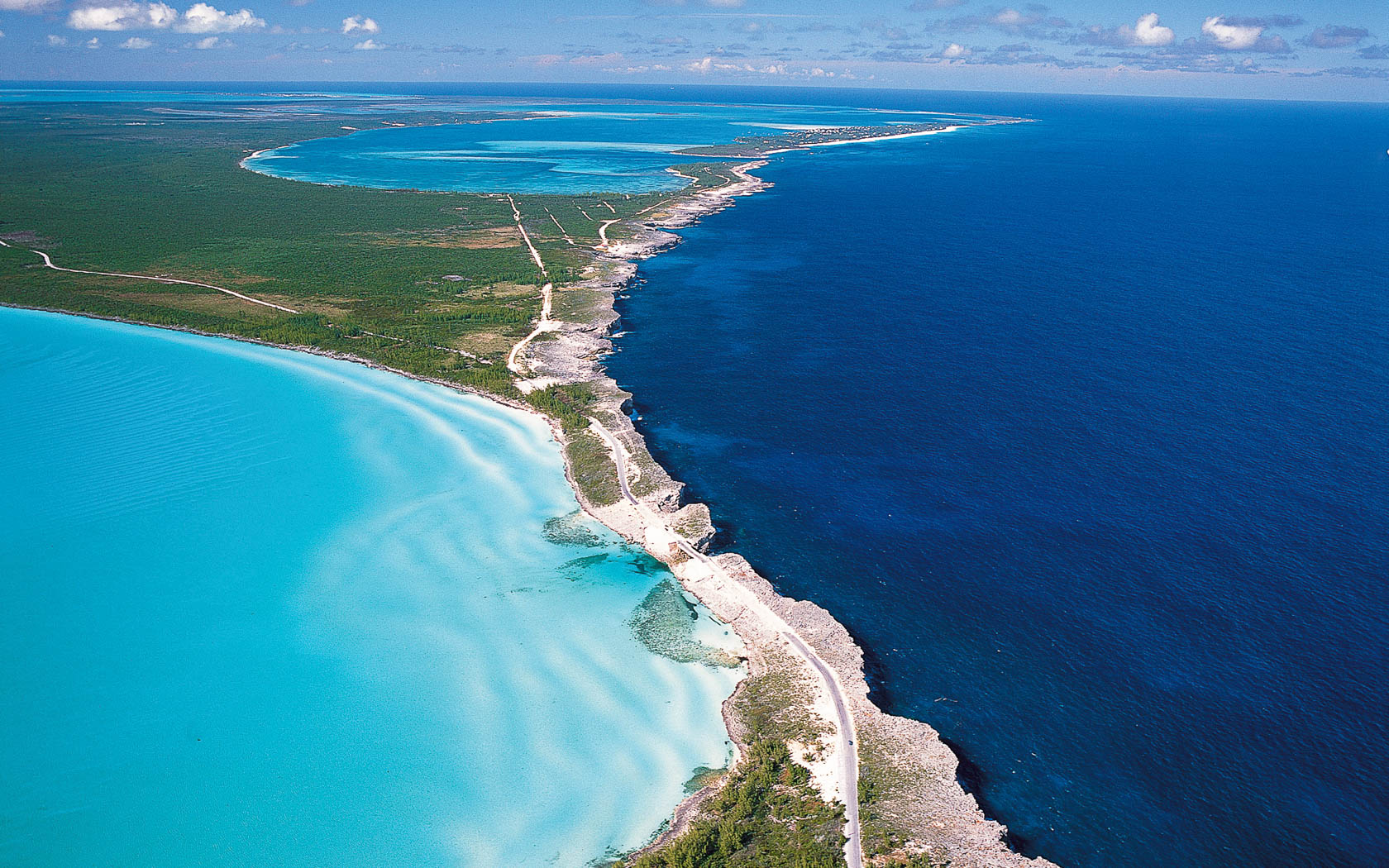
Bahamas Transportation Guide – How to Get Around the Islands
The Bahamas is an archipelago of over 700 islands and cays, meaning transportation works differently than in many countries. Instead of a single continuous land network, travel is split between inter-island transportation (ferries and domestic flights) and local transportation (taxis, rental cars, jitney buses, and water taxis). This guide explains everything you need to move confidently between Nassau, Paradise Island, Exuma, Abaco, Bimini, Grand Bahama, and other key destinations.
Whether you're planning island-hopping across the Exumas, exploring Nassau with local jitneys, or driving along quiet coastal roads in Eleuthera, this guide helps you choose the most efficient, safe, and comfortable options. For a deeper understanding of the islands, visit About Bahamas and explore top attractions inside Bahamas Things to Do.
Travel Tip: Inter-island ferries and domestic flights often sell out in peak season—book ahead if you're visiting Exuma, Harbour Island, Eleuthera, or the Abacos.
How Transportation Works in the Bahamas ?
Transportation in the Bahamas is divided into two categories: between islands and within islands. Inter-island travel requires ferries or short flights, while local transportation varies by island. Larger islands like New Providence or Grand Bahama have more options, while outer islands rely on cars, scooters, boats, and walking.
Why Transportation Matters in the Bahamas ?
Because the Bahamas spans a wide island chain, choosing the wrong transportation method can waste time and limit what you can experience. Some islands have no public transportation, others rely heavily on water taxis, and many beautiful beaches require rental cars or guided tours.
Proper planning ensures you don’t miss iconic locations like Pink Sands Beach, Tropic of Cancer Beach, Exuma sandbars, or Clifton Heritage Park. To help refine your itinerary, check Bahamas Top Destinations.
INTER-ISLAND TRANSPORTATION
1. Domestic Flights
Domestic flights are the fastest way to travel between islands. Most trips take 20–40 minutes, and flights operate regularly from Nassau’s Lynden Pindling International Airport. This option is ideal for travelers going to:
- Exuma (George Town)
- Abaco (Marsh Harbour)
- Harbour Island (via Eleuthera)
- Bimini
- Long Island
Flights are more expensive than ferries but save significant time, especially for longer distances.
2. Inter-Island Ferries
Ferries are a scenic, budget-friendly option. Travel times vary between islands, but routes are comfortable and frequently used by both locals and tourists.
- Nassau → Exuma – Popular for day trips
- Nassau → Harbour Island – One of the busiest ferry lines
- Nassau → Eleuthera – Great for beach-hopping
- Grand Bahama → Bimini – Regional ferry routes
Ferries operate on fixed schedules, so booking ahead is recommended during holiday seasons.
LOCAL TRANSPORTATION WITHIN ISLANDS
1. Taxis
Taxis are widely available in Nassau, Paradise Island, and Grand Bahama. They are reliable, licensed, and safe. Most taxis do not use meters, so confirm the fare before the ride. Airports, marinas, and major hotels all have dedicated taxi stands.
2. Rental Cars
Renting a car is ideal for large or scenic islands such as:
- Eleuthera
- Exuma
- Abaco
- Long Island
Driving is on the left side of the road. Roads can be narrow, and some beaches require unpaved routes. A rental car is often the only way to explore remote beaches, hidden coves, and natural attractions. For accommodation options near these regions, visit Bahamas Accommodation.
3. Jitneys (Local Buses)
Jitneys are minibus-style local buses primarily serving Nassau and parts of Paradise Island. They are cheap and efficient but do not operate late at night. Jitneys are great for:
- Budget travelers
- Short-distance city trips
- Connecting to downtown Nassau attractions
4. Water Taxis
Water taxis are common in island areas with coastal separation. They are especially useful in:
- Nassau ↔ Paradise Island
- Harbour Island ↔ Eleuthera
- Exuma Cays
Water taxis are fast, scenic, and often the only way to reach remote beaches or sandbars.
5. Scooters & Bicycles
On small, flat islands like Harbour Island and Bimini, scooters and bicycles are an enjoyable alternative. They offer flexibility and are perfect for slow-paced sightseeing.
TRANSPORTATION SAFETY & PRACTICAL TIPS
Driving Safety
- Drive on the left side
- Night driving on outer islands can be dark due to limited lighting
- Roads near beaches may be sandy—drive slowly
For more safety considerations, see Bahamas Safety.
Ferry Safety
- Use licensed operators
- Avoid bad weather crossings when possible
- Arrive early for boarding
Taxi Safety
- Use airport and hotel taxi stands
- Confirm price before the ride
BEST TRANSPORTATION OPTIONS BY TRAVEL STYLE
For Families
- Taxis for city movement
- Rental cars on large islands
- Ferries for island-hopping
For Couples
- Water taxis for scenic rides
- Scooters on Harbour Island
- Private transfers and tours
For Adventure Travelers
- Car rentals for remote beaches
- Local boats for Exuma cays
- Mixed ferry + road combos
Final Thoughts
Transportation in the Bahamas is diverse, scenic, and flexible—whether you’re taking a ferry through turquoise waters, renting a car for a coastal road trip, or hopping between islands by plane. With the right planning, you can move effortlessly and enjoy every corner of this tropical paradise. Use this guide along with Top Destinations, Things to Do, Accommodation, and Fast Facts to plan your travels efficiently.
